

Ever bought a sleep mask that looked comfortable but slipped off by morning? Or one that blocked light perfectly until you rolled onto your side?
The best sleep mask is one that blocks unwanted light without pressing on your eyes, trapping heat, or disturbing your sleep. A good fit matters more than an expensive fabric or a long list of features.
Whether you’re dealing with early sunrise, streetlights, shift work, or frequent travel, this sleep mask buying guide explains how to compare materials, shapes, straps, and extra features. You’ll also find practical product options and simple ways to check comfort before buying.
Key Takeaways
- Light blocking comes first: A comfortable mask can reduce unwanted light exposure while you sleep, although it cannot guarantee better sleep.
- Fit matters more than brand: Check for gaps around your nose and cheeks without tightening the strap excessively.
- Match materials to your needs: Silk feels smooth, cotton offers breathability, and contoured foam provides space around the eyes.
- Consider your sleeping position: Side sleepers generally need slimmer edges, while back sleepers can accommodate deeper eye cups.
- Choose extras carefully: Cooling inserts, weights, and built-in audio are optional comforts, not proven sleep treatments.
Helpful Products at a Glance
MZOO 3D Contoured Sleep Mask: A fixed-cup option for sleepers who want space around their eyelashes and less pressure on their eyelids. The foam construction may feel warmer than thin fabric.
- Low - Rebound Memory Foam, Soft and Comfortable.
- Zero Eye Pressure: The Deepest 13mm arc-shaped widened eye cups provide makeup-safe space and allow natural blinking

Alaska Bear Natural Silk Sleep Mask (Black Stars): A lightweight, flat silk option for people who prefer smooth fabric. Its close-fitting design may not suit those who dislike eyelid contact.
- Premium Organic Mulberry Silk: Made from Grade 5A 100% organic mulberry silk that feels exceptionally soft and smooth against the skin, providing a breathable and comfortable sleeping experience.
- Effective Light Blocking: Features a specially designed higher nose cutout that follows facial contours to help block unwanted light without putting uncomfortable pressure on the bridge of the nose.

Manta Original Sleep Mask: A customizable option with detachable eye cups that can be repositioned to match your face. It requires more adjustment than a simple flat mask.
- Maximum Blackout for Deeper Sleep — Just a pinprick of light can disrupt REM and deep sleep, leading to post-sleep tiredness. That's why Manta is designed to cover and conform to your eyes to block out as much light as possible, even in broad daylight — so you always get deep, uninterrupted sleep.
- Infinitely Adjustable for Personalized Fit — Manta is made to fit your unique face. Your eye cups' position, angle, and strap tightness are infinitely adjustable for a fit so seamless, you barely feel your mask on your face. It's like it was custom-made for you.

Why Blocking Light Matters for Better Sleep
Light helps control your body’s internal clock, also called the circadian rhythm. This clock influences when you feel sleepy and when you naturally wake up.
According to the National Heart, Lung, and Blood Institute, bright artificial light in the late evening can interfere with melatonin, a hormone that helps prepare your body for sleep.
A sleep mask creates a darker space around your eyes. This can be useful when you cannot control bedroom lighting, such as during travel or daytime sleep after a night shift.

Research involving hospital patients suggests that eye masks, sometimes combined with earplugs, can improve reported sleep quality. However, hospital-based research does not establish that every healthy adult will experience the same benefits.
Also, not every tiny LED causes measurable sleep disruption. Brightness, color, exposure time, and individual sensitivity all matter. A mask is a practical way to limit light, not a substitute for healthy sleep habits.
Sleep Mask Shapes: Flat, Contoured, or 3D?
The shape of your sleep mask affects both light blocking and pressure around your eyes. No single design fits every face, so understanding the differences makes shopping easier.
| Mask Shape | Main Advantage | Potential Drawback |
|---|---|---|
| Flat | Lightweight and easy to pack | May touch eyelids or leak around the nose |
| Contoured bridge | Follows facial curves to reduce gaps | May not match every nose shape |
| 3D eye cups | Creates space for eyes and lashes | Can feel bulky, especially on your side |
Flat Masks: Simple and Lightweight
Flat masks are useful for travel, occasional naps, and people who prefer minimal padding. Many silk and cotton masks use this design.
However, fabric may rest directly against your eyelids. If you have long eyelashes or dislike contact around your eyes, consider a contoured alternative.
3D Contoured Masks: More Room for Your Eyes
Three-dimensional masks have raised areas over the eyes. They allow room for natural blinking and may reduce friction against eyelashes.
The MZOO 3D Contoured Sleep Mask in black uses memory foam, recessed eye cups, a shaped nose area, and an adjustable strap. Its relatively slim sides are designed to reduce bulk against a pillow.
This makes it a practical option to consider if flat masks bother your eyelids. Still, foam can retain warmth, and light blocking depends on how well the nose area fits your face. It is not guaranteed to be pressure-free for everyone.
- Low - Rebound Memory Foam, Soft and Comfortable.
- Zero Eye Pressure: The Deepest 13mm arc-shaped widened eye cups provide makeup-safe space and allow natural blinking
- Great for Side Sleepers: Upgraded 15°-curved thin sides ensure smooth transitions with no uncomfortable bulge, minimizing temple pressure for all sleeping positions
- 100% Light Blocking: Patented contoured eye cups seal completely around each eye. Deep 22mm nose padding blocks all light leakage
How to Test the Light Seal
- Put the mask on in a bright room without overtightening it.
- Close your eyes and check for visible light around your nose and cheeks.
- Turn your head from side to side and try your usual sleeping position.
- Adjust the strap gently and check whether the mask presses on your eyelids.
- If gaps remain, consider another nose shape or cup design rather than tightening harder.
A comfortable seal should block most unwanted light without leaving painful marks or causing headaches.
Sleep Mask Materials: Which Fabric Should You Choose?
Fabric changes how a mask feels against your skin, how easily it washes, and whether it becomes uncomfortable during warm nights.
Silk and Satin: Smooth Against Skin and Hair
Silk feels smooth and often cool when first placed against the face. Its low-friction surface may reduce rubbing, but claims that silk masks prevent wrinkles or significantly improve skin hydration are not well established.
Satin describes a weave rather than a particular fiber. Some satin masks are made from polyester, so check the label instead of assuming every satin product contains silk.
For a lightweight silk option, the Alaska Bear Natural Silk Sleep Mask in Black Stars uses mulberry silk, soft filling, a shaped nose cutout, and an adjustable strap. Its flat construction is convenient for packing and sleeping without bulky eye cups.
It may suit people who value smooth fabric over deep eye space. However, those with eyelash extensions or sensitivity to eyelid contact may prefer a 3D mask. Check the specific care instructions before washing.
- Premium Organic Mulberry Silk: Made from Grade 5A 100% organic mulberry silk that feels exceptionally soft and smooth against the skin, providing a breathable and comfortable sleeping experience.
- Effective Light Blocking: Features a specially designed higher nose cutout that follows facial contours to help block unwanted light without putting uncomfortable pressure on the bridge of the nose.
- Fully Adjustable Comfortable Fit: Equipped with an adjustable strap that fits head circumferences from 15.8 to 27.6 inches, providing a secure and personalized fit for different head sizes.
- Gentle on Skin & Hair: The smooth silk surface helps minimize friction against delicate facial skin, while the adjustable strap is designed to prevent hair snagging during sleep.
Cotton: Breathable and Practical
Cotton is a reasonable everyday choice, especially if you prefer natural-feeling fabric and straightforward care.
It absorbs moisture, though, and thicker cotton layers may feel warm. Choose soft, washable fabric with enough layers to block light.
Polyester: Durable and Easy to Maintain
Polyester masks are often affordable, lightweight, and quick-drying. Some fabrics are designed to move moisture away from the skin.



Breathability varies by weave and thickness. A dense, padded polyester mask can feel warmer than a thin cotton one.
Memory Foam: Cushioned but Potentially Warm
Memory foam can follow facial contours and help create space around the eyelids. However, thick foam may compress against pillows or trap heat.
Simple rule: Choose fabric for comfort, then judge light blocking by the complete mask’s construction rather than the material name alone.
Straps and Adjustability: Finding a Comfortable Fit
A sleep mask should stay in place without pulling your hair or squeezing your head. Strap design often determines whether a comfortable mask remains comfortable overnight.

Three common strap designs have different trade-offs:
- Sliding buckles: Allow gradual size adjustments. Position the buckle where it will not press against your pillow.
- Hook-and-loop closures: Easy to adjust, but may snag hair, make noise, or wear over time.
- Elastic scrunch bands: Feel smooth without hard hardware, although some lack precise adjustment and may stretch.
For smaller heads, look for a strap that tightens sufficiently without bunching. For larger heads, check the stated adjustment range to avoid excessive tension.
After several nights, check whether elastic has loosened or the mask has started sliding. A small adjustment may restore comfort.
Choosing a Sleep Mask for Your Sleeping Position
Your normal sleeping position determines how much padding and strap hardware you can tolerate.
Side Sleepers
Choose slimmer edges, flexible fabric, and low-profile closures. Thick foam or raised hardware near your temples can press against the pillow and move the mask.
Try the mask on your actual pillow. A design that feels perfect while sitting upright may leak light when you lie on your side.
Back and Stomach Sleepers
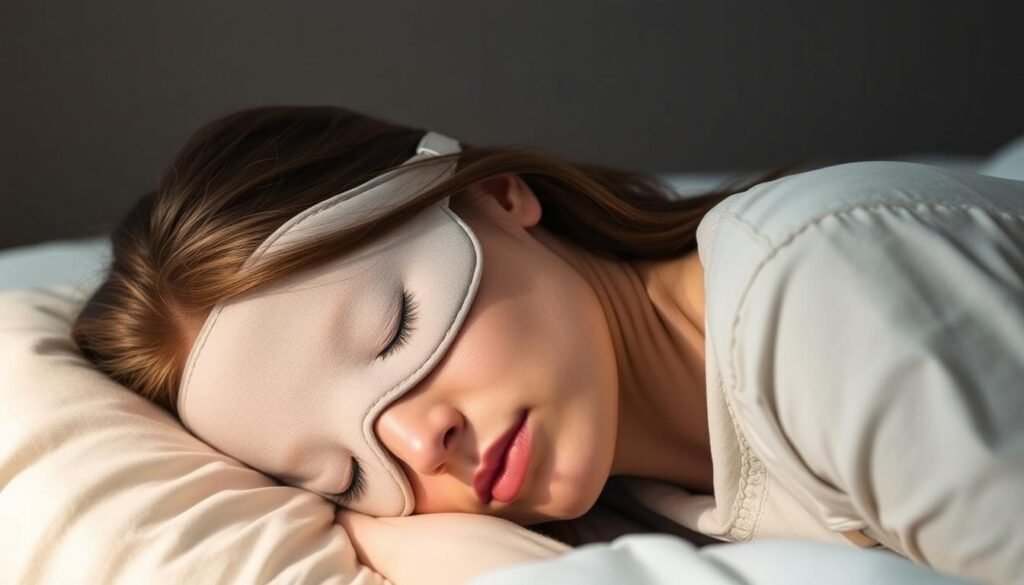
Back sleepers can often tolerate deeper eye cups because the pillow puts less pressure on the mask’s front. Stomach sleepers generally need softer, lower-profile designs to limit facial pressure.
If standard masks leave gaps because of your facial shape, adjustable eye cups offer another option.
Modular Masks for a More Personalized Fit
The Manta Original Sleep Mask uses detachable eye cups that can be repositioned independently. This lets you change their spacing and angle rather than relying entirely on a fixed shape.
That flexibility may help people with unusual nose-bridge proportions, different facial contours, or a strong preference for keeping fabric away from their eyes.
The trade-off is extra adjustment. The cups and surrounding structure can also feel bulky against a pillow, particularly for side sleepers. Start with a gentle strap tension and test the cup placement before wearing it overnight.



- Maximum Blackout for Deeper Sleep — Just a pinprick of light can disrupt REM and deep sleep, leading to post-sleep tiredness. That's why Manta is designed to cover and conform to your eyes to block out as much light as possible, even in broad daylight — so you always get deep, uninterrupted sleep.
- Infinitely Adjustable for Personalized Fit — Manta is made to fit your unique face. Your eye cups' position, angle, and strap tightness are infinitely adjustable for a fit so seamless, you barely feel your mask on your face. It's like it was custom-made for you.
- Soft, Breathable, Durable Materials — Manta is designed for no-compromises comfort and constructed with super soft, breathable, durable materials that gently conform to your face without putting any pressure on your eyes.
- Zero Pressure on Eyes or Lashes — Deeply molded eye cups for complete comfort in every position. So you snooze soundly whether you're on your back or stomach.
Travel and Shift Work
For flights, shared rooms, or daytime sleep, prioritize a stable strap, portable design, and reliable coverage. A washable travel pouch is useful, especially when the mask spends time inside a bag.
Frequent travelers may prefer simple construction, while shift workers dealing with strong daylight may value more adjustable coverage.
Extra Features: Which Are Worth Considering?
Once you have a comfortable fit, optional features can address specific preferences. They should not compensate for poor construction or a mask that leaks light.
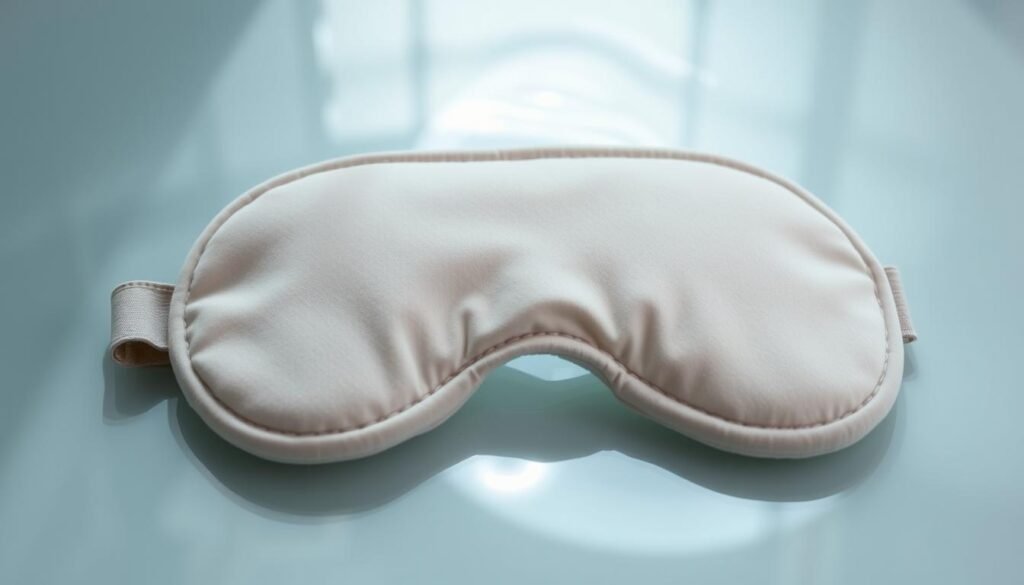
- Weighted masks: Some people enjoy gentle pressure for relaxation. Evidence for meaningful sleep improvements remains limited. Avoid pressure directly on the eyeballs.
- Cooling gel inserts: Can offer temporary cooling when used according to directions. Avoid inserts that become painfully cold, leak, or add uncomfortable pressure.
- Built-in audio: Useful for quiet music, white noise, or guided relaxation. Choose thin speakers, comfortable placement, and low volume.
- Aromatherapy inserts: May provide a pleasant scent, but they do not reliably treat insomnia. Avoid fragrances that trigger headaches, allergies, or irritation.
For most buyers, dependable light blocking, comfortable fabric, and a stable strap are more useful than electronic or scented features.
Sensitive Skin, Eye Conditions, and Safety
Comfort should never require pressure on your eyeballs. A tight or heavy mask can create problems, particularly for people with existing eye conditions.
The American Academy of Ophthalmology explains why eye pressure matters, especially in glaucoma. A sleep mask that presses directly against the eyes is not a suitable comfort choice.
Take these precautions:
- Glaucoma or elevated eye pressure: Ask your eye specialist before using tight, weighted, or pressure-producing masks.
- Eye infections or recent surgery: Avoid covering affected eyes unless your clinician says it is safe.
- Eyelash extensions: Choose sufficiently deep cups, but confirm they do not touch or rub the lashes.
- Sensitive skin: Prefer smooth, unscented, washable materials and stop using anything that causes irritation.
- CPAP users: Check that the mask does not interfere with the CPAP seal, tubing, or prescribed equipment.
Remove the mask if you notice eye pain, blurred vision, persistent redness, or uncomfortable pressure. Seek appropriate medical care for concerning symptoms.
Budget and Build Quality: What Makes a Mask Worth Buying?
Higher prices do not automatically mean better light blocking. A simple mask that fits your face can be more useful than an expensive model with unwanted features.
When comparing value, inspect these details:
- Stitching: Look for even seams without rough threads against your face.
- Elastic: It should stretch comfortably and return to shape.
- Closures: Buckles and fastening surfaces should feel secure without digging into your head.
- Foam: Padding should recover its shape after gentle compression.
- Cleaning: Check whether the mask is washable and whether inserts can be removed.
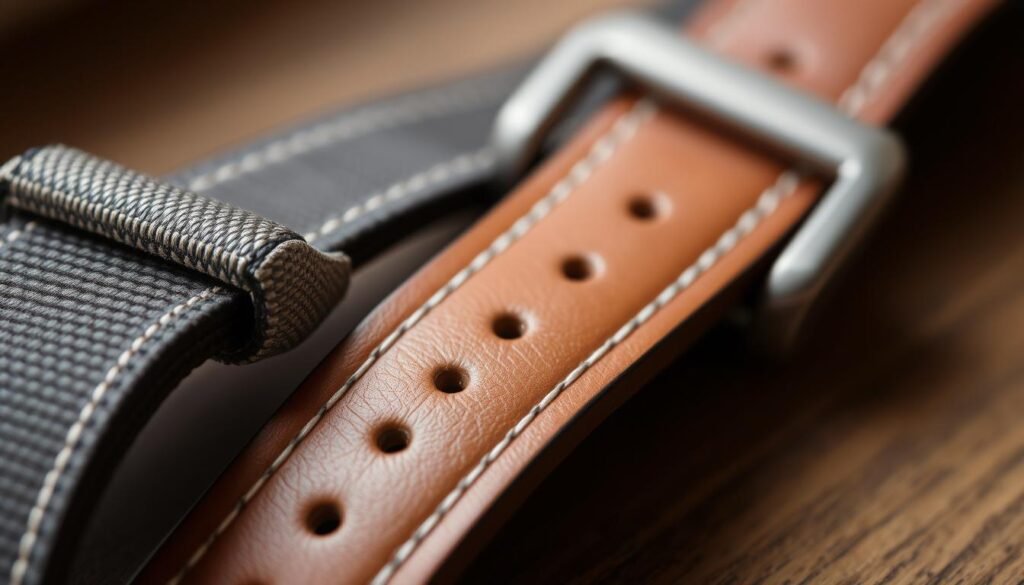
Budget models often focus on basic fabric and adjustable straps. Midrange designs may add contoured foam or better nose coverage. Premium products commonly emphasize specialized materials, modular parts, or electronics.
Compare the actual features and return policy rather than assuming an expensive option will last longer.
How to Wash, Store, and Replace a Sleep Mask
Regular cleaning helps remove facial oils, sweat, and skin-care residue. Follow the manufacturer’s care label because silk, foam, and electronic masks have different cleaning requirements.
- Check instructions: Remove washable inserts only when the manufacturer permits it.
- Wash gently: Use a suitable mild detergent. Hand-wash delicate fabrics when recommended.
- Avoid twisting: Squeeze excess water gently instead of wringing foam or silk.
- Dry completely: Air-dry as directed before wearing or storing.
- Store clean: Use a breathable pouch and avoid crushing molded eye cups.
Weekly cleaning is a reasonable starting point for daily use, with more frequent washing if the mask becomes sweaty or oily.
There is no universal replacement schedule. Replace your mask when elastic stops holding, foam loses its shape, persistent odors remain, or it no longer provides a comfortable light seal.
Make Your Bedroom Darker Without Buying a New Mask
A sleep mask works best when you also reduce unnecessary light around your sleeping area. These changes can make a basic mask more comfortable because you may not need such a tight seal.
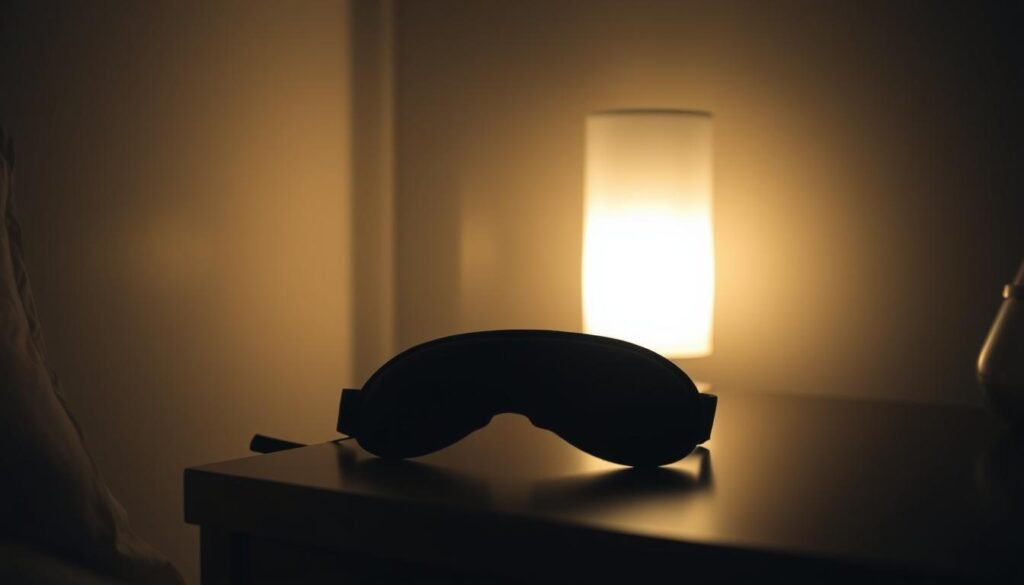
- Use blackout curtains or suitable blinds for strong outdoor light.
- Cover unnecessary indicator LEDs without blocking ventilation or safety indicators.
- Close gaps beneath doors with a draft stopper.
- Move bright screens and devices away from the bed.
- Dim evening lighting and maintain a regular sleep schedule.
You can also try a comfortable dark cloth over your eyes for a short, supervised comfort check while awake. It should remain loose, clean, breathable, and away from your nose and mouth. A dedicated product is optional if simple room-darkening changes already solve your problem.
Final Sleep Mask Buying Checklist
Before choosing a particular model, use this checklist to compare options based on your own needs.
- Identify your main problem: Light leakage, eyelid pressure, heat, or a slipping strap.
- Choose your shape: Flat for minimal bulk, fixed 3D cups for eye space, or modular cups for greater adjustment.
- Select comfortable fabric: Consider warmth, skin sensitivity, and washing requirements.
- Check your sleep position: Make sure edges and closures do not press against your pillow.
- Review practical details: Confirm size range, care instructions, replacement parts, and return conditions.
Whenever possible, test the mask while lying in your usual position. Even an adjustable product may not suit every face.
Frequently Asked Questions
Are silk sleep masks better than cotton masks?
Not necessarily. Silk generally feels smoother, while cotton can be breathable and easier to care for, depending on construction. Choose based on comfort, fit, and washing needs rather than claims about skin benefits.
What type of sleep mask is best for side sleepers?
A mask with slim edges, soft fabric, and low-profile strap hardware is a sensible starting point. Test for pressure against your pillow and light gaps near the nose.
Do 3D sleep masks work with eyelash extensions?
They may be more comfortable than flat masks because the raised cups provide space around the lashes. However, cup depth and fit differ, so check that the material does not rub your extensions.
Can a weighted sleep mask help with insomnia?
Some people find gentle pressure relaxing, but strong evidence that weighted eye masks treat insomnia is lacking. Avoid pressure directly on the eyes and seek professional advice if sleep problems persist.
Can a sleep mask replace blackout curtains?
A well-fitting mask may be enough when the main problem is light reaching your eyes. Curtains reduce room-wide brightness and can be preferable if masks feel uncomfortable or slip off.
How often should I replace my sleep mask?
Replace it when the strap loses elasticity, padding deteriorates, fabric becomes uncomfortable, or cleaning no longer keeps it fresh. There is no fixed replacement interval for every material.
Is it safe to sleep with an eye mask every night?
For most healthy adults, a clean, comfortable mask that does not press on the eyes is generally a reasonable option. People with glaucoma, recent eye surgery, infections, or other significant eye concerns should seek individual guidance.
Conclusion
The right sleep mask should feel comfortable, stay in place, and reduce light without putting unnecessary pressure on your face. Start by choosing a suitable shape, then compare fabric, strap design, and your usual sleeping position.
If a simple flat mask fits well, you may not need anything more expensive. If you need eyelash space or a more customized seal, a contoured or modular design may be worth considering.
Focus on comfort and a reliable fit first. Extra features are only worthwhile when they solve a problem you actually have.