

Looking for an easy way to add more plant-based nutrients to your meals? Moringa powder can be mixed into smoothies, soups, breakfast bowls, savory dishes, and homemade snacks. You don’t need complicated recipes or a complete change in your eating habits.
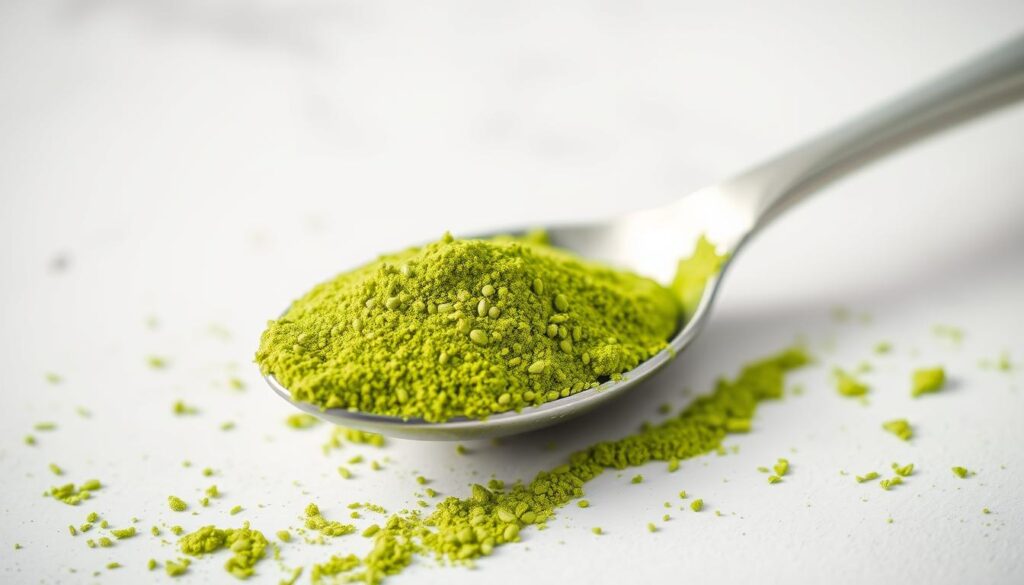
Moringa comes from the leaves of the Moringa oleifera tree. Its dried leaves contain vitamins, minerals, and plant compounds called antioxidants. The powder has a slightly earthy taste that works especially well with fruit, yogurt, lemon, garlic, and other familiar ingredients.
Here are five creative ways to use moringa powder, with simple recipes, helpful preparation tips, and important safety advice. You’ll also learn what research actually says about its health benefits and how to choose a suitable product.
Key Takeaways
- Five easy uses: Add moringa to smoothies, warm drinks and soups, breakfast recipes, savory meals, and homemade snacks.
- Start with flavor: A small amount, such as 1/2 teaspoon in a recipe, is a practical way to test the taste without making the dish too earthy.
- Understand the benefits: Moringa contains useful nutrients and antioxidants, but evidence for specific medical benefits remains limited.
- Keep meals balanced: Moringa is an optional addition, not a replacement for vegetables, protein-rich foods, or prescribed supplements.
- Check safety: Review product recalls before use, particularly because moringa products have been linked to Salmonella outbreaks.
Helpful Products at a Glance
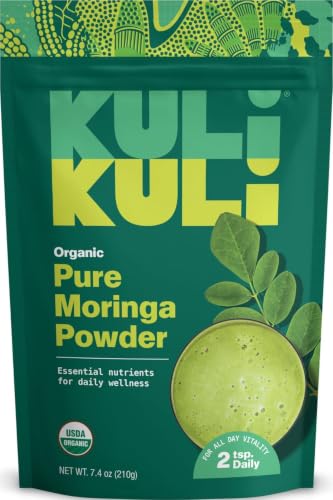
For smoothies, sauces, and cooking, Kuli Kuli Organic Moringa Powder offers a convenient single-ingredient-style option in a 7.4-ounce pouch. Check the current label, recall information, and package condition before use.
- STEADY, CAFFEINE-FREE ENERGY ALL DAY: Cutting back on coffee or tired of the afternoon slump? Kuli Kuli moringa gives you steady energy without the jitters or the crash, and tastes like matcha, but without the caffeine. New to moringa? Start with a half teaspoon and build up to a full serving (2 tsp) as your taste adjusts.
- VERSATILE ENOUGH FOR EVERY ROUTINE: Busy parents and meal-preppers reach for Kuli Kuli moringa because it blends into whatever you're already making, no new routine required. Whisk it into a smoothie, stir it into oatmeal or yogurt, or fold it into sauces, soups, and baked goods to green up breakfast, lunch, or a pre-workout shake. Pair it with citrus like orange juice or a bit of ginger to balance moringa's naturally earthy flavor.
What Is Moringa Powder, and Is It Worth Adding to Your Diet?
Moringa leaves have been eaten as vegetables in parts of Asia and Africa for generations. Drying and grinding the leaves produces a green powder that is easier to store and mix into different foods.
The leaves contain nutrients such as calcium, iron, beta-carotene (which the body can convert into vitamin A), and plant-based protein. However, the amount you actually get depends on the product and serving size. A teaspoon provides much less nutrition than a full serving of vegetables.

What does science say about moringa’s benefits?
Moringa contains antioxidants, including flavonoids and other plant compounds. Laboratory studies suggest these substances have antioxidant and anti-inflammatory properties. However, results from laboratory experiments do not automatically translate into proven health benefits for people.
A 2025 analysis of nine randomized clinical trials found no consistent improvement in most blood sugar, cholesterol, weight, or blood pressure outcomes. The researchers also rated the overall evidence as very uncertain. Moringa may contribute nutrients to a balanced diet, but it should not be treated as a medicine or a guaranteed energy booster.
Choosing moringa powder for everyday recipes
If you want to try the recipes below, look for a clearly labeled product made from edible moringa leaves. Check the ingredients, storage instructions, expiration date, and any available independent quality-testing information. Avoid products with unclear sourcing or exaggerated medical claims.
One practical option is Kuli Kuli Organic Moringa Powder (7.4 oz), which is sold as a leaf powder for smoothies, tea, and baking. Its main convenience is versatility: you can use the same pouch for several recipes instead of buying different moringa products. It is optional, though; any suitable, non-recalled food-grade moringa leaf powder you already have can serve the same basic purpose.
- STEADY, CAFFEINE-FREE ENERGY ALL DAY: Cutting back on coffee or tired of the afternoon slump? Kuli Kuli moringa gives you steady energy without the jitters or the crash, and tastes like matcha, but without the caffeine. New to moringa? Start with a half teaspoon and build up to a full serving (2 tsp) as your taste adjusts.
- VERSATILE ENOUGH FOR EVERY ROUTINE: Busy parents and meal-preppers reach for Kuli Kuli moringa because it blends into whatever you're already making, no new routine required. Whisk it into a smoothie, stir it into oatmeal or yogurt, or fold it into sauces, soups, and baked goods to green up breakfast, lunch, or a pre-workout shake. Pair it with citrus like orange juice or a bit of ginger to balance moringa's naturally earthy flavor.
- CLEAN LABEL YOU CAN TRUST: Made from one ingredient, organic moringa leaf, nothing else added. This vegan, gluten-free powder is USDA Certified Organic, Non-GMO, Certified B Corporation, and third-party tested for quality and purity, so what's on the label is what's in the bag.
- MORE NUTRIENT-DENSE THAN KALE, WHICH IS WHY IT FEELS DIFFERENT: Every scoop delivers more than kale can match, including over 150 plant bioactive compounds plus calcium, iron, fiber, vitamins, and plant protein, verified by third-party testing. Real, whole-food nutrition instead of a synthetic jolt is why the energy feels steady, not jittery. Kuli Kuli hand-picks harvests from small, women-led farming cooperatives, pairing quality with fair farmer pay.
Remember that an organic label or quality-testing claim does not guarantee a product is free from contamination. Check the FDA’s moringa recall information before using a new or previously purchased product.
1. Make Delicious Moringa Smoothies
Smoothies are one of the easiest ways to incorporate moringa into your routine. Fruits add natural sweetness, while yogurt or milk softens the powder’s grassy flavor.
For these recipes, try 1/2 teaspoon of moringa powder per smoothie at first, following the product’s serving guidance. You can adjust the flavor or make the recipes without moringa if you prefer.
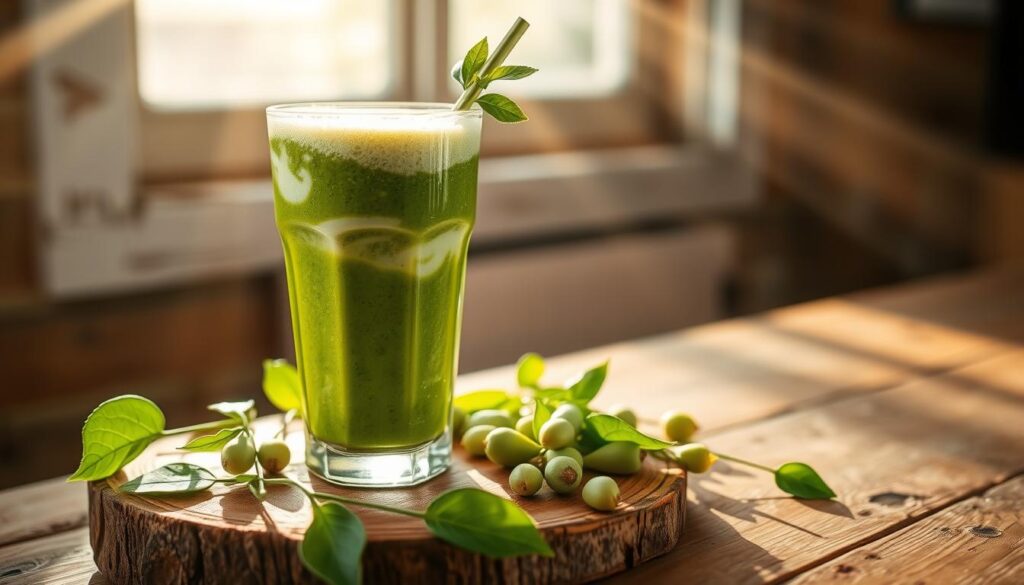
Three moringa smoothie recipes to try
- Mint Melody: Blend 1 banana, 1/2 cucumber, a few fresh mint leaves, 1 cup coconut water, a squeeze of lime, and 1/2 teaspoon moringa powder. Add ice for a cooler drink.
- Berry Bliss: Combine 1 cup mixed berries, 1/2 cup plain Greek yogurt, 1/2 cup unsweetened almond milk, and 1/2 teaspoon moringa powder. Blend until creamy, adding a little honey if needed.
- Tropical Energizer: Blend 1/2 cup mango, 1/2 cup pineapple, 1/2 banana, 1/2 cup orange juice, a small handful of spinach, and 1/2 teaspoon moringa powder. Add water to adjust the thickness.
How to make moringa smoothies taste better
The secret is balancing the powder with ingredients you enjoy. Banana and mango add sweetness, citrus brings freshness, and creamy ingredients soften strong flavors.
- For more protein: Add Greek yogurt, cottage cheese, or a suitable protein powder.
- For thicker texture: Use frozen fruit, chia seeds, or less liquid.
- For easier preparation: Freeze individual fruit portions in reusable bags or containers.
- For a milder taste: Reduce the moringa rather than adding large amounts of sweetener.
These smoothies can fit into breakfast or snack time. Their nutritional value comes from the complete ingredient combination, not just the moringa.
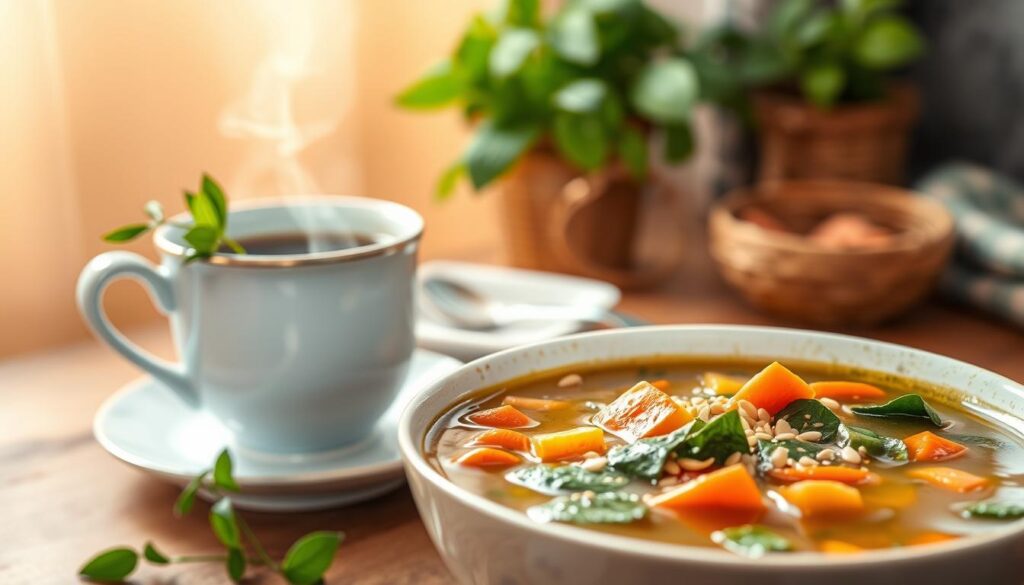
2. Add Moringa to Warm Tea and Comforting Soups
Prefer something warm? Moringa can also be used in herbal drinks and homemade soups. Its earthy flavor pairs well with lemon, ginger, garlic, pumpkin, and lentils.
How to prepare moringa tea
If you have food-grade dried moringa leaves, you can prepare an herbal infusion using these steps:
- Heat 1 cup of water until hot.
- Add 1 teaspoon of dried moringa leaves.
- Steep for approximately 5–7 minutes.
- Strain the leaves and add lemon or honey if desired.
If you’re using moringa powder instead of whole dried leaves, whisk a small amount directly into warm water. Powder usually remains suspended or settles at the bottom rather than steeping like loose tea leaves.
Three simple moringa soup ideas
- Creamy pumpkin soup: Cook pumpkin, sweet potato, onion, and garlic in vegetable broth until tender. Blend until smooth, then stir in a little moringa powder off the heat.
- Red lentil vegetable soup: Simmer red lentils with tomatoes, carrots, mushrooms, and spices until fully cooked. Mix a small amount of moringa into the finished soup.
- Ginger and sweet potato soup: Cook sweet potato, ginger, garlic, and chili flakes in broth. Blend until creamy, then season and add moringa before serving.
Cooking tip: Adding moringa near the end may help preserve some heat-sensitive nutrients and its green color. However, this is a flavor and nutrient-preservation choice, not a food-safety treatment. Heating soup briefly does not make contaminated or recalled powder safe.
Refrigerate cooked soups promptly in covered containers and generally use within 3–4 days, or freeze portions for later meals.
3. Upgrade Breakfast with Moringa Chia Pudding, Pancakes, and Lattes
Breakfast offers several easy opportunities to try moringa without making a separate supplement drink. Chia pudding, pancakes, oatmeal, and warm milk-based drinks can all accommodate a little green powder.
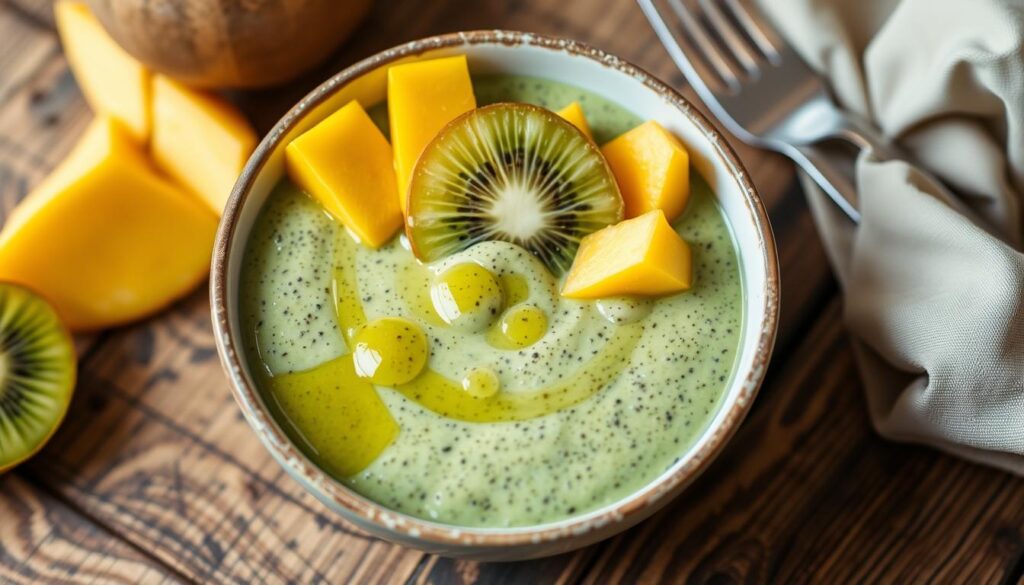
Make-ahead moringa chia pudding
This breakfast works well when mornings are busy because most of the preparation happens the night before.
Ingredients:
- 1 cup milk or unsweetened plant-based milk
- 3 tablespoons chia seeds
- 1/2 teaspoon moringa powder
- 1/2 teaspoon vanilla extract
- Honey or maple syrup, optional
- Fresh berries, mango, or coconut yogurt for topping
Method: Stir the ingredients together, wait 5 minutes, and stir again to break up clumps. Refrigerate for at least 2 hours, preferably overnight, until thickened. Add your favorite toppings before eating.
Green pancakes and oatmeal
For moringa pancakes, whisk 1 cup self-rising flour, 1 egg, approximately 3/4 cup milk, and 1/2–1 teaspoon moringa powder into a smooth batter. Cook small pancakes in a lightly greased skillet over medium heat, flipping when bubbles appear and the edges begin to set. Cook until the centers are done.
For an even quicker breakfast, stir a pinch of moringa into cooked oatmeal. Add cinnamon, banana, nuts, or a spoonful of yogurt to create a more filling meal.
Make a creamy moringa latte
- Whisk 1/2 teaspoon moringa powder with a little warm water until smooth.
- Add 1 cup warmed oat, almond, or dairy milk.
- Sweeten lightly if desired.
- Finish with cinnamon or vanilla.
Unlike matcha made from tea leaves, plain moringa leaf powder is naturally caffeine-free. That makes this latte an option for someone who wants a warm green drink without caffeine.
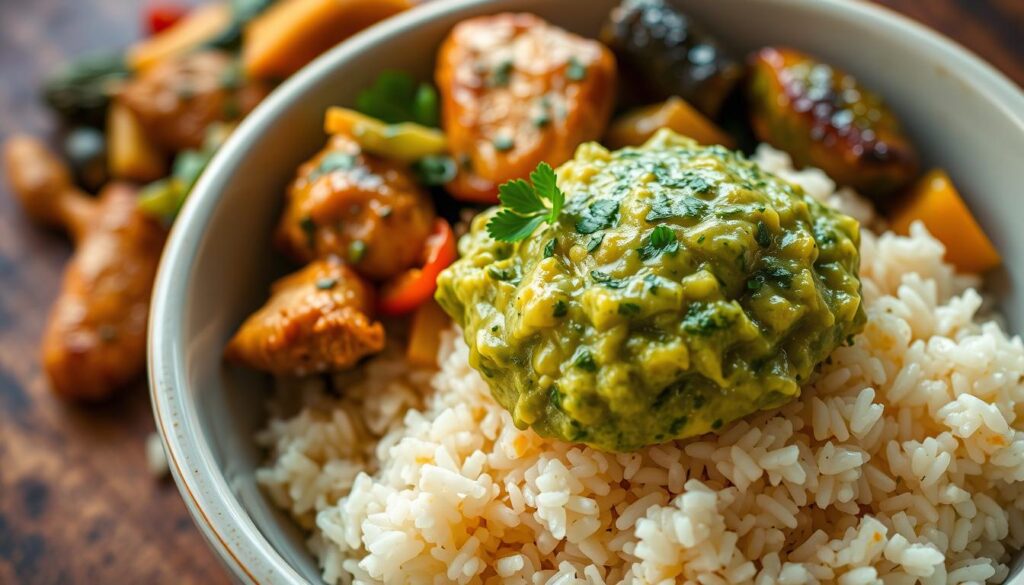
4. Mix Moringa into Savory Meals: Pesto, Guacamole, Stir-Fries, and Rice
Moringa isn’t limited to sweet recipes. Its mild bitterness can blend with herbs, garlic, lemon, and rich ingredients such as olive oil or avocado.
These savory ideas are particularly convenient because you can prepare the main dish as usual and add a small amount of powder near the end.
Fresh moringa pesto
Blend fresh basil, pine nuts, Parmesan cheese, garlic, olive oil, and lemon juice into your usual pesto. Add a small amount of moringa powder, starting with 1/2 teaspoon, and blend again.
Serve with pasta, roasted vegetables, or sandwiches. If the flavor becomes too earthy, add more basil or lemon rather than increasing the powder.
Spinach and moringa guacamole
Mash 2 ripe avocados with chopped spinach, diced tomatoes, red onion, lime juice, and a pinch of salt. Stir in 1/2 teaspoon moringa powder and taste before adding more.
The avocado’s creamy texture helps distribute the powder evenly. Serve with whole-grain toast, tacos, or fresh vegetables.
Quick stir-fry and rice additions
Cook your favorite vegetables with garlic, ginger, and a protein such as tofu, chicken, or beans. Once everything is fully cooked, turn off the heat and stir in a small amount of moringa mixed with a splash of water or soy sauce.
You can also mix a pinch into cooked rice with lemon juice, herbs, and a little olive oil. This adds a different flavor without requiring another cooking step.
5. Make Moringa Energy Bites and Homemade Baked Snacks
If you enjoy preparing snacks ahead of time, moringa can be added to energy bites, muffins, and banana bread. Cocoa, dates, cinnamon, and nuts help balance its earthy taste.
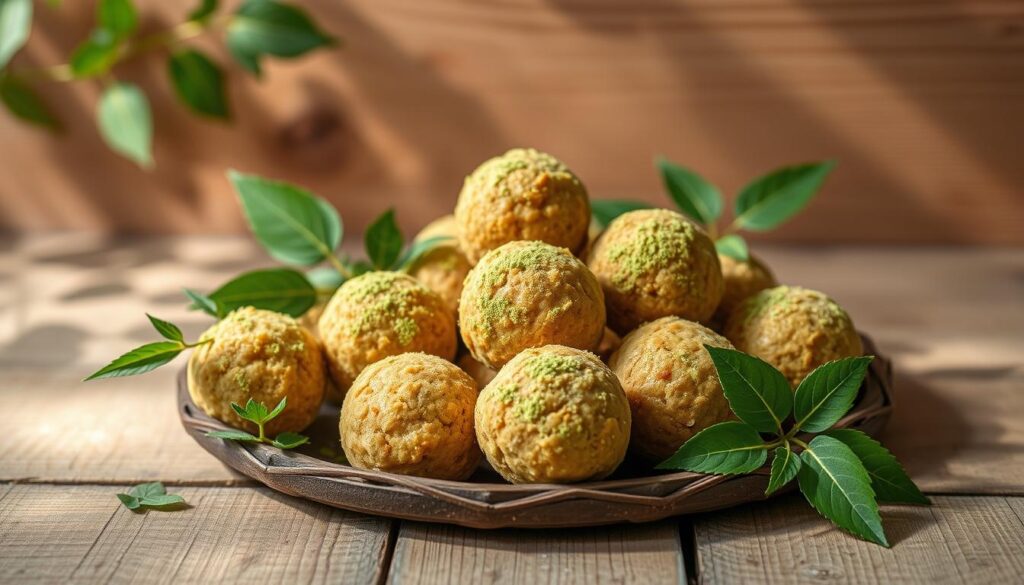
No-bake moringa energy bites
Ingredients:
- 8–10 soft, pitted dates
- 1/2 cup rolled oats
- 1/2 cup almonds
- 1 tablespoon unsweetened cocoa powder
- 1 teaspoon moringa powder for the entire batch
- A little water, only if needed
Method: Blend the almonds and oats in a food processor, then add the remaining ingredients. Process until the mixture holds together when pressed. Roll into small balls and refrigerate until firm.
If the mixture feels too dry, add water one teaspoon at a time. Keep the finished bites refrigerated and freeze extra portions for longer storage.
Moringa muffins and banana bread
For baking, you don’t need a special moringa recipe. Start with a muffin or banana bread recipe you already trust and mix a small amount of moringa into the dry ingredients.
- Banana bread: Add 1/2–1 teaspoon moringa to your usual batter, along with cinnamon or chopped walnuts.
- Breakfast muffins: Mix a little moringa into oat, banana, or berry muffin batter.
- Mini cakes: Pair a small amount with vanilla, cocoa, or lemon for a more balanced taste.
Baking can reduce some heat-sensitive vitamins, but it doesn’t remove every nutrient. The overall nutritional value still depends on the full recipe, including sugar, flour, fats, and portion sizes.
How to Start Using Moringa Without Overdoing It
You don’t need to add moringa to every meal. The easiest approach is to choose one familiar recipe, try a small amount, and decide whether you enjoy it.
A simple one-week starter plan
| Day | Recipe to Try | Practical Tip |
|---|---|---|
| Monday | Berry smoothie | Start with a small pinch or 1/2 teaspoon. |
| Tuesday | Chia pudding | Prepare it the night before. |
| Wednesday | Vegetable soup | Stir the powder into the finished dish. |
| Thursday | Moringa latte | Whisk with warm water to reduce clumps. |
| Friday | Guacamole | Balance the flavor with lime juice. |
| Saturday | Energy bites | Make a batch for later snacks. |
| Sunday | Your favorite recipe | Repeat only if you enjoyed it and tolerated it. |
This is a recipe exploration plan, not a recommended supplement schedule. There is no well-established daily dose of moringa powder that guarantees health benefits for everyone. Follow product directions and consider individual health conditions before making it a regular habit.
Moringa Safety: Side Effects, Medications, and Product Recalls
Although moringa leaves are eaten as food in many cultures, concentrated powders and supplements deserve extra care. Their quality, serving sizes, and effects can vary.
Check for Salmonella recalls
This is especially important for US consumers. During 2025 and 2026, federal health officials investigated several Salmonella outbreaks involving moringa leaf products. Some affected products were sold online, and recalled items can remain in homes because of their long shelf lives.
Before using moringa, check the FDA’s moringa product recall list and compare the brand, lot number, and expiration date with your package. Do not consume recalled products, even if they look and smell normal.
Possible digestive discomfort
Some people may experience nausea, bloating, or loose stools when trying unfamiliar powders or larger servings. Stop using the product if symptoms develop, and seek medical attention for severe or persistent reactions.
Seek prompt care for signs of a serious foodborne infection, such as bloody diarrhea, high fever, or dehydration.
Pregnancy, breastfeeding, and medications
- Pregnancy and breastfeeding: Avoid moringa supplements unless your healthcare professional specifically advises otherwise. Safety information is limited.
- Diabetes or blood pressure medications: Discuss regular moringa supplementation with your clinician because possible effects on blood sugar and blood pressure need consideration.
- Other prescription medicines: Ask your pharmacist about potential interactions, especially when taking medicines requiring close monitoring.
- Children and medically vulnerable adults: Do not assume adult supplement directions are suitable. Seek individualized guidance.
The Memorial Sloan Kettering Cancer Center’s moringa guide provides additional information about precautions, research, and possible interactions.
Storage and quality tips
- Keep the powder in an airtight container in a cool, dry place.
- Protect it from direct sunlight, moisture, and heat.
- Use a clean, dry spoon to avoid introducing moisture.
- Follow the manufacturer’s storage and expiration instructions.
- Do not use products with damaged packaging, signs of spoilage, or an applicable recall.
Frequently Asked Questions
How much moringa powder should I use in a recipe?
For flavor testing, a pinch to 1/2 teaspoon in a smoothie or bowl is a reasonable starting point. This is not a medically established dose. Follow the product label and avoid increasing intake simply to chase health benefits.
Can I add moringa to hot drinks?
Yes, food-grade moringa powder can be stirred into warm drinks. Whisking it with a little water first helps prevent clumps. Prolonged heating can reduce certain heat-sensitive nutrients, but brief heating does not guarantee that contaminated powder becomes safe.
Can moringa replace vegetables or multivitamins?
No. A small amount of moringa powder does not provide the same range or quantity of nutrients as eating varied vegetables. It also cannot replace prescribed supplements used to treat confirmed deficiencies.
Does moringa help with weight loss or blood sugar?
Current human research does not establish moringa as an effective weight-loss or blood-sugar treatment. Some small studies suggest possible effects, but the overall clinical evidence remains uncertain. Do not replace medical treatment with moringa.
Can I use fresh moringa leaves instead of powder?
Yes, properly sourced edible moringa leaves can be cooked in soups, curries, and other savory dishes. Fresh leaves and dried powder have different moisture levels, flavors, and nutrient concentrations, so they are not interchangeable in equal amounts.
What’s the best way to hide moringa’s earthy flavor?
For sweet recipes, use banana, berries, mango, cocoa, cinnamon, or vanilla. For savory recipes, try lemon, garlic, basil, olive oil, or avocado. Start with less powder and adjust according to taste.
Conclusion: Make Moringa an Optional Part of Meals You Already Enjoy
Adding moringa to your routine doesn’t have to be complicated. A berry smoothie, a bowl of vegetable soup, overnight chia pudding, homemade pesto, or a batch of energy bites can all provide opportunities to try its distinctive flavor.
The most practical approach is to start with one recipe rather than several daily servings. Keep expectations realistic: moringa can add plant nutrients, but it is not a shortcut to better health or a substitute for a varied diet.
Choose an appropriately labeled product, check current recalls, and follow relevant safety guidance. Then pick whichever of these five ideas fits your meals and tastes best.