


What happens when you skip breakfast for 21 days and eat your first meal around noon? You might feel hungrier at first, notice changes in your eating habits, or find that managing meals becomes easier. But will you lose weight, have more energy, or improve your health?
Intermittent fasting may help some people manage their weight and blood sugar, but skipping breakfast does not guarantee better results. What you eat, how much you eat, your activity level, and your health all matter.
This guide walks through a realistic 21-day intermittent fasting trial, including what you might experience each week, how fasting affects your body, what research shows, and how to decide whether this eating pattern suits you.
Key Takeaways
- Skipping breakfast is one way to practice intermittent fasting. A common 16/8 schedule involves fasting for 16 hours and eating within eight hours.
- The first week may feel challenging. Hunger, headaches, irritability, and lower energy are possible, although experiences vary.
- Weight loss is not guaranteed. Intermittent fasting often works by helping people reduce their overall calorie intake.
- Food quality still matters. Balanced meals, enough protein, hydration, sleep, and exercise remain important.
- Fasting is not suitable for everyone. People with diabetes, certain medical conditions, or a history of eating disorders need particular care.
Helpful Products at a Glance
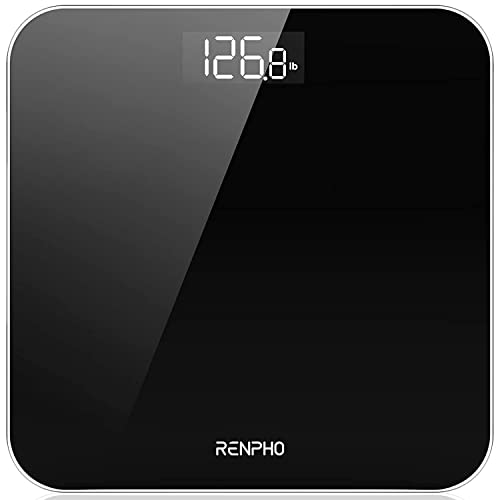
For tracking body weight: The RENPHO Core 1S Digital Bathroom Scale provides simple weight readings for checking weekly trends. It does not measure body fat or replace a medical assessment.
- Always Accurate: The mechanical bathroom scale instantly delivers precise weight readings with a capacity of 400lb (180kg) in 0.1lb (0.05kg) increments, enabling you to accurately track even small changes in your weight.
- Auto Calibration: Simply step onto the body weight scale with one foot to activate its auto-calibration function that resets the display to zero before each measurement. This ensures reliable and consistent accuracy with every weigh-in.
What Is Intermittent Fasting?
Intermittent fasting is an eating pattern that focuses on when you eat rather than following a strict list of allowed foods. You alternate between periods of eating and periods without calories.
Skipping breakfast can create a longer overnight fast. For example, finishing dinner at 8 p.m. and eating lunch at noon the next day creates a 16-hour fasting period.
There are several common approaches:
- 12/12: Fast for 12 hours and eat within 12 hours. This is a gentle starting point.
- 14/10: Fast for 14 hours and eat within a 10-hour window.
- 16/8: Fast for 16 hours and eat within eight hours.
- 5:2: Eat normally on five days and substantially reduce calories on two days each week.
- Alternate-day fasting: Alternate regular eating days with days of little or no calorie intake.
For beginners, a moderate daily schedule is usually easier to manage than repeated full-day fasts. Longer or more restrictive approaches also require greater attention to safety and nutrition.

What Can You Drink While Fasting?
During a standard calorie-free fasting window, you can generally have:
- Plain water or unsweetened sparkling water.
- Black coffee without milk, cream, or sugar.
- Plain, unsweetened tea.
Juice, milk, sugary coffee, and other calorie-containing drinks end a calorie-free fast. You do not need special detox drinks, fasting powders, or supplements to follow this approach.
What Happens Inside Your Body When You Fast?
Your body uses energy from food and stored fuel throughout the day. As time passes after a meal, insulin levels generally fall, and your body relies more on stored energy.
Metabolic Switching: From Glucose to Fat
Glucose is an important fuel source, and your liver stores some of it as glycogen. As fasting continues, your body uses more stored fat, while the liver may produce ketones that some tissues can use for energy.
This gradual shift is called metabolic switching. It does not begin at one exact hour for everyone. Recent meals, physical activity, and individual metabolism affect the process.
Does Fasting Trigger Autophagy?
Autophagy is a natural process that helps cells break down and recycle damaged parts. Researchers study how fasting affects this process and related signals, including AMPK, mTOR, and FOXO.
Animal and laboratory research suggests that fasting can influence these pathways. However, scientists have not established that a specific fasting schedule, such as 16/8, produces meaningful autophagy-related health benefits in humans.
The National Institute on Aging explains that promising fasting research still leaves important questions about long-term human health outcomes.
A 21-Day Intermittent Fasting Timeline: What You Might Notice
Three weeks can be enough to learn whether a new meal schedule fits your routine. It is not enough to guarantee major weight loss, lasting metabolic improvements, or a particular physical transformation.
Here is a realistic week-by-week guide to possible experiences, rather than a record of measured personal results.
Week 1: Hunger and Routine Changes
The first several days may be the most noticeable. If you normally eat breakfast, delaying your first meal can feel uncomfortable.
Possible experiences include:
- Hunger at your usual breakfast time.
- Headaches or irritability.
- Temporary difficulty concentrating.
- Feeling unusually hungry when your eating window opens.
Drink enough water and continue eating balanced meals. If symptoms are persistent, severe, or interfere with daily activities, do not force yourself to continue.
Week 2: Learning What Works
Some people find that hunger becomes easier to manage once their routine feels familiar. Others continue to struggle, especially when fasting conflicts with exercise, work, or sleep.
During the second week, pay attention to:
- Whether your energy remains steady throughout the day.
- Which meals keep you comfortably full.
- Whether you experience strong cravings or overeating.
- How meal timing affects workouts and sleep.
If delaying breakfast repeatedly makes you feel worse, an earlier or wider eating window may work better.
Week 3: Checking Your Progress
By the third week, the main question is whether your eating pattern feels healthy and sustainable.
You might notice easier meal planning, changes in appetite, or small weight fluctuations. You might also notice no meaningful difference.
Look for trends rather than expecting dramatic results after exactly 21 days.
| Week | Possible Experience | Main Priority |
|---|---|---|
| Week 1 | More hunger or lower energy | Hydration and tolerable meal timing |
| Week 2 | Greater familiarity with the schedule | Balanced meals and adequate nutrition |
| Week 3 | Possible changes in appetite or weight | Review progress and sustainability |
What Does Research Say About Intermittent Fasting Results?
Research suggests that intermittent fasting can help some adults lose weight and improve certain metabolic markers. However, it is not consistently better than other balanced approaches that reduce calorie intake.
In a 12-month randomized trial published in the New England Journal of Medicine, adults with obesity who combined calorie restriction with an eight-hour eating window lost an average of 8.0 kg. Those following calorie restriction without a time limit lost 6.3 kg. The difference between groups was not statistically significant.
A separate NIH-reviewed study involving adults with type 2 diabetes found that time-restricted eating could be a useful alternative to traditional calorie counting under appropriate medical supervision.
The main lesson: fasting may be a helpful way to organize meals, but it is not a shortcut that makes food quality, calorie intake, or exercise irrelevant.
Choosing the Best Eating Window for Your Lifestyle
You do not have to skip breakfast to practice time-restricted eating. Some people prefer eating earlier in the day and finishing dinner sooner.
For example, both noon–8 p.m. and 9 a.m.–5 p.m. provide eight-hour eating windows. Research is still examining which timing offers the greatest benefits, and no single schedule fits everyone.

Consider these practical factors when choosing your hours:
- Work: Choose times that allow you to eat without rushing.
- Exercise: Plan enough food around training to support performance and recovery.
- Family meals: Avoid a schedule that regularly prevents shared meals.
- Sleep: Consider finishing meals a few hours before bedtime if comfortable.
- Night shifts: Irregular sleep schedules may make strict fasting harder to manage.
A wider eating window that supports your health is better than a strict schedule that leaves you exhausted or underfed.
What Should You Eat During Intermittent Fasting?
Skipping breakfast does not mean ignoring nutrition. A shorter eating window can make it harder to get enough protein, fiber, and other nutrients if meals are poorly planned.
A Mediterranean-style eating pattern offers a useful foundation:
- Protein: Fish, poultry, eggs, Greek yogurt, tofu, beans, and lentils.
- Fiber-rich carbohydrates: Oats, whole grains, vegetables, legumes, and fruit.
- Healthy fats: Olive oil, nuts, seeds, and avocado.
- Calcium-rich foods: Yogurt, fortified alternatives, and other suitable sources.
- Fluids: Water throughout the day, including during fasting hours.
Example Meals for a Noon–8 p.m. Eating Window
A simple day might include:
- 12 p.m. lunch: Grilled chicken or chickpeas, quinoa, vegetables, and olive oil dressing.
- 3:30 p.m. snack: Plain Greek yogurt with berries and nuts.
- 7 p.m. dinner: Salmon or tofu, roasted vegetables, and brown rice.
Adjust portions to your energy needs rather than copying another person’s meal sizes. Active adults, older adults, and people losing weight may need individualized protein guidance.
Preparing meals ahead of time can also reduce the temptation to grab whatever is available when you become hungry.
Weight Loss vs. Fat Loss: Why Muscle Matters
When people lose weight, they may lose some muscle along with body fat. That is why a lower number on the scale does not tell the whole story.
To support muscle during weight loss:
- Include protein in each main meal.
- Perform resistance training about two or three times weekly when appropriate.
- Avoid extreme calorie deficits.
- Allow adequate time for sleep and recovery.
- Watch for persistent weakness or declining workout performance.
Strength training can involve weights, resistance bands, or bodyweight exercises. You do not need an expensive home gym.
Bone health matters too. Adequate nutrition, calcium, vitamin D, and weight-bearing activity help support healthy bones.
How Fasting May Affect Blood Sugar and Heart Health
Some studies show improvements in blood sugar control, body weight, and other heart-health markers with time-restricted eating. The results are mixed, and the changes may be modest.
Blood Sugar and Insulin
A 2024 randomized trial involving 108 adults with metabolic syndrome found that an eight-to-ten-hour eating window modestly improved HbA1c, a measure of average blood sugar over several months.
However, this does not mean skipping breakfast will improve everyone’s glucose levels. People with diabetes may also experience dangerously low or high blood sugar when meals or medications are changed.
Do not adjust insulin or diabetes medications on your own to accommodate fasting. A clinician should review the schedule, medications, and monitoring plan first.
Blood Pressure and Cholesterol
Some fasting studies report improvements in blood pressure, triglycerides, or cholesterol. Others find little additional benefit compared with conventional calorie restriction.
Changes in body weight, food quality, activity, and sleep may help explain some of these results.
For heart health, continue focusing on vegetables, fiber-rich foods, regular physical activity, adequate sleep, and appropriate medical treatment rather than relying on meal timing alone.
Who Should Avoid Intermittent Fasting?
Intermittent fasting is not appropriate for everyone, even when the fasting period seems relatively short.
People who should avoid unsupervised fasting or seek individualized medical guidance include:
- Pregnant or breastfeeding people: Nutritional needs are higher, and restrictive schedules may interfere with adequate intake.
- Children and teenagers: Regular nutrition supports growth and development.
- People with current or previous eating disorders: Restrictive eating patterns may worsen unhealthy behaviors.
- People with type 1 or type 2 diabetes: Blood sugar and medication safety require special attention.
- People taking medications affected by meals: Food timing may influence medication safety or effectiveness.
- Frail older adults or people at risk of malnutrition: Smaller eating windows may make adequate nutrition harder.
The National Institute of Diabetes and Digestive and Kidney Diseases highlights hypoglycemia, hyperglycemia, and dehydration as important fasting-related concerns for people with diabetes.
Possible Side Effects and Warning Signs
Hunger, headaches, tiredness, constipation, and irritability can occur when changing meal timing. These symptoms do not prove that fasting is working.
Persistent dizziness, repeated weakness, fainting, or worsening health symptoms are reasons to stop fasting and seek medical advice. Confusion, fainting, or suspected severe low blood sugar requires urgent attention.
Intermittent Fasting and Women’s Health
Hormonal changes throughout the menstrual cycle can affect hunger, energy, and food needs. A fasting schedule that feels comfortable at one time may be harder to follow at another.
Some people may experience menstrual changes when food intake becomes too restrictive. However, research has not established that moderate intermittent fasting routinely disrupts hormones in all women.

If you notice missed or irregular periods, unusual fatigue, worsening exercise recovery, or other concerning changes, reassess your food intake and discuss the symptoms with a clinician.
A less restrictive 12-hour overnight fast may be more practical for some people. There is no need to force a 16-hour fast at the expense of adequate nutrition or well-being.
How to Start a 21-Day Intermittent Fasting Trial Safely
For generally healthy adults who can safely try time-restricted eating, a gradual approach allows more room to adjust than jumping immediately into a strict 16/8 schedule.

A Simple Three-Week Starting Plan
- Days 1–7: Begin with a comfortable 12-hour overnight fast, such as 7 p.m. to 7 a.m. Focus on regular meals and hydration.
- Days 8–14: If you feel well, consider a 13–14-hour overnight fast. Keep your meals balanced and watch your energy levels.
- Days 15–21: Continue with the schedule that feels sustainable. A longer fast is optional, not a requirement for success.
Do not increase fasting hours if you are experiencing significant hunger, fatigue, poor sleep, or difficulty eating enough. A trial should help you evaluate an eating pattern, not test how much discomfort you can tolerate.
How to Track Results Beyond the Scale
Daily weight can change because of water, digestion, and other normal factors. That makes a single weigh-in a poor measure of progress.
For a useful three-week comparison, choose a few measures that match your goals:
- Body weight: Check under similar conditions, such as in the morning, and compare trends.
- Waist circumference: Measure at the same location using the same method.
- Energy: Rate how alert or tired you feel during the day.
- Hunger and mood: Record whether the schedule feels comfortable or stressful.
- Exercise performance: Notice changes in strength, endurance, and recovery.
- Sleep: Track whether you fall asleep easily and wake feeling rested.
Using a Digital Scale for Consistent Tracking
If weight management is one of your goals, a digital bathroom scale can make repeated measurements convenient. You do not need a device with dozens of body-composition estimates to see whether your weight is changing.
The RENPHO Core 1S Digital Bathroom Scale is one option for straightforward home weigh-ins. It has an LED display, a 400-pound capacity, and a compact platform. Its main role is tracking body weight, not measuring fat loss or muscle gain.
A basic scale you already own works too. For more useful comparisons, use a firm, level surface and measure under similar conditions. Pair weight readings with waist measurements and notes about how you feel.
- Always Accurate: The mechanical bathroom scale instantly delivers precise weight readings with a capacity of 400lb (180kg) in 0.1lb (0.05kg) increments, enabling you to accurately track even small changes in your weight.
- Auto Calibration: Simply step onto the body weight scale with one foot to activate its auto-calibration function that resets the display to zero before each measurement. This ensures reliable and consistent accuracy with every weigh-in.
- Easy-to-Read: Clearly shows weight measurements in bold and well-defined numbers, allowing you to quickly and easily check your weight at a glance, even in low-light environments.
- Core Essentials: Get your body weight readings instantly the moment you step on this weighing machine. The round corners, 5mm tempered glass, and well-balanced build prioritizes safetymaking it ideal for all people especially those who are elderly or pregnant. Its smooth surface allows for easy cleaning and maintenance. The auto-on/off feature enhances convenience. Low battery and overloaded indications offer added peace of mind during use.
If you have diabetes or another condition requiring medical monitoring, follow your clinician’s instructions for glucose checks, blood pressure readings, or laboratory testing. A bathroom scale cannot show whether those conditions are improving.
Making Intermittent Fasting Sustainable
The best eating schedule is one that supports your everyday life without making nutrition, exercise, or relationships harder.
Keep these habits in mind:
- Allow flexibility: A family meal or special occasion does not erase your progress.
- Protect sleep: Avoid caffeine late in the day and keep a consistent bedtime.
- Plan meals: Have nutritious options ready so hunger does not dictate every food choice.
- Continue exercising: Combine strength training with walking or other aerobic activity.
- Reassess regularly: If fasting makes you feel worse, use a wider eating window or return to regular meals.
Remember that you can also improve your health without intermittent fasting. Eating balanced meals, reducing unnecessary snacking, and staying physically active are worthwhile habits on their own.
Conclusion: Is Skipping Breakfast for 21 Days Worth Trying?
Skipping breakfast for 21 days may help some people simplify their meals, reduce snacking, or manage calorie intake. Others may experience persistent hunger, lower energy, or no clear benefit.
Research supports intermittent fasting as one possible approach to weight management, but it is not consistently better than other healthy eating patterns.
If fasting is appropriate for your health, start with a manageable overnight window, eat nutritious meals, and track how you feel. After three weeks, decide whether the schedule is helping your daily life rather than judging success by fasting hours alone.
Frequently Asked Questions
Will skipping breakfast for 21 days help me lose belly fat?
It may help with overall fat loss if you consume fewer calories over time, but you cannot choose where your body loses fat. Three weeks may be too short to see meaningful changes in waist size.
Is it better to skip breakfast or dinner for intermittent fasting?
Both can create a fasting window. Earlier eating may offer advantages for some people, but study results vary. Choose a schedule that supports your nutritional needs, sleep, activity, and health.
Does black coffee break an intermittent fast?
Plain black coffee contains very few calories and is generally accepted during a calorie-free fasting window. Adding sugar, milk, or cream introduces calories. People sensitive to caffeine may prefer water or unsweetened tea.
Do I need electrolytes during a 16-hour fast?
Most healthy adults following an ordinary overnight fast can meet their hydration needs with water and their mineral needs through regular meals. Electrolyte supplements are not routinely necessary and may be unsuitable for some medical conditions.
Can I exercise while intermittent fasting?
Many healthy adults can exercise during an overnight fast, but performance and comfort vary. Higher-intensity workouts may feel better when scheduled near meals. Stop exercising if you become dizzy, weak, or unwell.
How long should I continue intermittent fasting to see results?
Three weeks can help you judge how the routine affects hunger, energy, and daily life. Weight and metabolic changes may require longer to assess. There is no guaranteed adaptation period or minimum fasting duration that works for everyone.
What if intermittent fasting makes me overeat later?
If delaying meals causes repeated overeating, intense cravings, or feelings of losing control around food, a less restrictive eating schedule may be more suitable. Persistent binge-eating symptoms deserve support from a qualified healthcare professional.