

Can a cold shower help you feel more focused, burn extra calories, or recover faster after exercise? The idea sounds appealing: turn down the water temperature, spend a minute feeling uncomfortable, and get a health boost.
Cold showers can make you feel more alert, but evidence that they improve concentration, cause meaningful fat loss, or strengthen immunity is limited. Most research on cold-water benefits comes from ice baths and full-body immersion, which affect the body differently from a quick shower.
You don’t need expensive equipment or extreme temperatures to experiment with a cooler shower. What matters is understanding the possible benefits, starting gradually, and knowing when cold exposure may be unsafe. Here’s what the research actually shows and how to approach the practice sensibly.
Key Takeaways
- Focus and alertness: Cold water triggers a short-term stress response that can make you feel awake, but lasting improvements in concentration are unproven.
- Fat loss: Cold exposure can increase energy use, but brief showers have not been shown to produce meaningful weight loss.
- Immune health: One large trial found 29% fewer sickness-related work absences, but participants did not report significantly fewer illness days.
- Workout recovery: Cold-water immersion may reduce muscle soreness, although evidence for short showers is weaker.
- Safe starting point: Begin with 15–30 seconds of comfortably cool water rather than forcing yourself into extreme cold.
- Important risks: People with cardiovascular disease, uncontrolled high blood pressure, or certain cold-sensitive conditions should seek medical guidance before trying cold exposure.
What Are Cold Showers, and How Do They Affect Your Body?
A cold shower involves deliberately exposing your body to water cooler than your usual bathing temperature. Some people finish a warm shower with a short cold rinse, while others use cool water throughout.
Cold showers are often grouped with ice baths, cold plunges, and cryotherapy. However, these methods aren’t interchangeable. An ice bath surrounds much more of your body with cold water, while cryotherapy typically uses extremely cold air or specialized cooling equipment.
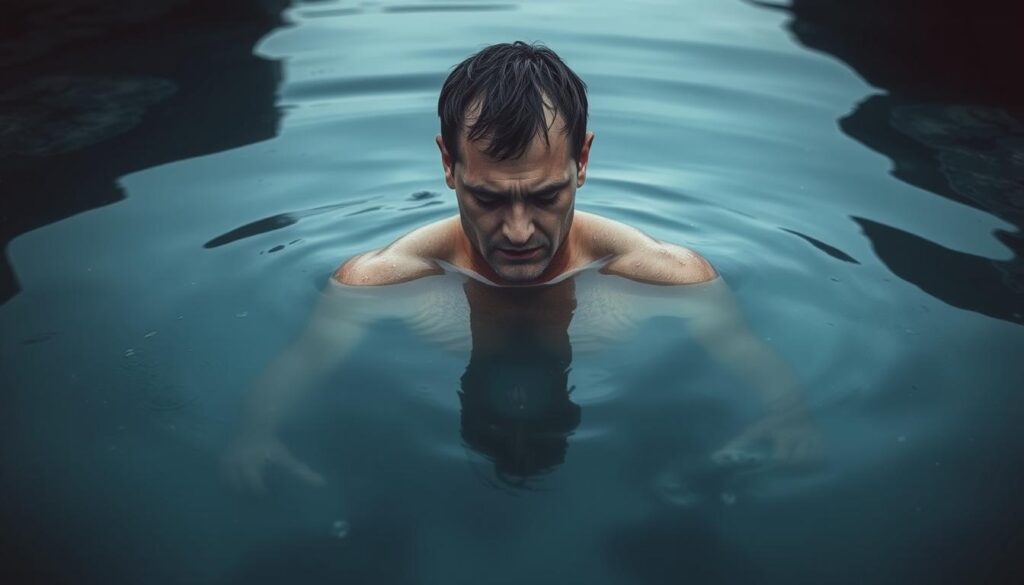
This difference matters when interpreting research. A study involving 10 minutes of cold-water immersion cannot automatically tell us what happens during a 30-second shower.
The Cold Shock Response Explained
When cold water touches your skin, temperature-sensitive nerves send signals to your brain. Your nervous system responds quickly to help protect your body from losing too much heat.
Several changes can happen:
- Faster breathing: Sudden cold can trigger an involuntary gasp followed by rapid breathing.
- Increased heart rate: Your cardiovascular system responds to the stress of the temperature change.
- Blood vessel narrowing: Blood vessels near the skin constrict, a process called vasoconstriction, to help reduce heat loss.
- Greater alertness: Stress-related nervous system activity can temporarily make you feel more awake.
- Heat production: Your body may increase energy use to maintain its normal temperature.
As you warm up afterward, blood vessels near the skin can widen again. However, this temporary change doesn’t prove that cold showers improve circulation or cardiovascular health over time.
Cold Shower Benefits: What Does Research Actually Show?
Cold exposure has attracted considerable scientific interest, but the quality of evidence varies by benefit. A 2025 systematic review published in PLOS ONE examined 11 randomized studies involving 3,177 participants. Only one study used showers; the others mainly involved cold-water immersion.
That distinction helps explain why some popular cold shower claims sound more certain than the research supports.
1. Focus, Energy, and Mental Alertness
Have you noticed how splashing cold water on your face can make you feel awake? A cold shower produces a stronger version of that sudden sensory experience.
The body’s stress response can increase nervous system activity associated with alertness. That may help explain why some people feel energized after a brief cold rinse.
However, feeling more awake isn’t the same as demonstrating better memory, concentration, or work performance. High-quality studies have not established that daily cold showers improve these abilities over the long term.
A 2026 systematic review of psychological outcomes also found that evidence for consistent improvements in mood, stress, and mental well-being remains uncertain.
Practical takeaway: A brief cool shower may work as a refreshing morning ritual, but it shouldn’t replace adequate sleep or other habits that support attention.
2. Metabolism, Brown Fat, and Weight Loss
Cold exposure forces the body to maintain its temperature. This requires energy, which is why researchers are interested in cold exposure and metabolism.
One important part of this process involves brown adipose tissue, commonly called brown fat. Unlike ordinary white fat, which mainly stores energy, brown fat can burn fuel to produce heat.
Research suggests that sustained cold exposure can activate brown fat and sometimes increase calorie use. However, there’s an important limitation: a brief cold shower has not been shown to burn enough extra calories to produce meaningful fat loss.
A 2024 review of brown fat and cold exposure found some changes in how the body uses circulating fats, but no significant overall differences in fasting glucose, insulin, or triglyceride levels in the studies analyzed.
If weight management is your goal, prioritize habits with stronger evidence:
- Build balanced meals around vegetables, protein, fiber, and suitable portions.
- Combine regular walking or cardiovascular activity with strength training.
- Maintain consistent sleep and recovery habits.
- Use cold showers only as an optional routine you enjoy, not a fat-burning strategy.
You don’t need to tolerate uncomfortable cold water to lose body fat.
3. Immunity and the Famous 29% Sick-Day Finding
One of the most frequently repeated cold shower benefits comes from a large Dutch randomized trial published in 2016.
The study involved 3,018 adults who were assigned to finish their normal showers with 30, 60, or 90 seconds of cold water, or to continue their usual showers. The assigned routines lasted 30 consecutive days, followed by another 60 days of observation.
Researchers found:
- 29% fewer self-reported sickness-related work absences in the cold shower groups compared with controls.
- No statistically significant reduction in the overall number of illness days.
- No clear additional benefit from 60 or 90 seconds compared with 30 seconds.
These findings are interesting, but they don’t establish that cold showers prevent infections or strengthen immunity. People may have attended work despite feeling ill, and the study relied partly on self-reported information.
Cold exposure should not replace established infection-prevention habits such as vaccination, handwashing, sufficient sleep, and good nutrition.
4. Muscle Soreness and Exercise Recovery
Cold-water immersion has more promising evidence for short-term workout recovery than ordinary cold showers do.
A Cochrane review found some evidence that cold-water immersion reduces muscle soreness during the days following exercise. However, the included studies were relatively small, and the best temperature and duration remained uncertain.
There is also an important trade-off for people trying to build muscle. A 2024 systematic review suggested that repeated cold-water immersion immediately after resistance training may reduce some muscle-growth adaptations.
These findings involved immersion, not ordinary brief showers. We cannot assume a short cool rinse produces the same recovery benefits or training drawbacks.
Practical takeaway: After exercise, prioritize hydration, food, sleep, and appropriate rest. Treat cold exposure as optional rather than an essential recovery step.
5. Skin Health and the Effects of Cooler Water
Some people notice that cooler water leaves their skin feeling less flushed or irritated than very hot water.
However, popular claims about cold water permanently tightening pores, removing excess oil, or creating glowing skin aren’t well established. Pores don’t literally open and close like doors.

For dry or sensitive skin, avoiding very hot water may be more helpful than switching to extreme cold. The American Academy of Dermatology recommends warm rather than hot showers and applying moisturizer after washing.
Cooler rinses can be refreshing, but gentle cleansing and moisturizing remain more dependable skin-care habits.
How to Start Taking Cold Showers Safely
You don’t need to jump straight into freezing water. For someone without relevant health risks, a gradual approach is more sensible than trying to copy an extreme cold-plunge challenge.
A Simple Beginner Routine
- Begin with your usual warm shower. Wash normally and make sure you feel comfortable and steady on your feet.
- Gradually lower the temperature. Choose cool water that feels noticeable but doesn’t cause uncontrollable gasping or distress.
- Try a brief finish. Start with approximately 15–30 seconds if comfortable. This is a cautious starting suggestion, not a scientifically proven minimum dose.
- Keep breathing normally. Avoid breath-holding, deliberate hyperventilation, or forcing yourself to remain under water while struggling to breathe.
- Finish and warm up comfortably. Turn off the water, dry yourself, dress appropriately, and notice how you feel.
If the experience remains comfortable over several sessions, you can gradually extend it toward 30–90 seconds. There’s no established requirement to reach two or three minutes, and longer isn’t automatically better.
How Cold Should the Water Be?
Some cold-exposure studies use water at or below 59°F (15°C), but that doesn’t mean your shower must reach this temperature to be worthwhile.
Researchers have not established one ideal shower temperature for improving focus, health, or fat loss. Starting with comfortably cool water is a more practical approach than chasing a specific number.
Never use the coldest setting simply to prove your tolerance.
Beginner, Regular, and Contrast Shower Options
| Routine | Suggested approach | Main purpose |
|---|---|---|
| Beginner cool finish | 15–30 seconds after a warm shower | Explore comfort and tolerance |
| Regular cool finish | 30–90 seconds if well tolerated | Refreshing routine and short-term alertness |
| Contrast shower | Alternate comfortably warm and cool water in brief rounds | Personal preference or post-workout comfort |
These are practical options, not proven treatment protocols. You can stop sooner or skip cold exposure entirely without losing an essential health benefit.
Are Contrast Showers Better?
Contrast showers alternate warm and cool water. For example, someone might use two minutes of comfortably warm water followed by 30 seconds of cool water, repeating once or twice if tolerated.
The temperature changes affect surface blood vessels, but that doesn’t establish better long-term circulation or faster recovery. Research on contrast-water therapy mostly involves immersion rather than showers, so benefits remain uncertain.
Avoid extremely hot water, especially if temperature changes make you lightheaded.
Morning or Evening: Which Is Better?
Morning may be a convenient choice if you enjoy the temporary feeling of alertness. A cool shower can also fit into an ordinary post-workout or evening routine.
There’s no strong evidence that one time of day produces superior health benefits. If cold water leaves you feeling energized close to bedtime, move the routine earlier or skip it.
Safety Risks: Who Should Avoid Cold Showers?
Cold exposure isn’t risk-free. Sudden cooling can increase breathing rate, blood pressure, and strain on the cardiovascular system, especially when the water is very cold.
The American Heart Association highlights important risks from sudden cold-water immersion. A brief cool shower generally involves less extensive exposure, but vulnerable people can still experience problems.
Medical Conditions That Require Extra Caution
Seek medical guidance before intentional cold exposure if you have:
- Heart disease or previous cardiovascular events: Cold shock may place additional demands on the heart.
- Uncontrolled high blood pressure: Sudden cold can produce a rapid blood pressure increase.
- Heart rhythm disorders: An abrupt stress response may be dangerous for susceptible individuals.
- Raynaud’s phenomenon: Cold can trigger painful blood vessel spasms in fingers and toes.
- Cold urticaria: Cold contact may produce hives or, in severe cases, a dangerous allergic reaction.
- Conditions causing fainting, seizures, or impaired temperature sensation: These can make cold exposure or standing in a wet shower less safe.
If you have a known serious reaction to cold, avoid deliberate exposure unless a qualified clinician advises otherwise.
Warning Signs: When to Stop Immediately
End the shower promptly if you experience:
- Chest pain, pressure, or unusual palpitations.
- Severe breathlessness or breathing you cannot control.
- Dizziness, confusion, or feeling close to fainting.
- Significant numbness, weakness, or loss of coordination.
- Widespread hives, swelling, or symptoms of an allergic reaction.
For severe chest symptoms, breathing difficulty, fainting, or signs of a serious allergic reaction, seek emergency medical assistance. Don’t attempt another cold session to see whether the symptoms return.
Also consider the bathroom itself: keep the floor clear, use a stable non-slip surface, and avoid rapidly turning or moving when cold water makes you tense.
How Often Should You Take Cold Showers?
There isn’t an established frequency required to gain health benefits. The large Dutch study used daily cold finishes for its initial 30-day intervention, but that doesn’t make daily showering necessary for everyone.
If you’re comfortable with the practice, occasional brief sessions may be enough for a refreshing routine. More frequent or longer exposure has not been proven to deliver proportionally greater results.
Rather than focusing only on seconds or temperature, observe outcomes that actually matter:
- How alert or comfortable you feel afterward.
- Whether the routine affects your sleep.
- Whether it creates stress or discomfort.
- Whether you can maintain it without forcing yourself.
- Whether your exercise recovery and other healthy habits remain consistent.
A simple note on your phone can help you identify personal preferences. Avoid interpreting temporary changes in mood or soreness as proof of a lasting medical benefit.
Frequently Asked Questions
Are cold showers the same as cryotherapy?
No. Cold showers use flowing water, ice baths involve partial or full immersion, and cryotherapy typically relies on specialized cold-air or localized cooling systems. Their temperatures, exposure levels, and research findings differ.
Do you need to finish every shower with cold water?
No. There is no established medical requirement to finish showers cold. If you dislike the experience or have health concerns, you can continue using comfortably warm water.
Can cold showers help you sleep better?
Some cold-water immersion studies suggest possible sleep benefits, but evidence specifically for cold showers is limited. If a cold rinse feels stimulating near bedtime, try it earlier in the day or skip it.
Will cold showers help you lose belly fat?
There is no convincing evidence that cold showers specifically reduce belly fat. Even though cold exposure can affect energy use, it cannot target fat in one body area or replace an effective weight-management plan.
Should you take a cold shower immediately after lifting weights?
A brief cool rinse isn’t known to have the same effects as prolonged cold-water immersion. However, research suggests frequent immersion immediately after strength training may interfere with muscle growth. If maximizing muscle gains is your priority, don’t rely on intensive cold immersion as your default post-lifting recovery method.
Conclusion: Are Cold Showers Worth Trying?
Cold showers can be a simple, inexpensive way to feel refreshed and temporarily more alert. However, the strongest claims about fat loss, stronger immunity, improved concentration, and long-term circulation benefits go beyond what research has established.
If you’re healthy and enjoy cooler water, a brief, gradual finish may be a reasonable personal routine. There’s no need to push through intense discomfort, follow extreme protocols, or buy specialized equipment.
The most useful approach is to treat cold showers as optional—not as a shortcut to better health. Sleep, regular exercise, balanced nutrition, and appropriate medical care remain much more important than the temperature of your morning shower.