

Ever felt your heart race, shoulders tighten, or thoughts spiral after a stressful moment? Your body has a built-in stress response that helps protect you from danger. But sometimes, that alarm keeps ringing even when you’re safe.
A vagus nerve reset may help you feel calmer in just a few minutes. Slow breathing, gentle humming, and mindful movement can encourage your body’s natural relaxation response. You don’t need expensive equipment or a complicated routine to get started.
However, the term “reset” is a little misleading. You cannot literally restart your vagus nerve like a computer. These practices help regulate your nervous system, and their effects vary from person to person.
This guide explains how the vagus nerve works, which calming techniques have scientific support, how to practice them safely, and when medical treatment may be necessary.
Key Takeaways
- Start with slow breathing: Inhaling gently for 4 seconds and exhaling for 6 seconds is a practical first step when stress rises.
- Quick relief is possible: Some people notice calmer breathing and less tension within minutes, but results aren’t guaranteed.
- Other options can help: Humming, gentle movement, and relaxation exercises may reduce stress without special equipment.
- Cold exposure isn’t necessary: Cold water affects heart-rate reflexes but can also stress the cardiovascular system.
- Daily habits matter: Good sleep, exercise, balanced nutrition, and social connection support long-term well-being.
What Is the Vagus Nerve, and Why Does It Matter?
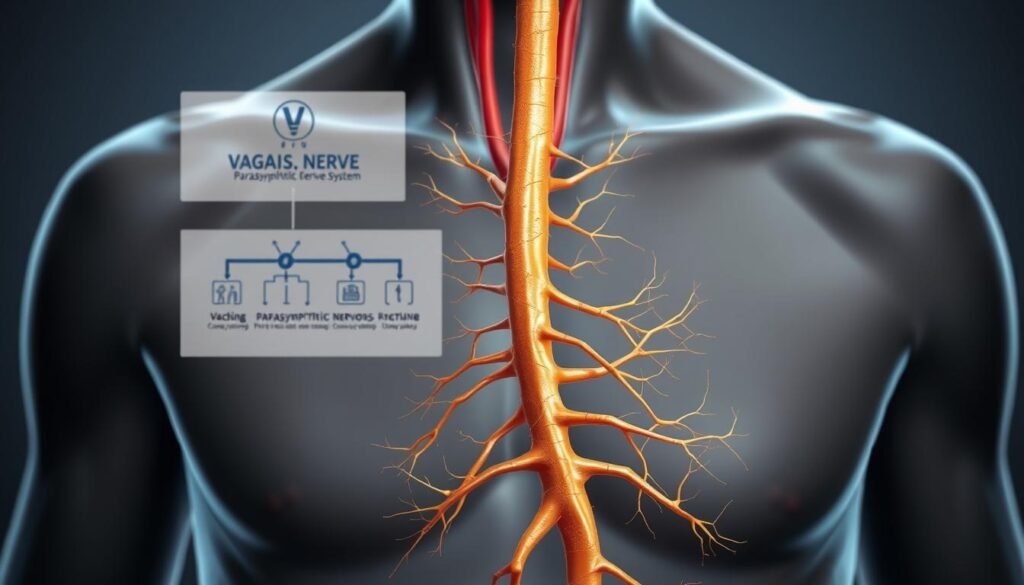
The vagus nerve is the tenth cranial nerve and one of the body’s main communication pathways. It begins in the brainstem and travels through the neck, chest, and abdomen.
It helps regulate several automatic functions, including:
- Heart rate: Helps control how quickly your heart beats.
- Digestion: Carries signals between your brain and digestive organs.
- Breathing: Participates in reflexes involving your airways and lungs.
- Swallowing and speaking: Helps control muscles involved in these activities.
- Brain-body communication: Carries information that influences stress responses and other bodily functions.
Fight-or-flight vs. rest-and-digest
Your autonomic nervous system controls many functions without conscious effort. It includes two important branches:
- Sympathetic nervous system: Prepares you for challenges by increasing alertness and often raising your heart rate.
- Parasympathetic nervous system: Supports digestion, recovery, and resting functions, including slowing the heart when appropriate.
The vagus nerve is a major part of the parasympathetic system. Both branches are necessary. The goal isn’t to eliminate your fight-or-flight response, but to help your body move between activity and recovery when appropriate.
You may also hear about vagal tone, a term describing aspects of vagus nerve activity and control. Poor sleep, anxiety, bloating, or fatigue alone cannot tell you whether your vagal tone is low. These symptoms have many possible causes.
The 90-Second Vagus Nerve Reset: Start Here
If you’re feeling overwhelmed, gentle breathing is a reasonable first technique to try. It works at your desk, before a meeting, or while sitting comfortably at home.
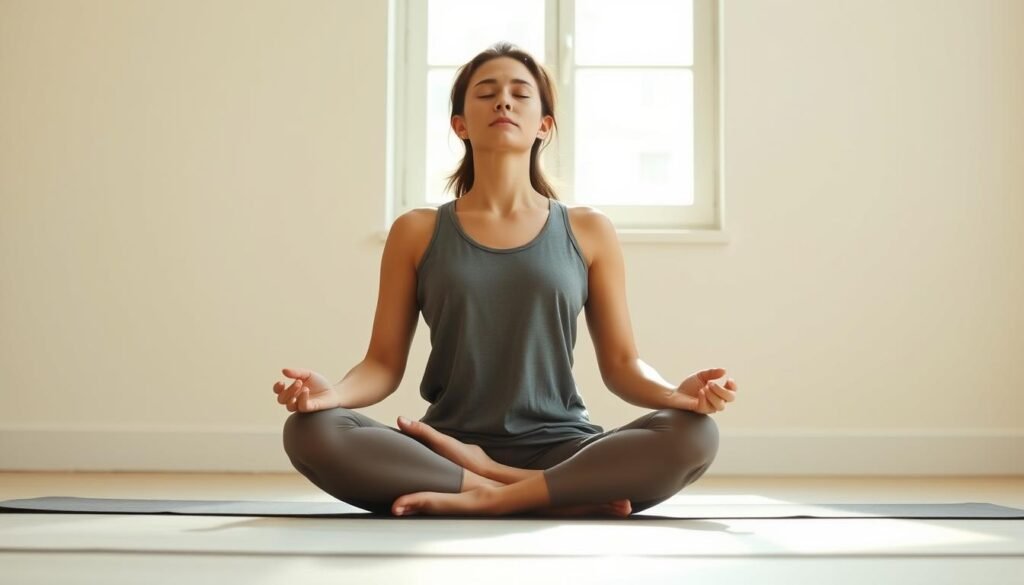
- Get comfortable. Sit with your feet supported and relax your shoulders.
- Inhale gently for 4 seconds. Breathe through your nose and let your abdomen expand naturally.
- Exhale slowly for 6 seconds. Let the air leave without pushing or straining.
- Repeat for 9 cycles. At 10 seconds per cycle, this takes about 90 seconds.
- Check how you feel. Notice your breathing, shoulder tension, and whether your thoughts feel less rushed.
If that rhythm feels uncomfortable, try breathing in for 3 seconds and out for 4 seconds instead. The best pace is one you can maintain easily without air hunger or dizziness.
Why try this? Your heart rate normally changes slightly as you breathe in and out. Slow breathing can influence this pattern and support the relaxation response.
A systematic review and meta-analysis of slow breathing found improvements in certain measures of heart rate variability associated with parasympathetic activity. However, this doesn’t mean everyone will feel calm within 90 seconds.
Other Breathing Techniques That May Help
The 4-in, 6-out method isn’t your only option. Different breathing patterns may suit different situations.
1. Box breathing for stressful moments
Box breathing follows four equal stages:



- Inhale for 4 seconds.
- Hold gently for 4 seconds.
- Exhale for 4 seconds.
- Pause for 4 seconds before repeating.
Try three or four rounds before a stressful conversation. If holding your breath feels unpleasant, skip the holds and continue breathing slowly.
2. The 4-7-8 technique for winding down
Inhale for 4 seconds, hold for 7 seconds, and exhale for 8 seconds. Start with a few comfortable cycles rather than forcing the timing.
Some people find this pattern relaxing before bed. However, strong evidence that it treats insomnia or works better than other gentle breathing methods is limited.
3. Exhale-focused breathing for everyday stress
Another option is to make your exhale slightly longer than your inhale. This can be especially useful when breath-holding feels uncomfortable.
In a 2023 randomized study published in Cell Reports Medicine, five minutes of daily breathwork improved mood measures. An exhale-focused method called cyclic sighing showed particularly promising results.
That study supports breathwork as a stress-management tool, not a guaranteed instant cure for anxiety.
Can Humming, Laughter, and Gentle Movement Stimulate the Vagus Nerve?
Breathing isn’t the only way to encourage relaxation. Sound and movement can also change how your body feels, although their direct effects on vagus nerve activity are less certain.
Humming and gentle chanting
Try this simple exercise:
- Sit comfortably and take a gentle breath through your nose.
- Hum softly as you breathe out.
- Notice the vibrations around your lips, face, and throat.
- Repeat for 1–2 minutes without straining your voice.
Humming naturally lengthens the exhale and may feel soothing. But claims that throat vibrations directly strengthen or reset the vagus nerve are not well established by clinical research.
Watching something funny, talking with a friend, or sharing a genuine laugh may reduce feelings of stress. These activities can also change breathing patterns and help redirect attention away from worrying thoughts.
You don’t need to force laughter. Choose something enjoyable that helps you feel comfortable.
Yoga, Tai Chi, and mindful movement
Gentle movement combines physical activity with attention and breathing. Try a short routine:
- Roll your shoulders slowly for 30 seconds.
- Perform gentle seated stretches for 1–2 minutes.
- Practice comfortable yoga movements or Tai Chi for 5 minutes.
- Finish with a minute of relaxed breathing.
A sturdy chair and clear floor space are enough for many of these movements. If you prefer floor-based yoga, a non-slip exercise mat can make kneeling or seated positions more comfortable, but it is optional.
The National Institutes of Health reports that yoga, Tai Chi, and relaxation techniques may help manage stress symptoms, although research quality and results vary.
Cold Water and the Vagus Nerve: Benefits and Important Risks
You’ve probably seen recommendations to splash cold water on your face or finish a shower with freezing water to activate your vagus nerve.
There is real physiology behind part of this idea, but cold exposure is not automatically calming or safe.
How the diving reflex works
Cold water contacting the face can trigger a response involving the trigeminal nerve and vagus nerve. This is called the mammalian diving reflex, and it can slow the heart rate.
However, sudden cold exposure can also trigger a stress response that raises breathing rate, blood pressure, and heart activity. These competing reactions can create problems in some people, particularly during cold-water immersion and breath-holding.
A physiological review of cold-water immersion describes these potentially conflicting cardiovascular responses.
Should you try cold splashes or showers?
If you’re generally healthy and comfortable with cool water, a gentle face splash may feel refreshing. There is no need to use ice-cold water, submerge your face, hold your breath, or take an extreme cold shower.
Take extra care with cold exposure if you have:
- Heart disease or an irregular heartbeat.
- Uncontrolled high blood pressure.
- A history of fainting or severe dizziness.
- Raynaud’s phenomenon or conditions that make cold exposure difficult.
- Pregnancy or another medical situation where abrupt cold stress may be unsuitable.
Stop if you develop chest discomfort, dizziness, unusual palpitations, or breathing trouble. Sudden cold immersion is not worth the risk of trying to calm down faster.
For most people seeking an easy daily routine, gentle breathing is a more practical starting point.
Can Neck Massage or Ear Massage Reset the Vagus Nerve?
Massage can help muscles feel less tight, especially when stress makes you tense your jaw, shoulders, or upper back. But relaxation from massage does not prove that the vagus nerve has been directly stimulated.
Gentle shoulder and upper-back relaxation
Try these comfortable movements after sitting at a desk:
- Relax your jaw and lower your shoulders.
- Gently rub the muscles across the tops of your shoulders.
- Slowly move your shoulders backward and forward.
- Take several easy breaths with longer exhales.
If you prefer using a soft massage ball, place it between a wall and the fleshy upper-back or shoulder muscles, away from your spine and neck. Use light pressure and stop if it hurts. A rolled towel or gentle hand massage can work just as well for basic comfort.
What about ear massage?
Parts of the outer ear receive sensory input from a branch of the vagus nerve. Researchers are studying electrical stimulation of these areas, but ordinary ear rubbing has not been established as an effective treatment for autonomic problems.
Lightly touching the outer ear may feel relaxing. Avoid painful pressure, and don’t insert objects into the ear.
Important: Never press or deeply massage the sides of your neck in an attempt to stimulate the vagus nerve. Pressure around the carotid sinus can affect heart rate and blood pressure and may cause fainting. Carotid sinus massage belongs in a supervised medical setting.
Nutrition and Daily Habits That Support Nervous System Health
Short calming exercises can help in the moment, but long-term stress management involves more than breathing.
Your nervous system also depends on adequate sleep, movement, nutrition, and supportive relationships.

Foods that support normal nerve function
- Choline: Eggs, fish, meat, and soybeans provide a nutrient used to produce acetylcholine, an important nerve-signaling chemical.
- Vitamin B12: Fish, meat, dairy, and fortified foods help support normal nerve function.
- Omega-3 fats: Salmon, sardines, walnuts, and flaxseeds contribute to an overall nutritious eating pattern.
- Fiber and fermented foods: Vegetables, beans, yogurt, and other suitable foods can support digestive health.
These foods contribute to general health. None has been proven to provide a quick vagus nerve reset, and supplements aren’t automatically helpful without a specific need.
Five habits worth building
- Move regularly: Walk, cycle, stretch, or perform an activity suited to your fitness level.
- Keep a consistent sleep schedule: Aim for enough rest and a predictable bedtime.
- Practice short relaxation sessions: Use a few minutes of gentle breathing or meditation when convenient.
- Stay socially connected: Spend time with supportive people and make room for enjoyable activities.
- Eat balanced meals: A Mediterranean-style pattern with vegetables, fruit, whole grains, legumes, and healthy fats is a sensible option.
You don’t need to change everything at once. Begin with one realistic habit, such as a short daily walk or two minutes of relaxed breathing.
How to Track Your Progress Without Overthinking It
You don’t need a wearable device to decide whether a relaxation exercise is useful. Start by observing how you feel.
Simple signs to monitor
- Does your breathing become more comfortable?
- Do your shoulders or jaw feel less tense?
- Can you return to your normal activities more easily after stress?
- Are sleep and everyday stress management becoming easier?
You can keep a short weekly record of the practices you tried and whether they helped. This is often more useful than constantly checking your pulse.
What heart rate variability can and cannot tell you
Heart rate variability (HRV) measures changes in the time between heartbeats. It’s influenced by breathing, sleep, activity, illness, medication, and many other factors.
Devices such as the Apple Watch and Oura Ring can show HRV estimates and trends. However, a higher number doesn’t always mean better health, and HRV alone cannot diagnose low vagal tone.
A 2026 scientific review of HRV measurement cautions against treating wearable HRV scores as direct measures of vagus nerve function or overall nervous system balance.
If you track HRV, compare readings collected under similar conditions, look for longer-term patterns, and consider how you actually feel. Avoid changing medication or medical treatment based on a wearable score.
When Is Medical Vagus Nerve Stimulation Necessary?
Electrical vagus nerve stimulation (VNS) is different from the home relaxation methods discussed above. It uses a medical device to deliver controlled electrical signals.
Implanted vagus nerve stimulation
Implanted VNS systems are used for specific conditions, including certain forms of difficult-to-treat epilepsy and treatment-resistant depression. A specialized implanted system is also approved for use alongside rehabilitation in selected stroke patients.
These treatments require medical assessment, and implantation involves a surgical procedure. Possible adverse effects include hoarseness, coughing, throat discomfort, swallowing difficulties, and other device-related risks.
Noninvasive stimulation devices
Some noninvasive devices stimulate nerve pathways through the skin of the neck or ear. Certain prescription neck devices have FDA authorization for specific headache conditions, including migraine or cluster headache indications.
Other consumer products advertise vagus nerve stimulation for everyday stress, sleep, or anxiety. Their evidence, regulatory status, and intended uses vary widely.
FDA authorization for one medical condition does not prove that a device can treat every problem associated with stress.
For a clearer explanation of approved medical applications and risks, see MedlinePlus: Vagus Nerve Stimulation.
When to seek medical care
If anxiety, poor sleep, digestive problems, dizziness, or rapid heartbeat repeatedly affect your daily life, arrange a medical evaluation rather than assuming your vagus nerve needs resetting.



Seek urgent care for chest pain, fainting, serious breathing difficulty, or new neurological symptoms. These are not situations to manage with a breathing exercise or cold splash.
A Simple Daily Plan for Better Stress Management
Here’s a manageable routine that combines the most practical techniques without making them feel like another task on your schedule.
- Morning: Try 2 minutes of relaxed breathing before starting your day.
- During work: Take a short walking or stretching break when you notice tension building.
- After a stressful moment: Use the 90-second breathing exercise and observe how you feel.
- Evening: Spend 5 minutes doing gentle movement, reading, or another relaxing activity before bed.
Adjust the routine to your needs. Some people prefer humming or quiet movement instead of focusing on their breathing. Consistency can help build a useful habit, but there’s no proven number of days required to permanently increase vagal tone.

Frequently Asked Questions
Can you really reset your vagus nerve in 60 seconds?
You can’t literally reset the nerve, but slow breathing may begin changing your breathing pattern and stress response within a short time. Some people feel calmer in a minute or two, while others need longer.
Which vagus nerve exercise works fastest?
There isn’t enough evidence to name one universal fastest method. Gentle, slow breathing is a practical first choice because it is accessible, easy to adjust, and supported by research on relaxation.
Does humming directly stimulate the vagus nerve?
Humming changes breathing and creates vibrations, which may feel relaxing. However, strong clinical evidence that humming directly strengthens vagal tone is lacking.
Can a vagus nerve reset help anxiety?
Breathing and relaxation exercises may reduce short-term stress and some anxiety symptoms. They don’t replace effective treatment for ongoing anxiety disorders or panic attacks.
How often should you practice?
Try a few comfortable minutes daily or whenever stress starts rising. Regular practice may help you become more familiar with calming techniques, but the ideal frequency differs between individuals.
Conclusion
A vagus nerve reset isn’t a magic switch, but simple practices can help your body move toward a calmer state. Slow breathing has useful scientific support, while humming, gentle movement, and other relaxing activities may also help you feel more comfortable.
Start with the 90-second breathing exercise. If it feels good, make it part of your day. Pair it with regular movement, enough sleep, nutritious meals, and supportive social connections.
You don’t have to force a particular heart rate, reach a perfect HRV score, or buy a stimulation device to benefit from basic stress-management habits. Focus on how well the techniques fit your life and whether they help you recover from everyday stress.