


Can one-size-fits-all rules about food and exercise actually make symptoms worse? This guide challenges common claims and shows practical, research-based alternatives you can use today.
Many people and women hear extreme advice: cut carbs, avoid dairy, or try the ketogenic plan without testing. Those quick fixes often ignore how complex this condition is and can raise cardiovascular or metabolic risks.
We translate current research and clinical experience into simple steps—lean proteins, complex carbs, colorful produce, and healthy fats—tailored by labs, lifestyle, and goals. You’ll learn why carbs matter, when elimination makes sense, and how targeted supplements fit a food-first approach.
Expect clear swaps, sample pairings, and evidence-backed guidance—no extreme rules, just sustainable changes. For deeper context and clinical insight, see this expert overview on nutrition and condition management.
Key Takeaways
- Blanket rules often backfire; personalize based on labs and symptoms.
- Complex carbs and whole grains help control glucose and insulin.
- A ketogenic plan can harm lipid profiles and may raise cardiovascular risk.
- Elimination of gluten or dairy should be guided by a professional.
- Enjoyable exercise like HIIT supports glucose, mood, and heart health.
- Use targeted supplements only within a food-first strategy.
Why PCOS Diet Myths Persist—and How They Harm Real People
Misinformation spreads because this condition looks different from person to person and online nutrition advice often skips the science.
Oversimplified rules—like blanket “no-carb” plans—ignore insulin resistance, hormone dynamics, and individual symptoms, which can cause stress and worse outcomes over time.
Online tips promise quick fixes, but many ignore that up to 10% of people with ovaries have polycystic ovary syndrome and that not everyone has cysts.
The condition is an endocrine and metabolic disease with varied signs: irregular cycles, acne, excess hair, and fertility challenges. Genetics may play a role, so lifestyle alone isn’t the whole story.
Conflicting advice online vs. evidence-based nutrition
Catchy claims and cherry-picked research travel faster than careful studies. Social posts often lack context, time-tested citations, or clinical nuance.
The role of insulin resistance, hormones, and symptoms in confusion
Insulin and insulin resistance interact with food in complex ways. What helps one person’s blood sugar and symptoms may not help another.
- Harm of bad advice: food fear, skipped meals, under-fueling, and delayed care.
- Better way: seek specialized care—RDNs and clinicians who use research and take time to know your history.
- Practical filter: favor sources with clear citations and plans that adapt to your life.
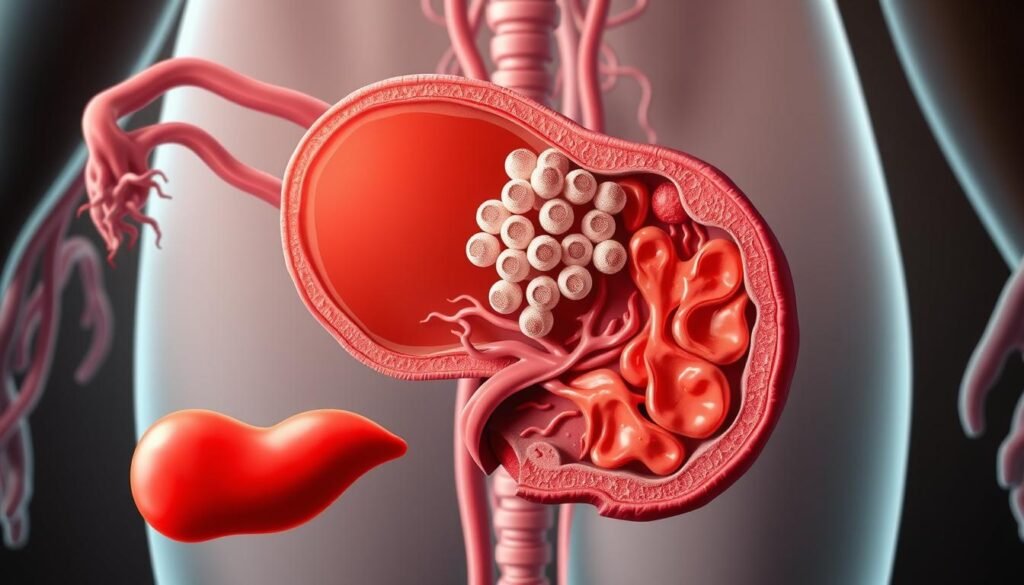
For a clinical perspective and practical guidance, read this expert overview.
PCOS Diet Myths
Most common myths push extremes—cutting all carbs, banning food groups, or avoiding vigorous exercise. A balanced, personalized plan and smart training beat restrictive trends. These clear rules often backfire for people with this syndrome and for women managing symptoms.
Myth: You have to go keto or cut all carbs
Why it’s wrong: Very low-carb plans ignore the value of fiber-rich, whole grains and are hard to sustain. Research links balanced carbs to better glucose control when paired with protein and healthy fats.
Myth: Gluten-free or dairy-free is best for everyone
Elimination is useful only with clear intolerance. Test thoughtfully and work with an RDN for a structured trial and reintroduction to avoid unnecessary restriction.
Myth: You can’t do high-intensity exercise with PCOS
Vigorous training, including HIIT, can improve insulin sensitivity and mood. Choose intensities you enjoy and recover from; variety matters more than strict avoidance.
Myth: You need tons of supplements to manage symptoms
Supplements should be targeted. Start food-first. Consider vitamin D or inositol when labs and clinical evidence support them, rather than buying a shelf full of products.
Myth: A low-fat diet is required to lose weight
Low-fat is outdated for many patients pcos. Healthy fats support satiety and hormones. Focus on balance: lean protein, complex carbs, colorful produce, and appropriate fats.
“Personalized, research-based changes beat one-size rules every time.”
- Myth map: Go keto/no carb ignores fiber and sustainability.
- Myth map: Gluten/dairy eliminations need clear signs and a pro-guided trial.
- Myth map: No HIIT is unfounded—pick recoverable intensities.
- Myth map: Supplements are situational, not universal fixes.
- Myth map: Low-fat is not required; include balanced fats for health.
Myth: You Have to Go Keto or “No Carb” to Manage PCOS
Going extremely low-carb can change blood markers in ways that matter—especially for people already at higher cardiovascular risk.
Keto isn’t required to improve pcos. It can raise lipid concerns and is hard to sustain; this group already faces greater heart and metabolic risk.
A better plan uses fiber-rich carbohydrates, steady protein, and healthy fats to stabilize insulin and blood sugar without extreme restriction.
What research says about ketosis, cholesterol, and heart disease risk
Ketogenic protocols were created for epilepsy and are very restrictive. High saturated fat intakes can worsen cholesterol and triglycerides, which matters when baseline risk is elevated.
Better approach: prioritize complex carbs, fiber, and whole grains
Choose quinoa, oats, barley, legumes, vegetables, and whole fruit to slow glucose absorption and support long-term metabolic health.
Insulin and blood sugar: pairing carbs with protein and healthy fats
Pair carbs with eggs, poultry, tofu, olive oil, or nuts to blunt insulin spikes and help steady energy.
- Research snapshot: Keto was built for epilepsy, not routine metabolic care; outcomes differ by person and long-term data vary.
- Sustainability caution: Rigid rules often yield short-term weight changes but frequent regain and higher diabetes risk over time.
- Plate example: Brown rice with salmon and broccoli, or lentil soup with olive oil and salad to blunt post-meal glucose.
- Practical swaps: Steel-cut oats over sugary cereal; chickpea pasta over white pasta; avocado or seeds added to meals.

“Long-term adherence and balanced meals matter more for metabolic health than short-term restriction.”
Myth: Gluten-Free or Dairy-Free Is Automatically Best for Polycystic Ovary Syndrome
Going gluten-free or dairy-free isn’t automatically better for polycystic ovary syndrome. Test tolerance first; eliminate only when clear signs point that way.
Removing whole food groups changes nutrients, calories, and how your body feels. Many people tolerate gluten and dairy well and gain no benefit from strict avoidance.
When elimination helps—and when it doesn’t
When elimination diets make sense
Use a structured, time-bound trial (2–4 weeks) if persistent GI issues, skin flares, or other clear symptoms appear. Track results and reintroduce foods to confirm the link before long-term restriction.
Dairy quality, tolerance, and low-fat vs. full-fat nuance
Some research suggests low-fat dairy may affect androgen activity in select patients, but evidence is mixed. If you tolerate dairy, modest portions of yogurt or cheese add protein, calcium, and satisfaction.
Replace lost nutrients if you cut foods. For example, choose fortified plant milk for calcium and vitamin D, or extra legumes for protein. Work with a pro to personalize changes and monitor insulin, hormones, and overall nutrition.
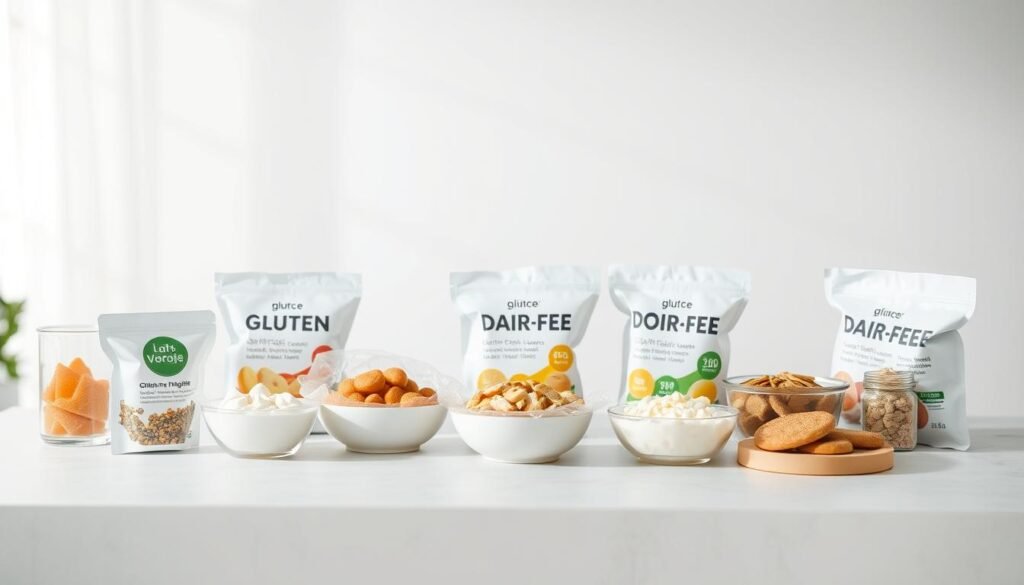
“Quality, quantity, and your body’s response matter most — plan eliminations with a clinician and reintroduce to be sure.”
Myth: You Can’t Do HIIT or Vigorous Exercise If You Have PCOS
You don’t need to avoid vigorous training with pcos. HIIT, strength, and steady-state cardio can all help insulin resistance and heart health.
High-intensity work is a tool, not a mandate. When paired with good recovery, it improves glucose control, insulin action, mood, and energy.
Pick styles you enjoy so you’ll stick with them—consistency beats perfection every time. That makes benefits more likely and lowers long-term risk for metabolic problems.

How varied activity supports metabolic and mental health
Exercise increases muscle glucose uptake and improves insulin signaling. This supports weight management without extreme dieting.
- Practical mix: 2–3 strength days, 1–2 HIIT sessions if you like them, plus walking or cycling as active recovery.
- Start small: try 30 seconds on, 90 seconds easy intervals and build from there.
- Recovery matters: prioritize sleep, protein, and rest to support hormones and reduce injury.
- Lifestyle fit: short home sessions or brisk walks between meetings add up over time.
- Red flags: if intense sessions worsen symptoms, lower intensity or check in with your care team.
“Short, consistent efforts that fit your life often beat sporadic extremes.”
| Type | Main benefit | Notes |
|---|---|---|
| Strength training | Muscle glucose uptake, metabolic rate | 2–3 sessions/week; focus on compound moves |
| HIIT | Improves insulin sensitivity, mood | 1–2 sessions/week; short intervals work well |
| Steady-state cardio | Heart health, low-impact calorie burn | Good for active recovery and consistency |
| Low-impact movement | Daily activity, stress reduction | Walking, cycling, yoga—easy to maintain |
For a sample plan that balances intensity and recovery, see this practical workout routine for your hormones.
Myth: You Need a Shelf Full of Supplements to Treat PCOS
Many people assume pills replace food, but supplements are tools—not cornerstones—of good care.
Start with quality meals and add targeted supplements only when labs or clear evidence support them.
Registered dietitians favor a food-first approach. Protein, fiber-rich plants, and healthy fats often reduce the need for many pills.
Use blood tests and a diet review to spot true gaps. Vitamin D and inositol have research-backed roles in select cases. Iron or calcium makes sense only when intake or labs are low.
Avoid large stacks. They add cost and risk interactions without proven benefit. Choose third-party tested brands and review anything new with your care team.

- Test, don’t guess: confirm deficiencies before treatment.
- Simplify: aim for the fewest evidence-based products.
- Track results: reassess symptoms and labs after 8–12 weeks.
| Supplement | When to consider | Evidence | Notes |
|---|---|---|---|
| Vitamin D | Low serum 25(OH)D | Supportive for some patients | Monitor levels; dose per lab |
| Inositol | Selected metabolic or ovulatory issues | Moderate research support | Discuss dose and form with clinician |
| Iron | Documented deficiency or heavy bleeding | Well-established need | Replace based on labs, avoid excess |
| Multivitamin | Poor intake or restricted eating | General coverage | Choose third-party tested product |
“Supplements can help, but they’re not a shortcut—start with food quality, then target proven gaps.”
For practical tips on effective supplement use, see this short guide on effective supplement use.
The Best Evidence-Based PCOS Diet: Balanced, Flexible, Personalized
A steady, evidence-first plan centers on meals that balance lean protein, fiber-rich carbs, colorful produce, and healthy fats. Small, practical changes and tailored guidance beat one-size rules—they improve labs, cycles, and energy.
Start with a clear plate formula and adjust using labs, lifestyle, and preferences.
Core plate: lean proteins, complex carbs, colorful produce, healthy fats
Plate formula: half non-starchy vegetables, a palm of protein, a cupped hand of complex carbs, and a thumb of healthy fats.
Pair carbs with protein and fat to smooth blood sugar and blunt insulin spikes. Good choices include poultry, fish, tofu, eggs, Greek yogurt, legumes, whole grains, olive oil, nuts, seeds, and fatty fish.

Personalization by labs, lifestyle, and preferences
Use labs for insulin resistance, lipids, and glucose to guide swaps and portion sizes. Emphasize fiber and omega-3s when triglycerides or resistance are present.
Weight management is possible—even modest loss improves ovulation and metabolic health
Even 5–10% weight loss often improves ovulation and metabolic markers. Focus on steady habits, not extremes.
- Travel or eating out: pack nuts or choose protein + veg at restaurants.
- Progress markers: energy, cycle regularity, symptoms, and lab trends matter before the scale.
| Meal Component | Example | Main benefit |
|---|---|---|
| Lean protein | Grilled salmon, tofu, Greek yogurt | Sustains muscle, steadies blood sugar |
| Complex carbs | Quinoa, oats, legumes | Fiber supports glucose control |
| Produce | Leafy greens, berries, peppers | Vitamins, fiber, antioxidants |
| Healthy fats | Olive oil, nuts, seeds | Satiety and hormone support |
“Build a steady core plate, personalize with labs, and favor small wins—this is the most reliable way to manage pcos over time.”
For a focused review of nutrition and metabolic care, see this evidence review.
Beyond Diet: Myths About PCOS That Impact Care, Fertility, and Long-Term Health
Simplifying this syndrome to lifestyle choices alone misses the biology clinicians rely on for diagnosis and treatment. Understanding the reproductive and metabolic sides of the condition helps people get timely care and better outcomes across their life.

PCOS isn’t caused solely by lifestyle—and not everyone has cysts or obesity
Not everyone with pcos has cysts or obesity, and lifestyle isn’t the sole cause. This is an endocrine and metabolic disease shaped by genetics and hormone signaling.
Up to 10% of people with ovaries meet criteria, yet many lack visible cysts. Diagnosis uses multiple markers, not cysts alone.
Fertility reality: irregular ovulation doesn’t mean pregnancy is impossible
Fertility is often possible with support. Irregular ovulation raises infertility risk, but treatments and timed care can restore cycles for many patients.
If you’re not ovulating, see a specialist sooner rather than later—interventions plus modest changes, like 5–10% weight loss, can improve ovulation and metabolic markers.
PCOS is lifelong: menopause changes cycles, not metabolic risks
The syndrome persists after menopause—ovulatory problems ease, but insulin resistance and cardiovascular risk often remain. Hair and skin symptoms may shift over time, but diabetes risk stays relevant.
Plan care for the long game: regular checkups, labs, and steady strategies for nutrition, movement, sleep, and stress help reduce risks over time.
“Refer to polycystic ovary syndrome as a reproductive and metabolic syndrome to get comprehensive care.”
- Myth check: “Cysts define the condition” is false; many meet criteria without cysts.
- Weight reality: normal-weight individuals can have the syndrome—focus on metabolic health, not just the scale.
- Action items: track labs, maintain routine care, and seek specialist support for fertility or metabolic concerns.
Conclusion
Skip extreme rules and favor steady, evidence-based habits that fit your life. Small, consistent steps—smart plates, enjoyable movement, and targeted supplements—move labs and symptoms over time.
Your takeaways: build balanced plates, pair carbs with protein and fats, move in ways you enjoy, and add only research-backed supplements when needed.
Mistakes to avoid: cutting entire groups, fearing food, ignoring exercise you like, or delaying care when cycles or ovulation are off.
Manage pcos with weekly movement, regular lab checks, and steady meals. This disease affects fertility and lifelong metabolic health, so tune lifestyle for blood markers, weight, hair, and life goals.
Final nudge: question each myth, lean on research, ask your RDN and care team for a plan, and give yourself time—sustainable progress wins.
FAQ
Do I have to follow a strict low‑carb or ketogenic plan to manage my symptoms?
No. Evidence shows that very-low-carb or ketogenic approaches can help some people short-term, but they’re not the only effective option and may raise cholesterol or be hard to sustain. A more reliable strategy is prioritizing complex carbohydrates, fiber, and whole grains while pairing carbs with protein and healthy fats to steady blood sugar and insulin.
Should everyone with this condition avoid gluten and dairy?
Not automatically. Elimination of gluten or dairy makes sense only if you have a diagnosed intolerance, celiac disease, or a clear symptom response. Most people benefit more from focusing on overall diet quality and the type of dairy (full‑fat vs. low‑fat) and choosing minimally processed options rather than blanket exclusions.
Am I limited to low‑intensity workouts because of insulin resistance or hormone issues?
No—vigorous exercise, including HIIT, can improve insulin sensitivity, mood, and cardiovascular fitness. The best program mixes aerobic, strength, and interval sessions tailored to your fitness level and recovery. Start gradually and adjust for menstrual cycle symptoms, sleep, and stress.
Do I need a lot of supplements to treat symptoms and improve fertility?
Not usually. A food‑first approach is best. Targeted supplements like vitamin D, omega‑3s, or myo‑/D‑chiro‑inositol may help certain people based on labs and clinical needs. Always review supplements with a registered dietitian or clinician to avoid unnecessary or conflicting nutrients.
Is a very low‑fat diet necessary to lose weight with this condition?
No. Weight loss is driven by sustained calorie balance, quality of food, and behavior—not a single macronutrient rule. Healthy fats support satiety, hormone function, and nutrient absorption, so including sources like olive oil, nuts, and avocado can aid long‑term adherence and metabolic health.
If I don’t have ovarian cysts or obesity, can I still have the condition?
Yes. This diagnosis is heterogeneous—some people have irregular cycles, acne, or hair growth without visible cysts or excess weight. Diagnosis and management should rely on clinical assessment, labs, and symptoms rather than appearance alone.
Will improving my weight slightly help my fertility and metabolic health?
Yes. Even modest weight loss (5–10% of body weight) can improve ovulation, insulin resistance, and cardiovascular markers for many people. Personalized plans that combine realistic nutrition, activity, sleep, and stress strategies work best.
How do I personalize nutrition when advice online contradicts itself?
Use objective measures—labs (glucose, lipids, vitamin D), symptom tracking, and professional guidance from a registered dietitian or endocrinologist. Focus on sustainable changes: whole foods, balanced plates, portion control, and behavioral supports rather than one-size-fits-all trends.
Can managing sleep, stress, and exercise matter as much as food?
Absolutely. Sleep quality, chronic stress, and sedentary behavior affect insulin, appetite hormones, and inflammation. Addressing these lifestyle factors alongside balanced eating provides the greatest long-term benefit for metabolic health and symptoms.
Are there credible resources to learn more that align with medical evidence?
Yes. Look for guidance from the National Institutes of Health (NIH), Mayo Clinic, American College of Obstetricians and Gynecologists, and peer‑reviewed research on PubMed. A registered dietitian with experience in hormonal and metabolic conditions can translate that evidence into a tailored plan.




Don’t Miss These Picks