


I still remember the first time I stirred that gelatinous jar into my morning blend — curious, skeptical, and a little hopeful.
That small change felt personal. It was a simple swap that promised nutrients and a new ritual. Many readers report the same curiosity as trends grow.
This red algae, sold as gels, powders, capsules, and gummies, is low calorie and rich in minerals like iodine, potassium, calcium, magnesium, and zinc.
Early studies hint at support for heart health, gut balance, workout recovery, and thyroid function, though the human evidence is limited. Typical servings are small — about two tablespoons of gel — and quality varies, so sourcing matters.
Key Takeaways
- Sea moss is a mineral-rich red algae used in many forms for easy food and smoothie use.
- Small portions—about two tablespoons of gel—are common in routines.
- Preliminary research suggests possible heart, gut, thyroid, and recovery support, but human data are limited.
- Quality and sourcing matter; supplements are not FDA-approved.
- This article will break down safe use, dosing, and realistic expectations for 2025.
What Is Sea Moss (Irish Moss) and Why It’s Trending in 2025
Quick summary:Chondrus crispusis a red algae harvested for carrageenan and trace minerals. In 2025 it’s popular because it’s easy to add to smoothies and shows up across foods and supplements, though product content varies by source.
Chondrus crispus is a red algae traditionally harvested along Atlantic coasts. It’s a natural source of carrageenan, a food-grade thickener used in ice cream, nondairy milks, jelly, and even toothpaste.
Two tablespoons of gel supply about 5 calories, roughly 1 gram of carbs, and trace minerals like iodine, potassium, calcium, magnesium, iron, and zinc. The exact mineral content depends on waters where the algae grew.
Markets sell this seaweed as dried fronds, ready-made gel, powders, capsules, and gummies. That variety helps people add it to diets in ways that fit taste and routine.

“People often choose a spoonful of gel for an easy mineral boost with little change in flavor.”
Remember: supplements are not FDA-approved and product consistency can vary. For more clinical context on trends and safety, see this overview.
- Why trending: Social buzz and simple formats (gel, powder, capsules) make it easy to use.
- Food system role: Carrageenan explains why this algae appears in many modern foods.
- Source matters: Seaweeds absorb water minerals—transparent testing improves trust.
Sea Moss Benefits for Heart and Metabolic Health
Summary: Sea moss provides fibers similar to other seaweeds that can help lower LDL cholesterol, support healthy blood pressure, and steady blood sugar. Antioxidants in red algae may also support cardiovascular wellness, though stronger human studies are needed.
A simple swap in your diet may nudge cholesterol and blood sugar in the right direction.
How can fiber from red seaweeds affect cholesterol and blood sugar?
The fiber in red seaweed helps the gut process fats and carbs. That action can modestly lower LDL and help steady glucose levels after meals.
Fiber also aids fullness, which can reduce calorie intake and support weight control—one route to better heart health.
Do antioxidants in algae support cardiovascular wellness?
Antioxidants in seaweeds may counter oxidative stress linked to cardiovascular disease, but human evidence is limited.
“Preliminary studies suggest potential heart-protective signals, yet larger trials are needed.”

- Practical tip: Blend 1–2 tablespoons of gel with banana and greens to add potassium and fiber for blood pressure support.
- Use sea moss as an addition—not a replacement—for a diet high in fruits, vegetables, whole grains, and legumes.
- For clinical context, see benefits sea moss.
| Feature | Evidence | How to use |
|---|---|---|
| Fiber-driven effects | May lower LDL and steady glucose | 1–2 tbsp gel in smoothies |
| Antioxidants | Associations with reduced oxidative stress | Combine with varied plant foods |
| Low-calorie satiety | Supports weight control as part of diet | Replace calorie-dense add-ins |
Sea Moss Benefits for Gut and Immune System Support
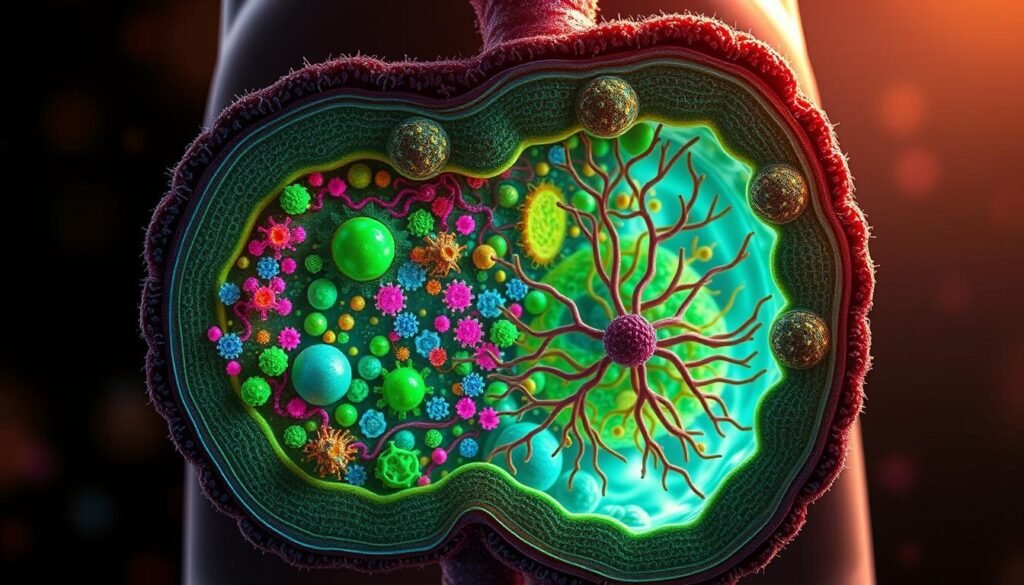
Sea moss provides prebiotics and live bacteria that may help balance your microbiome and ease common GI symptoms. A healthier gut can support the immune system, but early research—like lab work on Salmonella—still needs human confirmation.
A modest daily scoop can help feed the microbes that keep digestion steady. Prebiotic fibers in this algae feed beneficial bacteria and support nutrient absorption.
Prebiotics and live bacteria: balancing the microbiome
Prebiotics in sea moss feed beneficial gut bacteria, helping the digestive system maintain resilient communities. That can improve digestion and regularity when paired with a high-fiber diet and water.
From fewer GI symptoms to broader immune effects
People often report less gas, bloating, heartburn, and irregularity after adding small amounts. Improved microbial balance links to stronger immune responses because the gut and immune system interact closely.
“Combining prebiotic fibers with probiotic foods gives both live cultures and food for microbes.”
Early research on bacteria like Salmonella: what studies suggest
Lab studies show extracts can inhibit Salmonella growth, but this effect hasn’t been proven in animals or people. More research is necessary before clinical claims are made.
- Practical use: Start with 1 tablespoon of gel daily, then move to 2 tablespoons if well tolerated.
- Pair with yogurt or kefir in smoothies to combine live cultures and prebiotics.
- If you have GI disease or take immune-modulating drugs, talk to your provider first.
Iodine, Thyroid Function, and Energy Levels
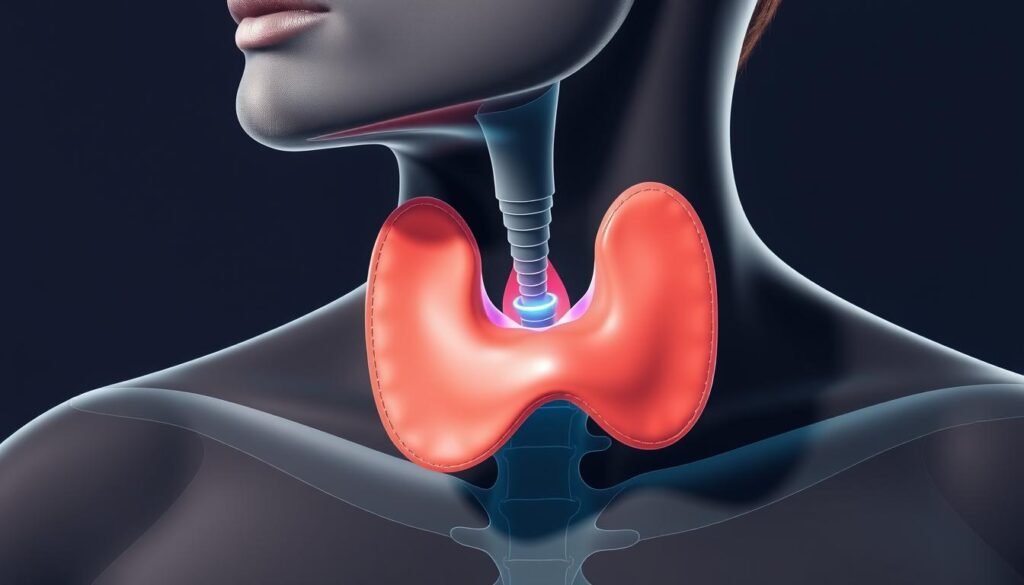
Summary: Sea moss contains iodine, which the thyroid uses to make hormones that influence metabolism and energy. Too much iodine can be harmful—especially if you have a thyroid condition—so discuss use and dosing with your provider.
Tiny shifts in iodine intake can change how your thyroid makes hormones. The gland needs iodine to produce T3 and T4, which affect heart rate, temperature, focus, and overall energy.
How iodine may support thyroid hormones—and when too much is a risk
Sea moss may supply iodine for people who lack seafood or iodized salt in their diet. However, chondrus crispus products vary widely in iodine levels because algae absorb minerals from local waters.
Excess iodine can trigger goiter, inflammation, or altered thyroid function. Endocrinologists usually advise against iodine supplements unless prescribed. People with hyperthyroidism or hypothyroidism should avoid adding sea moss unless cleared by a provider.
Talk to your provider if you have a thyroid condition or take thyroid meds
- If your provider approves, start with 1 tablespoon of gel daily and monitor how you feel.
- Avoid stacking other iodine supplements or kelp without a medical plan.
- Watch for neck swelling, unusual fatigue, palpitations, or changes in temperature tolerance and stop use if symptoms appear.
“Choose brands that publish iodine ranges and heavy-metal testing to better manage intake.”
Performance, Recovery, and Gender-Specific Health
Summary: Repairing muscle micro-tears needs targeted amino acids and minerals; this algae supplies taurine plus small protein and zinc that may support recovery and men’s reproductive markers, while fiber and calcium can help women’s cycle regularity and bone density.

Training breaks down muscle fibers. Amino acids and electrolytes help rebuild them.
At roughly 6 g protein per 100 g and measurable taurine, this food can add supportive nutrients to a post-workout shake. Use it alongside complete protein sources to meet total daily targets.
Taurine, protein and muscle repair
Practical tip: Blend one tablespoon of gel into a smoothie with whey or soy protein after exercise. The extra taurine may aid cellular recovery while the added protein supplies building blocks for repair.
Men’s performance and reproductive signals
Zinc in the product links to testosterone maintenance and fertility markers in broader nutrition science. One animal study on Irish preparations showed improved testicular function and testosterone, but human trials are missing.
For men curious about targeted support, read a focused overview on men’s nutrient signals.
Women’s cycles, satiety, and bone health
Fiber may steady hormones and cycles by improving blood sugar and satiety. Calcium contributes to bone density as estrogen falls in midlife.
Combine a small serving with calcium-rich foods and regular strength work to protect bone health during perimenopause and menopause.
“This supplement complements—not replaces—consistent sleep, progressive training, and a protein-adequate diet.”
- How to use: Start with 1 tablespoon post-workout; track recovery over 4–6 weeks.
- If you prefer capsules, aim for 500–1,000 mg daily and consult a coach or clinician.
- Remember hydration and electrolytes; nutrient timing matters more than any single type of supplement.
| Topic | Key nutrient | Evidence level | Actionable use |
|---|---|---|---|
| Muscle recovery | Taurine, protein (~6 g/100 g) | Limited human data; plausible mechanism | 1 tbsp in post-workout smoothie with protein |
| Men’s reproductive health | Zinc | Animal study shows testosterone changes; human studies needed | Consider as part of zinc-adequate diet; consult provider |
| Women’s hormonal & bone support | Fiber, calcium | Well-established role of fiber/calcium; product-level data limited | Pair with dairy or fortified foods and strength training |
| Performance context | Electrolytes, total protein | Consensus: overall diet and recovery drive gains | Use product as a supportive add-on, not a standalone solution |
For workout planning myths and how to integrate supportive supplements into training, see this guide on common misconceptions: fitness myths explained.
Safety, Side Effects, and Research Needed
Safety summary: Quality and sourcing matter—seaweeds can concentrate heavy metals. Food-grade carrageenan differs from poligeenan, which shows harmful effects in animal studies. Sea moss may interact with blood thinners, thyroid, and diabetes meds; some people should avoid it.
Safety starts with the water: algae reflect their environment, for better or worse.
Heavy metals and sourcing: why seaweeds absorb what’s in the water
Seaweed can pick up arsenic, mercury, and lead from local waters. Levels vary by harvest site and can build up in the body over time.
Choose brands that publish third-party testing for metals and iodine levels to lower long-term risk.

Carrageenan vs. poligeenan: digestive and inflammation concerns
Food-grade carrageenan used in foods is considered safe. Poligeenan, a degraded form, caused intestinal inflammation and ulcers in animal studies.
The human body does not convert carrageenan into poligeenan, but variable product quality means some preparations may contain unwanted compounds.
Medication interactions: blood thinners, diabetes drugs, and thyroid therapies
Sea moss contains iodine and may have mild blood-thinning properties. That can change how anticoagulants, diabetes medicines, or thyroid drugs work.
Discuss use with your provider if you take prescription meds or have a thyroid condition.
Common GI effects and who should avoid sea moss
Overconsumption or low-quality products can cause nausea, vomiting, or diarrhea. Pregnant and breastfeeding people should avoid it due to limited human data.
“If you have a thyroid condition, autoimmune disease, or active GI disease, align use with your medical team and monitor levels closely.”
- Tip: Keep total iodine exposure in mind across foods and supplements to avoid too much iodine.
- Start low (1 tbsp gel) and watch for GI signs or changes in energy and heart rate.
- For more clinical context, see this concise overview: sea moss guidance.
| Risk area | What to check | Action |
|---|---|---|
| Heavy metals | Third-party testing | Prefer tested brands |
| Iodine & thyroid | Iodine ranges on label | Consult provider; monitor labs |
| Carrageenan forms | Ingredient lists / lab reports | Avoid degraded or unclear products |
How to Use Sea Moss: Dosage, Forms, and Smoothie-Friendly Ideas
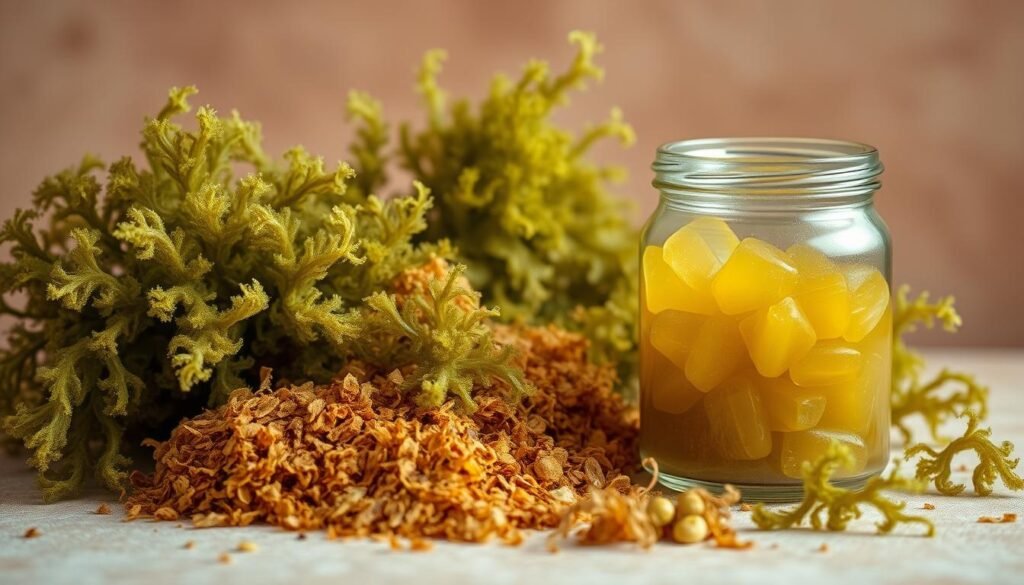
Start low and simple: begin with one tablespoon of gel daily, and work up to two tablespoons (about 4–8 grams) if well tolerated. Capsules commonly provide 500–1,000 mg per day. Choose the form you’ll use consistently and pick brands that publish testing for heavy metals and iodine.
Want a practical way to add minerals to your daily shake without changing taste? Gel is the most smoothie-friendly option. It blends smoothly and keeps portions easy. Powders and capsules suit travel or busy mornings.
Typical amounts and timing
Typical amounts: 1–2 tablespoons gel (4–8 g) daily or 500–1,000 mg in capsules. Many people notice effects within 4–6 weeks when used consistently.
DIY prep and storage
DIY gel: rinse and soak cleaned raw sea moss in cold water for 24 hours, changing the water. Blend with fresh water until smooth. Chill 2 hours to thicken. Store up to 2 weeks refrigerated.
Powder shortcut: stir 1/4 cup powder into 2 cups hot (not boiling) water, cool, then refrigerate to set into gel.
“Start with a small scoop and track how your system responds before increasing amounts.”
- Use ideas: add gel to smoothies, soups, stews, or baked foods for neutral texture and extra nutrients.
- For capsules, follow label directions and take with meals.
- Because iodine varies by source, check testing and consult your provider if you manage thyroid health.
| Form | Typical dose | Best for |
|---|---|---|
| Gel | 1–2 tbsp (4–8 g) | Smoothies, cooking |
| Powder | Variable; follow label | Shakes, oatmeal |
| Capsules | 500–1,000 mg | Travel, convenience |
Conclusion
Sea moss can be a practical add-in for smoothies that may support heart, gut, immune, and thyroid health when used thoughtfully. Start low, aim for 1–2 tablespoons of gel daily, and pick brands that publish testing for iodine and heavy metals.
Think of this ingredient as a supportive food—not a cure. Combine it with a balanced diet, regular sleep, and training for best results. Monitor how you feel and pause if you notice GI upset or thyroid signs.
Quality matters: choose tested products, track total iodine intake, and check drug interactions. Research looks promising but is not definitive, so consult your clinician if you have a chronic disease or take meds.
FAQ
What is Irish moss and what nutrients does Chondrus crispus provide?
Irish moss (Chondrus crispus) is a red algae commonly used as a food ingredient and supplement. It contains fiber, iodine, small amounts of protein and minerals, and polysaccharides like carrageenan. Nutrient levels vary by source and preparation, so products differ in iodine, iron, zinc, and antioxidant content.
How might Irish moss support the immune system?
Some components act as mild prebiotics and contain antioxidants that may support immune function indirectly by promoting a healthier gut microbiome. Early studies suggest polysaccharides can modulate immune markers, but larger human trials are needed to confirm clinically meaningful effects.
Can consuming this algae help heart health and metabolic markers?
The fiber and certain bioactive compounds may help lower cholesterol and support healthy blood pressure and blood sugar regulation when combined with an overall healthy diet. Evidence is promising but not definitive; lifestyle and medical care remain primary for managing cardiovascular risk.
How much iodine is typically in supplements and can it cause thyroid issues?
Iodine content varies widely by product and harvest site. Moderate amounts can support thyroid hormone production, but excessive iodine may trigger dysfunction in susceptible people. Anyone with thyroid disease or taking thyroid medication should consult their provider before using supplements.
Are there risks from heavy metals or environmental contaminants?
Algae absorb minerals from water, so contaminated harvest sites can lead to elevated heavy metals like arsenic or lead. Choose brands that test for contaminants and list sourcing and third-party lab results to reduce risk.
What is the difference between carrageenan and poligeenan, and are they safe?
Carrageenan is a food-grade extract used as a thickener; poligeenan is a degraded, non-food byproduct with different properties. Food-grade carrageenan is generally recognized as safe in many countries, though some research links it to digestive irritation in sensitive individuals. Opt for reputable products and monitor tolerance.
Could this ingredient interact with medications like blood thinners or diabetes drugs?
Yes. High iodine can affect thyroid medications. Fiber and certain compounds may alter glucose absorption, potentially affecting diabetes drugs. Some minerals could influence blood-thinning therapies. Discuss use with your clinician if you take prescription medications.
What are common gastrointestinal side effects and who should avoid it?
Mild bloating, gas, or loose stools can occur, especially when starting supplements. People with thyroid disorders, pregnant or breastfeeding individuals, and those on interacting medications should seek medical advice before use. Those with sensitivity to carrageenan may also experience GI symptoms.
What forms does it come in and how do I choose between gel, powder, or capsules?
It’s available as gels, powders, capsules, gummies, and whole dried product. Gel and powder are flexible for recipes; capsules offer convenience and standardized dosing. Choose third-party tested brands and forms that fit your routine and dosing needs.
What is a typical daily amount if I want to add gel to a smoothie?
A commonly recommended serving is about two tablespoons of gel (roughly four to eight grams) per day. Start at a lower amount to assess tolerance and follow product label guidance or your provider’s recommendation.
Are there proven effects against pathogens like Salmonella?
Preliminary lab studies have explored antimicrobial effects of some algae extracts against bacteria, including Salmonella, but results are not sufficient to recommend it as an antimicrobial treatment. More clinical research is required.
Do athletes or people focused on recovery gain benefits from supplements?
Components such as taurine precursors, minerals, and protein may support recovery when combined with proper nutrition and training. Evidence is limited; supplements should complement, not replace, established recovery strategies like protein intake and rest.
How should I store DIY gel or powdered products to keep them safe?
DIY gels should be refrigerated and used within 1–2 weeks or frozen for longer storage. Powders keep best in a cool, dry place in airtight containers. Always follow manufacturer storage instructions and observe for off smells or mold.
How can I evaluate product quality when shopping?
Look for transparent sourcing, third-party contaminant testing (heavy metals, microbiology), clear iodine content labeling, and reputable brands with clinical references or supplier traceability. Reviews from credible sources like Mayo Clinic or NIH summaries can also help.
Is there enough research to recommend routine use for general health?
Interest and early research are growing, but evidence remains incomplete for many claimed effects. It may be a useful adjunct to a nutrient-dense diet for some people, yet wider clinical studies are needed before universal recommendations. Consult a healthcare provider about individual risk and dosing.




Don’t Miss These Picks