


Surprising fact: one teaspoon of saliva can contain millions of bacteria that shape plaque and gum inflammation.
This time-honored Ayurvedic practice asks people to swish edible oil in the mouth for up to 20 minutes, then spit and brush. Early human trials and lab work suggest it may lower certain bacterial counts and slightly reduce plaque in the short term.
This guide gives a clear, science-backed look at how saponification and mechanical swishing interact with biofilms in the mouth. You will learn what research says, which oils like coconut oil are studied most, safe steps to try, and where this routine fits with brushing and flossing.
Bottom line: it may help a little with bacteria and plaque but it is not a cure-all, not a detox, and not a substitute for fluoride toothpaste and flossing. We’ll parse whitening claims and other popular ideas using current evidence and studies.
Key Takeaways
- Oil pulling is an ancient swishing routine with some short-term bacterial reductions seen in small studies.
- Lab comparisons and limited trials show modest effects on plaque and gum inflammation.
- It is optional and should complement, not replace, brushing with fluoride and flossing.
- Claims of whitening or blood detox lack quality evidence at this time.
- Simple saponification may explain a clean-mouth feel, but large clinical benefits remain unproven.
What oil pulling is and how it interacts with oral bacteria
Swishing a tablespoon of edible fat in the mouth for a set time aims to loosen and suspend microbes and debris. The motion and lipid capture can reduce surface bacteria and leave a cleaner feel when followed by brushing.
The basic routine uses about 15 mL of edible oil and gentle swishing for 15–20 minutes, then spitting and brushing. Some people start at five minutes and build up to longer time as comfort allows.
The biofilm problem: plaque, S. mutans, and gingivitis
Dental plaque is a sticky biofilm where bacteria like S. mutans hide. Left unchecked, this film can inflame gums and raise cavity risk. Reducing surface load helps control early gingivitis.
Swishing dynamics: how lipids trap and remove microbes
Lipids act like a sticky magnet for hydrophobic parts of bacterial cells and food debris. Gentle, sustained motion disperses and suspends these agents so they can be expelled when you spit the oil out.
“Saponification” explained simply in the mouth context
When oil mixes with saliva and air, a light emulsification can form, making the fluid appear frothy or whitish. This is not full soap-making but it helps spread and hold microbes in the lipid phase.
| Type | Why people choose it | Key trait |
|---|---|---|
| Coconut oil | Popular taste and texture | Contains lauric acid with mild antimicrobial action |
| Sesame oil | Traditional Ayurvedic choice | Neutral flavor, long use history |
| Sunflower oil | Common, accessible option | Neutral profile, easy to try |
- Do not swallow the used oil; spit into the trash and then brush to remove residue.
- Keep motion gentle; avoid vigorous swishing that strains the jaw.
What current studies say about bacteria, plaque, and gum health
Small trials and lab work show early reductions in key salivary microbes within weeks, but larger trials give mixed results on plaque and gum inflammation.
Clinical reports and laboratory comparisons have tracked how brief daily swishing routines change salivary counts. A 2016 adult trial found that ten minutes daily of coconut oil reduced S. mutans versus water after two weeks.
An older pediatric study reported reductions similar to chlorhexidine in short-term tests. A 2022 review of nine trials noted lower salivary bacterial counts but no clear change in plaque or gum tissue. A 2023 review of 25 studies suggested possible gains for gum metrics and microbe reduction, yet stressed the need for higher-quality trials.

Reductions in S. mutans: small trials and lab comparisons
Small human trials and in vitro work show that daily use can lower specific bacteria within about two weeks. Pilot comparisons sometimes match antiseptic controls in the short term.
Mixed evidence on plaque and gingivitis from 2017–2023 reviews
Broader reviews report inconsistent outcomes: some pilot studies see modest plaque or gingivitis drops, but pooled analyses often find no significant change.
Limitations: sample sizes and need for higher-quality research
Most trials are short, include few people, and vary in protocol—different oils, minutes, and frequency. Evidence on breath change (halitosis) is limited and inconsistent.
- Bacterial findings: small trials show microbial reductions in weeks.
- Plaque/gum outcomes: mixed; larger studies show minimal change.
- Tooth decay: theoretical link exists, but direct prevention evidence is lacking.
- Takeaway: promising signals exist, yet rigorous RCTs are needed; keep brushing and flossing.
Coconut, sesame, or sunflower: which oil makes sense and why
Choose the edible fat that you will use consistently; taste and fatty acids shape small differences in antimicrobial action.
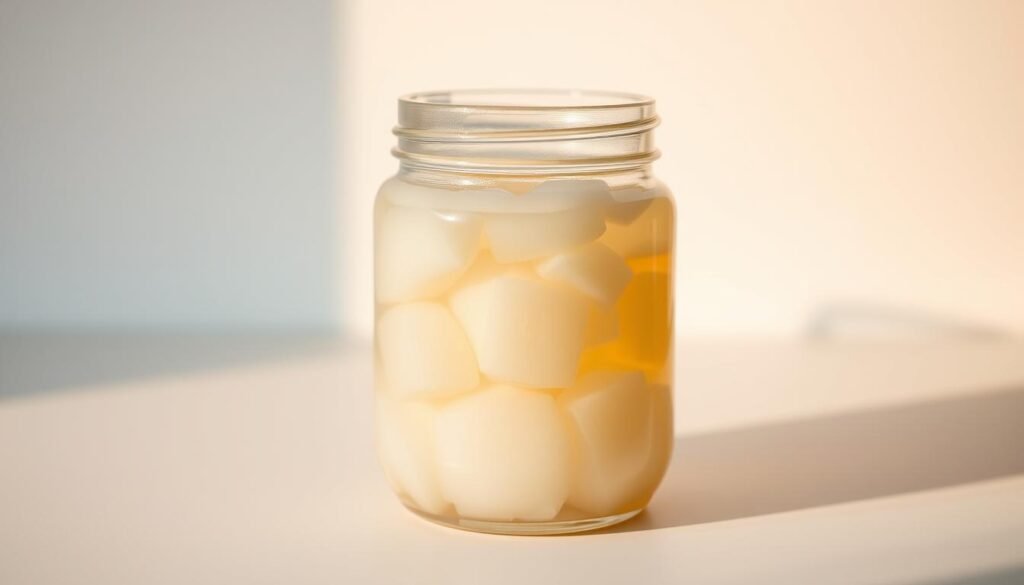
Coconut oil is popular because extra-virgin coconut has a high lauric acid profile. Lauric acid shows modest antimicrobial activity in lab tests and some small trials that measured drops in S. mutans.
Sesame oil is the traditional Ayurvedic choice. Small studies report effects similar to some mouth rinses, but overall evidence is limited and mixed.
Sunflower and other neutral oils work too. They score high on tolerability and ease of daily use. Pick a quality edible fat you don’t mind swishing.
How choice links to the mechanism
Any edible fat helps suspend microbes and debris. Coconut may add a modest antimicrobial edge due to lauric acid, while sesame carries historic use and acceptability.
Practical selection tips
- Start with the flavor you tolerate.
- Avoid any product you are allergic to.
- Use the routine as a complement to brushing and flossing, not a replacement.
Read a balanced summary of risks and evidence at what experts say.
How to try oil pulling safely and effectively today
Measure a small amount, keep the motion gentle, and finish with your usual brushing and flossing. This routine is optional and should complement standard care.
Begin with a simple measurement and a gentle motion to test comfort and timing.
Step-by-step routine
- Measure about 1 tablespoon of edible oil.
- Swish gently in the mouth for 5–20 minutes. Start at 5 and build up.
- Spit oil into a lined trash can—do not spit down the sink.
- Rinse with water, then brush teeth gently with fluoride toothpaste.
Practical tips
- Avoid swallowing; the liquid holds trapped debris and can upset the gut.
- Do not swish hard—vigorous motion can tire the jaw or irritate enamel.
- If coconut is solid, warm it slightly until it liquefies.
- Many people pick morning time to stay consistent without skipping brushing or flossing.
Safety note: The ADA recommends prioritizing brushing with fluoride and flossing; this routine is optional. Read a balanced summary at this overview.
Claims vs. evidence: whitening, detox, and disease prevention
Popular claims of dramatic teeth whitening or systemic detox lack strong support. Current research shows local, short-term changes at best, not cures for other conditions.
No well-controlled human trials prove that routine swishing will truly whiten teeth beyond removing surface film. A brighter look after swishing usually reflects temporary coating removal, not lasting color change.
Claims that the practice “draws toxins” from blood or cures broader health conditions are unsupported. There is no credible mechanism or clinical data showing it clears systemic toxins, relieves migraines, or cures hangovers.
The American Dental Association does not recommend relying on this method because the quality of evidence is low and inconsistent. The ADA advises proven care—fluoride brushing, flossing, and professional checkups.
- Adjunct, not alternative: This routine cannot repair cavities or treat gum disease—see a dentist for diagnosis and care.
- Local effects only: Any gains are likely confined to the mouth; broader health claims lack support from studies.
- Be pragmatic: Weigh the time spent against modest, uncertain results. Even with coconut oil, big claims are not backed by research.
Bottom line: If you try this routine, use it as a complementary step. Prioritize evidence-based habits—brushing with fluoride, daily flossing, and regular dental visits.
Where oil pulling fits in your oral hygiene routine
Add this step only after you have a steady brushing and flossing routine in place. The dental association emphasizes two minutes of brushing with fluoride twice daily and daily flossing as the core of good dental hygiene.
Think of oil pulling as an optional add-on, not a substitute. If time is tight, prioritize the basics: brush teeth for two minutes and floss once or more daily.
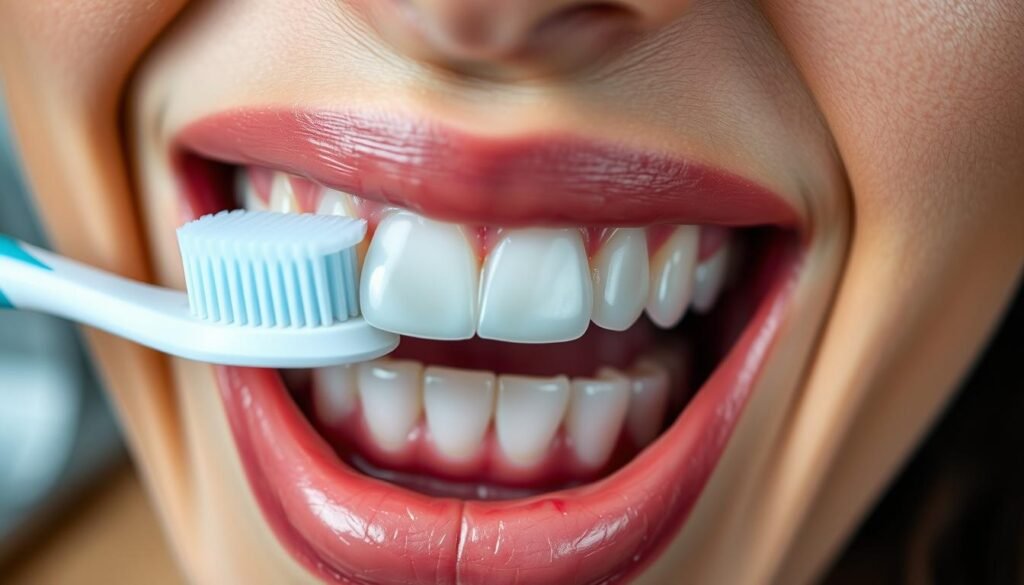
Many people swish before they brush, then spit oil and brush to remove any residue. Always spit oil into the trash, not the sink, and keep swishing gentle to avoid jaw fatigue.
Be realistic about results. The procedure may help disrupt plaque slightly if done regularly, but it is not a cure for gum disease. Review the current evidence review when weighing your options.
| Routine | When to do it | Key point |
|---|---|---|
| Core habits | Morning and night | Brush two minutes, floss daily; primary prevention |
| Optional add-on | Before brushing (5–20 minutes) | Gentle swish, spit oil into trash; complements core care |
| If time is limited | Prioritize basics | Skip extras; keep consistent brushing and flossing |
Oil Pulling Benefits for Oral Health: what you can reasonably expect
Small trials show modest, local gains—mainly lower salivary S. mutans and slight drops in plaque or gingivitis when this practice is used along with core care.
Many people try a short daily swish to see if it trims mouth bacteria and freshens breath. Expect small, localized changes, not dramatic cures.
What is realistic: Lower counts of key microbes in saliva can happen within weeks in some studies. That may slightly reduce plaque accumulation when combined with brushing and flossing.
Breath and cavities: Some users report improved breath because bacterial byproducts drop. Reducing S. mutans might influence tooth decay risk, but direct proof of prevention is lacking; fluoride brushing remains primary defense.
Gum effects: Pilot data suggests minor improvements in plaque-induced gingivitis. Treat these as possible extras, not guaranteed outcomes.
Which fats work: Coconut oil is popular, but sesame oil and sunflower oil also perform as tolerated choices. Pick the one you will use consistently.
Practical fit: If the routine makes your teeth feel cleaner and you can commit the time, it can be a reasonable add-on. Skip it if you cannot maintain daily basics; prioritize brushing, flossing, and dental visits.
| Expected effect | Evidence strength | Practical takeaway |
|---|---|---|
| Reduce plaque | Low–moderate (small trials) | May help slightly when used with brushing and flossing |
| Bad breath | Low (mixed reports) | Some notice fresher breath; results vary |
| Tooth decay risk | Low (indirect evidence) | Not proven as prevention; keep fluoride toothpaste |
| Gum inflammation | Low–moderate (pilot data) | Possible small gains; see dentist for disease |
Conclusion
Studies find small, local microbial shifts after regular swishing, but clear clinical gains are limited. This practice may modestly reduce some mouth bacteria and give a cleaner feel, yet it is not a proven cure for wider medical issues and should not replace routine care.
Bottom line: Oil pulling can be an optional complement with limited effects. If you choose to try oil, keep sessions gentle, be consistent, spit into the trash, and always follow with brushing teeth.
Decide based on time, comfort, and goals. Prioritize core dental hygiene: fluoride brushing, daily flossing, and regular checkups. For more on the trial evidence and pooled findings see this meta-analysis.
Health note: If you have pain, persistent bad breath, bleeding gums, or a suspected cavity, see a dentist promptly.
FAQ
What happens to bacteria when you swish oil around your mouth?
Swishing lipids helps loosen the sticky biofilm that houses microbes like Streptococcus mutans. The oil mixes with saliva and trapped debris, binding some bacteria and reducing their ability to stick to teeth. Lab studies show drops in S. mutans after short-term trials, but effects on overall plaque and gum disease are modest in clinical research.
Does the term “saponification” literally occur in the mouth during this practice?
No. True saponification is a chemical reaction that turns fat into soap under strong alkaline conditions and heat. In the mouth, you get partial emulsification and physical removal of lipophilic particles rather than real soap-making. Call it mechanical cleaning by lipids, not a chemical conversion to soap.
Which microbes are most affected by swishing fatty liquids?
Studies most often report reductions in Streptococcus mutans, a key caries-associated bacterium. Some in vitro work shows coconut-derived lauric acid and similar compounds can be antimicrobial. However, effects vary by study and don’t uniformly translate to lower clinical rates of cavities or periodontitis.
Is there reliable evidence that this method reduces plaque or gingivitis?
Evidence is mixed. Systematic reviews from 2017–2023 note small trials with some plaque and gingivitis reduction, but many studies are short, small, or have design limits. Higher-quality, longer trials are needed before replacing standard preventive care with this approach.
Does coconut, sesame, or sunflower oil work better?
Coconut oil contains lauric acid, which shows stronger antimicrobial activity in lab tests. Sesame and sunflower are traditional or convenient alternatives with less direct antimicrobial data. Choice often comes down to taste, texture, and personal tolerance rather than definitive superiority.
How should someone try this practice safely and effectively?
Use 1 tablespoon of your chosen oil, swish gently for 10–20 minutes, then spit into the trash (not the sink). Rinse with water and brush teeth as usual. Don’t swallow the oil and avoid vigorous swishing that can cause jaw fatigue or aspiration in people with swallowing issues.
When should I do this relative to brushing and flossing?
Continue brushing and flossing as your primary routine. If you choose to swish, do it before brushing to remove loose debris, or after brushing if that fits your schedule—but don’t skip fluoride toothpaste or regular flossing and dental check-ups.
Will swishing fatty liquids whiten teeth or “detox” my body?
No credible evidence supports whitening or systemic detox claims. Any short-term brighter appearance usually comes from surface debris removal. The idea that swallowing or swishing oil pulls toxins from blood or organs is not supported by human physiology or clinical data.
What does the American Dental Association (ADA) recommend?
The ADA does not endorse this practice as a replacement for standard care due to insufficient high-quality evidence. They recommend proven methods: fluoride toothpaste, daily flossing, and routine dental visits.
Are there safety concerns or groups who should avoid this practice?
People with swallowing difficulties, children under supervision, and anyone at risk of aspiration should avoid long swishing. Also avoid using it as a substitute for medical or dental treatment for active decay, infections, or gum disease.
How long should someone expect to swish each session to see possible effects?
Trials commonly use 10–20 minutes per session, typically once daily. Shorter times may still remove debris but might not match durations used in studies. Balance practicality with safety—start shorter if needed and monitor comfort.
Will regular use reduce dental decay or replace fluoride?
There’s no strong evidence that it prevents cavities as effectively as fluoride. Continue using fluoride toothpaste and following dental guidance. Consider swishing only as a supplementary, low-risk practice rather than a replacement for proven preventive care.
Can using these oils clog plumbing or create a disposal issue?
Yes—spit used oil into a disposable container or trash, not the sink. Fats can solidify and clog drains or municipal systems if washed away.
How quickly might someone notice changes in breath, plaque, or gum bleeding?
Some people report fresher breath or less surface debris within days. Changes in measurable plaque or gum bleeding, when they occur, usually appear over weeks in small trials. Expect modest, individual results rather than dramatic improvements.
Should I tell my dentist I’m doing this?
Yes. Share any home practices with your dental professional so they can advise on safety, interactions with treatments, and whether the practice complements or conflicts with your oral care plan.




Don’t Miss These Picks