


A short stretching routine may temporarily ease restless-leg sensations and help you settle more comfortably at night, but it is not a cure for restless legs syndrome (RLS). Movement, walking, and stretching often provide at least temporary relief because RLS symptoms typically become worse during rest and improve while you are moving.
This routine focuses on the calves, front thighs, and hip flexors. You can complete one gentle round in about three minutes using only a wall or sturdy chair. Start with 20-second holds on each side, breathe normally, and stop if a movement causes pain.
Regular moderate activity may also help some people with RLS, while unusually hard exercise or exercising too close to bedtime can make symptoms worse for others. The goal is gentle, consistent movement rather than pushing through discomfort.
Key Takeaways
- A three-minute stretching routine may provide temporary relief from restless-leg sensations, but individual responses vary.
- Stretch the calves, quadriceps, and hip flexors for about 20 seconds per side to keep the basic routine short.
- Use a wall or sturdy chair for balance instead of forcing a deeper stretch.
- Regular moderate exercise can help some people, while excessive or late-night exercise may aggravate symptoms.
- Frequent or severe symptoms deserve medical evaluation, especially because iron deficiency, pregnancy, medications, kidney disease, neuropathy, and other conditions can contribute to RLS-like symptoms.
Why Restless Legs Can Make Sleep Difficult
Restless legs syndrome is a neurological condition that creates an uncomfortable urge to move the legs. People may describe crawling, pulling, throbbing, aching, itching, tingling, or other hard-to-describe sensations. Symptoms usually begin or become worse while sitting or lying down, improve at least temporarily with movement, and become more noticeable in the evening or at night.

Because symptoms appear when you are trying to rest, RLS can delay sleep or repeatedly interrupt an otherwise calm evening. Stretching does not address every underlying cause, but movement itself is one of the characteristic ways RLS symptoms can temporarily improve.
RLS is fairly common. Population studies have estimated that roughly 5% to 10% of adults in North America and Europe meet broad RLS criteria, although a smaller percentage have frequent, clinically significant symptoms. You can read more about the typical symptom pattern in the Mayo Clinic overview of restless legs syndrome.
RLS is more than tight muscles
Muscle tightness may make your legs feel uncomfortable, but RLS itself is not simply a flexibility problem. Research has linked the condition to changes involving iron in the nervous system and brain pathways that use dopamine. RLS may also occur alongside iron deficiency, pregnancy, kidney disease, neuropathy, sleep disorders, and certain medications.
This is why stretching should be viewed as a symptom-management tool rather than a treatment for the underlying cause. If symptoms are frequent, getting worse, or regularly disturbing your sleep, a clinician can review possible causes instead of relying on stretching alone.
3-Minute Stretch Routine for Restless Legs
Use gentle tension, not the deepest position you can reach. For the basic three-minute version, hold each stretch for about 20 seconds on each side. The six holds take about two minutes, leaving roughly another minute for changing positions.

1. Standing Calf Stretch
- Face a wall or sturdy chair and place both hands on it for support.
- Step one foot behind you while keeping the toes pointed generally forward.
- Bend the front knee slightly while keeping the back heel on the floor.
- Move forward until you feel a gentle stretch through the calf of the back leg.
- Hold for about 20 seconds while breathing normally.
- Switch sides and repeat.
Do not bounce or force your heel downward. If keeping the heel flat causes pain, shorten your stance until the position feels comfortable.
2. Standing Quadriceps Stretch
- Stand beside a wall or sturdy chair and hold it with one hand.
- Bend the opposite knee and bring that foot toward your buttocks.
- Hold your ankle or the back of your shoe if you can reach it comfortably.
- Keep your knees fairly close together and your torso upright.
- Hold for about 20 seconds, release slowly, and switch sides.
You should feel gentle tension along the front of the thigh, not pressure inside the knee. If reaching your foot is uncomfortable or affects your balance, skip this stretch rather than pulling harder.
3. Standing Hip-Flexor Stretch
- Stand in a short split stance with one foot in front of the other.
- Hold a wall or chair if you need balance.
- Keep your torso tall and gently bend the front knee.
- Shift your pelvis forward slightly while keeping the back leg comfortably extended.
- Stop when you feel a mild stretch near the front of the hip on the back-leg side.
- Hold for about 20 seconds and then switch sides.
Avoid arching your lower back to create a larger stretch. A small controlled movement is usually enough.
Make the routine comfortable
- Breathe normally: Avoid holding your breath while stretching.
- Use support: A wall or stable chair can make standing stretches safer.
- Keep the stretch gentle: Mild tension is enough; sharp pain is a reason to stop.
- Start with one round: You do not need several sets for the routine to become part of your wind-down habit.
- Move if you need to: If RLS sensations return after stretching, a short walk may feel better than staying still and forcing yourself to sleep.
Small studies have found improvements in RLS symptoms with structured aerobic and stretching programs, although those programs were much longer than this three-minute routine. That means the evidence supports exercise as a useful strategy for some people, but it does not prove that these three stretches will work for everyone. One recent trial comparing aerobic and stretching programs is available through PubMed Central.
Use Daily Movement to Support Your Evening Routine
A quick stretch can be useful when symptoms appear, but your overall activity pattern may matter too. Moderate, regular exercise is commonly recommended as part of RLS self-care. Walking, comfortable cycling, swimming, mobility work, and gentle yoga are practical choices.

Keep exercise moderate
More exercise is not automatically better for restless legs. Mayo Clinic notes that moderate, regular activity may reduce symptoms, while overdoing exercise or working out too late can make symptoms worse.
You do not need to chase a fixed daily exercise number specifically for RLS. Instead, build a level of activity you can maintain comfortably and watch how your legs respond.
Break up long periods of sitting
Because RLS symptoms commonly appear during inactivity, long periods at a desk, in a car, or on the couch can be difficult. Short movement breaks can help you avoid staying still for hours at a time.
- Walk around for a few minutes.
- Gently move your ankles through a comfortable range.
- Stand and stretch your legs.
- Change position instead of fighting a strong urge to move.
Keep a simple symptom diary
If you are unsure what helps, track your symptoms for one or two weeks. Note when symptoms begin, how intense they feel, your exercise that day, caffeine or alcohol use, medications, and what happened after stretching or walking.
A pattern may become easier to spot. Mayo Clinic also recommends keeping track of strategies that improve or worsen symptoms and sharing that information with your healthcare professional.
Other Steps That May Help Restless Legs at Night
Stretching is only one option. The National Institute of Neurological Disorders and Stroke lists several lifestyle measures that may help some people manage RLS symptoms.
- Keep a consistent sleep schedule. Regular sleep and wake times can make your evening routine more predictable.
- Reduce caffeine if it worsens symptoms. Coffee, tea, energy drinks, soda, and chocolate can contain caffeine.
- Limit alcohol and nicotine. These can aggravate symptoms in some people.
- Try warmth, cooling, or massage. A warm bath, gentle leg massage, heating pad, or cool pack may provide temporary comfort.
- Review your medications. Some medicines can worsen RLS, so ask your clinician before changing anything on your own.
Iron Levels Matter in Restless Legs Syndrome
Iron deserves special attention because low iron stores are strongly connected with RLS. You can have iron-related RLS even without obvious anemia, which is why guessing based only on how you feel is unreliable.
Updated guidance from the American Academy of Sleep Medicine places greater importance on iron evaluation in people with clinically significant RLS. A clinician may order iron studies such as ferritin and transferrin saturation and decide whether treatment is appropriate. Do not start high-dose iron simply because your legs feel restless; too much iron can also be harmful. See the AASM summary of its RLS treatment guideline for more information.
When Leg Symptoms May Be Something Other Than RLS
Visible veins or swelling do not automatically mean that a vein problem is causing RLS. In fact, venous disease, leg swelling, cramps, neuropathy, joint problems, and other conditions can produce sensations that resemble RLS.
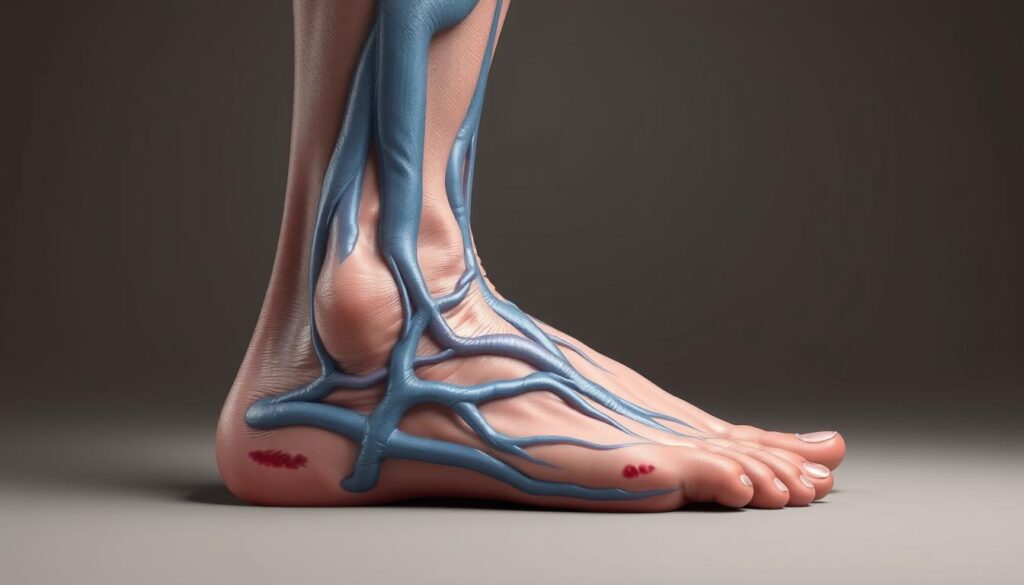
Consider medical evaluation if your discomfort includes signs such as persistent one-sided swelling, prominent varicose veins, skin changes, ongoing heaviness, numbness, weakness, significant pain, or symptoms that do not follow the usual RLS pattern.
Classic RLS is mainly defined by an urge to move that becomes worse during rest, improves with movement, becomes worse in the evening or at night, and is not better explained by another condition. A clinician can help separate true RLS from conditions that mimic it.
When to Talk to a Healthcare Professional
Occasional mild restlessness may be manageable with movement and sleep habits. However, professional evaluation becomes more important when symptoms repeatedly disturb sleep or interfere with daily life.
Consider making an appointment if:
- symptoms occur frequently or are becoming more severe;
- you regularly lose sleep because of the urge to move your legs;
- you are pregnant and symptoms are difficult to manage;
- you have kidney disease, neuropathy, anemia, or another medical condition that may be contributing;
- you recently started a medication and symptoms appeared or worsened;
- you have swelling, skin changes, significant pain, weakness, or numbness; or
- self-care measures are no longer giving enough relief.
A healthcare professional may review your symptoms and medications and order iron studies or other tests when appropriate. RLS is usually diagnosed from the symptom pattern rather than from a single test.
Conclusion
A three-minute routine of calf, quadriceps, and hip-flexor stretches is a simple way to add gentle movement before bed. Use about 20 seconds per side, keep the tension comfortable, and treat the routine as an optional symptom-relief strategy rather than a cure.
Combine stretching with regular moderate activity, movement breaks during long periods of sitting, consistent sleep habits, and attention to triggers such as caffeine. If restless legs frequently interfere with sleep, medical evaluation is worthwhile because problems such as low iron or medication effects may need more than stretching.
Frequently Asked Questions
Can stretching cure restless legs syndrome?
No. Stretching may temporarily ease symptoms for some people, but RLS is a neurological condition and stretching does not cure its underlying causes. Persistent symptoms may require investigation and treatment.
When should I do the three-minute routine?
You can try it during your evening wind-down or when symptoms begin. If vigorous exercise late at night makes your symptoms worse, keep evening movement gentle and do harder workouts earlier in the day.
How long should each stretch last?
For this short routine, start with about 20 seconds on each side. You can hold a comfortable stretch slightly longer if you prefer, but there is no need to force a deeper position.
Why do my legs feel better when I walk?
Temporary improvement with movement is one of the defining features of RLS. Walking, stretching, or moving the legs often reduces the uncomfortable urge while the movement continues, although symptoms can return once you rest again.
Should I have my iron checked?
If you have frequent or clinically significant RLS symptoms, discussing iron testing with your healthcare professional is reasonable. Current sleep-medicine guidance places strong importance on checking iron status in people with RLS. Take iron supplements only when a clinician determines they are appropriate.
Can varicose veins cause restless-leg symptoms?
Venous problems can cause aching, heaviness, swelling, or other leg sensations that may resemble RLS, but visible veins do not prove that they are causing true RLS. A medical evaluation can help distinguish the conditions when the symptoms are unclear.




Don’t Miss These Picks