


A sleep mask can be a simple way to create darkness when streetlights, a partner’s reading lamp, travel, or daytime sleep make a dark room difficult. The strongest reason to use one is straightforward: less light can make it easier to maintain a sleep-friendly environment.
Silk adds a different benefit. Its smooth surface can feel gentler on delicate skin than rougher fabrics, especially if you move a lot during sleep. But a silk mask should not be treated like an anti-aging or acne treatment. Evidence that sleep masks prevent wrinkles, clear acne, or erase dark circles is limited.
The best choice is therefore the one that combines comfortable light blocking with a fit you can wear consistently. Material matters, but fit, cleanliness, pressure around the eyes, and overall sleep habits matter just as much.
Key Takeaways
- Darkness is the main sleep benefit: eye masks can reduce unwanted light and may improve sleep in bright or disruptive environments.
- Silk can reduce rubbing: a smooth surface may create less friction against the eye area than coarser fabrics.
- Skin claims need perspective: silk may feel gentler, but it has not been proven to prevent wrinkles, acne, puffiness, or dark circles.
- Fit matters as much as fabric: look for good nose coverage, a secure strap, and no uncomfortable pressure on the eyelids.
- Cleanliness matters: regular washing helps prevent buildup of oil, skincare products, and debris on the mask.
Helpful Products at a Glance
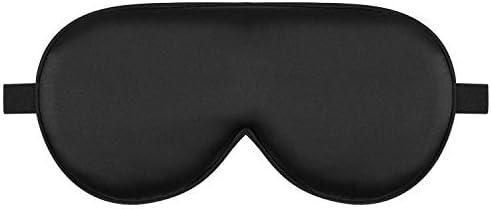
For a lightweight silk option with an adjustable strap, the Alaska Bear Mulberry Silk Sleep Mask is a practical flat-design choice; people who dislike fabric touching their eyelids may prefer a contoured style instead.
- A natural sleep aid and eye relaxer, crafted from Grade 5A 100% organic mulberry silk. Only super-soft, super-smooth and skin-friendly silk offers the breathable, cool relaxation of the soothing masks found at the world's premier spas, a sleep-inducing gift for women, men, all skin types
- ANTI-AGING -- Silk has been shown to reduce friction, which can reduce pressure on creased skin; Helping protect the delicate areas around your eyes by preventing marks that could cause wrinkles
Why Light Blocking Can Support Better Sleep
Light is one of the environmental signals that helps regulate the body’s sleep-wake rhythm. A sleep mask cannot fix every cause of poor sleep, but it can remove one common disturbance: light reaching the eyes when you are trying to rest.
Clinical studies of eye masks are not all identical, and some combine masks with earplugs. In a randomized study of healthy adults exposed to simulated intensive-care-unit light and noise, the earplug-and-eye-mask group had fewer awakenings and shorter sleep-onset time than the untreated environment. Another randomized trial in coronary care patients found better measured sleep effectiveness in the eye-mask group. These studies support eye masks as a useful environmental aid, not as a treatment for chronic insomnia.
If light is a real problem in your room, a mask can also be useful during travel, daytime naps, or shift work. For the best effect, combine it with a cool room, a consistent sleep schedule, and reduced bright-light exposure close to bedtime. See the research on eye masks and sleep in a simulated ICU environment.
What Silk May Do for the Skin Around Your Eyes
The skin around the eyes is thin and easily irritated by rubbing. A smooth silk surface can reduce mechanical drag compared with a rougher textile, which may make the mask feel more comfortable if you sleep on your side or move frequently at night.

That lower-friction contact may help reduce temporary sleep creases and rubbing-related redness. It is reasonable to think of silk as a comfort feature, not a wrinkle treatment. There is not strong clinical evidence showing that wearing a silk sleep mask prevents facial aging over time.
Silk also tends to feel less absorbent than many cotton fabrics, so it may remove less of a moisturizer or eye cream from the skin. Even so, the safest routine is to apply skincare, let it absorb for a few minutes, and then put on a clean mask. Heavy or irritating products trapped under a mask can still cause problems for some people.
What about acne, puffiness, and dark circles?
A clean, smooth mask may reduce friction and direct contact with other bedding, but it should not be presented as an acne treatment. Breakouts are influenced by oil production, clogged pores, hormones, skincare products, and many other factors. A dirty mask can also collect oil and residue, so hygiene matters more than marketing terms such as “hypoallergenic.”
The same caution applies to puffiness and dark circles. Better sleep may help you look more rested, but a silk mask does not directly treat the many possible causes of under-eye darkness or swelling.
Silk vs. Cotton vs. Synthetic Sleep Masks
| Material | Main advantage | Trade-off |
|---|---|---|
| Silk | Smooth, low-friction feel against the skin | Usually needs gentler washing and careful handling |
| Cotton | Breathable, familiar, and often easy to wash | Can feel more textured and may absorb more skincare |
| Synthetic fabric or foam | Often used for structured or contoured designs | Feel and heat retention vary widely by construction |
Silk is a strong choice when skin feel and low friction are priorities. Cotton can be perfectly reasonable if easy care and price matter more. A well-designed synthetic or foam mask may outperform both for light blocking if its contour fits your face better.
How to Choose a Silk Sleep Mask
Start with fit. The mask should block light around the nose without needing to be pulled painfully tight. The strap should stay in place without digging into the back or sides of your head, and the front should not create uncomfortable pressure on the eyes.
Next, decide between a flat and contoured design. Flat masks are simple, lightweight, and easy to pack, but they usually sit closer to the eyelids and lashes. Contoured masks create space around the eyes, which some people prefer, although the extra structure can feel bulkier.
For a verified flat-design example, the Alaska Bear Mulberry Silk Sleep Mask uses a silk outer with a cotton inner, a higher nose cutout, and an adjustable strap listed at 15.8 to 27.6 inches in circumference. Its lightweight design makes it useful for travel or everyday light blocking. The trade-off is that, like other flat masks, it may contact the eyelids more than a deep-cup contour mask.
Do not rely on words such as “organic,” “hypoallergenic,” or “anti-aging” alone. Check the actual material construction, strap design, care instructions, and whether the shape matches how you sleep.
- A natural sleep aid and eye relaxer, crafted from Grade 5A 100% organic mulberry silk. Only super-soft, super-smooth and skin-friendly silk offers the breathable, cool relaxation of the soothing masks found at the world's premier spas, a sleep-inducing gift for women, men, all skin types
- ANTI-AGING -- Silk has been shown to reduce friction, which can reduce pressure on creased skin; Helping protect the delicate areas around your eyes by preventing marks that could cause wrinkles
- 100% COVERAGE & BETTER FIT -- A higher nose cutout conforms to your face contour and block the light underneath w/o putting pression on the bridge of noses
- IDEAL for DRY-EYE SUFFERERS -- The ophthalmologist explained people who can't close their lids fully can experience extremely dry eyes, wear a shade that is against your eyelids it holds your eyes shut, so you don't wake up with dry, itchy eyes like the synthetic ones
How to Use and Clean a Silk Eye Mask
Put the mask on after your nighttime skincare has had a few minutes to settle. Adjust the strap so the mask stays in place without pressure. If you wake with soreness around the eyes, marks from the strap, irritation, or blurred vision from direct pressure, loosen the fit or switch designs.
Follow the manufacturer’s care label. Many silk masks are best hand-washed in cool water with a mild detergent and air-dried. Wash more often if you have oily skin, use rich nighttime products, sweat heavily, or notice visible residue. Keeping your pillowcase clean matters too.
A sleep mask is not a substitute for blackout curtains if your whole bedroom is very bright, but the two can work well together. For travel, a mask is often the easier option because it provides portable light control without changing the environment.
Who Is Most Likely to Benefit?
- Light-sensitive sleepers: especially people bothered by streetlights, hallway light, or a partner’s lamp.
- Travelers: useful on planes, trains, and in hotel rooms with poor blackout curtains.
- Shift workers and daytime sleepers: a mask can help create darkness when the sun is up.
- People who dislike rough fabric around the eyes: silk may feel more comfortable because of its smoother surface.
If you have an active eye infection, recent eye surgery, significant eyelid disease, or a condition that makes pressure around the eyes a concern, ask your eye-care professional before using a tight, weighted, or heated mask. A simple fabric mask should feel comfortable, not therapeutic.
Conclusion
The most convincing reason to use a silk sleep mask is not that it can erase wrinkles or cure skin problems. It is that a well-fitted mask can block unwanted light while a smooth fabric reduces rubbing against delicate skin.
Choose the shape that fits your face, keep it clean, and use it as one part of a larger sleep routine. If silk feels better on your skin, that comfort may make you more likely to wear the mask consistently—which is ultimately more useful than any exaggerated beauty claim.
FAQ
Can a silk sleep mask prevent wrinkles?
There is not strong clinical evidence that a silk sleep mask prevents wrinkles. Its smooth surface may reduce friction and temporary creasing, but sun protection, skincare, genetics, and aging have much larger effects on wrinkle formation.
Can a sleep mask improve REM sleep?
Eye masks can improve the sleep environment by reducing light, and some studies show better sleep outcomes in bright or noisy settings. That does not mean every mask reliably increases REM sleep in every person.
Is silk better than cotton for sensitive skin?
Silk often feels smoother and creates less friction, which some people with sensitive skin prefer. Cleanliness, detergent residue, dyes, fit, and individual sensitivities also matter.
Can I wear a silk mask over eye cream?
Yes. Apply the product first, let it absorb briefly, and then use a clean mask. Stop if you notice irritation or if a heavy product seems to worsen breakouts around the covered area.
How often should I wash a silk sleep mask?
Follow the care label and wash it whenever oil, sweat, or skincare residue builds up. Weekly cleaning is a practical starting point for many people, with more frequent washing if the mask gets oily or dirty sooner.



Don’t Miss These Picks