


Can a simple breathing and cold routine really change how your body and nervous system respond to stress? That question sparked a major 2011 PNAS study at Radboud University and a wave of research that followed.
This ultimate guide breaks down the wim hof method, the science behind cold exposure, and what recent research means for your health today. We’ll explain the three pillars—breathing, cold, and commitment— and how they interact with temperature regulation and whole-body physiology.
The Radboud study mattered because it showed voluntary influence over the autonomic nervous system, a result many thought impossible. That finding opened a new line of inquiry into stress response and human control of internal systems.
Expect clear definitions of terms like method, exposure, and response. You’ll get a balanced view: potential benefits, limits of current studies, and safety-first, practical tips for U.S. readers aiming to use these ideas responsibly.
Key Takeaways
- The 2011 study challenged assumptions about autonomic control and launched wider research.
- The practice blends breathing, cold exposure, and mindset to affect temperature and physiology.
- Evidence varies by study size and design; some benefits are promising but not universal.
- Safety and gradual progress are essential—apply principles with caution and context.
- This guide focuses on clear, science-led insights for health and stress management in the U.S.
What Is the Wim Hof Method? The Three Pillars Behind the “Iceman”
This three-part program combines deliberate breath work, progressive cold, and steady practice to build resilience. It aims to train the body and nervous system through controlled, repeatable stressors.

Breathing: Controlled Hyperventilation and Breath Retention
Breathing exercises start with 30–40 deep, quick breaths, a passive exhale, and a breath hold. After the hold, take a deep inhale and hold it for about 10–20 seconds.
Repeat this cycle 3–4 rounds while seated or lying down. Always practice where you can safely sit or lie and never while driving or in water.
Cold Therapy: From Cold Showers to Ice Baths
Cold exposure ranges from short, cool showers to supervised ice baths. Start with brief cool showers and lower the temperature gradually.
If you choose ice baths, do so with supervision and clear temperature awareness. Cold challenges body temperature regulation and complements the breathing work.
Commitment: Mindset, Meditation, and Consistency
Consistency is the glue. Simple meditation, tracking sessions, and daily practice help turn exercises into lasting habits.
Together: the breathing primes the system, cold gives the stimulus, and steady commitment builds control and energy over time. For guided practice, consider this official link to practice the method.
How the Method Interfaces with the Autonomic Nervous System
The practice can nudge your internal autopilot—briefly raising alertness, then encouraging a calmer recovery. Short, repeatable steps—breath and cold—aim to shape how the nervous system responds to stress.

Sympathetic and Parasympathetic Response: Stress, Energy, and Calm
The autonomic nervous system is the body’s autopilot. It has a sympathetic “go” mode for alertness and a parasympathetic “calm” mode for recovery.
Controlled breathwork can raise arousal for a short time, then produce a rebound toward calm. That pattern may change the timing and intensity of the stress response.
Temperature Regulation and Brain Adaptation in Extreme Cold
Cold exposure challenges temperature control and trains resilience. Short, controlled exposures signal the system to adapt without overwhelming it.
Brain engagement matters: focused attention and deliberate breathing change how you perceive cold stress. A 2018 study showed a single practitioner could use conscious steps to alter ANS reactions, but that case does not guarantee the same results for everyone.
Practical effects vary—some people report sharper energy followed by calm. Real adaptations usually need repeated, careful practice rather than occasional, intense sessions.
Wim Hof Method Science: What the Research Says at present
Researchers have run several targeted studies to see how breathing and cold exposure shape physiological responses. Overall, trials suggest potential immune and autonomic effects but remain small and varied.

The landmark 2011 Radboud PNAS study showed instructors using the wim hof method could voluntarily shift autonomic activity. That result sparked more research and larger questions about control of stress pathways.
- Endotoxin challenge: Trained participants reported fewer symptoms and showed altered immune and inflammation markers versus a control group, suggesting a modulated immune response.
- 2018 brain findings: A case study found conscious steps that matched ANS adaptation under extreme cold, but translation to general groups is uncertain.
- Small trials: One breathing session changed physiology but did not boost repeated-sprint performance. A four-week adolescent trial found no clear breath-control gains.
- Health pilots: Eight-week programs reported lower stress levels and better mood in some groups. An arthritis trial over eight weeks showed safety and supported further research. A spinal cord injury pilot noted improved relaxation, energy, sleep, and respiratory trends, with a randomized trial underway.
Bottom line: early results are promising for immune and stress responses, but more rigorous, larger studies are needed to confirm long-term benefits.
Potential Benefits and Realistic Limitations
Early trials and user groups report lower stress and milder depressive symptoms after weeks of regular practice. However, results vary and clear clinical proof for many conditions is still limited.
Stress, anxiety, and mood over weeks
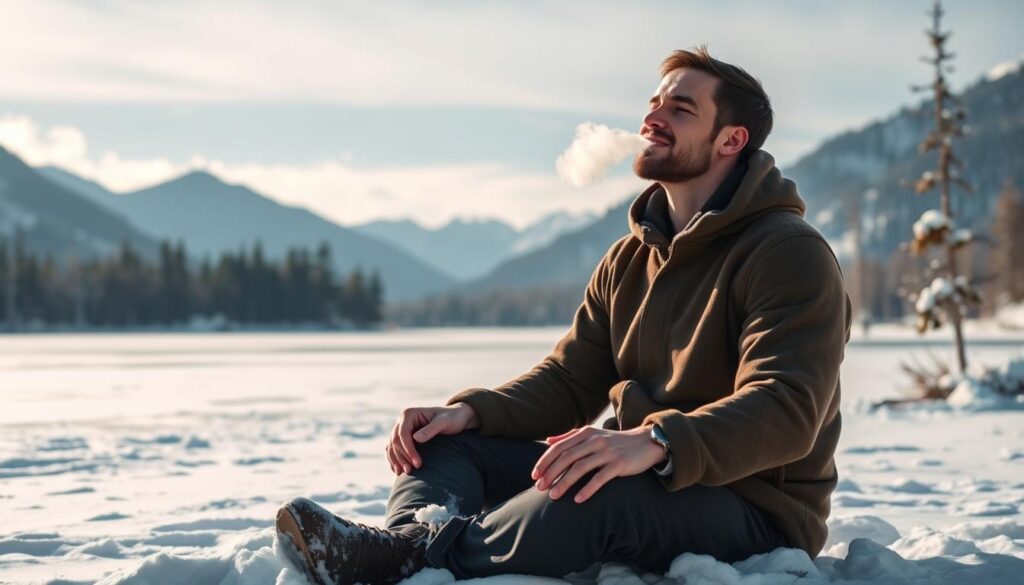
Some groups preparing for extreme expeditions reported reduced stress levels and fewer depressive symptoms after eight weeks. These changes match many user reports of calmer mood and steadier energy.
Immune and inflammatory signals
An endotoxin study found trained participants had fewer symptoms and a stronger immune response. A 2019 arthritis pilot showed safety but not decisive improvement in inflammation. These are promising, not definitive.
Daily energy, sleep, and mental health
Regular sessions can support better sleep, more morning energy, and clearer routines for mental health. Benefits often reflect combined breathwork, cold exposure, and mindset—not a single quick fix.
“Track small wins: mood, sleep, and stress edits give the clearest personal signal.”
| Outcome | Evidence | Practical note |
|---|---|---|
| Stress & mood | Group reports; 8-week reductions | Likely modest; track weekly |
| Immune response | Endotoxin trial: fewer symptoms | Suggests resilience, needs scaling |
| Inflammation | Arthritis pilot: safe | Not yet conclusive for treatment |
| Energy & sleep | User surveys, small pilots | Consistency matters most |
Practical tip: keep a short journal or app to log stress, sleep, and mood. Build exposure gradually and stop if symptoms worsen. If you try the wim hof approach, prioritize safety and realistic expectations.
How to Practice Safely: Step-by-Step, Progressions, and Precautions
Safety first: start gently, track results, and favor control over intensity. Small, repeatable sessions help you learn breathing and cold exposure without pushing past your limits.
Breathing routine guide. Sit or lie down for every session. Begin each round with 30–40 quick, deep breaths and allow a natural exhale. After the last exhale, hold with lungs uninflated as long as comfortable. Take one deep inhale, hold about 15 seconds, then release.

How to modify rounds and builds
Repeat 3–4 rounds. If you feel tingling or lightheaded, pause and breathe normally until you recover. Reduce breath count or rounds as needed to stay steady.
Cold exposure progression
Start with cool finishes to warm showers. Add 10–20 seconds of cold each week. When comfortable, do full cold showers of 1–3 minutes.
Reserve ice baths for supervised sessions with clear temperature control and a companion present.
Key safety rules and practical checks
- Never practice breath holds while swimming, in water, or driving.
- Track heart rate, perceived exertion, and mood to gauge response over time.
- Expect mild symptoms like tingling or dizziness; stop if fainting or severe discomfort occurs.
- Consult a clinician before advancing if you have cardiovascular, respiratory, or neurological conditions.
Who May Benefit and How to Integrate It into Life
This approach can help athletes sharpen focus and speed recovery, and it shows early promise for some clinical groups. Personalization and safety matter: adapt frequency and intensity to your schedule, goals, and medical status.

Athletes and Active People: Focus, Recovery, and Controlled Stress
Where it helps: pre-competition focus, post-training recovery, and resilience training without overreaching.
Short breathing rounds before a warmup can improve mental clarity. Brief cold exposures after tough sessions may ease soreness and speed perceived recovery.
Inflammatory Conditions and Spinal Cord Injury: Early Signals
Early trials with inflammatory conditions and a spinal cord injury (SCI) pilot show cautious optimism. Nearly half of SCI participants reported better relaxation, more energy, and improved sleep after four weeks.
These are promising results, but conditions vary. Coordinate with your clinician before advancing exposure or breath intensity.
Weekly Integration Template
Try a simple weekly plan that fits life and training cycles:
- 3–4 short breathing sessions on training days.
- 3–5 brief cold exposures (30–90 seconds) across the week.
- One full rest day with gentle breathwork or meditation.
- Keep a short log of mood, sleep, and perceived recovery.
| Use case | Frequency | Expected short-term effects |
|---|---|---|
| Athletes (focus/recovery) | 3–5 sessions weekly | Sharper pre-event focus; faster perceived recovery |
| Inflammatory conditions | Gradual, clinician-approved | Early signals of symptom relief; needs more research |
| Spinal cord injury pilot | 4 weeks (pilot) | Reports of more relaxation, better energy, improved sleep |
Practice tip: mix short morning routines, cold finishes to showers, and an evening breath reset. Join a supportive group or coach to improve adherence and safety.
Evidence in Context: Study Sizes, Control Groups, and Time Frames
Study design drives how confidently we read results. Small samples, mixed controls, and short timelines explain much of the variation across reports.
Participants, Groups, and Controls: Understanding Results and Variability
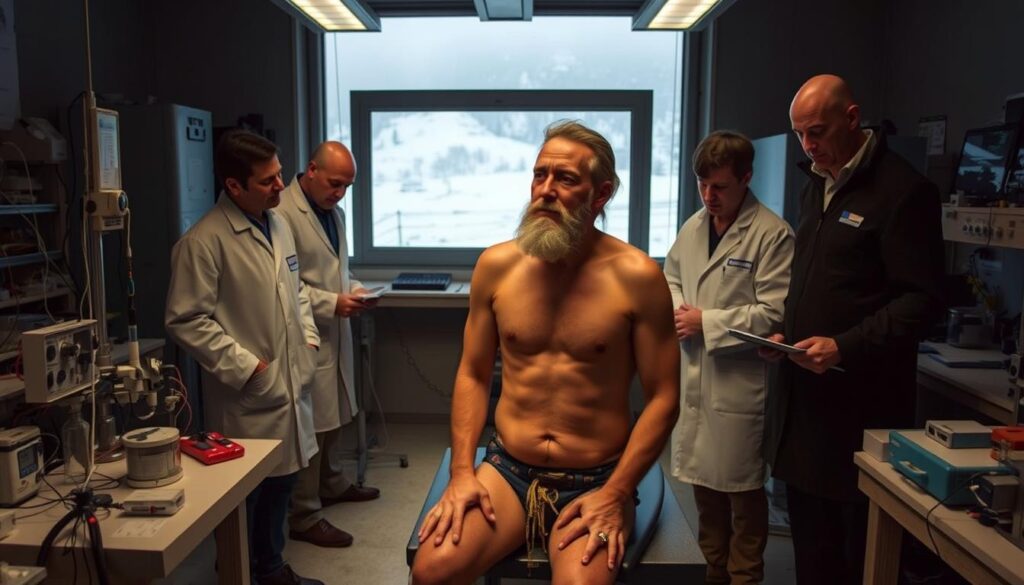
Many early studies used fewer than 20 participants. That small size raises natural statistical variability.
Limited or absent control groups can boost placebo effects or expectancy. Randomized, controlled designs give stronger evidence of true changes.
Across published work, some groups show mood and stress reductions while others find neutral performance outcomes. Differences in recruitment, supervision, and measurements explain those gaps.
Good controls help separate an actual physiological response from a group effect or simple habit change.
Weeks to Months: How Time, Practice, and Commitment Influence Outcomes
Time matters. One-off sessions often change immediate physiology but not lasting levels of stress or sleep.
Eight-week trials report more consistent mood and stress improvements for some participants. That suggests cumulative practice and routine shape real change.
Think of the approach as a system: breathing, cold exposure, recovery, and life load interact. Track your own time, sleep, and stress to judge personal effects.
For more pilot data on feasibility and longer programs, see this pilot feasibility study.
Conclusion
The wim hof approach—built on breathing, cold exposure, and steady commitment—offers a practical way to train the nervous system and body for better stress resilience. Early research, from the 2011 Radboud autonomic finding to endotoxin work showing fewer symptoms and immune shifts, supports cautious optimism while larger studies still arrive.
Conscious breath and focused cold exposure appear to shape brain and temperature responses, but people adapt at different rates.
For daily life, short breathing exercises, measured cold exposure, and simple tracking across weeks can help mental health, stress management, and physical mental goals.
Remember limits: many studies are small and results vary. If you have specific conditions, consult a clinician before advancing practice, and read the endotoxin study for details: endotoxin study.
FAQ
What are the three core pillars of the method and how do they work together?
The approach rests on three linked practices: a specific breathing routine, progressive cold exposure, and a commitment to mindset/consistency. The breathing shifts blood gases and perception of stress, cold exposure triggers adaptive cardiovascular and metabolic responses, and regular practice trains tolerance, focus, and recovery. Together they aim to modify autonomic responses and bolster resilience over time.
How does the breathing routine affect the autonomic nervous system?
Controlled deep breaths followed by breath retention produce transient changes in oxygen and carbon dioxide that prompt sympathetic activation (a short burst of alertness) and subsequent parasympathetic rebound (calm). Lab studies show trained practitioners can voluntarily influence markers of autonomic output and stress hormones, helping explain reported reductions in anxiety and improved stress handling.
Is cold exposure safe, and what progression should someone follow?
Cold exposure can be safe when introduced gradually: start with cool showers, increase duration and coldness over days to weeks, and only advance to ice baths with supervision and awareness of personal limits. Avoid practicing alone, monitor breathing and core signs, and consult a healthcare professional if you have cardiovascular or metabolic conditions.
What does the research say about voluntary control of the autonomic nervous system?
Controlled trials demonstrated that trained individuals could attenuate inflammatory responses and modulate sympathetic output during experimental immune challenges. Results indicate voluntary practices can influence autonomic and endocrine measures, but studies are generally small and require replication in larger, diverse cohorts.
Early trials found reduced self-reported symptoms and altered inflammatory marker profiles during experimental endotoxin exposure after training. These findings are promising but preliminary; there is not yet definitive clinical evidence to recommend it as a primary treatment for inflammatory diseases. Use as a complementary practice and consult specialists for medical conditions.
How quickly might people see benefits for stress, sleep, or energy?
Anecdotes and small studies report improvements in perceived stress, mood, energy, and sleep within a few weeks of consistent practice. Individual timelines vary widely—factors include baseline health, frequency of practice, and lifestyle. Expect gradual gains with regular sessions rather than immediate cures.
Are there risks or groups who should avoid these practices?
People with uncontrolled high blood pressure, cardiovascular disease, seizure disorders, pregnancy, or severe psychiatric conditions should avoid or seek medical clearance before trying intense breathing or cold immersion. Also avoid prolonged breath-holds near water or while driving. Safety first: progress slowly and get professional guidance when in doubt.
How do cold exposure and breathing affect athletic performance and recovery?
Small studies and pilot reports suggest benefits for focus, perceived recovery, and controlled stress responses, which may help training adaptation. Evidence on performance metrics is mixed; some athletes use cold immersion for recovery and parasympathetic activation, but optimal timing and dose depend on sport and individual goals.
What should a beginner’s first routine look like?
A simple starter routine: sit comfortably, perform 3–4 rounds of 30–40 deep breaths with controlled exhalations, then a gentle breath-hold, followed by a short cold shower starting at the end of a warm shower for 15–30 seconds. Gradually increase cold time and breathing rounds over weeks while noting responses and staying within comfort limits.
How solid is the scientific evidence overall?
Evidence is encouraging but limited by small sample sizes, short follow-ups, and select study populations. Key findings show voluntary modulation of autonomic and inflammatory responses, but more large-scale randomized trials are needed to confirm effectiveness across broader clinical conditions and to define best practices.
Can people with spinal cord injury or inflammatory disorders benefit?
Early pilot data indicate potential benefits in some cases, including altered inflammatory markers and improved wellbeing, but results are preliminary. Trials are ongoing and recommendations should be individualized in consultation with specialists experienced in those conditions.
How do practice frequency and time influence outcomes?
Consistency matters: multiple short sessions per week typically yield better adaptation than sporadic practice. Studies and practitioner reports suggest weeks to months of regular engagement are required for stable changes in autonomic balance, stress resilience, and subjective wellbeing.
What objective measures do studies use to evaluate effects?
Research commonly tracks heart rate, heart rate variability, catecholamines, cortisol, inflammatory cytokines, subjective symptom scales, and responses to controlled immune challenges. Neuroimaging and temperature-regulation studies add insights into brain and thermoregulatory adaptations in trained practitioners.
How should someone integrate this practice into a broader wellness plan?
View it as one tool among sleep, nutrition, exercise, and stress management strategies. Start small, set clear goals (stress reduction, recovery, focus), monitor responses, and coordinate with healthcare providers when managing chronic conditions. Combining practices often yields the most sustainable benefits.




Don’t Miss These Picks