


Curious whether herbal formulas can really calm your mind, boost energy, or help your body handle stress? This guide cuts through marketing to show what science and practice say about adaptogens and their real-world effects.
We explain what an adaptogen is, how these herbs and mushrooms may support balance, and where evidence points to real benefits for sleep, fatigue, mood, and immune resilience.
Expect clear, practical advice: short explanations of mechanisms like stress hormones, plain-English summaries of effects, dosing examples, safety notes, and product tips for the U.S. market.
Adaptogens are plants and fungi used to help the body respond to stress and regain balance. People take them as capsules, tinctures, teas, or powders mixed into coffee or smoothies.
We flag quality concerns up front: supplements differ from drugs, so choose products with USP or GMP seals and standardized extracts. This guide previews key herbs — ashwagandha for calm energy and sleep, rhodiola for fatigue, and ginseng for resilience — and shows where studies support use.
Key Takeaways
- Adaptogens can help the body manage stress and support overall health when used thoughtfully.
- Evidence favors benefits for fatigue, attention under stress, and some immune signals, but results vary.
- Use standardized extracts and look for USP/GMP seals to improve product reliability.
- Common forms include capsules, tinctures, teas, and powders for blending into drinks.
- Start low, observe effects, and discuss supplements with your clinician—these complement, not replace, medical care.
What Are Adaptogens? Definition, Criteria, and Why They Matter
These are herbs and fungi that help the body adjust to stress and return to steady-state balance. They aim to support whole-body resilience without acting like a single-target drug.
In practice, an adaptogen should be safe, support the entire stress response system, and help normalize function whether it is over- or underactive.
Three core criteria guide use:
- Nontoxic at normal doses — safe when taken as recommended.
- Whole-body stress support — they influence the nervous, endocrine, and immune systems together.
- Homeostasis — they help normalize the body’s reaction rather than push it one way.
Traditional plant and mushroom sources include ginseng, rhodiola, ashwagandha, eleuthero, schisandra, reishi, and cordyceps. Many show immune-modulating and antioxidant actions that may support the immune system during stress.
“Herbal approaches aim to smooth the stress curve, not spike energy for a short boost.”
| Source | Traditional Use | Typical Benefit |
|---|---|---|
| Ginseng | Vitality, endurance | Supports resilience and immune signaling |
| Rhodiola | Fatigue, focus | Helps mental stamina under stress |
| Reishi | Immune balance | Immune-modulating and antioxidant effects |
| Ashwagandha | Calm energy, sleep support | Reduces perceived stress and supports sleep quality |
Quality varies across brands. Choose standardized extracts and look for USP or GMP seals to improve label accuracy. Remember: these supplements help the body adapt; they do not treat disease and are not equivalent to prescription medicines.
How Adaptogens Work: The Stress Response, HPA Axis, and Cortisol
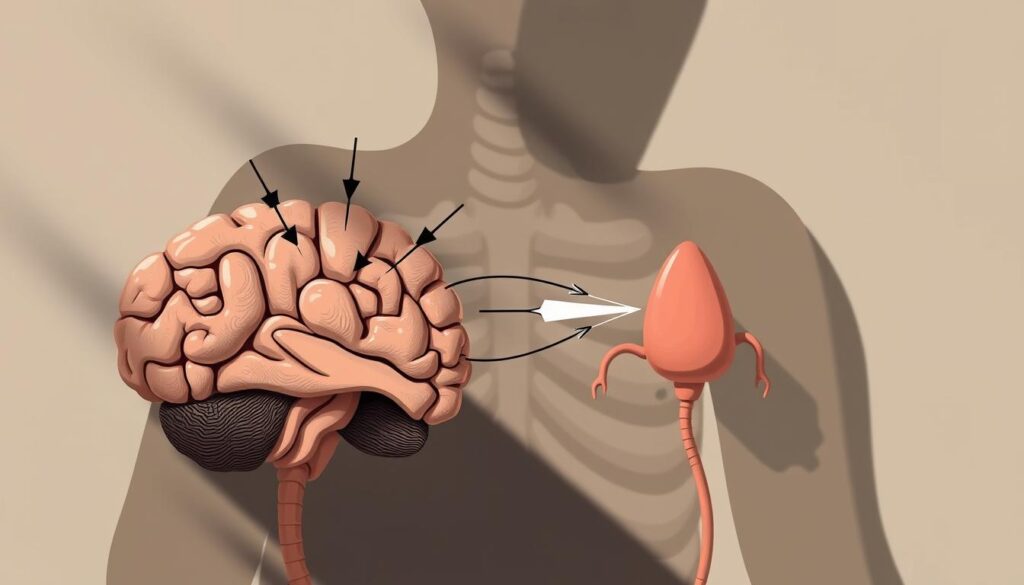
The HPA axis coordinates hormones such as cortisol to shift energy, mood, and immunity during pressure. This section shows how that brain‑to‑gland circuit and cellular mediators help the body adapt rather than overreact.
The HPA axis is the central stress system. It times hormone pulses that raise alertness and mobilize energy. Cortisol helps meet demand and then returns levels to baseline.
Cellular signals that matter
Key mediators include HSP70, JNK1, FOXO proteins, nitric oxide, and ATP dynamics. These affect protein repair, inflammation signaling, cell survival, and energy output.
How adaptogens influence the curve
Herbal agents appear to buffer excessive cortisol swings and prolong the resistance phase of the alarm → resistance model. That can reduce the odds of exhaustion and steady performance under prolonged stress.
Rhodiola rosea compounds like salidroside and tyrosol show neuroprotective and antioxidant activity and modulate eNOS/FOXO3a pathways. Schisandrin B upregulates HSP70, helps mitochondrial glutathione, and supports ATP generation.
Clinical trials report anti‑fatigue effects and better mental work capacity under stress. Withania somnifera, eleuthero (senticosus), and ginseng also show signals for cortisol modulation and stamina.
For a deeper review of HPA axis findings, see this HPA axis research review.
Adaptogens Explained
Think of these herbs as tools that help your body keep calm and perform when stress ramps up. They support built‑in balancing systems so you feel steadier during high demand rather than masking symptoms.
In short: adaptogens help increase nonspecific resistance to stress and nudge physiology back toward normal.
Modern science frames their main benefits as anti‑fatigue, cognitive endurance, and mood resilience when pressure is high. Human trials and lab work link these effects to HPA axis modulation, mitochondrial protection, and cellular stress mediators.
These actions are multi‑system and regulatory — not a one‑herb, one‑receptor drug effect. Research and clinical studies include human trials and mechanistic experiments on rhodiola, schisandra, eleuthero, and prototype tonics like ginseng.
Practical use: best results come with consistent use and standardized products. Expect modest, gradual gains that complement sleep, movement, and nutrition.
Watch for interactions if you take medications or have chronic conditions. Track simple weekly markers — energy, focus, sleep — to see whether a product matches claims and study signals.
For a clear primer on whether these supplements fit your routine, read this guide from UCLA Health.
The Evidence Landscape: Studies, Benefits, and Research Limits
Clinical and lab research shows modest, repeatable benefits for fatigue, attention, and some immune outcomes. But study quality, extract standardization, and sample size shape how confidently we can apply results to everyday use.

Animal, cellular, and human trial highlights on fatigue and attention
Across human trials, studies report anti‑fatigue activity and better attention under stress. Many trials measured mental work capacity and validated fatigue scales.
Rhodiola rosea shows signals for mental and physical fatigue, mood improvements, and lower cortisol responses in small trials. Panax ginseng trials suggest reduced URI risk and severity when taken daily in cold seasons, and benefit in some elderly groups alongside vaccines.
Eleutherococcus senticosus combined with andrographis (400 mg three times daily for several days) reduced acute URI symptoms when started early.
What current studies support vs. where data are limited
- Strengths: many studies use standardized extracts, clear dosing, and validated outcome measures.
- Limits: small samples, short follow‑ups, varied product quality, and mixed disorders tested reduce generalizability.
Bottom line: research supports meaningful but modest effects. Results depend on product standardization, baseline stress, sleep, and activity. View supplements as an adjunct to sleep, nutrition, and stress management—not a replacement.
Stress, Fatigue, and Sleep: Where Adaptogens May Help
These herbs can help smooth late-day tension and low daytime energy by nudging the stress system toward balance. They often support mental stamina during busy spells and ease the “wired-and-tired” loop that disrupts sleep.
Daytime fatigue, mental work capacity, and wired-and-tired patterns
Many people report low daytime energy yet struggle to wind down at night. This pattern creates daytime fatigue and poor focus.
Rhodiola rosea and other adaptogens show signals in small studies for improved attention and reduced fatigue under pressure. Use consistent timing and allow 2–4 weeks to judge benefit.
Ashwagandha is often chosen when nights feel restless from hyperarousal; it can support calmer evenings and better sleep indirectly by lowering stress.
Ginseng may help resilience and quality of life in fatigue settings when standardized extracts are taken regularly.
- Sleep gains are usually indirect — via stress reduction, not sedation.
- Keep bedtime regular, dim lights, and cut caffeine in the afternoon.
- Start low, track symptoms, and give supplements a few weeks to work.
- See a clinician for persistent or severe issues, including chronic fatigue.
Immune System Support: From URIs to Antioxidant Activity
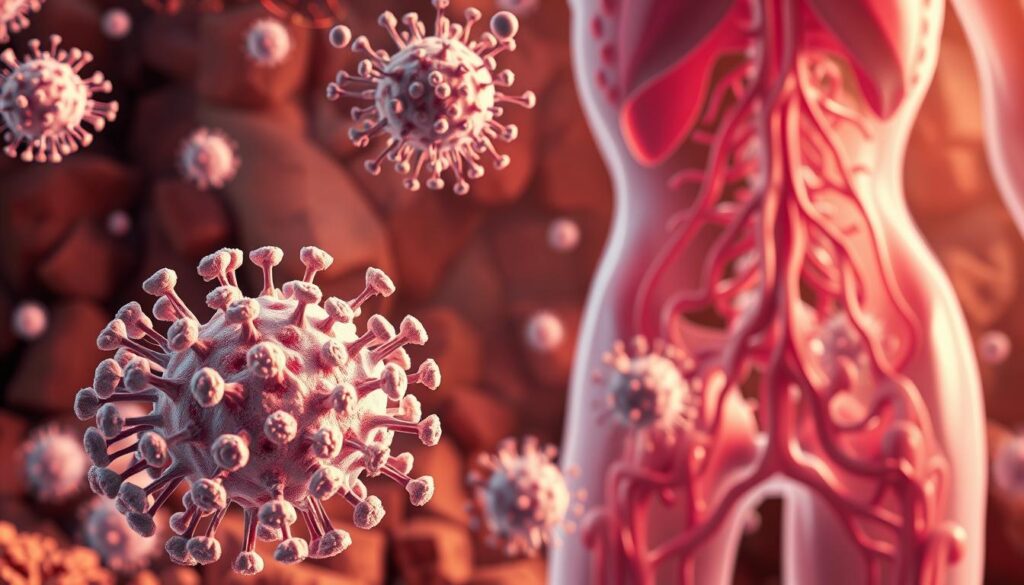
Research suggests certain herbal roots and berries can shorten cold symptoms and boost defense responses. Use of these plant allies often shows as fewer seasonal URIs and shorter illness duration when taken consistently.
How clinical signals show up
Daily use of ginseng during cold and flu season has decreased risk, duration, and severity of upper respiratory infections in several trials. In some studies of institutionalized elderly, ginseng given alongside vaccination lowered influenza risk.
Antimicrobial and antioxidant actions
Ginsenosides show antiviral, antibacterial, and antifungal activity in lab work and can enhance host immunity. Rhodiola rosea and schisandra show immunotropic effects in preclinical models. Eleuthero combined with andrographis shortened early URI symptoms when started within 72 hours.
| Herb | Source | Evidence | Practical note |
|---|---|---|---|
| Ginseng | Root | Lower URI risk & duration; adjunct influenza benefit | Take daily during season; not a vaccine substitute |
| Eleuthero + Andrographis | Root | Reduced early URI symptoms | Begin within 72 hours of symptoms |
| Schisandra / Rhodiola rosea | Berries / root | Immunotropic signals in preclinical studies | Supportive; more human trials needed |
- Start before peak season and keep daily consistency for cumulative benefits.
- Use these herbs as supportive allies—they help the immune system and antioxidant defenses but are not cures.
- Discuss with your clinician if you have chronic disorders or take medications.
Ashwagandha (Withania somnifera): Calm Energy and Sleep Support
For many who feel wired by day and restless by night, Withania somnifera offers a gentler kind of balance. It trends toward calming rather than stimulating, making it a go‑to when stress disrupts sleep and evening rest.
Potential benefits and clinical signals
Withania somnifera often reduces perceived stress and may lower cortisol in short trials. Users report calmer evenings, modest boosts in libido, and some studies suggest fewer depressive symptoms alongside better sleep continuity.
Emerging clinical work also explores adjunct roles in oncology — improving tolerance to radiation or chemo and reducing treatment side effects in preliminary reports.
Forms, typical dosing, and activity
The herb is available as powdered root tea, standardized extracts, tinctures, and capsules. Common extract dosing is 500 mg, two to three times daily (≈2.5% withanolides). Powdered root capsules range across 1–6 g/day; tinctures are often 2–4 mL three times daily.
Safety notes and monitoring
Avoid use in pregnancy and use caution with sedatives—there can be synergy that increases drowsiness. Monitor thyroid medication closely: Withania can affect thyroid activity and some blood markers like glucose in sensitive people.
Start low, watch for side effects such as GI upset or excessive sleepiness, and discuss any medication interactions or major health changes with your clinician.
“Think of this herb as a calming adaptogen that pairs best with good sleep habits.”
- Begin at a low dose for 1–2 weeks, then titrate for effect on sleep latency and morning energy.
- If you take thyroid meds, sedatives, or have blood sugar concerns, coordinate use with your provider.
Rhodiola rosea: Energy, Focus, and Mood Under Stress
Rhodiola rosea is a daytime ally for energy, clearer thinking, and steadier mood during busy periods. It offers anti‑fatigue and anxiolytic signals in small trials and can help during prolonged activity or demanding workweeks.
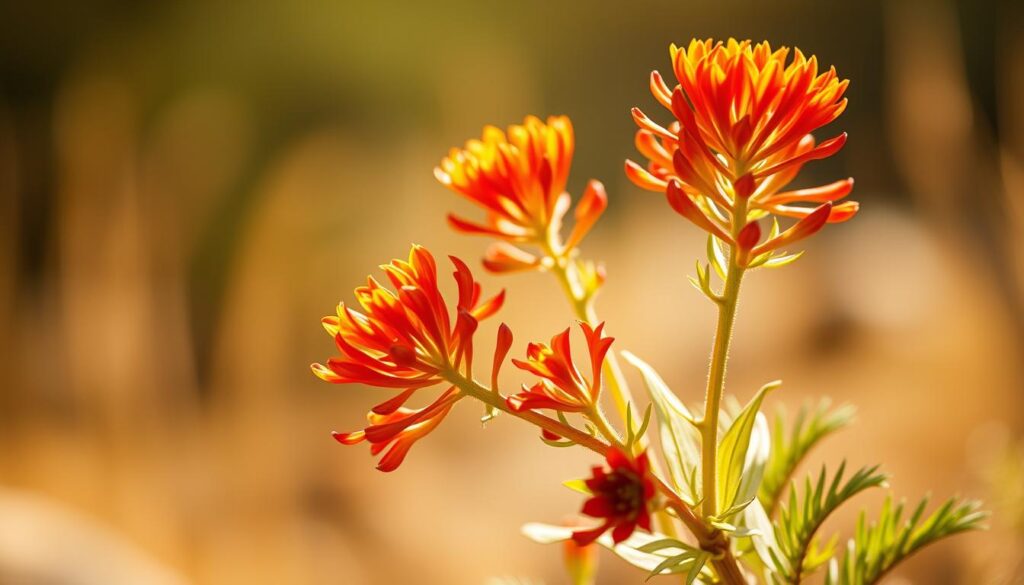
Key constituents—salidroside and rosavin—drive antioxidant, anti‑inflammatory, and immunomodulatory activity. These compounds link to reduced fatigue and lower cortisol responses in some chronic fatigue and stress studies.
Formats and dosing
Common formats include tea, liquid tincture, and standardized capsules. Liquid dosing ranges around 3–5 mL twice daily for tinctures.
Standardized extracts in trials ran from 100–576 mg, often standardized to ~3.6% rosavins and ~1.6% salidroside for predictable activity.
Practical notes and precautions
Many people with daytime fatigue report improved mental clarity and steadier mood when using rosea. Early trials also show modest improvements in low mood and insomnia linked to depression symptoms.
Start low and monitor morning energy and afternoon focus to avoid overstimulation. Side effects are usually mild but can include jitteriness if doses rise too fast.
Consult your clinician before combining rhodiola with antidepressant medications; interactions are possible. Rhodiola may also be stacked with ginseng for complementary benefits, but stacking should be planned carefully.
- Try a low extract dose for 2–4 weeks and track energy and focus.
- If you take antidepressants or other prescriptions, check with your clinician first.
Ginseng (Panax ginseng/quinquefolius): Resilience and Immune Effects
Ginseng roots rank among the oldest plant remedies used to boost resilience and support immune defenses. Both Asian and American varieties show signals for reduced URI risk, better recovery, and antioxidant support linked to ginsenosides.
White vs. red forms and ginsenoside levels
White ginseng is dried raw root. Red ginseng is steamed then dried, which shifts ginsenoside profiles and can change potency and bioactivity.
Processing affects which ginsenosides dominate and may alter antioxidant and resilience signals in lab studies.
Immune outcomes and clinical signals
Routine daily use in trials reduced URI incidence, shortened duration, and lowered severity. In some institutionalized elderly groups, ginseng plus vaccination showed better influenza outcomes.
Dosing examples and product notes
Standardized extract: 100–200 mg with 4–7% ginsenosides. Tincture: 1–2 mL up to three times daily. Capsule examples: 500–1,000 mg once or twice daily. Simmered root tea is also used.
Safety, variability, and practical tips
Products vary widely. Choose labels that list “Panax ginseng” or “Panax quinquefolius” and standardized ginsenoside levels.
Monitor blood pressure and blood glucose—ginseng can raise pressure or lower glucose in some people. It can also cause stimulation, anxiety, or insomnia if taken late.
For those sensitive to stimulation, take doses in the morning and pair supplements with good sleep, movement, and nutrition. Supplements complement—but do not replace—vaccination and standard care.
| Form | Example dose | Typical ginsenoside levels | Notes |
|---|---|---|---|
| Standardized extract | 100–200 mg/day | 4–7% ginsenosides | Most consistent for studies and predictable effects |
| Capsules (root powder) | 500–1,000 mg 1–2x/day | Varies by product | Check label for Panax species and standardization |
| Tincture | 1–2 mL up to 3x/day | Depends on extract | Good for flexible dosing and stacks with other supplements |
| Simmered tea (root) | 1–2 cups/day | Natural range | Traditional; less precise ginsenoside control |
“Think of ginseng as a seasonal support for resilience—best used with consistent lifestyle habits.”
Eleutherococcus senticosus (Eleuthero): Endurance and Recovery
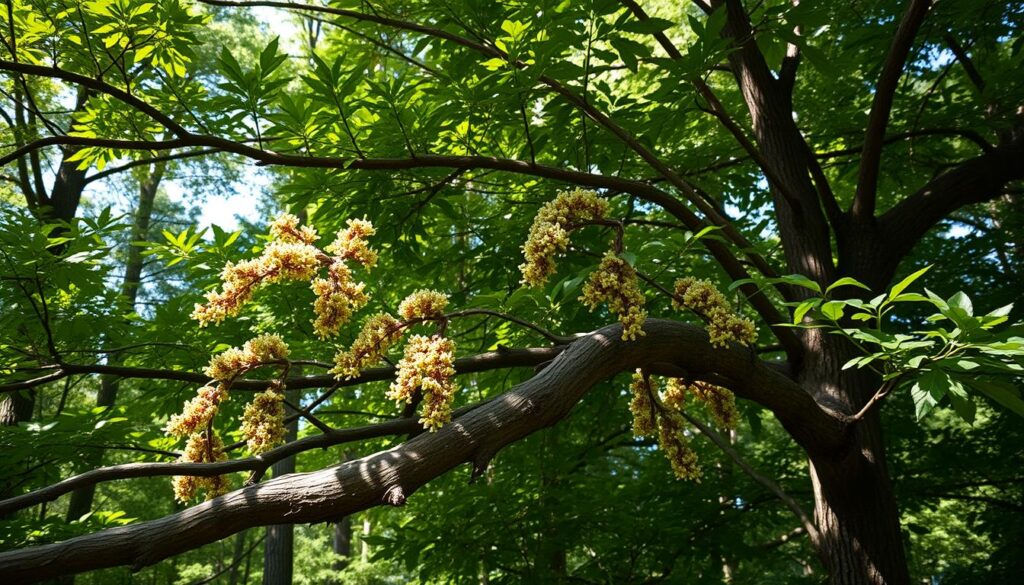
Eleutherococcus senticosus supports endurance and helps the body rebound from repeated physical or mental demand. It’s used traditionally to sustain steady energy and improve sleep in people who are overworked.
URI and HSV2 signals — who may benefit?
When started early, a combo of eleuthero plus andrographis (400 mg three times daily for 4–5 days) cut early upper respiratory symptoms. That makes it a reasonable short course for early colds.
One standardized product (Elagen, 0.3% eleutherosides) at 400 mg daily showed fewer and milder HSV2 outbreaks in some users. These findings suggest senticosus may lower recurrence burden for specific viral disorders.
Dose examples and cardiovascular cautions
Common research doses mirror traditional use: 400 mg daily for standardized extracts in viral trials, and short courses of 400 mg three times daily when combined for URI relief.
Activity profile: eleuthero provides steadier energy rather than a sharp stimulant jolt, so it suits people balancing heavy workloads, travel, or training.
- Watch for side effects: higher doses can cause drowsiness, anxiety, irritability, mastalgia, or uterine bleeding.
- Cardiac caution: palpitations, tachycardia, or raised blood pressure warrant clinician review and discontinuation.
- Use cycles: prefer time‑limited courses with breaks rather than indefinite daily use to lower nerve‑inflammation risks.
“Choose standardized extracts that list eleutheroside content for more predictable results.”
For people needing sustainable daytime energy under chronic stress, eleuthero can be an option. As with other adaptogens, start short, track effects, and consult a clinician if you have cardiovascular concerns or take medications.
Schisandra chinensis: Liver Protection and Mental Performance
Research since the 1960s highlights Schisandra as a tonic that supports coordination, endurance, and hepatic health. The berry blends cognitive uplift with antioxidant and liver‑protective actions that many trials have tracked.
Coordination, endurance, and hepatic enzyme support
Human studies report improved concentration, coordination, and physical stamina with schisandra use. Trials also show reduced SGPT in some viral and drug‑induced hepatitis settings, suggesting real hepatoprotective activity.
Antioxidant mechanisms help explain these effects: schisandrins appear to lower oxidative stress and support liver enzyme recovery while bolstering steady daytime energy and clearer thinking.
Common preparations: tincture, tea, standardized extracts
Typical dosing examples: tincture at 1–2 mL three times daily, simmered tea using dried berries, or standardized extracts labeled for schisandrin content.
- Symptoms that may improve: mental clarity, steadier energy, and faster post‑stress recovery.
- Overlap: pairs well with rhodiola rosea or ginseng for complementary activity when combined thoughtfully.
- Cautions: use care with diabetes, high blood pressure, or if you take psychiatric medications.
Practical tip: choose products that list schisandrin levels and journal energy, focus, and digestive comfort for 2–4 weeks to judge personal response.
Holy Basil, Astragalus, Cordyceps, and Reishi: Other Notable Adaptogens
Some plant allies offer targeted signals for blood sugar, respiratory defense, and cellular immunity in small human trials. They can complement lifestyle measures and other supplements during seasonal stress or recovery.
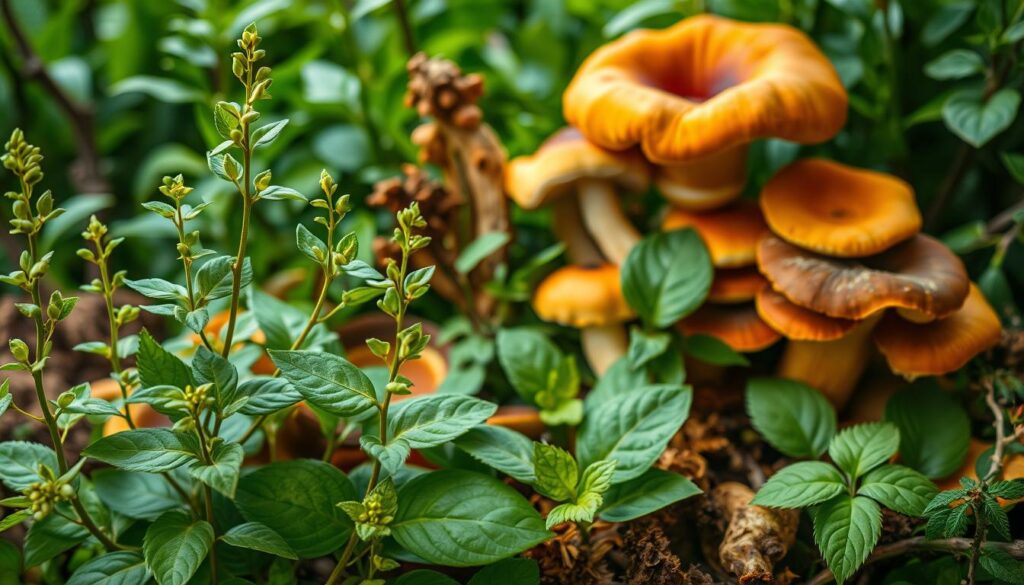
Holy basil: stress, glucose, and lipids
Holy basil (Ocimum sanctum) shows early evidence for anxiety relief and for normalizing blood glucose, blood pressure, and lipid profiles in small studies.
It may also ease restlessness when stress affects sleep. Choose standardized extracts and monitor glucose if you take diabetes medications.
Astragalus: immune modulation and allergy support
Astragalus is a plant used to support antibody responses, interferon levels, and white blood cell function. Trials suggest it can help seasonal defenses and some allergic disorders.
Avoid high doses during active infection and use caution with autoimmune disorders or when on immune‑modulating drugs.
Cordyceps and reishi: cellular immunity and adjunct uses
Cordyceps shows signals for improved NK cell activity and better quality of life after chemotherapy in small trials.
Reishi has antioxidant and immune actions and may work as an adjunct in oncology settings to support host defenses. Side effects include dryness and mild GI upset for some people.
- Formats: capsules, tinctures, and teas—pick standardized, reputable products.
- Pair with sleep, nutrition, and movement for clearer benefits.
- People with low mood or depression may also find indirect gains via improved sleep and stress resilience.
- Ginseng often pairs well in winter immune stacks; avoid stacking too many products at once to track effects.
Practical takeaway: these herbs and mushrooms can support immune and metabolic signals, but individualize choices and consult your clinician before combining multiple supplements.
Safety, Side Effects, and Interactions: What to Know Before You Start
Before you try any herbal formula, know how safety and interactions shape real-world effects. Small risks can turn serious when herbs change medication levels or stress the cardiovascular system.
Supplements are not regulated like drugs; choose products with USP or GMP marks and clear labels. Start one product at a time so you can spot new side effects quickly.
Common side effects by herb
Ginseng can stimulate, raise blood pressure, and lower blood glucose.
Ashwagandha may cause sedation and shift thyroid activity; avoid in pregnancy.
Eleuthero can affect heart rate and blood pressure; use cautiously with cardiac conditions.
Medications to review with your clinician
Watch interactions with anticoagulants, diabetes medications, and antidepressants. Herbs can change drug levels and alter clotting or glucose control.
| Herb | Common side effects | Med cautions | Monitoring |
|---|---|---|---|
| Ginseng | Stimulation, insomnia, lower glucose | Anticoagulants, diabetes meds | Blood pressure, glucose |
| Ashwagandha | Sedation, GI upset, thyroid shifts | Sedatives, thyroid meds | Thyroid panel, daytime sleepiness |
| Eleuthero / Schisandra | Palpitations, mild stimulation, GI | Cardiac drugs, psychiatric meds | Heart rate, BP |
| Astragalus / Reishi | Dryness, stomach upset, rare bleeding | Immune‑modulating drugs, anticoagulants | Autoimmune status, bleeding signs |
Practical safety tips
People with autoimmune conditions should avoid high doses of immune‑stimulating herbs and consult a clinician first. If you have uncontrolled hypertension, pregnancy, or major psychiatric conditions, seek medical oversight before use.
“If new symptoms like palpitations, dizziness, or unusual bleeding occur, stop the product and contact your clinician.”
Simple rule: check labs for blood pressure, glucose, and thyroid before and after starting if you’re at risk. That helps you and your clinician judge true effects and stay safe under stress.
Quality, Dosing, and Formats: Capsules, Tinctures, and Teas
Not all products deliver the same plant power—labels, seals, and extract strength matter most. Choose reliably tested supplements and match the format to your routine so you get measurable results.
Batches and brands vary. In the U.S., look for USP or GMP marks to improve label accuracy and reduce risk.

Standardization and label accuracy
Read labels for standardized active components: ginsenosides for ginseng, rosavins/salidroside for rhodiola, and schisandrins for schisandra.
Products that list these levels give clearer dosing guidance than vague herbal percentages.
Extract strength, timing, and consistent use
Match extract levels to goals. Typical examples: Panax extracts 100–200 mg at 4–7% ginsenosides; rhodiola 100–576 mg standardized to ~3.6% rosavins/1.6% salidroside; ashwagandha ~500 mg twice daily.
Take stimulating herbs earlier in the day. Use calming herbs toward evening. Track effects over a 2–4 week window before judging benefit.
Formats and practical drug administration tips
Capsules and tablets suit travel and precise dosing. Tinctures let you micro‑adjust, and teas follow traditional preparation from root or berry.
- Drug administration: take with food if sensitive and space herbs several hours from prescription medications to lower interaction risk.
- Check home blood pressure or glucose if you use herbs known to affect these measures.
- Prefer brands that publish third‑party testing and clear active component levels rather than marketing claims.
“Start with one product at a time, keep a short trial, and compare standardized ranges to judge real effect.”
For help choosing the right form for your routine, see this guide on how to choose the best form of plant medicine: best form of plant medicine.
Choosing and Using Adaptogens: Practical Steps for the United States
Start with a clear goal: what problem do you want to change and when? Match plant effects to symptoms, then build a simple, time-based routine that keeps safety front and center.
Match herb properties to symptoms: stress response, sleep, fatigue
Begin by listing your priority: smoothing the stress response, evening sleep support, daytime fatigue relief, or immune prep.
Example: students under exam stress may try rhodiola for focus and stamina. Shift workers who need to unwind after late shifts might try ashwagandha for calmer evenings.
For seasonal resilience, ginseng is a common option. Always prefer products with USP or GMP seals and clear active levels on the label.
Building a routine: start low, assess effects, monitor labs if needed
Start low and give each trial 2–4 weeks. Track stress, fatigue, sleep latency, and any side effects in a short daily log.
Space drug administration: stimulating herbs in the morning, calming herbs at night, and separate supplements from prescription doses when prudent.
If you have heart disease, diabetes, or take anticoagulants, check blood pressure and glucose before and during use. Loop in your clinician for complex disorders and share product labels for review.
| Step | Action | Why it helps | Example |
|---|---|---|---|
| Goal | Pick one target | Focuses choice and measurement | Reduce stress spikes → choose calming herb |
| Product quality | Look for USP/GMP & standardization | Predictable levels and safer dosing | Rhodiola with rosavin % on label |
| Trial | Start low, 2–4 weeks, log results | Shows true benefit vs. placebo | 500 mg ashwagandha at night for sleep |
| Safety | Monitor blood, labs, and side signs | Detect adverse effects early | Check glucose if using ginseng |
“Think of supplements as tools that help the body adapt best when paired with good sleep, nutrition, and movement.”
Conclusion
Think of these plant allies as steady supports that build resilience across weeks, not instant fixes. Effects tend to be modest, reliable, and most clear for anti‑fatigue and attention under pressure.
Research and mechanistic data link benefits to HPA axis signaling and cellular mediators; see a compact mechanistic review for details.
Practical picks include ginseng for seasonal immune resilience, rosea for daytime focus, and senticosus for steady endurance. Watch your blood pressure, glucose, and thyroid levels, and choose standardized extracts to reduce variability.
View these herbs as allies, not cures for serious disorders. Start one adaptogen at a time, test for 3–4 weeks, track effects, and consult your clinician if you take medications or have chronic health concerns.
FAQ
What exactly are adaptogenic herbs and mushrooms?
Adaptogenic herbs and mushrooms are plant- and fungal-derived remedies traditionally used to support resilience to physical and mental stress. They’re defined by three core criteria: low toxicity in normal doses, a broad ability to support whole‑body stress responses, and the capacity to help the body maintain or restore balance (homeostasis). Common examples include ashwagandha (Withania somnifera), rhodiola rosea, Panax ginseng, eleutherococcus (eleuthero), schisandra, holy basil, astragalus, cordyceps, and reishi.
How do these botanicals influence the stress response and cortisol?
These herbs interact with the body’s stress systems, especially the hypothalamic‑pituitary‑adrenal (HPA) axis, which helps regulate cortisol, mood, metabolism, and immune activity. Molecular signals linked to their effects include heat‑shock proteins (HSP70), JNK1, FOXO transcription factors, nitric oxide signaling, and cellular energy (ATP) dynamics. In practical terms, they may buffer spikes in cortisol, support a steadier stress response, and prolong the adaptive “resistance” phase after acute stress.
What benefits does the research support—and where is evidence limited?
Human trials, animal studies, and cell research show promising results for reducing fatigue, improving mental focus under stress, and modestly improving sleep and mood in some populations. Stronger evidence exists for specific outcomes—like rhodiola for fatigue and ashwagandha for stress and sleep—while data remain limited or mixed for long‑term disease prevention, robust immune protection, and many dosing regimens. More large, well‑controlled human trials are needed.
Can these herbs help with daytime fatigue or “wired‑and‑tired” sleep problems?
Some people report improved daytime energy, clearer focus, and better ability to handle mental work after using certain preparations. Rhodiola and Panax ginseng have data for anti‑fatigue effects; ashwagandha is often reported to ease anxiety‑related sleep disruption. Results vary by individual, product quality, dose, and timing. If sleep problems are severe or persistent, evaluate sleep hygiene and seek medical assessment for conditions like sleep apnea.
Do adaptogen products boost the immune system or protect against URIs?
Several herbs show immune‑modulating and antioxidant activity in lab and animal studies. Panax ginseng and astragalus have supportive data for reducing severity or duration of upper respiratory infections in some trials, and eleuthero has limited data against HSV2. These botanicals may serve as adjuncts to immune care but are not substitutes for vaccines, antiviral drugs, or medical treatment when indicated.
How should I choose a form and dose—capsules, tinctures, teas, or extracts?
Choose a format that matches your needs and lifestyle. Standardized extracts (with labeled active markers such as rosavin or salidroside for rhodiola, ginsenosides for ginseng) offer consistent dosing. Capsules and tablets are convenient; tinctures work well for dose titration; teas may be milder. Follow product label dosing, start with a low dose, and allow several weeks to assess effects. Look for GMP or USP quality assurances and third‑party testing.
Are there safety concerns, side effects, or common interactions?
Yes. Side effects vary by herb: stimulatory herbs can raise blood pressure or cause jitteriness; sedating herbs may increase drowsiness; some affect blood glucose or thyroid function. Key interaction concerns include anticoagulants (blood thinners), diabetes medications, antidepressants (risk of serotonin interactions), and immunosuppressants. People with autoimmune disease, pregnant or breastfeeding women, and those on multiple prescription drugs should consult a clinician before use.
Is ashwagandha safe with thyroid conditions or thyroid medication?
Ashwagandha can affect thyroid hormones in some studies and may raise thyroid activity in susceptible people. If you have hypothyroidism, hyperthyroidism, or take thyroid replacement (levothyroxine), discuss use with your provider and monitor thyroid labs if you start ashwagandha.
Can I take these herbs with antidepressants or blood pressure medicines?
Caution is warranted. Rhodiola and some ginseng products can interact with antidepressants and theoretically affect serotonin or norepinephrine pathways. Ginseng and eleuthero can influence blood pressure or interact with antihypertensive drugs. Always check with a pharmacist or clinician for specific interactions before combining supplements with prescription medications.
How long does it take to notice effects and how long should I use them?
Some people notice changes within days (energy, focus), while mood or sleep benefits may take 4–8 weeks. For chronic support, many practitioners recommend using a consistent regimen for at least a month, then assessing effects and considering cycling off periodically (for example, taking breaks every few months). Individual response and product quality drive timing decisions.
What quality markers should I look for when buying products?
Look for standardized extracts that list active components (e.g., rosavin or salidroside for rhodiola, ginsenosides for ginseng), third‑party testing (USP, NSF, or independent labs), GMP certification, clear dosing, and transparent ingredient sourcing. Avoid proprietary blends that hide exact amounts of active compounds.
Are there population groups who should avoid these herbs entirely?
Pregnant and breastfeeding people should generally avoid many of these herbs unless supervised by a qualified clinician. People with autoimmune disorders, uncontrolled cardiovascular disease, severe hypertension, or those on complex medication regimens should seek medical advice before starting any of these botanicals.
Can these herbs be used alongside conventional treatments for chronic fatigue or depression?
Some herbs have been studied as adjuncts to conventional care and may offer symptom relief for fatigue, sleep, or stress‑related mood symptoms. However, they should not replace evidence‑based medical treatments. Coordinate with your healthcare team to ensure safe combinations, monitor symptoms, and adjust prescribed therapies if needed.
How do I pick which herb might match my goals—calming, energy, immune support?
Match herb properties to symptoms: ashwagandha often suits anxiety, sleep, and stress‑reduction goals; rhodiola targets fatigue and cognitive stamina; Panax ginseng supports resilience and some immune outcomes; astragalus and reishi are selected for immune modulation. Start with a single herb, low dose, and track outcomes over several weeks to find what works best for you.
Are there any laboratory tests I should monitor while using these supplements?
Monitoring depends on your health background. Consider checking blood pressure, fasting glucose, thyroid function (if using ashwagandha), and relevant medication levels or clotting markers if you’re on anticoagulants. Discuss a monitoring plan with your clinician, especially when combining supplements with prescription drugs.
Where can I find reliable research and further reading?
Trusted sources include PubMed, the National Institutes of Health (NIH), the U.S. National Library of Medicine, Mayo Clinic, and peer‑reviewed journals on phytotherapy and clinical nutrition. Look for randomized controlled trials and systematic reviews when evaluating efficacy.


Don’t Miss These Picks