

Can licorice root really balance your hormones, ease menopause symptoms, or help with stress? This sweet-tasting herb has been used in traditional medicine for centuries. Today, it appears in supplements, herbal teas, digestive products, and skin-care formulas.
Research suggests licorice root may influence certain hormones and relieve some symptoms, but there is not enough evidence to call it a reliable hormonal treatment. Some effects that sound beneficial, such as slowing cortisol breakdown, can also create serious health risks.
In this guide, you’ll learn how licorice root works, what clinical studies have found, why DGL differs from regular licorice, and how to evaluate products without overlooking safety.
Key Takeaways
- Hormonal balance: Licorice contains compounds that affect hormone-related pathways, but it has not been proven to correct hormonal imbalances.
- Menopause and menstrual cramps: Small clinical trials suggest possible symptom relief, although stronger research is needed.
- Stress and cortisol: Licorice can slow cortisol breakdown, but this does not establish better energy or stress control.
- Digestive support: Certain deglycyrrhizinated licorice (DGL) extracts show promising results for digestive symptoms.
- Safety: Regular licorice can raise blood pressure and lower potassium. People with certain health conditions should avoid it.
What Is Licorice Root?
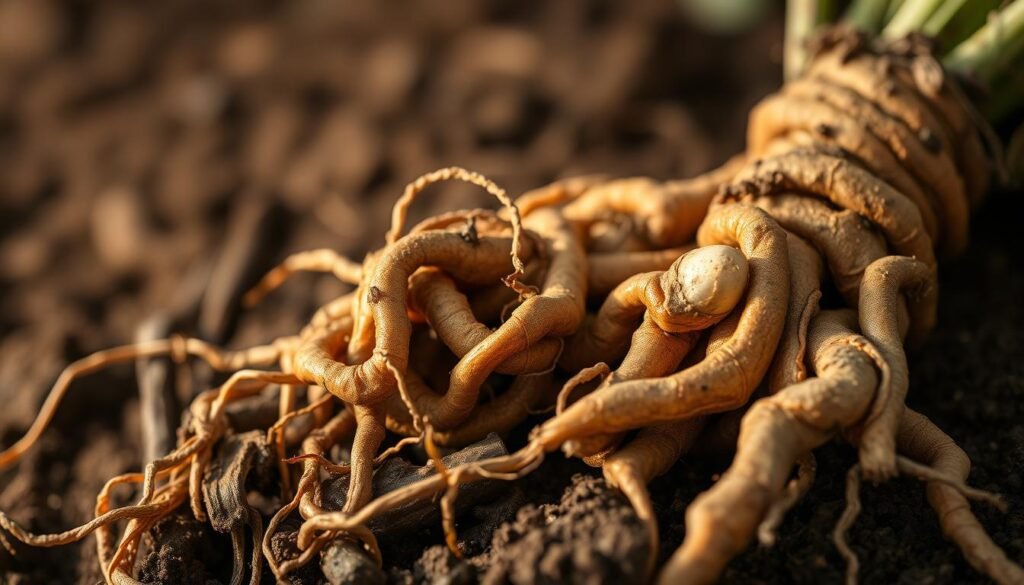
Licorice root comes from plants in the Glycyrrhiza family, including Glycyrrhiza glabra. These plants grow in parts of Europe, Asia, and the Middle East.
Traditional Chinese, Ayurvedic, and European medicine have used licorice for coughs, digestive discomfort, and skin problems. However, a long history of use does not automatically prove that a treatment works.
Licorice Root vs. Licorice Candy
Licorice candy is not the same as a medicinal extract. Many candies use anise flavoring instead of real licorice. Others contain genuine licorice, sometimes in amounts that can affect blood pressure.
Herbal supplements may contain concentrated root extracts, while DGL products have most of the glycyrrhizin removed. The difference matters because the compounds and potential risks are not the same.
How Does Licorice Root Affect Hormones?
Licorice contains several natural chemicals. Researchers are particularly interested in glycyrrhizin and plant compounds called flavonoids.
- Glycyrrhizin: Influences cortisol metabolism and can affect blood pressure and potassium.
- Liquiritigenin: Shows estrogen-like activity in laboratory research.
- Glabridin: Has antioxidant activity and is studied for skin-related benefits.
- Licochalcone A: Shows anti-inflammatory activity in laboratory experiments.
Its Connection to Cortisol
Cortisol is a hormone involved in stress responses, blood pressure, and metabolism. Your body normally controls how much active cortisol is available in different tissues.
Compounds from licorice inhibit an enzyme called 11-beta-HSD2, which normally converts active cortisol into a less active form. This can increase cortisol’s effects, especially in the kidneys.
That does not mean licorice helps the body handle stress better. Increased cortisol activity can cause sodium and water retention, potassium loss, and higher blood pressure.
Does Licorice Have Estrogen-Like Effects?
Some licorice flavonoids can interact with estrogen receptors in laboratory studies. This has led researchers to investigate possible effects on menopause symptoms.
However, laboratory activity does not prove that taking licorice raises estrogen to a healthy level or corrects a hormone disorder. The actual effect depends on the extract, dose, and person.
A scientific review of botanical compounds and women’s health describes the potential mechanisms while emphasizing the limited quality of clinical evidence.
Licorice Root Benefits for Hormonal Balance: What Studies Show
Three areas receive the most attention: menopause symptoms, menstrual cramps, and stress-related hormone activity. The findings are interesting, but the studies are not strong enough to support routine treatment.
1. Menopause and Hot Flashes
A randomized trial involving 90 menopausal women investigated licorice extract for hot flashes. Participants in the treatment group took three 330 mg capsules daily for eight weeks.
Researchers reported reductions in hot flash frequency and severity during treatment. The benefits faded during follow-up after treatment stopped.
These findings are promising, but the study was relatively small and had limitations. Its results should not be treated as proof that ordinary licorice supplements provide the same benefit.
See the published menopause trial for details.
What should you do instead? Start with practical steps such as keeping your bedroom cool, wearing removable layers, and identifying personal hot flash triggers.
For symptoms that interrupt sleep or daily life, discuss proven treatments. The American College of Obstetricians and Gynecologists identifies hormone therapy as the most effective treatment for hot flashes, although it is not suitable for everyone. Effective nonhormonal options are also available.
2. Menstrual Cramps
A randomized clinical trial studied licorice syrup in 60 participants with moderate or severe menstrual cramps. Researchers compared it with ibuprofen over two menstrual cycles.
Both groups experienced pain reduction. The study did not find a statistically significant difference in pain relief between the treatments.
However, this was one small study using a particular syrup. It does not establish that licorice is as effective or as safe as ibuprofen for everyone.
Read the menstrual pain clinical trial.
Heating pads, gentle activity, and appropriate pain medication remain practical options. Seek medical evaluation for severe, worsening, or unusual menstrual pain.
3. Stress, Mood, and Adrenal Support
Licorice is sometimes promoted for adrenal fatigue, low energy, and stress resilience. These claims often focus on its ability to influence cortisol activity.
There is no convincing clinical evidence that licorice improves everyday stress resilience or treats adrenal fatigue. Increasing cortisol activity is not the same as restoring healthy hormone regulation.
For ongoing fatigue, sleep problems, or unexplained changes in energy, identifying the underlying cause is more useful than trying to manipulate cortisol with supplements.
Licorice Root Benefits Beyond Hormones
Although hormonal claims attract attention, researchers have also investigated licorice for digestion, skin conditions, and oral health.
Digestive Health, Acid Reflux, and DGL
Licorice has traditionally been used for indigestion and stomach discomfort. Some extracts may influence the protective lining of the digestive tract.
A 2025 randomized trial involving 200 adults tested a specific flavonoid-rich, deglycyrrhizinated licorice extract called GutGard for 28 days.
Participants receiving the extract reported greater improvements in reflux-related symptoms, including heartburn and regurgitation, than those receiving placebo.
That is encouraging evidence for the tested formulation. It does not prove that every DGL tablet, licorice tea, or herbal blend works equally well.
H. pylori and Stomach Ulcers
Helicobacter pylori is a bacterium that can cause stomach inflammation and ulcers.
In a 2016 trial involving 120 patients, adding licorice to a standard antibiotic treatment regimen improved bacterial eradication rates compared with the regimen alone.
However, this finding needs confirmation, and licorice is not a replacement for prescribed H. pylori treatment. Untreated infection can lead to serious complications.
Skin Brightening and Eczema
Licorice-derived compounds appear in some skin-care products because of their antioxidant and anti-inflammatory properties.
Glabridin and related compounds have been studied for effects on pigment formation, while preliminary research suggests certain topical licorice gels may help relieve eczema symptoms.
For dark spots, a simple routine is more useful than combining numerous herbal products:
- Cleanse your skin gently.
- Apply a properly formulated licorice-containing serum according to its instructions.
- Use moisturizer to support the skin barrier.
- Apply broad-spectrum SPF 30 or higher sunscreen every morning.
- Stop using a product if irritation develops.
Topical licorice does not replace sunscreen, prescribed eczema treatments, or professional care for persistent pigmentation.
Throat and Oral Health
Licorice mouth rinses and gargles have shown possible benefits for recurring canker sores. Some studies also suggest that licorice lozenges or gargles may reduce sore throat symptoms after surgical breathing-tube placement.
These are targeted uses, not proof that drinking licorice tea treats respiratory infections or dental disease.
The NIH National Center for Complementary and Integrative Health summarizes these findings and notes that higher-quality research is still needed.
Licorice Root Side Effects: Important Safety Risks
Licorice may be natural, but that does not make concentrated extracts harmless. The biggest concern is glycyrrhizin, which can affect blood pressure, fluid balance, and heart rhythm.
In a 2024 randomized crossover trial, a daily intake containing 100 mg of glycyrrhizic acid increased home systolic blood pressure in healthy volunteers over two weeks.
This challenges the idea that 100 mg per day is a guaranteed safe limit. Individual sensitivity varies, and adverse effects can occur at lower exposures in vulnerable people.
Possible Side Effects
- High blood pressure: Blood pressure may increase even before obvious symptoms develop.
- Fluid retention: Sodium and water buildup can cause swelling.
- Low potassium: Symptoms may include muscle weakness, cramps, or unusual fatigue.
- Heart rhythm problems: Severe potassium depletion can trigger dangerous arrhythmias.
- Other effects: Headaches and changes in hormone-related activity may occur.

Who Should Avoid Regular Licorice Supplements?
People in the following groups should avoid self-treating with glycyrrhizin-containing licorice:
- People with high blood pressure.
- Those with heart disease, kidney disease, or existing low potassium.
- People experiencing unexplained swelling or fluid retention.
- Pregnant or breastfeeding individuals, because of pregnancy risks and limited safety information.
- People taking medications that may interact with licorice.
Medication Interactions
Licorice may interfere with medicines used to control blood pressure or fluid balance. Interactions involving corticosteroids have also been reported.
Particular caution is needed with:
- Diuretics that can lower potassium.
- Blood pressure medications.
- Digoxin and other medicines affected by potassium changes.
- Corticosteroids.
- Warfarin and other medications where interactions need professional review.
Ask a pharmacist to review your complete medication list before taking oral licorice. Seek urgent medical attention for fainting, severe weakness, chest pain, or significant palpitations.
Licorice Root vs. DGL: Which Form Makes Sense?
Not all licorice products contain the same ingredients or carry the same risks. The intended use should guide the choice, rather than the word “natural” on the label.
Regular Licorice Root
Traditional teas, powders, tinctures, and capsules may contain glycyrrhizin. The amount varies considerably among products.
These preparations are not reliable treatments for hormonal imbalance, and routine use can be risky, especially for people with blood pressure concerns.
Deglycyrrhizinated Licorice (DGL)
DGL is licorice processed to remove most of its glycyrrhizin. This reduces the main mechanism responsible for fluid retention, high blood pressure, and potassium loss.
DGL is commonly available as chewable tablets or capsules intended for digestive support. It is not interchangeable with regular licorice in studies investigating hormone-related effects.
DGL has a potentially better safety profile, but that does not make it risk-free or establish that it is safe for unlimited long-term use. The evidence also depends on the specific formulation.
Topical Licorice Products
Serums, creams, and gels allow licorice-derived compounds to be applied directly to the skin. They are mainly relevant to pigmentation and skin irritation, not whole-body hormonal balance.
Choose a properly formulated skin product rather than mixing concentrated oral extracts into homemade creams. Patch testing can help identify irritation before broader use.
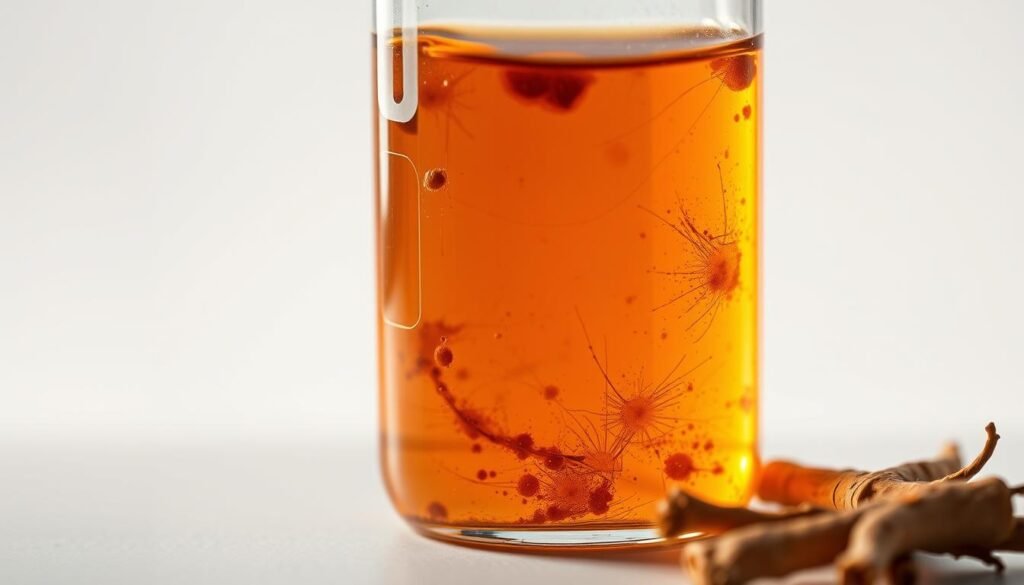
Dosage and How to Choose a Quality Product
There is no well-established, universally safe licorice dose for hormonal balance. Studies use different extracts and quantities, so copying a research dose is not a reliable way to self-treat.
Before considering a supplement, check these details:
- Identify the form: Determine whether it contains regular licorice or DGL.
- Read the ingredient label: Check the serving size, extract concentration, and glycyrrhizin information when available.
- Check the intended use: A digestive-support product is not automatically suitable for menopause or cortisol-related concerns.
- Look for independent testing: Reliable quality programs may help verify ingredients and screen for contaminants. Check whether a claimed certification applies to the exact product.
- Review your medications: Discuss oral supplements with a clinician or pharmacist, especially if you have an existing health condition.
For more guidance on evaluating supplements, see the NIH Office of Dietary Supplements consumer guide.
Practical Ways to Address Symptoms Without Relying on Licorice
If your goal is better hormonal health, focus first on the specific symptom rather than choosing a supplement marketed for general balance.
- For hot flashes: Keep your sleeping area cool, identify triggers, and discuss proven hormonal or nonhormonal treatments if symptoms are disruptive.
- For menstrual cramps: Try heat therapy and appropriate pain relief. Get evaluated if pain is severe or changing.
- For stress and fatigue: Prioritize consistent sleep, regular activity, and evaluation of persistent symptoms instead of trying to increase cortisol activity.
- For reflux: Avoid lying down soon after meals, identify trigger foods, and discuss treatment for frequent symptoms.
- For dark spots: Use daily sunscreen and consider well-formulated topical products with evidence-supported ingredients.
If you and your clinician decide to try a licorice-based product, agree on the goal, duration, and signs that would mean stopping it. Tracking symptoms can help you judge whether it is actually useful.
Frequently Asked Questions
Can Licorice Root Increase Estrogen?
Some licorice compounds show estrogen-like activity in laboratory studies. However, there is not enough clinical evidence to establish that taking licorice safely or reliably increases estrogen in humans.
Can Licorice Root Lower Testosterone?
Small studies have explored licorice’s possible effects on androgen hormones, including testosterone. Results are too limited to recommend it for high testosterone, PCOS, or other hormonal disorders.
Is DGL Better Than Regular Licorice for Hormonal Balance?
No. DGL removes most of the glycyrrhizin responsible for some systemic effects. It is mainly studied and marketed for digestive support, not hormonal balance.
Can I Drink Licorice Tea Every Day?
Daily regular licorice tea may expose you to glycyrrhizin, sometimes in uncertain amounts. Regular use is especially concerning if you have high blood pressure, kidney or heart problems, or take interacting medicines.
How Long Does Licorice Root Take to Work?
There is no established timeline for hormonal balance. Some small studies measured symptom changes over several weeks, but these results cannot predict how an individual will respond.
Is Licorice Root Safe During Pregnancy?
Concentrated oral licorice is best avoided during pregnancy. Research has linked high licorice intake with pregnancy-related risks, and safety information during breastfeeding is limited.
Conclusion: Is Licorice Root Worth Trying for Hormonal Balance?
Licorice root has interesting biological effects, but the evidence does not support using it as a general hormone-balancing supplement. Small trials suggest possible relief for hot flashes and menstrual cramps, while certain DGL formulations show potential for digestive symptoms.
The safety concerns are more firmly established. Glycyrrhizin can raise blood pressure, lower potassium, and interfere with medications. A supplement that alters cortisol activity is not necessarily improving hormonal health.
If you are dealing with hot flashes, menstrual problems, fatigue, or digestive symptoms, identify the underlying issue and choose treatment based on the evidence. Licorice may have a limited role in specific situations, but it should not replace safer, better-studied care.