


A two-minute gratitude practice can make reflection easier to repeat, but the phrase “gratitude rewiring” needs a little context. Research suggests gratitude exercises can produce small improvements in well-being and may affect how the brain responds to gratitude over time. It does not show that exactly two minutes a day permanently “rewires” the brain or guarantees better sleep, mood, or stress resilience.
The useful idea is simpler: briefly direct attention toward something genuinely good, recognize where some of that good came from, and pause long enough to appreciate it. The routine below takes about two minutes, needs no special equipment, and can be done in the morning, before bed, or during another predictable part of your day.
Gratitude researcher Robert Emmons describes two core elements: affirming goodness and recognizing that at least some of its sources lie outside ourselves. That makes the practice more specific than simply telling yourself to “think positive.”
Key Takeaways
- The two-minute format is a practical habit tool, not a scientifically established minimum dose.
- Focus on specific events, people, or details instead of broad statements such as “I’m grateful for everything.”
- Recognizing another person’s contribution adds the social side of gratitude.
- A brief sensory pause can help you stay with the moment instead of rushing through a checklist.
- Research supports modest well-being benefits from gratitude interventions, while sleep and physical-health findings remain less certain.
Helpful Products at a Glance
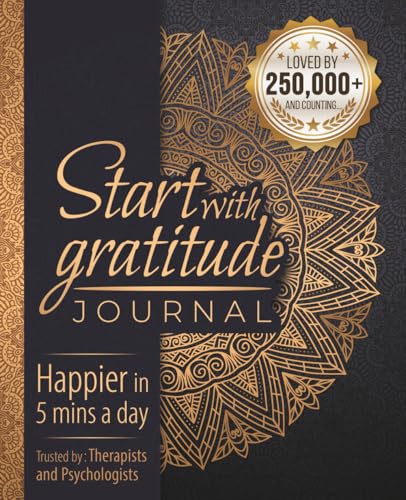
If you prefer guided prompts instead of a blank notebook, Start With Gratitude: Daily Gratitude Journal offers a ready-made structure. It is designed around a five-minute routine, so it fits best if you want more guidance and do not need to keep every session to exactly two minutes.
What “Gratitude Rewiring” Really Means
In everyday language, “rewiring” means practicing a mental pattern often enough that it becomes easier to use. With gratitude, that pattern is noticing a positive event, identifying why it mattered, and sometimes recognizing the person who contributed to it.
That does not require pretending that everything is good. You can be stressed, disappointed, or grieving and still notice one small thing that helped: a friend checking in, a quiet cup of coffee, a task you finished, or a few minutes outside.

Specificity matters because it gives your attention something concrete to work with. “I’m grateful for my family” is meaningful, but “I’m grateful my sister called when she knew I had a rough day” is easier to picture and appreciate.
What the Research Says About Gratitude
The evidence is encouraging, but it is more measured than many “rewire your brain” claims suggest. A 2025 meta-analysis covering 145 papers and more than 24,000 participants found that gratitude interventions produced a small overall improvement in well-being. Effects varied across studies, countries, intervention types, and outcomes.
There is also some evidence of lasting changes in how people respond to gratitude. In a 2016 randomized study of psychotherapy clients, participants assigned to gratitude-letter writing later showed greater gratitude-related activity in the medial prefrontal cortex. That is interesting evidence of neural sensitivity, but the intervention involved gratitude writing over time—not a proven two-minute brain-rewiring formula.

What About Sleep, Stress, and Physical Health?
Gratitude may help some people feel calmer or sleep better, but the evidence is not uniform. A systematic review of randomized gratitude interventions found improved subjective sleep quality in five of eight studies that measured it, while concluding that more research was needed before making firm claims about physical-health outcomes.
So it is reasonable to use gratitude as a low-effort well-being practice. It is not reasonable to promise that it will reliably improve immunity, relieve pain, treat depression, or change sleep within a specific number of days.
The 2-Minute Gratitude Practice
Use this sequence once a day, or as often as it feels useful. The time divisions are simply a structure to make the exercise easy to remember.
| Time | What to Do | Focus |
|---|---|---|
| 0:00–0:10 | Take one slow breath and settle | Shift attention into the practice |
| 0:10–0:55 | Name three specific good things | Notice concrete details |
| 0:55–1:40 | Name one person who helped | Recognize another person’s contribution |
| 1:40–2:00 | Savor one detail and choose a small response | Pause, appreciate, and optionally express thanks |
1. Settle for 10 Seconds
Take one slow breath. Let your shoulders soften and notice where you are. You are not trying to force calm; you are simply creating a clear starting point.
2. Name Three Specific Things for 45 Seconds
Pick small, believable details from the last day: warm sunlight through a window, finishing an annoying task, a good meal, a joke that landed, or a quiet few minutes before work. If three feels forced, choose one and make it specific.
3. Recognize One Person for 45 Seconds
Think of someone who contributed to one good moment. Name what the person did and why it mattered: “My coworker covered that call, which gave me time to finish my report.” This follows the social side of gratitude rather than treating every positive event as something you produced alone.
4. Savor for 20 Seconds
Notice one sensory detail connected to the moment—what you saw, heard, touched, smelled, or tasted. Then, if it feels appropriate, turn appreciation into a small action: send a short thank-you text, say it in person, or write one sentence in a notebook.
Morning or Night: Which Is Better?
There is no established “best” time for this exact two-minute routine. Choose the cue you are most likely to repeat. Morning works well if you want the practice attached to coffee, breakfast, or starting work. Evening works well if you prefer reflecting on events that already happened.
If bedtime gratitude makes you more alert because you start analyzing the day, move it earlier. If mornings are rushed, use a transition you already have, such as parking the car, closing your laptop, or brushing your teeth.

How to Personalize the Practice Without Making It Complicated
- Use one item on hard days. A shorter version is better than forcing a list that feels fake.
- Try a gratitude walk. Notice one thing in your surroundings, one thing your body lets you do, and one person who has helped you recently.
- Rotate prompts. Ask “What surprised me today?”, “Who made something easier?”, or “What small comfort did I almost overlook?”
- Keep gratitude believable. Neutral details count. You do not have to turn a painful day into a positive story.
- Share selectively. A specific thank-you often feels more genuine than a broad public post.
Should You Use a Gratitude Journal?
You do not need to buy anything. A notes app, scrap paper, or a plain notebook works perfectly well for the two-minute method. The important part is the reflection, not the stationery.
A guided journal can be useful if blank pages make you stall or you enjoy having prompts ready. Start With Gratitude: Daily Gratitude Journal is an optional fit for that role. Its listing describes a five-minute format, so it is better for readers who want more structure than the stripped-down routine in this guide. If speed is your priority, use a blank note instead.
Build the Habit Without Turning Gratitude Into Homework
Start with an existing cue rather than relying on motivation. Put a small notebook by your coffee maker, add a reminder after lunch, or make gratitude the last note you write before closing your laptop.
For longer journaling, you do not need to repeat the same exercise every day. Research has used many schedules and formats, and there is no clear evidence that a precise daily dose is required. If daily practice becomes mechanical, try a few more thoughtful entries each week instead.

Simple Ways to Keep Entries Fresh
- Name a person and the exact action you appreciated.
- Describe something ordinary you would miss if it disappeared tomorrow.
- Notice a useful mistake, lesson, or problem that was resolved.
- Use one sense as the prompt: sound, smell, touch, sight, or taste.
- Write one sentence instead of trying to fill a page.
For another practical approach, this Mindful guide to practicing gratitude includes prompts, journaling ideas, and ways to express appreciation.
When Gratitude Feels Forced
Gratitude should not become a rule that you must feel positive when you are hurt, angry, grieving, or overwhelmed. If a prompt feels false, switch to something neutral and concrete: “The room is quiet,” “I had enough food today,” or “Someone answered my message.” You can acknowledge difficulty and appreciation at the same time.
If you are dealing with persistent depression, severe anxiety, trauma symptoms, or thoughts of self-harm, gratitude exercises can be a small supportive practice but should not replace appropriate professional care. If the exercise increases guilt, distress, or self-criticism, stop or simplify it rather than pushing through.
Conclusion
The strongest part of the “gratitude rewiring” idea is not the dramatic neuroscience language. It is the habit of repeatedly noticing something good, making it specific, and recognizing the people or circumstances that contributed to it.
Try the two-minute sequence for a week and pay attention to whether it makes appreciation easier to access—not whether you can force a particular mood. Ten seconds to settle, 45 seconds for specific good things, 45 seconds for a person, and 20 seconds to savor or express thanks is enough to make the practice concrete and repeatable.
FAQ
Does Two Minutes of Gratitude Really Rewire the Brain?
There is evidence that gratitude interventions can influence well-being and gratitude-related brain activity, but research has not established that exactly two minutes a day permanently rewires the brain. Treat “rewiring” as shorthand for practicing a mental pattern, not a guaranteed neurological transformation.
How Often Should I Practice Gratitude?
There is no single proven schedule that works best for everyone. Daily practice can be convenient for habit-building, but thoughtful practice a few times per week may suit you better if daily entries start feeling repetitive.
Can Gratitude Help With Sleep?
Some randomized studies have reported better subjective sleep quality after gratitude interventions, but results are mixed and more research is needed. Gratitude can be part of a bedtime routine, but it is not a treatment for insomnia or other sleep disorders.
What If I Keep Writing the Same Things?
Keep the topic but change the detail. Instead of “my partner,” write what your partner did, when it happened, and how it helped. Rotating prompts can also keep the practice from becoming automatic.
Can Families or Teams Do This Together?
Yes. A one-sentence gratitude round at dinner or the end of a meeting can be simple and low-pressure. Keep participation voluntary and encourage specific appreciation rather than forced positivity.
Is Gratitude Safe for People With Anxiety or Depression?
Gratitude exercises can be used alongside professional care, and some studies have found mental-health benefits. They should not replace treatment for significant symptoms, and it is reasonable to stop if the practice makes you feel worse.