


Have you noticed that your period feels different from one month to the next? Some months bring painful cramps and low energy. Others come with bloating, irritability, or heavier bleeding. Ayurveda offers a traditional way to explore these patterns through three forces called Vata, Pitta, and Kapha.
According to Ayurveda, each person has a unique combination of these three doshas. Vata represents movement, Pitta represents heat and transformation, and Kapha represents stability and structure. Ayurvedic practitioners use these ideas to guide food, movement, rest, and other daily habits.
But there’s an important difference between traditional beliefs and medical science. Your period symptoms cannot reliably identify your dosha or diagnose a health problem. Still, understanding the three doshas may offer a useful framework for self-reflection, while tracking your cycle can help you recognize changes that deserve attention.
This guide explains the three doshas, their traditional links to menstruation, and simple ways to support your comfort before, during, and after your period.
Key Takeaways
- Vata, Pitta, and Kapha are Ayurvedic concepts. They describe different qualities of the body and mind, but they are not medically validated menstrual diagnoses.
- Traditional patterns differ: Vata is associated with irregularity and cramps, Pitta with heat and irritability, and Kapha with heaviness and sluggishness.
- Your menstrual cycle changes naturally. Flow color, energy, mood, and symptoms can vary without indicating a dosha imbalance.
- Simple habits can support comfort. Adequate sleep, balanced meals, hydration, gentle movement, and appropriate heat therapy may help.
- Track symptoms over several cycles. Seek medical care for unusually heavy bleeding, severe pain, concerning discharge, or major changes in your usual pattern.
Helpful Products at a Glance
For portable period-cramp comfort: ThermaCare Menstrual Heating Pads offer disposable, air-activated heat wraps that can be worn under clothing. They are convenient when a hot water bottle isn’t practical, although each wrap is intended for limited use.
- Period Pain Relief Heating Pads: Provides targeted heat therapy to help relieve menstrual cramps & lower back discomfort
- Up to 8 Hours of Heat Therapy: Delivers continuous, drug-free heat to support comfort throughout the day

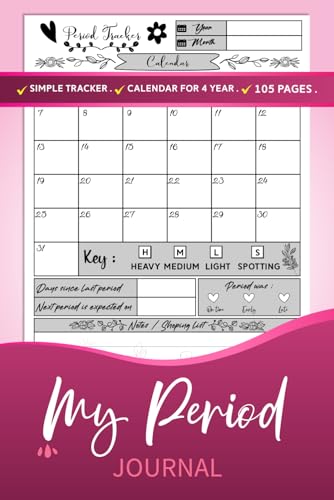
For recording monthly patterns: The Period Tracker Journal by Mary J. Delorenzo provides an undated paper format for tracking cycles. It is an optional alternative to a free notebook or phone calendar.
What Are the Three Ayurvedic Doshas?
Ayurveda is a traditional system of health practices developed in India. It describes five elements—space, air, fire, water, and earth—which combine into three doshas. These doshas are used to explain patterns in physical qualities, emotions, digestion, and daily energy.
In Ayurvedic theory, everyone contains all three doshas, but one or two may be more noticeable. Your natural constitution is called prakriti, while a temporary change in your usual balance is called vikriti.
1. Vata: Movement and Change
Vata combines air and space. It is traditionally associated with movement, dryness, lightness, and change. Ayurveda connects Vata with breathing, circulation, nervous-system activity, and elimination.
- Commonly described qualities: Creative, energetic, adaptable, and sometimes restless.
- Possible challenges: Irregular routines, cold sensitivity, poor sleep, and digestive discomfort.
- Traditional menstrual association: Variable timing, lighter flow, sharp cramps, and anxiety.
2. Pitta: Heat and Transformation
Pitta combines fire and water. In Ayurveda, it represents heat, digestion, metabolism, and transformation. People described as Pitta-dominant are often associated with warmth, focus, and intensity.
- Commonly described qualities: Focused, determined, confident, and organized.
- Possible challenges: Irritability, feeling overheated, and sensitivity to spicy foods.
- Traditional menstrual association: Heavier flow, warmth, breast tenderness, and mood changes.
3. Kapha: Stability and Nourishment
Kapha combines earth and water. It represents stability, moisture, structure, and nourishment in Ayurvedic theory. Kapha is associated with steadiness, patience, and maintaining the body’s tissues.
- Commonly described qualities: Calm, supportive, patient, and consistent.
- Possible challenges: Sluggishness, heaviness, and difficulty changing routines.
- Traditional menstrual association: Bloating, puffiness, fatigue, and a feeling of heaviness.
These descriptions are traditional associations, not proven biological categories. A person can have Vata-like cramps one month and Kapha-like bloating the next without their natural constitution changing.
How Ayurveda Views Menstrual Health
Ayurveda traditionally considers menstruation one reflection of broader well-being. Its teachings describe the menstrual process through concepts including rasa, rakta, and apana vayu.
- Rasa: A traditional tissue concept related to nourishment and circulating fluids.
- Rakta: The Ayurvedic concept of blood tissue, associated with heat and vitality.
- Apana vayu: A subdivision of Vata associated with downward movement, including menstruation and elimination.
- Ama: A traditional term for incompletely processed material, often discussed as a sign of imbalance.
These concepts have different meanings from modern anatomy and physiology. For example, ama is not a medically measurable toxin, and menstrual blood does not provide a direct test of whole-body balance.

What does healthy menstrual flow actually look like?
Normal menstrual blood can be pink, bright red, dark red, or brown. Darker blood often means it has taken longer to leave the uterus. Small clots can also occur, especially during heavier days.
Color alone does not show whether you’re healthy or whether your doshas are balanced. As Cleveland Clinic explains, changes in bleeding amount, timing, duration, and associated symptoms usually provide more useful medical information.
Pay closer attention to bleeding that becomes unusually heavy, lasts longer than expected, or comes with new severe pain. A strong unpleasant odor with unusual discharge may also suggest an infection rather than an Ayurvedic imbalance.
How Do the Three Doshas Relate to Menstrual Cycle Phases?
Some Ayurvedic approaches associate particular doshas with different parts of the menstrual cycle. The following is a traditional interpretation, not an established hormonal model.

Kapha: The Rebuilding Phase
After menstruation, estrogen generally rises and the uterine lining begins thickening again. Ayurveda often links this rebuilding period with Kapha’s nourishing, stable qualities.
You may notice gradually improving energy. If you feel comfortable, this can be a useful time to return to walking, strength training, or other activities you enjoy.
Pitta: The Ovulatory Phase
As ovulation approaches, hormonal changes prepare the body to release an egg. Traditional Ayurvedic interpretations connect this period with Pitta’s warmth and transforming qualities.
Some people feel more energetic around ovulation, while others experience little noticeable change. You can adjust your exercise and meals to your actual needs rather than assuming a specific dosha controls your hormones.
Vata: The Menstrual Release Phase
Ayurveda associates menstrual bleeding with Vata, particularly apana vayu and downward movement. Some traditions also discuss Vata during the late premenstrual phase.
Medically, menstruation happens when hormone levels fall and the uterus sheds its lining. Uterine contractions can cause cramps, and the intensity varies widely between individuals.
For related exercise guidance, read our guide to cycle syncing and planning workouts.
How to Identify Your Dominant Dosha Through Period Patterns
Rather than treating one symptom as a diagnosis, compare the traditional descriptions with your usual tendencies. Think about your sleep, energy, digestion, response to stress, and menstrual experience.
Here is a simple comparison:
| Pattern | Traditional Menstrual Traits | Comfort-Focused Approach |
|---|---|---|
| Vata | Variable timing, cramps, restlessness | Regular meals, warmth, sleep, gentle breathing |
| Pitta | Feeling hot, irritability, tenderness | Hydration, comfortable temperatures, moderate activity |
| Kapha | Heaviness, bloating, low energy | Walking, balanced meals, consistent daily movement |
Ask yourself: Do you usually feel restless and cold, warm and easily irritated, or heavy and low on energy? You might recognize more than one pattern. That is common within Ayurvedic thinking.
Remember that these traits cannot diagnose hormonal disorders, anemia, fibroids, or other conditions. If your period is irregular or unusually painful, don’t assume it is simply your dosha.
Vata Self-Care: Warmth, Rest, and Regular Routines
Ayurveda traditionally recommends warmth and consistency when Vata qualities are noticeable. These habits can also make daily life more comfortable when your period brings cramps, poor sleep, or restlessness.
Food and Daily Habits
- Choose satisfying meals: Soups, stews, oatmeal, cooked vegetables, and kitchari can be comforting options.
- Eat regularly: Avoid skipping meals if doing so leaves you tired, shaky, or uncomfortable.
- Prioritize sleep: Maintain a regular bedtime and allow extra rest when symptoms affect your energy.
- Limit caffeine when needed: If coffee worsens anxiety, digestive discomfort, or sleep, try reducing it.
Gentle Movement and Breathing
Try Child’s Pose, supported stretching, or an easy walk. For relaxation, practice slow belly breathing or nadi shodhana (alternate-nostril breathing) for a few minutes without holding your breath.
A warm shower or comfortably warm compress may help with cramps. Unlike traditional claims about clearing blocked energy, the possible pain relief from heat has a practical explanation: warmth can help relax tense muscles.
Pitta Self-Care: Stay Comfortable and Manage Heat
If you relate to Pitta’s traditional qualities, focus on comfort rather than trying to lower your body’s internal heat. Feeling irritable, overheated, or uncomfortable before menstruation can have several causes, including normal hormonal changes.
Food and Hydration
- Include hydrating foods such as cucumber, fruit, yogurt, and cooked vegetables.
- Choose balanced meals with protein, whole grains, and healthy fats.
- Reduce particularly spicy or greasy meals if they worsen your digestion.
- Drink water regularly, especially during exercise or hot weather.

Relaxation and Physical Comfort
Try gentle yoga, slow breathing, or a walk somewhere comfortable. If you experience headaches or tenderness, pay attention to what helps without forcing yourself into a particular routine.
A cool compress may feel soothing when you are overheated. For menstrual cramps, however, warmth often works better. There is no reliable evidence that cooling foods, coconut oil packs, or special breathing methods reduce heavy menstrual bleeding.
Traditional practices such as sheetali and sheetkari breathing may be used for relaxation, but they should not replace treatment for severe headaches, fever, or persistent pain.
Kapha Self-Care: Gentle Activity and Steady Energy
Ayurveda associates Kapha with steadiness and heaviness. If you experience sluggishness, bloating, or low motivation around your period, a little movement and a predictable routine may help you feel better.
Simple Habits to Try
- Walk regularly: Begin with 10–20 minutes at a comfortable pace when you feel able.
- Break up long sitting periods: Stretch or move around throughout the day.
- Use warming spices in food: Ginger, cinnamon, cumin, and cardamom can add flavor to meals.
- Keep a regular sleep schedule: Aim for consistent sleep without avoiding rest when you genuinely need it.
- Try gentle yoga: Standing stretches, Butterfly Pose, and comfortable mobility exercises are reasonable choices.
You do not need vigorous breathing exercises, restrictive eating, detox products, or a seasonal cleanse to address a Kapha-like pattern. Persistent fatigue and severe bloating deserve attention to possible medical causes.
Create a Cycle-Aware Routine: Before, During, and After Your Period
You don’t need a complicated Ayurvedic schedule. Begin with three simple stages: prepare, manage symptoms, and return to your usual routine.
Before Your Period: Prepare for Symptoms
During the week before your expected period, notice changes in mood, appetite, energy, and sleep. If you regularly experience premenstrual symptoms, plan meals, allow time for rest, and adjust demanding activities when possible.
Keep a few comfort supplies available, such as menstrual products, a water bottle, and a heating pad. Preparing ahead can reduce unnecessary stress when symptoms begin.
During Your Period: Support Comfort Without Forcing Rest
Menstruation is a normal biological process, not a monthly detox that requires special cleansing. You can continue ordinary activities and exercise if you feel comfortable, or reduce intensity when cramps or fatigue interfere.
For cramps, try a warm bath or a hot water bottle wrapped in a towel. The NHS recommends heat, gentle movement, and appropriate pain relief as common ways to manage period discomfort.
If you need warmth while working, walking, or traveling, ThermaCare Menstrual Heating Pads are a portable option. The six-count pack contains air-activated adhesive heat wraps designed for discreet use under clothing, with warmth lasting up to eight hours according to the manufacturer.
These wraps are disposable, unlike a reusable heating pad. Follow the package instructions carefully, attach them as directed rather than directly to your skin, and avoid prolonged use or sleeping with them. Stop if your skin becomes uncomfortable.
- Period Pain Relief Heating Pads: Provides targeted heat therapy to help relieve menstrual cramps & lower back discomfort
- Up to 8 Hours of Heat Therapy: Delivers continuous, drug-free heat to support comfort throughout the day
- Deep Penetrating Heat: Patented heat cells provide consistent warmth to help relax muscles & support circulation
- Discreet & Comfortable Design: Thin, flexible heat wraps fit under clothing for comfortable, on-the-go use
After Your Period: Return to Your Regular Activities
As bleeding ends, return to your preferred exercise routine according to your energy and comfort. There is no general medical reason to delay strength training until several days after your period if you feel well.
Continue eating balanced meals with protein, vegetables, whole grains, and iron-containing foods. If bleeding has been heavy or fatigue continues, ask a healthcare professional whether you need testing for anemia.
Daily Ayurvedic Self-Care: Food, Massage, Yoga, and Breathing
The most useful daily routine is one you can follow consistently. It should fit your symptoms, schedule, and preferences rather than a strict dosha rule.
Simple Meals and Warm Drinks
Ayurvedic cooking often includes kitchari, soups, cooked grains, vegetables, and spices such as ginger, coriander, cumin, and fennel. These foods can form part of a balanced diet, but no particular temperature or spice combination has been shown to restore dosha balance or regulate menstrual hormones.
Warm ginger tea, lemon water, or cumin-coriander-fennel (CCF) tea may feel comforting. Plain water is equally suitable for hydration. Avoid assuming herbal teas are automatically safe in medicinal amounts, particularly during pregnancy or when taking medication.
Gentle Self-Massage
Traditional Ayurvedic self-massage, called abhyanga, involves applying oil to the skin with gentle strokes. You can use a small amount of plain, skin-safe oil for relaxation if it doesn’t irritate your skin.

Avoid firm abdominal pressure when you have significant pain, and stop massage if it increases discomfort. Oil massage may help you relax, but it has not been shown to correct uterine blood flow or clear reproductive blockages.
Yoga and Breathing Practices
Comfortable poses such as Child’s Pose, Butterfly Pose, and supported reclining stretches can help you relax. You can use pillows or folded blankets for support without buying special equipment.
For breathing, try this short routine:
- Sit or lie down comfortably and relax your shoulders.
- Breathe in gently through your nose for about four seconds.
- Breathe out slowly for about six seconds without straining.
- Continue for two to five minutes, then return to normal breathing.
Slow breathing may reduce stress and help you cope with discomfort, but it is not a proven treatment for hormonal imbalance or uterine cramping. Avoid forceful practices such as bhastrika or kapalabhati if they cause dizziness, pressure, or pain.
Are Ayurvedic Herbs Safe for Menstrual Health?
Traditional Ayurvedic recommendations sometimes include ashwagandha, shatavari, Dashamula, Ashoka, Kanchanar Guggulu, aloe preparations, and other herbal formulas.
However, evidence for their effectiveness in managing menstrual problems is limited. Their effects, doses, purity, and medication interactions can vary. Some herbs may be inappropriate during pregnancy, breastfeeding, or certain medical conditions.
The National Center for Complementary and Integrative Health also warns that some Ayurvedic preparations contain potentially harmful amounts of lead, mercury, or arsenic.
Before taking herbal supplements for heavy bleeding, cramps, irregular periods, or fertility concerns, discuss the specific ingredients with a qualified healthcare professional. Culinary amounts of familiar spices are different from concentrated extracts or multi-herb remedies.
Likewise, castor oil packs, nasal oiling (nasya), and seasonal cleansing programs have not been shown to restore normal menstrual function. Heating oils or applying unfamiliar substances to sensitive areas can also create risks. These practices are unnecessary for routine menstrual care.
Track Your Menstrual Cycle for Three Months
Tracking your cycle is one of the most practical ways to understand your own patterns. You don’t need to decide whether every symptom belongs to Vata, Pitta, or Kapha.
For each cycle, record the following:
- Dates: The first and last days of bleeding, including spotting.
- Flow: Light, moderate, or heavy; note how often you change menstrual products.
- Appearance: Changes in color, clots, or unusual discharge.
- Pain: Rate cramps from 1–5 and note where they occur.
- Other symptoms: Bloating, breast tenderness, headaches, mood, sleep, and energy.
- Helpful actions: Heat therapy, walking, rest, medication, or changes in meals.
You can keep these notes in a free notebook, calendar, or period-tracking app. If you prefer a dedicated paper format, the Period Tracker Journal by Mary J. Delorenzo offers an undated four-year calendar format in a 6-by-9-inch paperback. Its main limitation is that a paper journal requires you to record and review entries yourself.
A dedicated journal is useful only if it makes tracking easier for you. You can create equally helpful records without buying anything. Over several cycles, your notes may help you explain persistent symptoms or changes to a healthcare professional.
When Period Symptoms Need Medical Attention
Some menstrual changes are normal, but others can suggest conditions such as fibroids, endometriosis, thyroid disorders, infections, or hormonal problems.
According to the American College of Obstetricians and Gynecologists, bleeding that lasts longer than seven days or soaks through menstrual protection every hour for several hours should be evaluated.
Symptoms to Watch For
- Heavy bleeding: Soaking a pad or tampon every hour for several hours, passing unusually large clots, or bleeding longer than seven days.
- Severe pain: Cramps that are much worse than usual, prevent normal activities, or do not respond to appropriate pain relief.
- Concerning discharge: A strong unpleasant odor, particularly with fever, pelvic pain, itching, or unusual discharge.
- Major timing changes: Previously regular periods becoming persistently irregular, frequent bleeding between periods, or missing periods without a clear explanation.
- Bleeding after menopause: Any vaginal bleeding after menopause warrants medical assessment.
Seek emergency care for heavy bleeding accompanied by fainting, severe dizziness, shortness of breath, or chest pain. Sudden severe pelvic pain, especially when pregnancy is possible, also needs urgent evaluation.
Menstrual patterns may change during adolescence, after childbirth, and during perimenopause. These life stages can explain some variation, but persistent or troubling changes still deserve assessment.
You do not have to track three complete cycles before seeking help. New severe symptoms should be evaluated promptly, regardless of your Ayurvedic constitution.
Frequently Asked Questions
Can I have more than one dominant Ayurvedic dosha?
Yes. In Ayurvedic theory, everyone has all three doshas, and some people are described as having two prominent doshas or a relatively balanced combination. There is no validated medical test that determines this from menstrual symptoms.
Can my dominant dosha change during my menstrual cycle?
Ayurveda describes changing dosha influences across the month, but your underlying constitution is traditionally considered more stable. Modern medicine explains cycle changes primarily through hormones and reproductive processes, not shifts in doshas.
Does dark menstrual blood mean a Vata imbalance?
No. Dark red or brown menstrual blood is commonly older blood that has taken longer to leave the body. Color alone cannot identify a dosha imbalance or health condition. Changes in bleeding amount, pain, and other symptoms are more useful to track.
Can Ayurvedic food and lifestyle practices regulate irregular periods?
Regular sleep, adequate nutrition, exercise, and stress management support overall health. However, evidence does not establish that dosha-specific diets or routines can correct irregular periods. Persistent irregularity may require evaluation for conditions such as PCOS or thyroid disease.
Is it safe to practice yoga during menstruation?
For most people, gentle yoga and ordinary exercise are safe during menstruation. Choose movements that feel comfortable and reduce intensity when necessary. There is no medical requirement to avoid all exercise or inverted positions solely because you’re menstruating.
Are Ayurvedic detoxes necessary for menstrual health?
No. Menstruation does not remove toxins in the way detox claims suggest. Your liver, kidneys, and other organs continually process and remove waste. Restrictive cleanses and unverified herbal products are not necessary for a healthy cycle.
Conclusion: Understand Your Patterns Without Letting a Dosha Define You
Vata, Pitta, and Kapha offer a traditional way of thinking about movement, heat, stability, and personal habits. You may find that one description feels familiar, or that several apply at different times.
But your menstrual health is more complex than any dosha category. Focus on understanding your usual cycle, eating balanced meals, sleeping well, staying active when comfortable, and using practical comfort measures when needed.
Start with a simple three-cycle journal. Notice what changes, what helps, and which symptoms need attention. Use Ayurveda as an optional self-care perspective while relying on appropriate medical evaluation for concerning symptoms.
The goal isn’t to achieve a perfect Ayurvedic pattern. It’s to feel more informed, comfortable, and confident about your own menstrual health.