


Curious if an ancient herbal formula can actually change your digestion in just 14 days? I set out to test a traditional polyherbal medicine used for more than a millennium and compare my experience with current studies.
This short guide blends a two-week personal trial with evidence-based context. It explains the formula’s origins, typical doses and forms (powder, tablet, liquid), and how people commonly use it as a gentle GI tonic and antioxidant support.
I’ll outline realistic expectations: modest improvements in regularity or bloating are possible, but results depend on diet, baseline gut health, and adherence. I also flag common side effects like diarrhea and abdominal discomfort, and note the risk of interactions—so consult a clinician before starting.
For a deeper look at traditional claims and compiled research, see this concise resource on herbal use and reported benefits: triphala research summary.
Key Takeaways
- Short trials can show quicker changes in bowel regularity for some adults.
- The formula is a long-used GI treatment with antioxidant components.
- Evidence from modern studies is promising but not conclusive for all effects.
- Typical doses range 500 mg–1 g; forms include powder, capsule, and liquid.
- Watch for mild GI side effects and check with a clinician if pregnant or medicated.
What Is Triphala? The Ayurvedic Blend Behind the Hype
This formula names itself after its three core fruits and sits at the heart of classical ayurvedic medicine. It is a simple, non-habit-forming blend used traditionally as a cleansing and rejuvenating GI tonic.
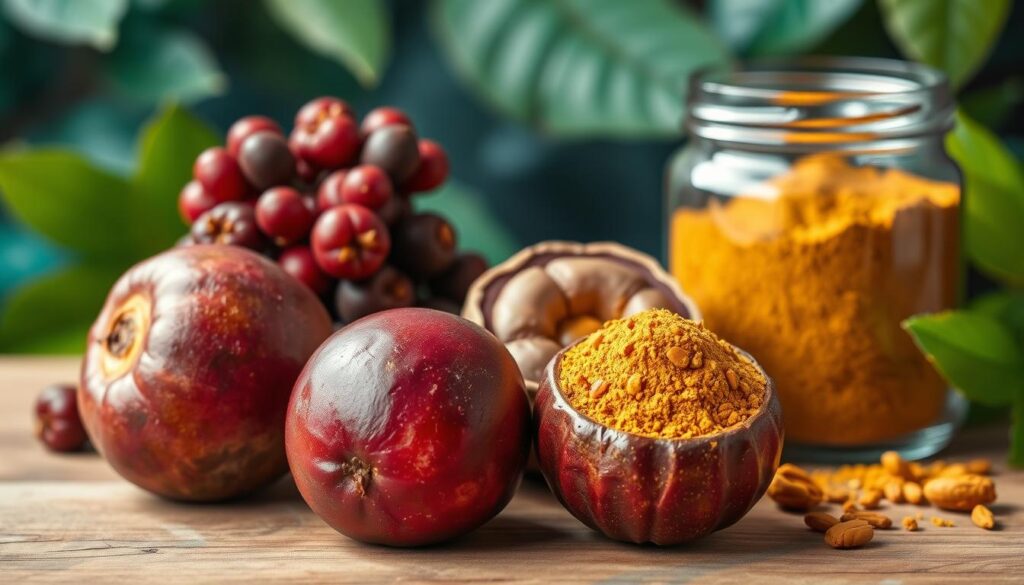
The three fruits are amla (Emblica officinalis, also called indian gooseberry), bibhitaki (Terminalia bellirica), and haritaki (Terminalia chebula). Each fruit contributes distinct compounds that support digestive balance and antioxidant action.
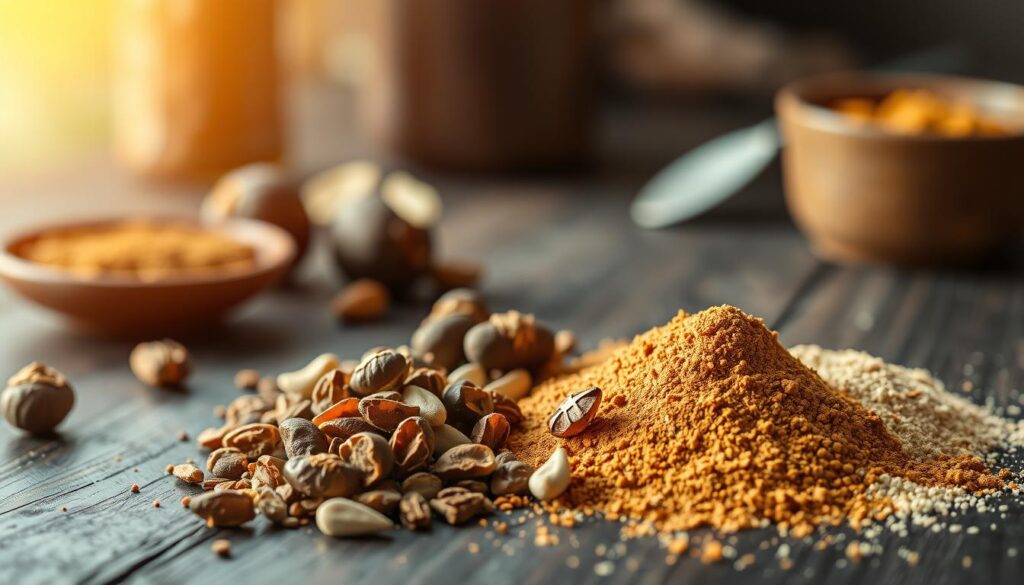
In traditional ayurvedic practice, polyherbal formulations aim for synergy: the fruits balance and complement one another rather than relying on a single medicinal plant. Modern forms include powder, tablets, liquid extracts, and classical ghee preparations for gentler use.
| Fruit | Key compounds | Reported actions | Common forms |
|---|---|---|---|
| Amla (Emblica officinalis) | Vitamin C, phenols, tannins, rutin | Antioxidant support, vitamin C supply | Powder, tablet, extract |
| Bibhitaki (Terminalia bellirica) | Gallic acid, ellagic acid | Traditional gout links; digestive balance | Powder, extract |
| Haritaki (Terminalia chebula) | Terpenes, polyphenols, anthocyanins | GI support, antioxidant properties | Powder, tablet |
These polyphenols, tannins, and flavonoids may influence digestion, microbiome resilience, and oxidative balance, but clinical effects vary with dose and preparation.
For a concise review rooted in both tradition and early studies, read this short guide that prompts a closer look: look east for health.
Triphala Benefits: From Digestion to Antioxidant Protection
This blend acts as a gentle digestive tonic while delivering antioxidant plant compounds that support overall balance. Many users report improved regularity, milder bloating, and potential metabolic perks when it is used alongside good diet and sleep.
Gut health and regularity
Why people try it: the formula often eases occasional constipation with a mild laxative action that reduces cramping. It’s popular as a natural option for short-term support.
Polyphenols in the mix may feed beneficial microbes, which can ease intestinal discomfort and help with nutrient absorption.
Inflammation and antioxidant action
Vitamin C, flavonoids and tannins act as antioxidants that help neutralize free radicals. That can lower oxidative stress on cells and support a balanced inflammatory response.
Metabolic and extra uses
Early reviews report modest changes in cholesterol, BMI and blood sugar markers, but larger trials are needed before firm conclusions. Small studies also note oral-care effects — reduced plaque and gum inflammation when used as a mouthwash.
Practical note: see a concise triphala review for more on dosing and study summaries. Use it as a supplement alongside fiber, hydration, and balanced meals rather than a stand-alone fix.
The Science So Far: What Studies Say Right Now
A growing set of lab and pilot human studies highlight biochemical actions, though clinical certainty remains limited. Mechanistic work explains how key compounds may protect cells from oxidative damage and modulate inflammation.
A set of major phytochemicals—gallic acid, ellagic acid, tannins, polyphenols and flavonoids—appears across the three fruits. These compounds show antioxidant and anti‑inflammatory properties in lab models.

What the evidence tiers show
In vitro and animal studies often use concentrated extract forms. They report antioxidant effects, enzyme modulation and reduced cell damage in colon and prostate cell lines.
Small human trials and reviews suggest modest changes in lipids, blood sugar markers and BMI with specific preparations. Study size, dose and preparation vary, limiting generalizability.
“Cell and animal work offer plausible mechanisms, but they do not prove clinical outcomes in people.”
| Evidence Type | Typical Finding | Form Used | Limitations |
|---|---|---|---|
| In vitro / cells | Antioxidant, reduced oxidative damage | Extracts | High doses; not directly transferable |
| Animal models | Lower inflammation, altered glucose markers | Extracts / concentrated doses | Dose and metabolism differ from humans |
| Human studies | Modest lipid, glucose and weight signals | Powder/tablet | Small trials; varied methods |
Practical note: consumers use powders and tablets while many lab results come from extracts — so effects and bioavailability differ. For a concise review of clinical data and safety, see this short piece on clinical summaries: clinical review and summary.
How to Use Triphala Safely and Effectively
Start slowly and track how your body responds. A cautious, stepwise approach helps most people try this traditional formula with fewer side effects. Below are clear, practical steps for safe use and sensible monitoring.
Forms and dosing at a glance.
Which type to choose?
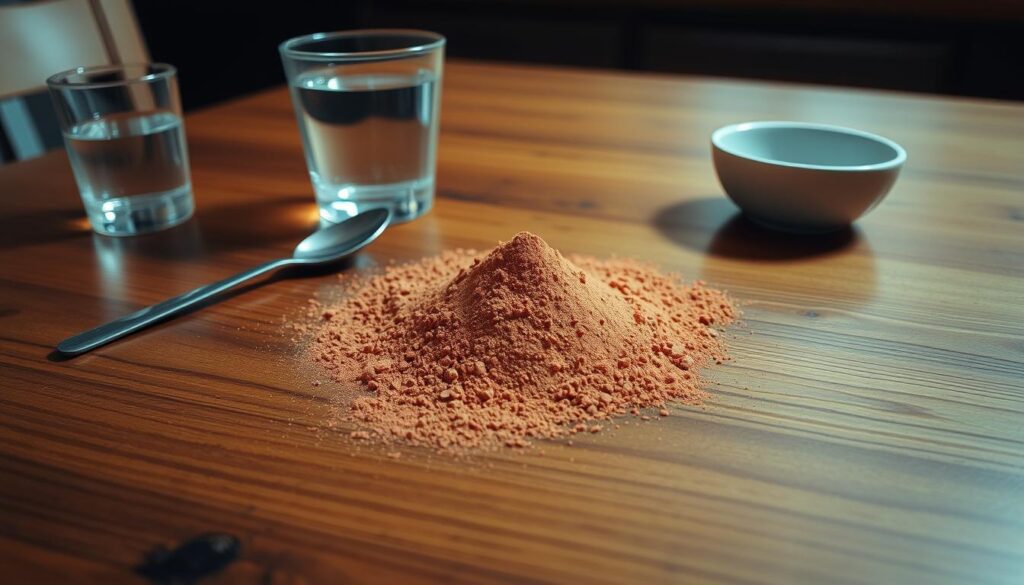
The common forms are powder, tablets/capsules, liquid extract, and ghee preparations. For general wellness, typical oral levels range from 500 mg to 1 g per day.
Timing and simple tips
Many people take it on an empty stomach (morning or before bed) to aid absorption. If your stomach feels sensitive, try with a small snack and start low.
Who should avoid it?
Avoid use during pregnancy, while breastfeeding, and in children. People with loose stools or active diarrhea should pause to reduce risk.
“Begin at a low dose and log bowel patterns, energy, and any discomfort.”
Side effects and interactions
Watch for cramping, abdominal discomfort, or diarrhea. This supplement can interact with blood thinners and blood pressure meds—consult your clinician before starting.
- Quick prep: stir 1/4–1/2 tsp powder into warm water; some mix with a teaspoon of ghee and honey.
- Starter plan: 500 mg daily for several days, then increase toward 1 g if tolerated.
- Track: log bowel habits and symptoms for two weeks to assess effects.
| Form | Best for | Notes |
|---|---|---|
| Powder | Flexible dosing, traditional use | Mix with warm water or ghee; taste strong |
| Tablet/Capsule | Convenience, consistent dose | Good for people sensitive to taste |
| Liquid extract | Fast dosing, concentrated | Smaller doses; check label for potency |
| Ghee preparation | Gentler on the digestive system | Traditional rasayana option; slower absorption |
Final note: this supplement can complement diet and hydration, but personalization is key. If symptoms worsen or persist, seek medical advice and check any study-based guidance with your clinician.
My Two-Week Experience: Digestive Changes, Energy, and What I’d Do Differently
Over fourteen days I logged bowel habits, hunger cues, and energy to measure real-world effects. I wanted clear signals, not wishful thinking, so I tracked simple metrics daily.

Week-by-week snapshot: elimination, bloating, and appetite cues
Week 1 started with a low dose and a cautious routine. By days 3–5 I saw milder bloating and slightly firmer, more regular stools.
I noticed brief stomach sensitivity early on. Reducing dose or taking it with a light snack calmed the stomach while keeping the effect steady.
Pairing practice with evidence: what likely helped versus placebo
Energy felt a touch steadier midday, likely from smoother digestion and better hydration rather than a single supplement effect.
Track these metrics—bowel frequency, stool form, bloating score, and an energy rating—so trends appear instead of vague memories.
- If stools turn too loose, reduce dose or pause and reassess—this is common for people with sensitive GI systems.
- Significant weight change is unlikely in two weeks; focus on regularity and comfort as early markers.
- Support stress with breathing, movement, and sleep—gut-brain habits often amplify perceived effects.
“I would start next time with powder at the smallest dose, increase more slowly, and consult a clinician if on medication.”
Practical tip: for an evidence-minded primer on digestive routines and herbal support, see this concise open digestive guide.
Conclusion
Two weeks of daily notes revealed realistic signals you can use to judge effect and tolerance. The blend offered modest digestive support, antioxidant action, and hints of metabolic change—but larger studies are needed for firm claims.
Practical takeaway: the formula may ease regularity and mild bloating for some people while supplying acids and antioxidants that help protect cells and temper inflammation.
Start low and track tolerance. If you monitor blood sugar or manage diabetes, discuss any changes with your clinician—diet, sleep, and movement often move sugar levels more than a short supplement trial.
Use habit stacking: fiber-forward meals, water, movement, and stress tools. Choose a reputable supplement form, reassess after two weeks, and consult your care team about interactions with blood thinners or blood pressure meds.
For a concise clinical overview and safety notes, see this clinical summary.
FAQ
What is triphala and which fruits are in it?
Triphala is a traditional Ayurvedic polyherbal blend made from three fruits: amla (Emblica officinalis, also called Indian gooseberry), bibhitaki, and haritaki. These three fruits are combined to create a tonic intended to support digestion, regularity, and general wellness.
How does triphala support gut health and regularity?
The blend acts as a gentle gastrointestinal tonic that can promote bowel regularity and relieve mild constipation. It contains fiber and bioactive compounds that may support healthy bowel movements and influence the gut microbiome, helping with bloating and digestion when used appropriately.
Can triphala help lower blood sugar or support metabolic health?
Some early human and animal studies suggest triphala may modestly affect blood sugar, cholesterol, and weight management, likely through antioxidant and metabolic pathways. Evidence is preliminary, so it should not replace prescribed diabetes medications; discuss it with your clinician before use.
What key compounds in triphala are thought to provide health effects?
Important phytochemicals include gallic acid, ellagic acid, tannins, vitamin C (from amla), and various polyphenols and flavonoids. These act as antioxidants and are proposed to reduce oxidative stress and inflammation in cells and tissues.
What level of scientific evidence supports triphala’s uses?
Evidence ranges from in vitro and animal models to small human trials. Test-tube studies show antioxidant and anti-inflammatory activity, while early human research indicates potential digestive and metabolic benefits. Larger, high-quality clinical trials are still needed to confirm many claims.
What forms of triphala are available and how should I dose it?
Triphala comes as a powder, tablets, liquid extract, and traditional ghee preparations. Common practice is to start with a low dose—such as a half teaspoon of powder or a manufacturer-recommended tablet—taken on an empty stomach, often at night. Follow product labeling and consult a healthcare professional for personalized dosing.
Are there safety concerns or side effects I should know about?
Side effects can include loose stools or diarrhea, abdominal cramping, and interactions with certain medications. Because it may affect blood sugar and blood clotting, people on diabetes drugs or blood thinners should consult a clinician. Avoid use during pregnancy and breastfeeding unless advised by a provider.
Who should avoid using triphala?
Pregnant and breastfeeding people, young children, and anyone prone to chronic loose stools should generally avoid triphala unless supervised by a healthcare professional. Also exercise caution if you take blood pressure or anticoagulant medications.
How soon might I notice effects if I try triphala for digestion?
Some people report improved regularity and reduced bloating within days to two weeks, while others need longer. Effects vary by individual, dose, and formulation. Track changes and start with a low dose to assess tolerance.
Can triphala be taken with other supplements or herbs?
It can interact with certain medicines and supplements—especially blood sugar–lowering agents and anticoagulants. Combining multiple laxative herbs may increase the risk of diarrhea. Check with a pharmacist or clinician before combining supplements.
Is triphala an antioxidant, and what does that mean for health?
Yes—its constituents provide antioxidant activity that can reduce oxidative stress in cells. Antioxidants may lower inflammation and cellular damage, which is one reason triphala is studied for metabolic health, immune support, and aging-related concerns. Clinical relevance depends on dose and context.
Can people with diabetes use triphala to replace medication?
No. While triphala may modestly influence blood sugar, it should not replace prescribed diabetes treatments. Anyone with diabetes should talk with their endocrinologist or primary care provider before adding it to their regimen.
Are there quality differences between triphala products?
Yes. Look for reputable brands that provide third-party testing, clear ingredient lists, and standardized extracts when possible. Powder quality, contaminant screening, and manufacturing practices vary—choose products from trusted companies and retailers.
How should I evaluate claims about triphala for eyes, oral health, or immunity?
Traditional use and small studies suggest potential benefits for ocular health, oral hygiene, and immune support, but evidence is limited. Treat these claims as promising but preliminary and prioritize interventions with strong clinical backing for specific medical conditions.




Don’t Miss These Picks