


Curious how a centuries-old herb can shape modern hormonal balance? Many people assume remedies only ease PMS, but this plant interacts with DHEA, estrogen receptors, and cortisol pathways in ways that matter beyond monthly cycles.
Glycyrrhiza glabra is native to Asia, the Middle East, and Southern Europe and has long been used across Chinese, Ayurvedic, and European medicine to soothe inflammation and digestive upset and to support women’s health. The sweet compound glycyrrhizin affects adrenal dynamics, while flavonoids like liquiritigenin influence estrogen signaling.
This introduction sets the stage: you’ll see evidence for hot‑flash relief, ER‑beta activity, adrenal support for low morning energy, and potential uses in PCOS. I’ll also preview practical choices—tea, tinctures, capsules, and DGL—plus clear safety rules to protect blood pressure and potassium.
Before you dive deeper, note one concise resource on supplements and balance: supplements and hormone balance.
Key Takeaways
- Historic medicine meets modern evidence: traditional use aligns with recent studies on estrogen and adrenal effects.
- Active compounds differ: glycyrrhizin and flavonoids have distinct, useful roles.
- Multiple benefits: may ease hot flashes, support energy, digestion, and skin.
- Choose forms wisely: teas and lozenges help symptoms; capsules give precise dosing.
- Safety first: limit glycyrrhizin and avoid use with certain meds or in pregnancy.
How Licorice Root Modulates Estrogen and DHEA/Cortisol for Hormonal Balance
Understanding the main constituents clarifies how the herb shapes cortisol and estrogen pathways. These actions explain reported gains in morning energy and fewer hot flashes when used thoughtfully.
From glycyrrhizin to liquiritigenin: glycyrrhizin and its aglycone slow the enzyme 11β-HSD2. This modestly reduces conversion of active cortisol into inactive cortisone. The result can be higher morning cortisol availability and steadier energy without raising all‑day stress reactivity.
Flavonoids add nuance. Liquiritigenin shows ER‑beta‑selective activity, which favors safer tissue responses compared with ER‑alpha stimulation. Isoliquiritigenin, conversely, has reduced expression of some sex‑hormone production genes in ovarian cells in vitro, reminding us that extract choice and dose matter.
- Key compounds → actions: glycyrrhizin → 11β‑HSD2 inhibition; liquiritigenin → ER‑beta activity; isoliquiritigenin → downregulates certain production pathways.
- Systems view: preserved cortisol availability can change HPA dynamics and indirectly affect DHEA balance.
- Practical note: standardized extract selection and morning dosing limit overstimulation.
| Compound | Main Action | Likely Outcome |
|---|---|---|
| Glycyrrhizin / Glycyrrhetinic acid | Partial 11β‑HSD2 inhibition | Higher morning cortisol availability; improved energy |
| Liquiritigenin | ER‑beta‑selective agonism | Vasomotor relief with favorable tissue selectivity |
| Isoliquiritigenin | Downregulates sex‑hormone production genes (in vitro) | Context‑dependent effects on ovarian production pathways |

For a practical primer on supplement choices and dosing, see this concise guide: licorice root benefits.
Evidence Check: Estrogen-Related Benefits, Hot Flashes, and Receptor Selectivity
Clinical trials and lab studies together show measurable symptom relief and receptor-specific activity. This helps weigh short-course therapy against longer strategies when treating menopausal flashes.
What the clinical trial showed
A double‑blind randomized study in Iran (2010) enrolled 90 menopausal women. Participants took 330 mg extract capsules three times daily for eight weeks versus placebo.
Results: frequency and severity of hot flashes fell significantly during therapy. Benefits lasted about two weeks after stopping, then faded by week three to four. No trial side effects were reported.
Why ER‑beta selectivity matters
Lab research found liquiritigenin acts as an ER‑beta‑selective compound. ER‑beta signaling links to safer breast tissue responses compared with ER‑alpha. That profile may explain vasomotor benefits with lower theoretical breast risk.
When estrogen‑lowering effects appear
Isoliquiritigenin reduced gene expression for sex‑hormone production in ovarian cell studies. This suggests isolated compounds can differ from whole extract effects, so extract choice must match treatment goals.
| Evidence Type | Key Finding | Practical Takeaway |
|---|---|---|
| Randomized clinical trial (2010) | Reduced hot flashes with 330 mg TID x8 weeks | Short course can help; expect recurrence ~2–4 weeks after stop |
| Receptor lab studies | Liquiritigenin shows ER‑beta selectivity | May offer symptom relief with favorable breast‑tissue signaling |
| Ovarian cell research | Isoliquiritigenin lowered hormone‑production gene expression | Isolated compounds may lower estrogen levels in specific tissues |

Adrenal Support and “Stress Hormone” Dynamics: Practical Use for Energy and HPA Axis
By slowing cortisol clearance, a targeted herb can help stabilize daytime energy and support HPA rhythm. This approach may aid people with low morning availability of cortisol when used short-term and with medical oversight.

Who may benefit
Ideal candidates include adults with morning fatigue, lab or clinical signs of low cortisol availability, or suspected HPA axis dysregulation. In some disease contexts—such as Addison’s—co‑administration increased cortisol availability in replacement therapy (Methlie et al., 2011).
Timing strategies
Take doses in the morning to match circadian peaks and avoid nighttime stimulation. Morning timing aims to boost daytime metabolism, mood, and energy without disrupting sleep.
“Supporting daytime cortisol levels can improve energy and glucose regulation while avoiding constant stress activation.”
- Start low, track blood pressure and potassium.
- Reassess energy, sleep, and mood after days to weeks.
- Cycle periodically and combine with sleep, balanced meals, and light morning movement.
| Goal | Action | Practical Note |
|---|---|---|
| Boost morning energy | Morning dosing to slow cortisol breakdown | May lift daytime alertness; monitor sleep |
| Support HPA rhythm | Short-term therapy with reassessment | Use breaks to prevent blunting natural response |
| Clinical adjunct | Co‑use in replacement therapy (with supervision) | Validates mechanism; needs medical oversight |
Licorice Root for Hormones: How to Use It Safely and Effectively Today
Decide your goal first and match the product form to it. That helps you choose the right dosing, safety checks, and expected benefits. Use a standardized approach to limit side effects and protect blood pressure.
Which form suits your goal?
- Standardized extract capsules: best for menopausal therapy and precise dosing.
- Tea or tincture: gentle daily support and easy compliance.
- DGL (deglycyrrhizinated): choose this for gut healing without blood pressure tradeoffs.
Dosing and standardization
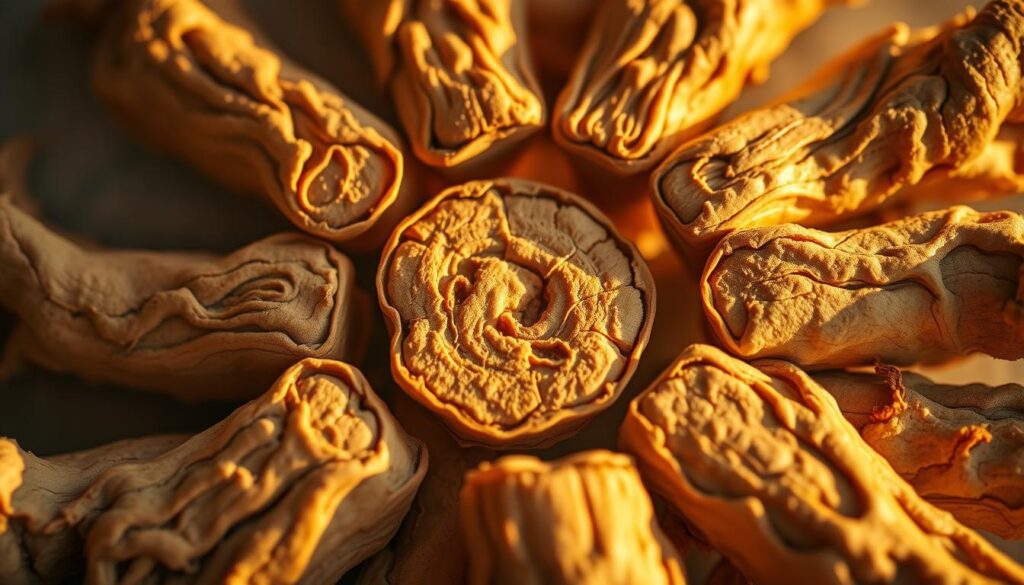
Common ranges: dried herb 1–5 g TID; tincture (1:5) 2–5 mL TID; standardized extract (≈20% glycyrrhizic acid) 250–300 mg TID.
Safety math: keep glycyrrhizin
| Goal | Form | Practical dose |
|---|---|---|
| Menopausal symptom therapy | Standardized capsule | 250–300 mg TID (20% standard) |
| Daily gentle support | Tea or tincture | 1–3 cups tea or 2–5 mL tincture TID |
| Gut lining & reflux | DGL | Follow product label; safe long-term option |
Starter protocol and tracking
Begin with morning-focused dosing, reassess after 2–4 days, and review benefit and side effects at 2–4 weeks.
Cycle: consider 6–8 week courses with equal-length breaks to preserve effect and limit risks.
Track day energy, sleep, hot flashes, skin changes, blood pressure, and potassium-related symptoms. Discuss ranges and extract labels with your clinician and consult this concise guide on benefits when you need more context: licorice root benefits.
Targeted Support for PCOS: Anti-Androgen Effects and Cyst Reduction
Early research suggests this herbal approach can modestly lower androgens and improve ovarian markers in some PCOS profiles. These effects appear most useful as part of a broader plan, not a standalone cure.
How it may change androgen production
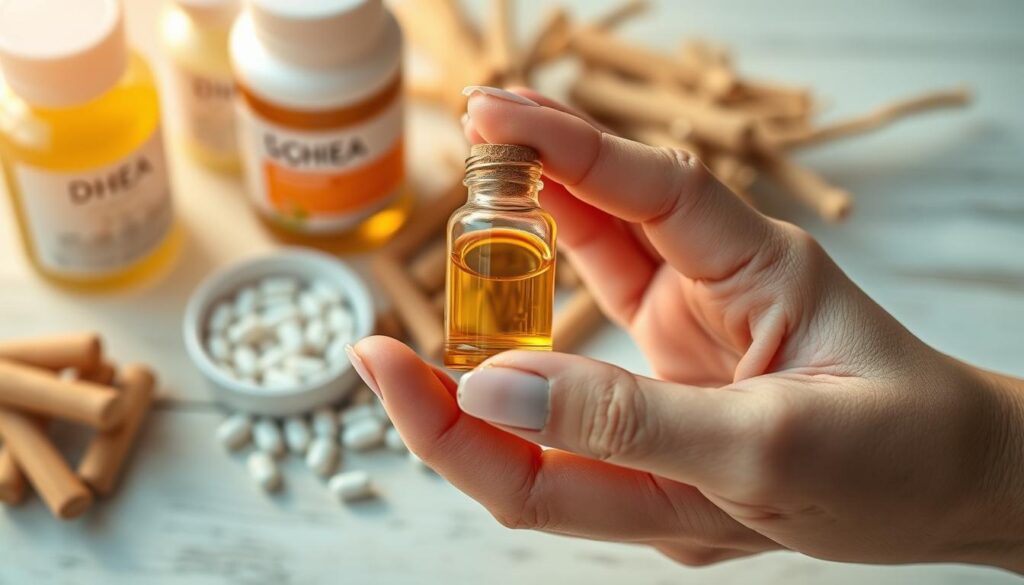
Mechanism is straightforward: extracts can influence enzymes like 17-hydroxysteroid dehydrogenase and 17–20 lyase in ovaries and adrenals. That shifts steroid pathways and can reduce adrenal testosterone output in models.
Adjuncts, expectations, and practical cycles
Use as an adjunct therapy: pairing with spironolactone and a PCOS-focused lifestyle—protein and fiber emphasis, strength training, good sleep—can amplify benefits.
Animal and limited human studies report fewer ovarian cysts and improved fertility markers. Still, human data remain preliminary. Start low, track cycles, skin, and labs, and reassess after an 8–12 week block.
| Goal | Action | Practical note |
|---|---|---|
| Reduce androgens | Enzyme modulation | May lower acne and excess hair |
| Support combined therapy | Pair with spironolactone | Can enhance anti-androgen effect |
| Evaluate progress | 8–12 week cycles | Track symptoms and labs |
“PCOS is heterogeneous; individualized monitoring and clinician guidance make treatment safer and more effective.”
Safety First: Side Effects, Blood Pressure Concerns, and Drug Interactions
This section summarizes the main risks and practical safety steps when using licorice root in therapeutic doses. Use short courses, monitor vital signs, and work with your clinician to reduce the chance of complications.
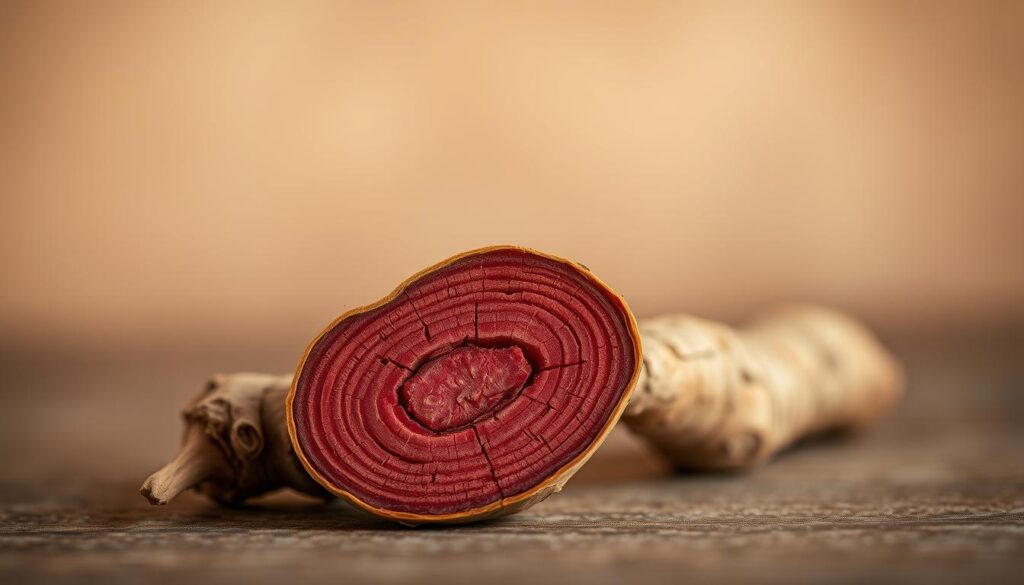
Excess glycyrrhizin can raise blood pressure, cause fluid retention, and lower potassium. These shifts stress the heart and may trigger arrhythmias or pseudohyperaldosteronism with long‑term high doses.
Glycyrrhizin risks: fluid retention, hypokalemia, heart and blood pressure
- Primary risks: increased blood pressure, edema, hypokalemia (low potassium), and heart rhythm changes.
- Threshold: WHO guidance suggests keeping glycyrrhizin ≤100 mg/day to reduce side effects.
- Red flags: swelling, muscle cramps, palpitations, headaches, or rising home blood pressure readings — stop and contact your clinician.
Who should avoid this herb
Pregnant people should avoid it due to links with preterm birth and altered HPA signaling in offspring. Also avoid use if you have uncontrolled hypertension, symptomatic heart disease, severe kidney disease, or known low potassium.
Drug interactions to watch: the herb can amplify diuretics and corticosteroids, and it may interact with MAO inhibitors and common cardiovascular medicines. Coordinate any use with the prescriber of your medications.
| Risk | What to watch | Practical step |
|---|---|---|
| High blood pressure | Rising home readings, headaches | Stop product, check BP twice weekly, contact clinician |
| Hypokalemia | Muscle cramps, weakness | Measure serum potassium if using higher doses |
| Drug interactions | Diuretics, corticosteroids, MAOIs, cardiac meds | Review med list with clinician before starting |
Safer alternatives: use deglycyrrhizinated (DGL) products when GI support is the goal, since they avoid the blood pressure tradeoffs linked to glycyrrhizin.
“Used prudently, short courses with monitoring allow many people to benefit while limiting risk.”
Step-by-Step Plan: Implementing Licorice for Menopause Symptoms, Stress, and Skin/Gut Support
Start with a clear, short plan that matches your goal—menopause relief, adrenal support, or gut and skin care. This keeps therapy focused and measurable.
Menopause and hot flashes: short-course protocol and recurrence watchouts
Build a short course: standardized extract 330 mg three times daily for 6–8 weeks. Reassess hot flashes, sleep, and mood at the end of the block.
Watch for recurrence: benefits often persist ~2 weeks after stopping and may return by weeks 3–4. If symptoms recur, discuss rotation or re-initiation with your clinician.
Combine this therapy with cooling tactics (room cooling, layered clothing) and limit alcohol and caffeine to amplify relief without extra supplements.
Adrenal support stack: pairing with adaptogens, nutrition, and mind-body work
Morning-first dosing: take the product early, pair it with a protein-rich breakfast and light movement to stabilize energy under stress.
Practical stress stack: add one adaptogen (ashwagandha at night or rhodiola in the morning), and support nutrients—vitamin C, B-complex, magnesium, zinc, and omega-3s.
Include short daily mind-body practices (breathwork, 10 minutes of yoga or meditation) to boost resilience and reduce stress-driven flashes.
- Gut/skin option: use DGL chewables before meals for reflux and topical formulations for irritated skin while monitoring sensitivity.
- Track progress: log daily flashes, sleep, mood, energy, and period changes if perimenopausal.
- Cycle and review: after 6–8 weeks take a 2–4 week break; rotate to non‑glycyrrhizin options if BP is a concern.
- Consult: review all supplements and meds with your clinician and see a concise guide to the benefits licorice when you need more context.
“A focused, monitored plan helps women test therapy safely and spot real benefits while keeping health metrics front and center.”

Conclusion
To conclude, measured use of specific extracts gives meaningful symptom relief and predictable trade‑offs. Evidence — a randomized 8‑week study plus lab data — links ER‑beta activity and adrenal effects to fewer hot flashes and steadier day energy.
Use the right form, dose in the morning, and track responses closely. Keep glycyrrhizin under WHO guidance, monitor blood pressure and potassium, and prefer DGL when GI relief without pressure risk is the goal.
Discuss treatment choices with your clinician, combine supplements with sleep, nutrition, and movement, and reassess after short courses. Thoughtful, supervised use lets historical medicine meet modern studies to deliver real benefits while protecting the body’s limits.
FAQ
How does licorice interact with DHEA, estrogen and cortisol?
The herb contains glycyrrhizin and flavonoids that influence steroid metabolism. Glycyrrhizin can inhibit 11β‑HSD2, which slows cortisol breakdown and may modestly raise active cortisol locally. Other compounds like liquiritigenin and isoliquiritigenin can act on estrogen receptors (often with ER‑beta preference) and affect circulating and tissue steroid signaling, which may shift DHEA conversion pathways. In practice this means the plant can support low cortisol availability in some people while subtly modulating estrogenic activity.
What are the main active compounds and what do they do?
Key constituents include glycyrrhizin, glycyrrhetinic acid, liquiritigenin and isoliquiritigenin. Glycyrrhizin affects cortisol metabolism and electrolyte balance. Liquiritigenin shows selective ER‑beta activity, which can offer milder estrogenic effects potentially safer for breast tissue. Isoliquiritigenin may have broader estrogenic or anti‑estrogenic effects depending on dose. These compounds together produce anti‑inflammatory, adrenal‑supportive and hormone‑modulating actions.
Can it help with hot flashes and other menopause symptoms?
Some clinical and pilot studies report reductions in hot flash frequency and severity when using standardized extracts. Effects appear most consistent with ER‑beta‑selective activity and compounds that modestly influence estrogen signaling. Results vary by formulation, dose and individual hormone status, so many clinicians pair short courses with symptom tracking to assess benefit.
Does the herb act like estrogen in breast tissue — is it safe for people with breast cancer risk?
Certain flavonoids show ER‑beta selectivity, which is generally considered less proliferative in breast tissue than ER‑alpha activation. That said, evidence isn’t definitive. Anyone with a history of estrogen‑sensitive cancer should consult an oncologist before use. Prefer extracts with clear standardization and discuss receptor implications with your provider.
How quickly might estrogen‑lowering or estrogenic effects appear?
Timing varies. Some receptor‑mediated effects can be noticed within days to weeks; metabolic shifts in steroid conversion may take several weeks. Isoliquiritigenin‑driven changes sometimes appear later and are dose‑dependent. Track symptoms and, if needed, hormone labs after 4–12 weeks to evaluate impact.
Who might benefit from using this herb for low cortisol availability or adrenal support?
People with symptoms of low morning energy, postural lightheadedness or documented low active cortisol who have no contraindicating conditions can benefit under supervision. It may help preserve morning cortisol action and improve everyday energy when used short‑term alongside lifestyle supports like sleep, nutrition and stress reduction.
When is the best time of day to take it to support circadian rhythm and energy?
Morning dosing often aligns best with natural cortisol peaks and can support daytime energy without interfering with nighttime sleep. Some clinicians suggest taking it with breakfast to match circadian hormone rhythms, while avoiding late‑day doses that might alter sleep in sensitive individuals.
Which form should I choose: tea, tincture, capsule, extract or DGL?
Your choice depends on goals. Standardized extracts or capsules provide consistent doses for hormonal effects. Tinctures offer flexible dosing but vary in potency. Deglycyrrhizinated preparations (DGL) remove glycyrrhizin and are preferred when you want digestive benefits without blood pressure or potassium risks. For hormone modulation, use full‑spectrum, standardized extracts under guidance.
What evidence‑informed dosing ranges and standardizations exist?
Clinical trials and herbalist protocols use a variety of doses depending on extract strength. Glycyrrhizin‑containing extracts are typically standardized and used in low, controlled doses for short periods. DGL products are measured differently. Because formulations vary, follow product labeling and professional guidance; many practitioners start low and reassess after 4–8 weeks.
How should I structure a simple protocol (duration, cycling)?
A common approach is a short trial of 4–8 weeks with symptom tracking, then a reassessment. Some recommend cycling (e.g., 3–4 weeks on, 1 week off) to reduce risk of side effects. Longer use requires periodic monitoring of blood pressure, electrolytes and symptoms. Tailor duration to response and safety labs.
Can this herbal approach help with PCOS and androgen symptoms?
Certain extracts show anti‑androgenic effects and may reduce hyperandrogenic signs in combination with established therapies. Synergy has been noted with medications like spironolactone and with lifestyle measures (weight management, low‑GI diet). Use as an adjunct under clinician supervision rather than a stand‑alone replacement for proven PCOS treatments.
What are the major safety concerns, especially regarding blood pressure and electrolytes?
Glycyrrhizin can cause sodium retention, potassium loss (hypokalemia), fluid retention and elevated blood pressure. These effects can increase cardiac risk if unchecked. Monitor blood pressure and serum potassium during use, especially in people with cardiovascular disease, kidney disease or on medicines affecting electrolytes.
Who should avoid it altogether?
People who are pregnant or breastfeeding, those with uncontrolled hypertension, heart disease, advanced kidney disease, or on medications that interact with potassium (like certain diuretics, ACE inhibitors) should avoid glycyrrhizin‑containing products. Also avoid if you take corticosteroids or have untreated hormone‑sensitive cancer without specialist approval.
How can I reduce side‑effect risk while using it?
Use the lowest effective dose for the shortest needed period, choose DGL when appropriate, monitor blood pressure and potassium, and avoid concurrent use with medications that raise BP or lower potassium. Inform your clinician about all supplements and medications, and get baseline labs if you plan extended use.
How do I combine it with other adaptogens, nutrition or mind‑body strategies?
Combine with evidence‑based adaptogens (ashwagandha, rhodiola) thoughtfully and start one intervention at a time to track effects. Pair with protein‑rich breakfasts, regular movement, sleep hygiene and stress‑reduction practices (breathwork, CBT‑based techniques). This multi‑modal approach supports the HPA axis and improves outcomes more than a single supplement alone.
Are there interactions with prescription drugs I should know about?
Yes. It can interact with antihypertensives, diuretics, ACE inhibitors, potassium‑sparing medications, oral corticosteroids and certain contraceptives. Always check with a pharmacist or clinician before starting, and disclose all medications to prevent dangerous interactions.
What monitoring should a clinician perform if I start therapy?
Recommended monitoring includes baseline and periodic blood pressure checks, serum potassium and sodium, and, if appropriate, morning cortisol or DHEA‑S levels. Symptom tracking for mood, sleep, menstrual changes and hot flashes helps tailor dose and duration.


Don’t Miss These Picks