


Managing polycystic ovary syndrome (PCOS) can feel frustrating, especially when different diets promise to fix your hormones, clear your skin, or help you lose weight. The good news? You don’t need an extreme diet to start eating better with PCOS.
A practical PCOS eating plan focuses on balanced meals, fiber-rich carbohydrates, enough protein, healthy fats, and habits you can maintain. These choices can support insulin sensitivity, energy, and long-term metabolic health. They may also help with some PCOS symptoms, although results vary.
According to the 2023 International Evidence-Based PCOS Guideline, no single diet has been proven superior for every woman with PCOS. What matters most is choosing nutritious foods and developing routines that fit your needs.
Key Takeaways
- Build balanced meals: Combine vegetables, protein, fiber-rich carbohydrates, and healthy fats.
- Choose better carbohydrates: Oats, beans, lentils, fruit, and whole grains can support blood sugar management.
- Keep meal timing flexible: Regular meals may help manage hunger, but eating earlier is not a proven requirement for PCOS.
- Avoid extreme restrictions: Sustainable eating habits are more useful than cutting out entire food groups without a clear reason.
- Support your diet with movement and sleep: Both play important roles in metabolic health and PCOS management.
Helpful Products at a Glance
For learning balanced portions without weighing every ingredient, the Health Beet 10-inch Portion Control Plate provides separate sections for vegetables, protein, and carbohydrates. It’s an optional visual guide, not a treatment for PCOS.
- 𝗛𝗲𝗮𝗹𝘁𝗵 𝗕𝗲𝗲𝘁 𝗗𝗶𝗮𝗯𝗲𝘁𝗲𝘀 𝗣𝗼𝗿𝘁𝗶𝗼𝗻 𝗖𝗼𝗻𝘁𝗿𝗼𝗹 𝗣𝗹𝗮𝘁𝗲𝘀: This portion divided plates for adults, teens, and kids is designed with diabetes management in mind, helping you maintain a balanced portions diet by supporting a straightforward solution for controlling portions without the need for constant measuring: 50% for vitamin-rich Veggies, 25% for Carbs, and 25% for lean protein. Adhering to American Diabetes Association Guidelines for Balanced Meals.
- 𝗛𝗲𝗮𝗹𝘁𝗵𝘆 𝗘𝗮𝘁𝗶𝗻𝗴 𝘄𝗶𝘁𝗵 𝗔𝗺𝗲𝗿𝗶𝗰𝗮𝗻 𝗗𝗶𝗮𝗯𝗲𝘁𝗲𝘀 𝗔𝘀𝘀𝗼𝗰𝗶𝗮𝘁𝗶𝗼𝗻 𝗚𝘂𝗶𝗱𝗲𝗹𝗶𝗻𝗲𝘀: Health Beet Portion Control Plate is aligned with American Diabetes Association guidelines, these portion plates for weight loss help manage Type 2 Diabetes by promoting balanced healthy meals and portion control. Our 3 section plates support weight control and long-term health benefits.

Why Your Eating Habits Matter With PCOS
PCOS is a hormonal and metabolic condition that can affect menstrual cycles, fertility, skin, and the way your body handles blood sugar. Symptoms differ from person to person.
Common concerns include:
- Irregular or missed periods
- Acne and excess facial or body hair
- Difficulty managing weight for some women
- Thinning scalp hair
- Insulin resistance and an increased risk of type 2 diabetes
- Emotional distress, anxiety, or changes in mood
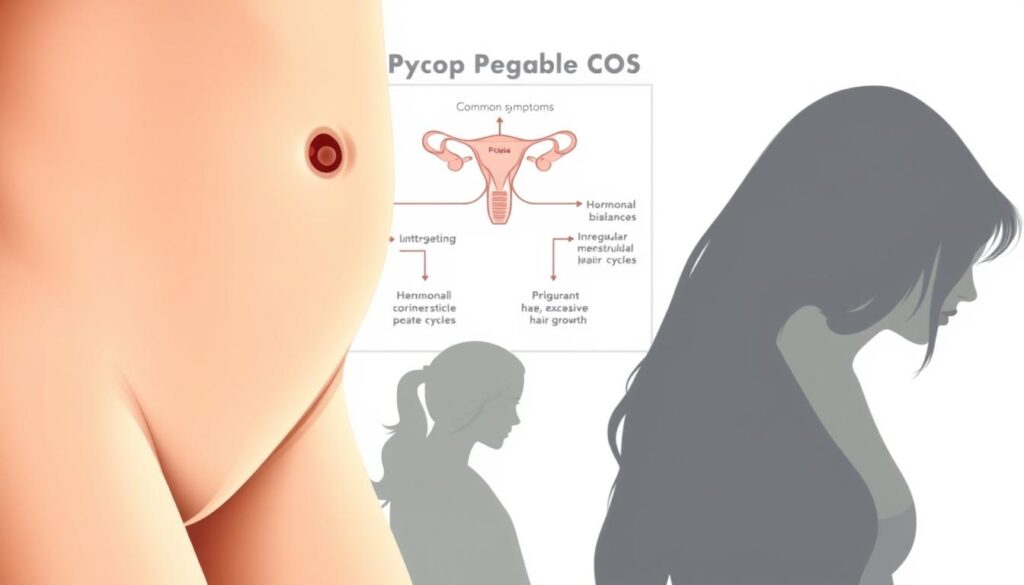
Despite its name, PCOS does not always involve ovarian cysts, and not everyone with PCOS has excess body weight. This is why treatment and nutrition plans should be personalized rather than based on appearance or weight alone.
How PCOS and insulin resistance are connected
Insulin is a hormone that helps glucose, or blood sugar, enter your cells for energy. With insulin resistance, cells respond less effectively, so the body may produce more insulin to compensate.
Higher insulin levels can contribute to increased androgen production. Androgens are hormones that everyone produces, but higher levels can play a role in acne, unwanted hair growth, and irregular ovulation.
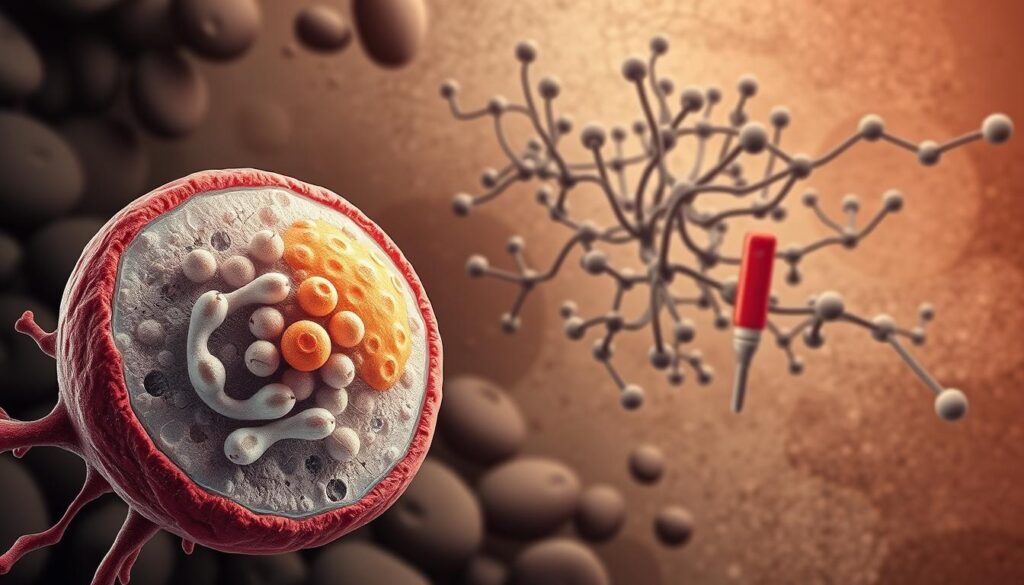
Insulin resistance is common in PCOS, but it isn’t present to the same degree in everyone. A balanced diet can help support blood sugar control, although food choices alone cannot correct every hormonal problem.
The aim is not to prevent every rise in blood sugar. It’s to develop an overall eating pattern that supports your health without unnecessary restrictions.
How to Build a Balanced PCOS-Friendly Plate
One of the easiest ways to plan meals is to divide your plate into vegetables, protein, and quality carbohydrates. This approach is adapted from the American Diabetes Association’s Plate Method.
Start with a regular plate and use this simple framework:
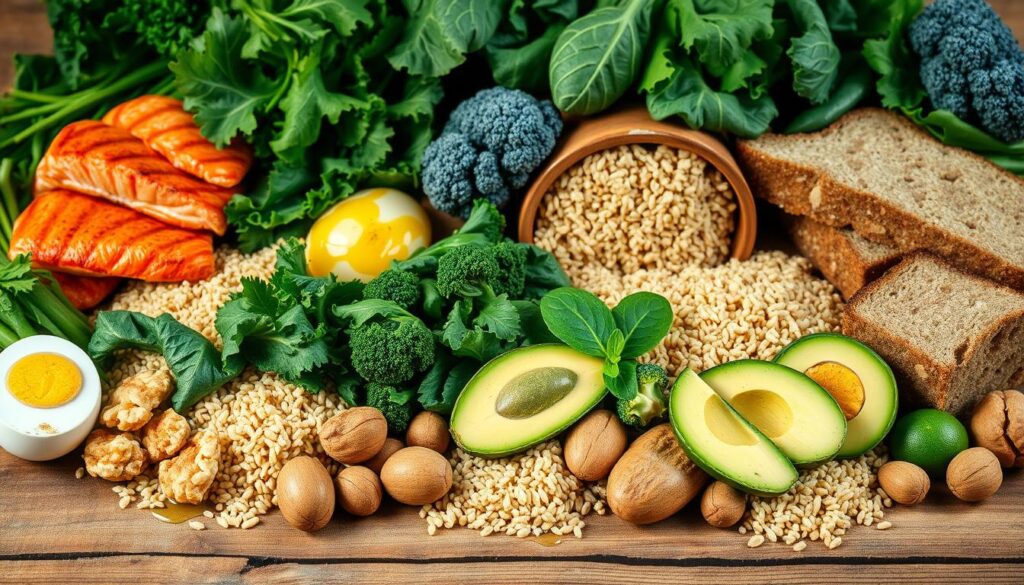
- Half the plate: Non-starchy vegetables such as broccoli, spinach, cabbage, peppers, or cauliflower.
- One-quarter: Lean protein such as chicken, fish, eggs, or tofu.
- One-quarter: Carbohydrates such as brown rice, quinoa, whole wheat pasta, or sweet potatoes.
- Add healthy fats: Include a little olive oil, avocado, nuts, or seeds.
Do you need a special portion-control plate?
No. You can follow this method using any ordinary plate. Simply imagine dividing the surface into three sections, then adjust the amounts to suit your hunger, activity, and nutrition needs.
If you find visual reminders helpful, the Health Beet 10-inch Portion Control Plate offers three physical sections: half for vegetables and one-quarter each for protein and carbohydrates. Its polypropylene design is reusable and described by the manufacturer as microwave- and dishwasher-safe.
The main benefit is convenience. It makes the plate method easier to follow while learning portions. However, its sections cannot tell you exactly how much food your body needs, and it has no special hormone-balancing effect.
- 𝗛𝗲𝗮𝗹𝘁𝗵 𝗕𝗲𝗲𝘁 𝗗𝗶𝗮𝗯𝗲𝘁𝗲𝘀 𝗣𝗼𝗿𝘁𝗶𝗼𝗻 𝗖𝗼𝗻𝘁𝗿𝗼𝗹 𝗣𝗹𝗮𝘁𝗲𝘀: This portion divided plates for adults, teens, and kids is designed with diabetes management in mind, helping you maintain a balanced portions diet by supporting a straightforward solution for controlling portions without the need for constant measuring: 50% for vitamin-rich Veggies, 25% for Carbs, and 25% for lean protein. Adhering to American Diabetes Association Guidelines for Balanced Meals.
- 𝗛𝗲𝗮𝗹𝘁𝗵𝘆 𝗘𝗮𝘁𝗶𝗻𝗴 𝘄𝗶𝘁𝗵 𝗔𝗺𝗲𝗿𝗶𝗰𝗮𝗻 𝗗𝗶𝗮𝗯𝗲𝘁𝗲𝘀 𝗔𝘀𝘀𝗼𝗰𝗶𝗮𝘁𝗶𝗼𝗻 𝗚𝘂𝗶𝗱𝗲𝗹𝗶𝗻𝗲𝘀: Health Beet Portion Control Plate is aligned with American Diabetes Association guidelines, these portion plates for weight loss help manage Type 2 Diabetes by promoting balanced healthy meals and portion control. Our 3 section plates support weight control and long-term health benefits.
- 𝗦𝘁𝗿𝗲𝗮𝗺𝗹𝗶𝗻𝗲𝗱 𝗠𝗮𝗰𝗿𝗼 𝗗𝗶𝗲𝘁 𝗣𝗹𝗮𝘁𝗲𝘀: This portion divided plate divides your meal, emphasizing three key macronutrient groups with dividers simplifying the planning of meals that align with your nutrition goals and management. Each section of this sectional plate serves as a reminder to balance your intake for better health by following the intuitive layout and avoiding the guesswork in portioning.
- 𝗗𝘂𝗿𝗮𝗯𝗹𝗲 𝐏𝐨𝐥𝐲𝐩𝐫𝐨𝐩𝐲𝐥𝐞𝐧𝐞 𝗠𝗮𝘁𝗲𝗿𝗶𝗮𝗹: Made from quality polypropylene, this portion control unbreakable plates are 100% free from BPA, PVC, and melamine, ensuring it’s free from harmful chemicals. This durable material stands up to daily use and frequent washing, making it ideal for long-term meal planning.
If you prefer regular dinnerware, keep using it. A balanced meal matters more than the type of plate you purchase.
The Best Foods to Include in a PCOS Eating Plan
There isn’t one required PCOS food list. However, several food groups make it easier to build nutritious, satisfying meals.
1. Protein to support fullness and nutrition
Protein helps maintain muscle and can make meals more filling. Including it with carbohydrate-rich foods may also help moderate the blood sugar response to a meal.
Useful options include eggs, Greek yogurt, cottage cheese, chicken, turkey, fish, tofu, tempeh, lentils, and beans. Choose a variety instead of relying on the same protein every day.
2. Fiber-rich carbohydrates for blood sugar management
You don’t need to eliminate carbohydrates because you have PCOS. Your body uses them for energy, and many carbohydrate-rich foods provide valuable fiber, vitamins, and minerals.
Good everyday choices include:
- Oatmeal and unsweetened whole-grain cereals
- Brown rice, quinoa, and whole wheat bread
- Chickpeas, black beans, and lentils
- Apples, berries, oranges, and other whole fruits
- Sweet potatoes and other starchy vegetables
Whole grains often offer more fiber than refined alternatives, but portions still matter. You can also include white rice or other familiar carbohydrates as part of a balanced meal.
3. Vegetables and healthy fats
Vegetables provide fiber and important nutrients. Try adding different colors throughout the week rather than relying on one vegetable.
For fats, use options such as olive oil, walnuts, almonds, chia seeds, avocado, and salmon. These foods can support general heart health, but they are not proven cures for PCOS-related hormonal symptoms.
Meal Timing for PCOS: What Actually Matters?
You’ve probably heard that women with PCOS should eat a large breakfast, skip late dinners, or follow strict eating windows. Research on meal timing is developing, but there is not enough evidence to require one specific eating schedule for everyone with PCOS.
Some studies suggest that changing meal timing may improve certain metabolic measures. However, the findings are limited, and the benefits of one schedule over another remain uncertain.
Build a routine around your real life
For many women, three balanced meals with optional snacks is a practical starting point. Others prefer different schedules because of work, exercise, or hunger patterns.
Try these simple habits:
- Breakfast: Eat when it suits your appetite and schedule. Choose protein and fiber when possible.
- Lunch: Build a filling meal with vegetables, carbohydrates, and protein.
- Dinner: Choose a balanced portion that satisfies your hunger rather than automatically eating less.
- Snacks: Add them when needed instead of forcing yourself to eat or skip them.
If late-night meals affect your sleep or digestion, moving dinner earlier may help. But eating later does not automatically cause insulin resistance or weight gain.
Long fasting periods and highly restrictive eating schedules may be unsuitable during pregnancy, with a history of disordered eating, or when taking certain blood-sugar-lowering medications. Discuss major timing changes with your care team in these situations.
A Simple PCOS Diet Plan: One Day of Balanced Eating
Start with a manageable day rather than trying to plan every meal perfectly. This example uses familiar ingredients and allows substitutions based on preferences and budget.
Breakfast: Greek yogurt with berries and oats
Combine plain Greek yogurt, berries, oats, and a small serving of chopped almonds or chia seeds. The mixture provides protein, fiber, and satisfying fats.
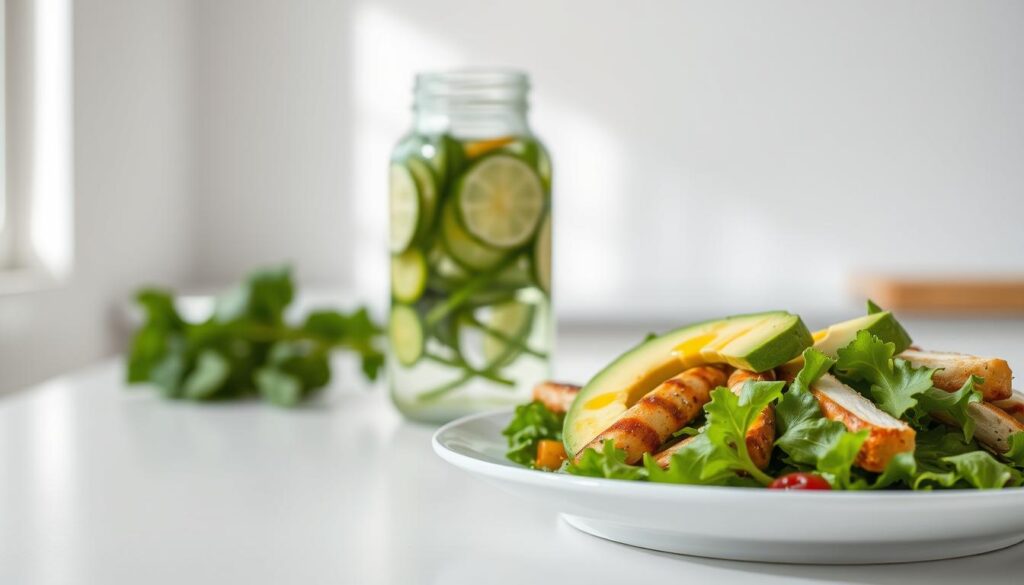
Lunch: Chicken and quinoa vegetable bowl
Mix cooked quinoa with grilled chicken, spinach, cucumber, tomatoes, and olive oil dressing. Replace chicken with tofu or lentils for a vegetarian option.
Afternoon snack: Apple with peanut butter
Pair an apple with peanut butter, or choose hummus and carrots. Snacks are optional, so use your hunger and activity levels as a guide.
Dinner: Salmon with vegetables and brown rice
Serve baked salmon with roasted broccoli and brown rice. For another option, prepare a tofu and vegetable stir-fry.
This is a meal framework, not a fixed-calorie prescription. Adjust portions and snacks to meet your individual needs.
Your 7-Day PCOS-Friendly Meal Framework
For an easier week, rotate a few balanced meals rather than cooking something entirely different every day.
- Monday: Oatmeal with Greek yogurt; chicken-quinoa salad; salmon with broccoli and brown rice.
- Tuesday: Eggs with whole-grain toast; lentil vegetable soup; tofu stir-fry with rice.
- Wednesday: Berry yogurt bowl; turkey-avocado wrap; chickpea and vegetable curry with quinoa.
- Thursday: Overnight oats and nuts; black bean grain bowl; baked chicken with sweet potato and green beans.
- Friday: Spinach omelet and toast; tuna or chickpea salad; whole wheat pasta with vegetables and lean protein.
- Saturday: Cottage cheese with fruit; lentil and roasted vegetable bowl; grilled fish or tofu with quinoa.
- Sunday: Peanut butter oatmeal; chicken or bean wrap; vegetable soup with whole-grain bread and a protein source.
Choose optional snacks such as fruit and nuts, yogurt, roasted chickpeas, or hummus with vegetables. Swap meals between days, repeat favorites, and adjust for food allergies, preferences, and activity.
Make weekly meal preparation easier
Set aside time once or twice weekly to prepare the ingredients you use most.
- Cook a batch of rice, quinoa, or another favorite grain.
- Prepare lentils, beans, tofu, chicken, or another protein.
- Wash and chop vegetables for several meals.
- Store suitable foods in clean, covered containers and refrigerate promptly.
- Keep convenient backup foods such as frozen vegetables and canned beans.
Meal prepping does not have to mean preparing seven identical lunches. Having a few ingredients ready can make everyday choices easier.
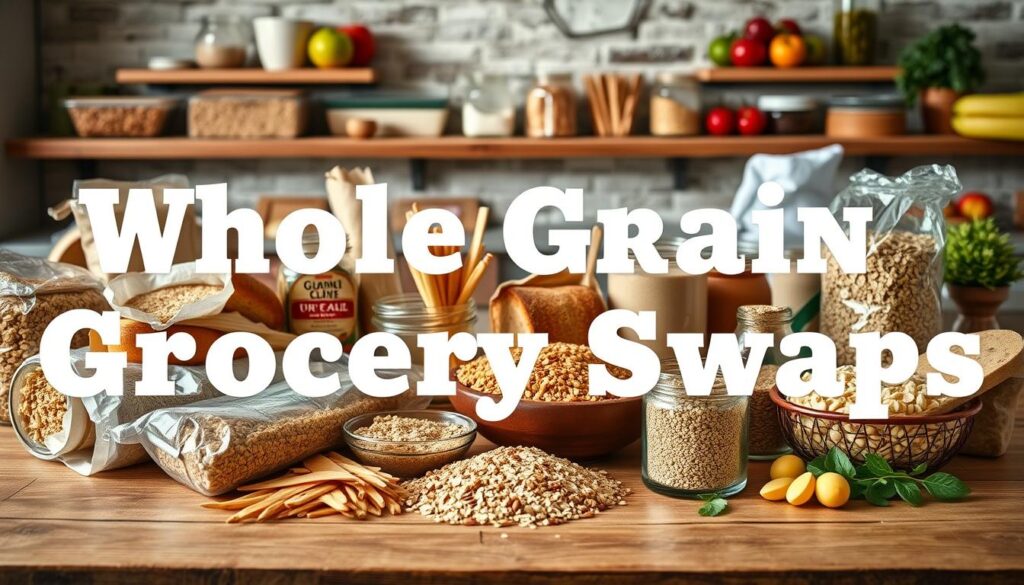
Smart Grocery Swaps for Managing PCOS
Improving your diet doesn’t require replacing everything in your kitchen. Begin with foods you already eat and look for small upgrades that add nutrients or reduce excess added sugar.
Easy swaps worth trying
- Sugary soda → Water, sparkling water, or unsweetened tea.
- Sugary breakfast cereal → Oatmeal with berries, yogurt, and nuts.
- White bread → 100% whole-grain bread when available.
- Processed snack foods → Fruit with nuts or vegetables with hummus.
- Frequent processed meats → Fish, tofu, beans, or lean poultry.
- Expensive fresh produce → Frozen vegetables and berries without added sauces or sugar.
Read food labels without overcomplicating them
When comparing packaged foods, pay attention to fiber, added sugar, saturated fat, and serving size. A product doesn’t have to be labeled “PCOS-friendly” to fit a healthy eating pattern.
Also, don’t judge foods only by ingredient-list length. Canned beans, frozen vegetables, and plain yogurt are convenient options that can provide useful nutrition.
Try one or two swaps each week. Once those become comfortable, build on them instead of changing everything overnight.
Beyond Diet: Exercise, Sleep, and Medical Treatment
Food is one part of PCOS management. Regular physical activity, adequate sleep, and appropriate medical treatment also support long-term health.
Choose movement you can maintain
Walking, cycling, strength training, swimming, and yoga can all be useful. No single exercise style has been proven best for every woman with PCOS.
For general health, adults can work toward 150–300 minutes of moderate aerobic activity weekly, plus muscle-strengthening exercise on at least two days. Beginners can start with 10–15 minutes and increase gradually.

A short walk after meals is another manageable way to add movement. Choose activities you enjoy rather than exercising only to burn calories.
You may also find our guide to cycle-syncing workouts useful for planning flexible activity, although strict cycle-based workout rules are not established PCOS treatments.
Protect your sleep
Aim for around 7–9 hours of sleep nightly and maintain a consistent schedule when possible. If you experience loud snoring, breathing pauses during sleep, or strong daytime sleepiness, ask about screening for sleep apnea, which is more common among people with PCOS.
Know when medication and monitoring matter
Healthy eating cannot replace treatment for every PCOS concern. Depending on symptoms and goals, clinicians may recommend menstrual-cycle treatment, metformin for metabolic concerns, or fertility-related care.
PCOS also increases diabetes risk, even in women who are not overweight. The international PCOS guideline recommends assessing blood sugar status at diagnosis and repeating assessment based on individual risk. An oral glucose tolerance test is generally the most accurate option.
If you go several months without a menstrual period, experience worsening symptoms, or are planning pregnancy, discuss your treatment and monitoring needs with your clinician.
Common PCOS Diet Mistakes to Avoid
Many popular diet rules sound convincing but can make everyday eating unnecessarily stressful.
- Cutting all carbohydrates: This can eliminate useful foods such as beans, fruit, and whole grains. Focus on carbohydrate quality and suitable portions instead.
- Skipping meals to force weight loss: Rigid restrictions can increase hunger and may be unsuitable for some medical conditions.
- Expecting fast hormonal results: Better food choices support health but cannot guarantee clearer skin or regular cycles within weeks.
- Buying expensive supplements: Most products marketed for PCOS have limited evidence. Discuss supplements and potential interactions before using them.
- Focusing only on the scale: Improvements in activity, nutrition, blood pressure, cholesterol, and glucose can matter even without weight loss.
Frequently Asked Questions About Eating With PCOS
What is the best diet for PCOS?
There is no single proven best diet. A balanced pattern that includes vegetables, protein, whole grains, legumes, fruit, and unsaturated fats is a practical starting point. Mediterranean-style eating is one option, but your preferences and nutritional needs matter more than following a diet label.
Should women with PCOS avoid rice, bread, and potatoes?
No. These foods can fit into balanced meals. Consider portions, choose higher-fiber varieties when practical, and combine them with protein and vegetables.
Can I eat fruit if I have insulin resistance?
Yes. Whole fruits provide fiber, vitamins, and other nutrients. Whole fruit is generally a better everyday choice than juice because it retains more fiber.
Is intermittent fasting good for PCOS?
Some small studies suggest time-restricted eating may improve certain metabolic outcomes. However, research remains limited, and it isn’t clearly superior for everyone. You don’t need intermittent fasting to follow a healthy PCOS eating plan.
Does everyone with PCOS need to lose weight?
No. PCOS affects women across different body sizes. Healthy eating and regular activity offer benefits regardless of weight loss. When weight management is appropriate, goals should be individualized and supported without extreme restriction.
Can eating better regulate my periods or improve acne?
Diet and lifestyle changes may improve some metabolic and hormonal measures, which can help certain symptoms. However, they don’t reliably restore regular periods or resolve acne for everyone. These concerns may need additional treatment.
How quickly can dietary changes improve PCOS symptoms?
There is no dependable timeline. Changes in hunger, daily energy, or eating habits may become noticeable before measurable metabolic or menstrual improvements. Some outcomes take months, and others may not respond to dietary changes alone.
How should I personalize the plan if I take medication?
Discuss food timing and portions with your clinician or registered dietitian, especially if you take medication that can lower blood sugar. Pregnancy planning, existing diabetes, food allergies, and eating-disorder history can also affect the safest approach.
Conclusion: Start With One Balanced Meal
The most useful PCOS eating plan is one that supports your health and fits your daily life. You don’t need to eliminate every favorite food, follow rigid meal times, or purchase special products to begin.
Start by adding protein and fiber to breakfast, increasing vegetables at lunch, or replacing a sugary drink with water. Choose one change you can repeat, then build from there.
Keep track of meaningful changes in your energy, menstrual cycles, and overall well-being, along with blood sugar and other health markers when recommended. Work with your care team to address symptoms that need additional treatment.
For more guidance on nutrition and PCOS, explore Mass General Brigham’s PCOS nutrition recommendations and the international evidence-based PCOS guideline.




Don’t Miss These Picks