


Could a few minutes with your feet on soil change how you sleep, stress, or recover? This question has pushed a simple practice into social feeds and living rooms.
Grounding — also called earthing — means direct skin contact with the earth or using conductive products that link your body to ground. People try walking barefoot, lying on grass, or using mats indoors.
This short guide cuts through the hype with plain science and practical steps. We’ll explain the core hypothesis (electrons from the earth may neutralize free radicals), summarize current research, and offer safe ways to try it so readers can decide if it fits their life.
Early studies report possible benefits for sleep, inflammation, and stress, but many trials are small or self-reported. Safety matters: outdoor contact can risk foot injury and some devices need proper grounding to avoid shocks.
Key Takeaways
- Grounding connects skin to the earth through walking barefoot or conductive products.
- Small studies suggest potential benefits for sleep, pain, and stress, but evidence is limited.
- Simple outdoor steps are low-cost, but watch for foot hazards and proper device grounding.
- This guide clarifies science, offers practical tips, and flags safety so people can decide.
- For an accessible overview of the research, see this summary.
What is this practice and why is it suddenly everywhere?
Direct skin contact with the earth or a conductive product is the core idea. People try walking barefoot, sitting on grass, or using small mats to re-establish that physical link.
A simple practice — direct skin contact with soil, sand, or water — now sits at the center of a lively online conversation.
From short videos to celebrity posts: how the idea took root
Short-form clips and influencers made the practice visible fast. Celebrities sharing barefoot walks and product posts helped spread interest to many people.

Claims focus on absorbing electrons from earth to support health, but the available science remains small and mixed. Try small, low-cost steps and avoid overselling benefits.
How this differs from anxiety “grounding” techniques
Anxiety grounding methods use cognitive and sensory cues to pull attention into the present. They do not require electrical contact with soil or devices.
“Grounding as an exposure practice is physical; anxiety grounding is mental and sensory.”
Common ways people start:
- Brief walking barefoot on lawns, beaches, or damp soil.
- Sitting or lying on grass for a few minutes.
- Testing a desk mat or small sheet linked to earth through a grounded outlet — see options like grounding mats.
| Method | Contact surface | Notes |
|---|---|---|
| Walking barefoot | Grass, sand, wet soil | Bare skin is required; shoes block contact |
| Sitting/lying outside | Park lawns, beaches | Good for short sessions and sensory immersion |
| Conductive products | Mats, sheets | Requires proper outlet grounding or rod |
Grounding Wellness Trend: what people claim and what it actually involves
This section explains common claims and the simple steps people use to try the idea. It’s easy to test and low-cost, but results vary and research is still limited.
The practice often goes by earthing or grounding. Promoters say it may ease chronic fatigue, reduce pain, lift mood, improve sleep, and even affect some cardiovascular markers.

In everyday terms, people describe better sleep quality, less stress, lower pain levels, and a general sense of balance. Common ways to try it include a few minutes barefoot on grass, lying on the lawn, wading in natural water, or using a simple mat, sheet, or patch indoors.
- Claim summary: supporters point to better sleep, less pain, calmer mood, and faster recovery.
- What it looks like: short barefoot sessions, outdoor lying time, or a conductive product at rest.
Many in the U.S. like it because it’s accessible, outdoorsy, and a low-cost way to break sedentary habits. Minimal shoes can boost sensory input but do not replace direct skin contact with the earth.
Reality check: small studies exist, so treat personal gains as a self-test. Keep a brief journal of sleep, stress, pain, or energy for a few weeks to see if the practice fits your life.
How grounding is proposed to work: skin contact, electrons, and the body
The main idea is electrical: when your skin touches the earth, electrons may enter the body and help neutralize free radicals. This is plausible but still needs stronger evidence.
The core idea asks a simple question: can direct contact with the earth shift the body’s electrical balance?
How the earthing hypothesis explains it
Step by step: The earth holds a negative charge. Direct skin contact may allow electrons to flow into the body. Those electrons could help buffer oxidative processes by neutralizing free radicals.
Modern life and the “electron deficiency” narrative
Proponents say insulated soles, concrete, and indoor living limit natural exchange of charge. Thick shoe soles and layered clothing block contact, so the body may miss routine electron input.
What this looks like in physiology and evidence
Electron transfer and redox balance are real physiological concepts. Small studies report shifts in cortisol patterns and heart rate variability, but results are limited and not yet definitive.
“Think of it as a gentle lifestyle input — not a medical cure.”
Grounding may complement healthy habits, not replace medical treatments. Consult a clinician if you have any disease or chronic condition before trying it as therapy.

| Claim | Proposed mechanism | Current evidence |
|---|---|---|
| Neutralize free radicals | Electrons flow from earth to skin | Early lab and small trials; more data needed |
| Change stress markers | Altered charge affecting hormones | Some reports on cortisol and HRV; limited size |
| Restore charge balance | Reduce ‘electron deficiency’ from insulation | Plausible physiologically; clinical impact unclear |
For a concise overview of reported outcomes and safety notes, see grounding benefits.
What the science says today: studies, biomarkers, and evidence limits
Early research shows promising signs for reduced inflammation, pain, and stress, but the studies are small and methods vary. Taken together, the data hint at changes in sleep markers, heart-rate patterns, and blood flow — yet they stop short of firm clinical proof.
Inflammation, pain, and stress:
Controlled trials with massage therapists reported lower stress, depression, fatigue, and pain after sessions using mats or patches. Participants also had modest shifts in average heart and respiratory rates.
Sleep, cortisol, and HRV:
One study found lower nighttime cortisol levels and better circadian alignment after earthing during sleep. Small reports also note improved heart rate variability (HRV) after about 20 minutes of contact, with larger effects after longer sessions.
Blood flow and blood pressure:
A trial that used grounding mats during yoga recorded reduced blood viscosity. A few small studies suggest slight blood pressure reductions, which could be relevant for cardiovascular disease risk if replicated at scale.
Wound healing and special groups:
In people with diabetes, daily 1‑hour sessions for a month were linked with faster wound closure. A quasi-experimental report in preterm infants (1 hour/day for 30 days) noted shorter acute respiratory illness duration. These results are intriguing but need stronger controls.
“Think of these findings as early signals rather than definitive proof.”
Key limits: small sample sizes, self-reported outcomes, quasi-experimental designs, and possible placebo effects weaken the evidence. Future larger, blinded studies are needed.
Practical takeaway: if you try it, keep a simple sleep, pain, and stress log for weeks and discuss any medication changes with your clinician. For a concise review of available studies, see this summary of the evidence.

How to practice grounding safely: outdoors, in water, and with daily habits
Start simple and regular: short sessions on grass, sand, or at the water’s edge make this practice easy to test. Focus on comfort, safety, and steady time rather than long, infrequent sessions.
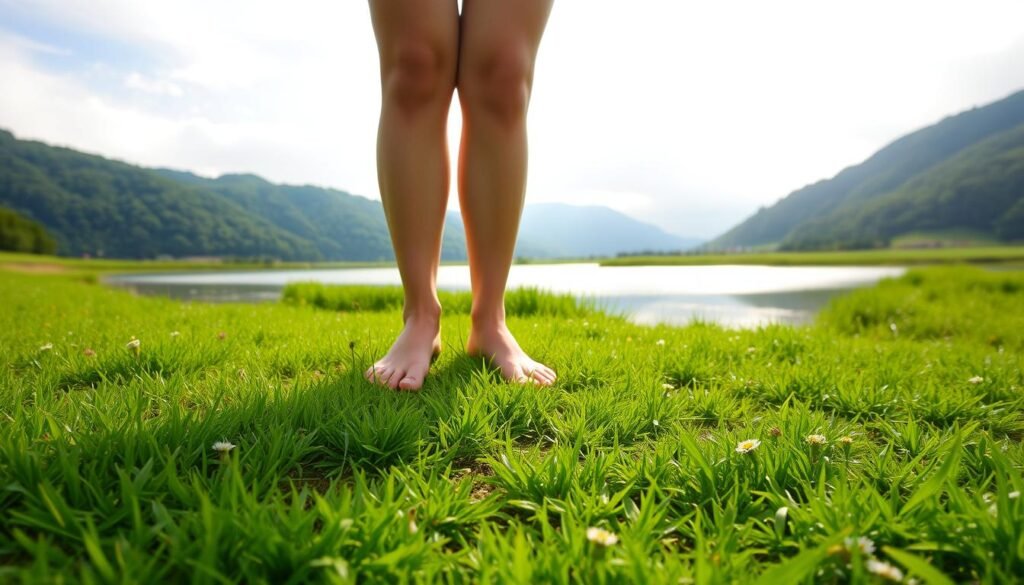
Small, repeatable sessions outdoors or by water are the most accessible way to start. Choose a safe patch of grass, sand, or soil. Clear debris, stand or stroll slowly, and notice sensations through your feet.
Walking, lying, and wading
Walking barefoot on grass, sand, or mud is the simplest method. Lying on the ground with a thin towel keeps skin contact while adding comfort. Gentle wading in lakes or the ocean also works—avoid strong currents and poor water quality.
Time and frequency
Aim for 10–20 minutes a day, or longer if comfortable. Some people report changes within 30 minutes, but consistency over weeks gives a clearer picture. Adjust time by season and schedule.
Urban-friendly ways and safety
- City options: visit a park at lunch, sit with ankles on soil, or plan short weekend beach trips.
- Foot care: inspect surfaces to reduce cuts, splinters, and insect bites; keep basic first aid handy.
- Heat & hydration: in warm weather drink water and use sun protection; in cold weather limit exposure and warm up after.
Device guidance and electrical precautions come next—if you use indoor earthing products, check outlets and avoid use during thunderstorms. Take sensible steps and prioritize safety over speed.
Grounding products and precautions: mats, sheets, shoes, patches, and more
Indoors or out, several products let you try earthing without long walks. Choose simple, well-made items and follow manufacturer instructions to reduce harm.
Product guide: what each option does
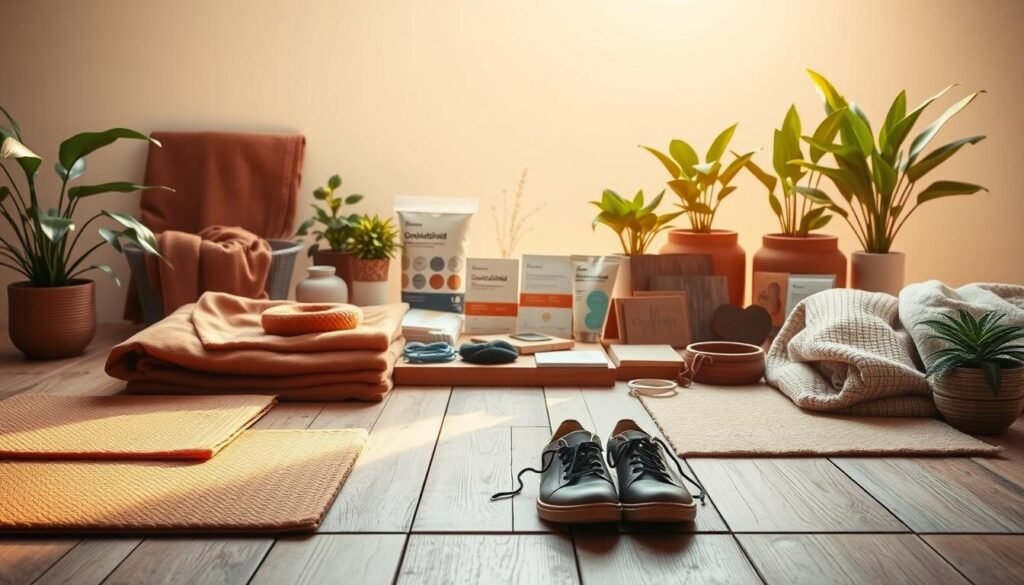
You can connect indoors using grounding mats, sheets, mattress pads, socks, shoes, patches, and grounding rods.
Grounding mats are the easiest entry point: place one under your feet or hands at a desk. Many people use them while working or meditating.
Sheets and mattress pads use conductive fibers (often silver) and plug into a grounded outlet or rod. Note that silver can oxidize, which lowers conductivity over time.
Socks and shoes with conductive elements provide contact while moving. Adhesive patches snap to a cord for targeted use during rest or therapy.
Ground rods let you bypass an outlet by running a cord to soil. Route cables safely to avoid trip hazards.
Safety first: checks, health issues, and practical tips
Prioritize safety: verify grounded outlets, never use plug-in gear during thunderstorms, and talk to your clinician if you have implants or health concerns.
Use an outlet checker when you change locations. Stop use and seek help if you feel odd sensations or skin irritation.
People with implants, recent surgery, nerve damage, pregnancy, or weakened immunity should consult a doctor first. Small studies report changes in nighttime cortisol and sleep and one trial linked mats to lower blood viscosity — promising but not definitive for all participants.
Start small: try 10–20 minutes, track how you sleep and feel, and inspect product durability over time.
Conclusion
Try a simple, small test: short, regular contact with the earth may help sleep, ease stress, and reduce pain for some people. The science is promising but early, so treat the practice as a low-risk add-on, not a medical fix.
What we know: a handful of small studies report shifts in nighttime cortisol, subjective stress and pain, blood viscosity, and wound healing. These findings point to possible benefits, yet larger trials are needed.
How to proceed: pick a safe way to connect your feet or hands to natural surfaces or a reliable product, be consistent day to day, and track sleep and mood. Check outlets, avoid thunderstorms, and consult a clinician for medical concerns.
Curious readers can read a concise review on sleep and sheets at do grounding sheets help you sleep. Start small, note changes, and let personal experience plus future research guide your choice.
FAQ
What is grounding (also called earthing) and how does it differ from anxiety “grounding” techniques?
Grounding or earthing refers to direct skin contact with the Earth — walking barefoot on grass, soil, sand, or shallow natural water — or using conductive products that connect you to the ground. It’s a physical practice focused on electrical contact and potential exchange of electrons with the planet. That’s different from psychological grounding techniques used for anxiety (like 5-4-3-2-1 sensory exercises), which are mental tools to reduce panic and reorient attention rather than making electrical contact with the Earth.
Why has barefoot walking and earthing become popular recently?
The practice gained visibility through social media, influencer mentions, and coverage in lifestyle outlets. People seeking simple, low-cost ways to reduce stress and improve sleep find barefoot time appealing. The appeal also ties to broader interest in natural lifestyle habits, outdoor activity, and interventions that feel easy to integrate into daily life.
What do proponents claim earthing does for health?
Advocates say earthing can reduce inflammation, ease pain, improve sleep quality, lower stress and cortisol, and support circulation and heart-rate variability. Some also promote special products — mats, sheets, patches, and conductive footwear — that aim to provide similar effects indoors by creating a path to the earth’s surface charge.
What’s the proposed mechanism — how would earth contact affect the body?
Supporters propose that contact with the planet allows free electrons to move into the body, neutralizing reactive oxygen species (free radicals) and changing electrical properties of tissues and blood. The hypothesis links these electrical effects to shifts in inflammatory markers, blood viscosity, and autonomic regulation, but it remains a developing area of research.
Is there strong scientific evidence that earthing improves health?
Evidence is limited and mixed. Small clinical studies and pilot trials report modest changes in some markers — reduced self-reported pain, small shifts in inflammation markers, improved sleep in some participants, and altered heart-rate variability — but many studies have small samples, short durations, or risk of bias. Larger, well-controlled trials are needed to confirm benefit and clarify mechanisms.
Can earthing replace medical treatment for chronic conditions?
No. While some people report symptom relief, earthing is not a substitute for evidence-based medical care. It may be an adjunctive self-care practice, but anyone with chronic illness, cardiovascular disease, diabetes, or ongoing pain should follow prescribed medical plans and discuss complementary approaches with their clinician.
How long and how often should I walk barefoot or make earth contact to see effects?
Research and practitioner suggestions vary. Many small studies and guides use sessions from 10–20 minutes up to an hour daily. Practical recommendations are to start with short sessions (10–20 minutes) and increase based on comfort and skin tolerance. Consistency seems more relevant than long single sessions, but definitive dosing isn’t established.
Are there safe ways to practice earthing in cities or for people with limited outdoor access?
Yes. Urban-friendly options include spending time in parks, using small patches of soil or community gardens, walking barefoot on beaches when available, or using conductive indoor products that claim to connect to earth via a grounded outlet or grounding rod. Always prioritize foot hygiene and safe surfaces free of sharp debris.
Do grounding mats, sheets, and patches work the same as barefoot contact? Are they safe?
Grounding products aim to provide electrical connection to the Earth indoors. Some users report benefits similar to outdoor contact, but product quality and correct installation matter. Safety issues include faulty wiring, improper grounding to outlets, and risk around thunderstorms or electrical surges. Follow manufacturer instructions, verify grounding with an outlet tester, and choose reputable brands. People with implanted electronic medical devices should consult their provider before using conductive products.
Could earthing pose any risks or side effects?
Risks are generally low for healthy adults using safe surfaces, but possible issues include skin cuts, infection if feet are unclean or wounded, exposure to contaminants in soil or water, and electrical hazards from improperly wired products. People with diabetes, peripheral neuropathy, circulatory problems, or implants should take extra caution and ask their clinician before trying grounding devices.
What does research say about earthing and sleep, cortisol, and stress?
Some small trials report improved sleep quality, reduced nighttime cortisol, and changes in heart-rate variability consistent with reduced sympathetic arousal. Results are preliminary and can be influenced by placebo effects, sleep hygiene changes, or increased outdoor time. Larger randomized trials are needed to determine robust, long-term effects.
Have studies examined earthing for inflammation, pain, or wound healing?
A handful of small studies and case reports suggest reductions in self-reported pain and some inflammatory markers after earthing. Limited research has explored wound healing or outcomes in special populations (such as people with diabetes or preterm infants), but sample sizes are small and conclusions are cautious. Researchers call for rigorous trials before recommending clinical use.
Does walking barefoot change blood pressure or blood flow?
Some pilot studies report modest changes in blood viscosity and circulation after earthing sessions, and a few show small reductions in blood pressure. Findings are inconsistent and not yet sufficient to claim cardiovascular benefit. People with cardiovascular disease should continue standard care and consult their physician before adopting new practices.
How should I choose a grounding product if I want to try one?
Look for products from reputable manufacturers with clear testing data, third-party safety certifications, and detailed installation instructions. Verify grounding with an outlet tester or have an electrician confirm proper earth connection. Check return policies and read independent reviews. Remember that simple outdoor barefoot time incurs no product risk and is often the most direct method.
Can grounding help with anxiety or panic attacks?
Emotional grounding techniques (sensory or cognitive strategies) are proven tools for anxiety management. Physical earthing may help some people feel calmer, possibly via increased outdoor exposure, reduced stress from nature contact, or sleep improvements. However, it should not replace evidence-based mental health treatments when those are needed.
Are there particular times of day or environments that are best for earthing?
Many people prefer morning or evening sessions to align with outdoor routines and cooler temperatures. Shallow natural water, dewy grass, or clean sand are commonly used surfaces. The key practical point is consistency and safety: choose clean, debris-free areas and avoid wet conditions that might hide hazards.
What should people with diabetes or reduced foot sensation know before trying barefoot practice?
People with diabetes, peripheral neuropathy, or poor circulation face higher risk of foot injury and infection. Barefoot walking may not be safe. Discuss plans with a healthcare provider, inspect feet daily, wear protective footwear when needed, and consider safer alternatives like supervised indoor grounding products only after medical approval.
Where can I find reliable studies and reviews on earthing?
Look for peer-reviewed articles indexed on PubMed and reviews from academic journals. Trusted health sources like the National Institutes of Health (NIH), Mayo Clinic, and university publications may discuss available evidence and limitations. Evaluate study size, design, and potential conflicts of interest when reading reports.




Don’t Miss These Picks