

Can a plant help you feel less stressed, sleep better, or get through a tiring day? That is the promise behind adaptogens, a group of herbs and mushrooms that have become popular in supplements, teas, and wellness drinks.
Some adaptogens show promising results, especially ashwagandha for stress and sleep. Others, including rhodiola and ginseng, have been studied for fatigue and mental performance. However, the evidence is often limited, and not every product works as advertised.
This guide explains how adaptogens may work, what studies actually show, which herbs might match different goals, and how to evaluate their safety and quality before trying them.
Key Takeaways
- Adaptogens are not miracle stress relievers. They are herbs and fungi traditionally used to support the body’s response to stress, but their benefits are not guaranteed.
- Ashwagandha has encouraging evidence for reducing perceived stress and modestly improving sleep in some adults.
- Rhodiola and ginseng may help with fatigue, although results are mixed and stronger human studies are needed.
- Immune-boosting claims are often exaggerated. Laboratory effects do not prove that a supplement prevents infections.
- Quality and safety matter. Look for independently tested products, check medication interactions, and remember that natural does not always mean safe.
What Are Adaptogens?
Adaptogens are plants and certain fungi traditionally used to help the body handle physical, mental, or environmental stress. They are popular in herbal medicine systems, including Ayurveda and traditional Chinese medicine.
The concept generally describes substances believed to meet three conditions:
- Reasonable safety: They should have low toxicity at appropriate amounts.
- Broad stress-response effects: They are thought to influence how the body reacts to different stressors.
- Support for balance: They are proposed to help the body maintain normal function, also called homeostasis.
These are traditional criteria, not proof that every herb marketed as an adaptogen meets them. Some have important side effects and medication interactions.
Common examples include ashwagandha, rhodiola, Asian and American ginseng, eleuthero, schisandra, holy basil, astragalus, cordyceps, and reishi.
They come in capsules, powders, teas, and liquid extracts. Their effects depend on the specific herb, preparation, dose, and person using it. For additional background, see UCLA Health’s guide to adaptogens.
How Do Adaptogens Work in the Body?
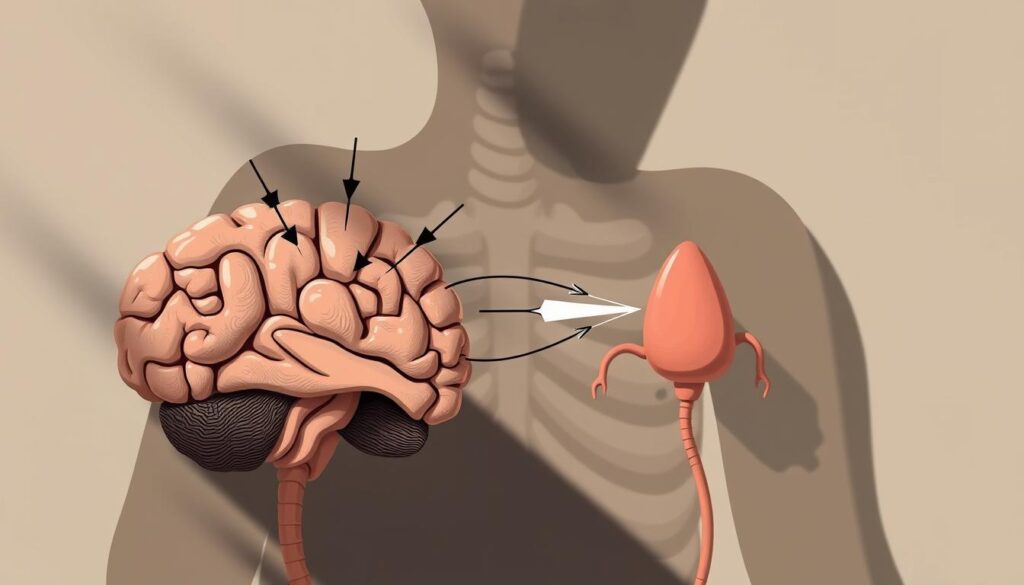
When you face a stressful situation, your brain activates a communication system called the hypothalamic-pituitary-adrenal (HPA) axis.
This system signals the adrenal glands to release cortisol, a hormone that helps regulate energy, blood sugar, alertness, and the stress response. Cortisol is necessary for health. The goal is not to eliminate it.
What researchers think adaptogens do
Some plant compounds appear to influence stress-related signaling in laboratory and animal studies. Researchers have investigated processes involving:
- Cortisol regulation: Changes in stress-hormone responses.
- HSP70: Proteins involved in protecting and repairing stressed cells.
- FOXO and JNK signaling: Cellular pathways involved in stress responses and survival.
- ATP production: The process cells use to make usable energy.
- Oxidative stress: Cell damage associated with an imbalance between reactive molecules and protective systems.
Compounds such as salidroside in rhodiola and schisandrins in schisandra have attracted scientific interest for these effects.
But an effect in a laboratory does not automatically translate into better health. Researchers have not established that adaptogens reliably normalize cortisol or prevent the physical consequences of chronic stress in people.
What Does Science Say About Adaptogen Benefits?
The evidence is different for each herb. Some have small randomized human trials, while others are supported mainly by animal experiments or traditional use.

Where the evidence is most encouraging
- Stress: Several short-term studies suggest certain ashwagandha extracts can reduce perceived stress.
- Sleep: Ashwagandha may modestly improve sleep duration and quality, especially among people experiencing sleep difficulties.
- Fatigue: Some ginseng studies report small improvements in general fatigue, but findings are inconsistent.
- Focus: Preliminary rhodiola and ginseng studies have explored attention and mental performance, with uncertain overall benefits.
What remains uncertain?
Research is less convincing for preventing illness, improving athletic performance, treating depression, protecting the liver, or extending lifespan.
Common research problems include small participant groups, short study periods, different extract strengths, and inconsistent methods. A positive result for one preparation does not prove that every supplement containing the same herb will work.
Ashwagandha: Stress Relief and Sleep Support
Ashwagandha (Withania somnifera) is one of the better-studied adaptogens for stress and sleep. It has a long history in Ayurvedic medicine and contains compounds called withanolides.
What are the potential benefits?
Several trials suggest that certain ashwagandha extracts may:
- Reduce feelings of stress after several weeks.
- Lower measured cortisol levels in some study participants.
- Help some adults fall asleep faster or sleep longer.
- Modestly improve sleep quality, particularly when sleep problems already exist.
The NIH Office of Dietary Supplements reports promising results, while emphasizing that different preparations and small studies make firm recommendations difficult.
What doses have researchers studied?
Some stress studies have used around 500–600 mg of extract daily, while sleep studies often assessed outcomes after approximately six to eight weeks or longer. These are research examples, not a universal recommended dose.
Root powders, concentrated extracts, and root-and-leaf formulas may contain very different amounts of active compounds. Their milligram amounts should not be treated as interchangeable.
Important safety concerns
Ashwagandha may cause stomach upset, diarrhea, nausea, and drowsiness. Rare cases of liver injury have also been reported.
Avoid ashwagandha during pregnancy or breastfeeding. It is also not recommended for people with thyroid or autoimmune disorders without appropriate medical assessment. Interactions are possible with thyroid medicines, sedatives, blood pressure medicines, diabetes medicines, and immunosuppressants.
Long-term safety beyond roughly three months remains uncertain. If unusual fatigue, dark urine, yellowing skin, or severe nausea develops while taking it, stop using the supplement and seek medical attention.
Rhodiola Rosea: Fatigue, Energy, and Mental Focus
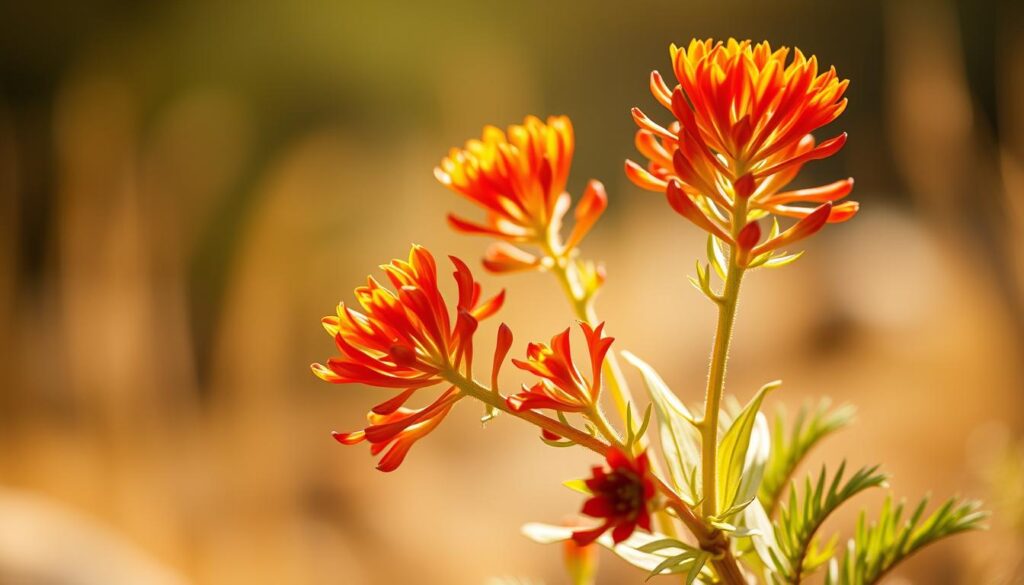
Rhodiola rosea is traditionally used to manage tiredness and support performance during demanding periods. Its roots contain compounds including rosavins and salidroside.
Small studies have explored whether rhodiola can improve mental fatigue, attention, and stress-related symptoms. Some reported encouraging outcomes, but the evidence is not strong enough to establish reliable benefits.
Choosing a rhodiola preparation
Some extracts are standardized for rosavins and salidroside, sometimes around 3% rosavins and 1% salidroside. However, standardization does not guarantee clinical effectiveness.
Studies have tested different amounts and formulations, so there is no well-established dose that works for everyone. Product labels should clearly identify Rhodiola rosea rather than simply saying rhodiola blend.
Possible side effects include headache, dizziness, dry mouth, and insomnia. Rhodiola may also interact with medications, including certain blood pressure drugs.
The National Center for Complementary and Integrative Health (NCCIH) concludes that there is not enough reliable evidence to determine whether rhodiola helps with any specific health condition.
Ginseng: Fatigue and Immune Health
Ginseng is another widely used adaptogen, but the name covers different plants. Two important types are:
- Asian ginseng (Panax ginseng): Traditionally used for vitality, fatigue, and mental performance.
- American ginseng (Panax quinquefolius): Studied for several metabolic and immune-related outcomes.
Asian ginseng is also sold as white ginseng, made from dried root, and red ginseng, which is steamed before drying. Processing changes its chemical composition.
What do studies suggest?
A 2023 review described by NCCIH found that Asian ginseng alone may provide a small benefit for general fatigue. Other studies have examined attention, cognition, blood sugar, and respiratory infections.
Results remain mixed. Evidence that Asian ginseng prevents influenza is preliminary, and it has not been shown to reliably reduce flu severity or duration.
What should you check before using it?
Look for the exact Panax species and information about ginsenosides, the plant’s major studied compounds. Standardized extracts and root powders are not equivalent.
Ginseng may cause insomnia, affect blood glucose, interfere with blood clotting, or interact with prescription medicines. People taking diabetes medications, blood thinners, or medicines for blood pressure should discuss these risks before use.
Read more in the NCCIH Asian ginseng evidence and safety guide.
Eleuthero: Endurance and Recovery
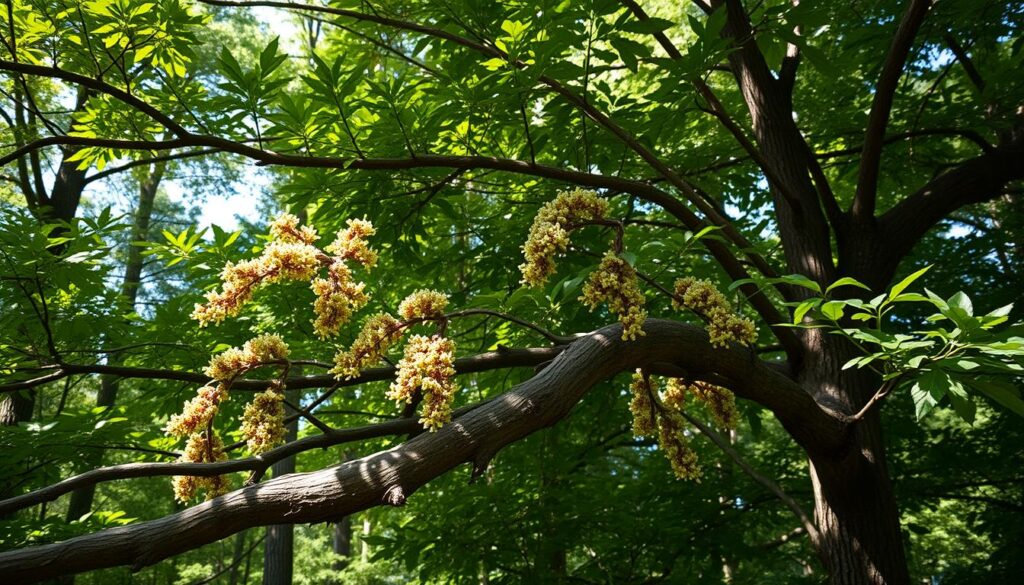
Eleuthero (Eleutherococcus senticosus), sometimes called Siberian ginseng, is not a true Panax ginseng species.
It has traditionally been used to support stamina and recovery from demanding physical or mental activity. Researchers have studied its compounds, including eleutherosides, but convincing human evidence remains limited.
Some older studies examined eleuthero combined with andrographis for respiratory symptoms. These findings cannot establish that eleuthero alone treats a cold.
Small studies have also explored its use for recurrent herpes simplex symptoms, but evidence is insufficient to recommend it as a treatment.
People with cardiovascular conditions should be especially careful. Review potential interactions with heart medications, including digoxin, before considering eleuthero.
Schisandra: Mental Performance and Liver Health
Schisandra chinensis is a berry used in traditional Chinese medicine for vitality, endurance, and liver-related conditions.
Its main researched compounds include schisandrins, which have shown antioxidant and cell-protective activity in laboratory experiments.
Small human studies have investigated liver function, physical strength, and symptoms related to certain medical treatments. However, the results are too limited to establish schisandra as a liver treatment or reliable performance enhancer.
Schisandra may change how the body processes some prescription medications, potentially affecting their levels and side effects. This is particularly important with medicines that require careful blood-level monitoring.
For a detailed explanation, see Memorial Sloan Kettering’s schisandra guide.
Holy Basil, Astragalus, Cordyceps, and Reishi
These plants and medicinal mushrooms are often included in adaptogen blends. Each has different proposed benefits, and their evidence is generally less established than supplement marketing suggests.
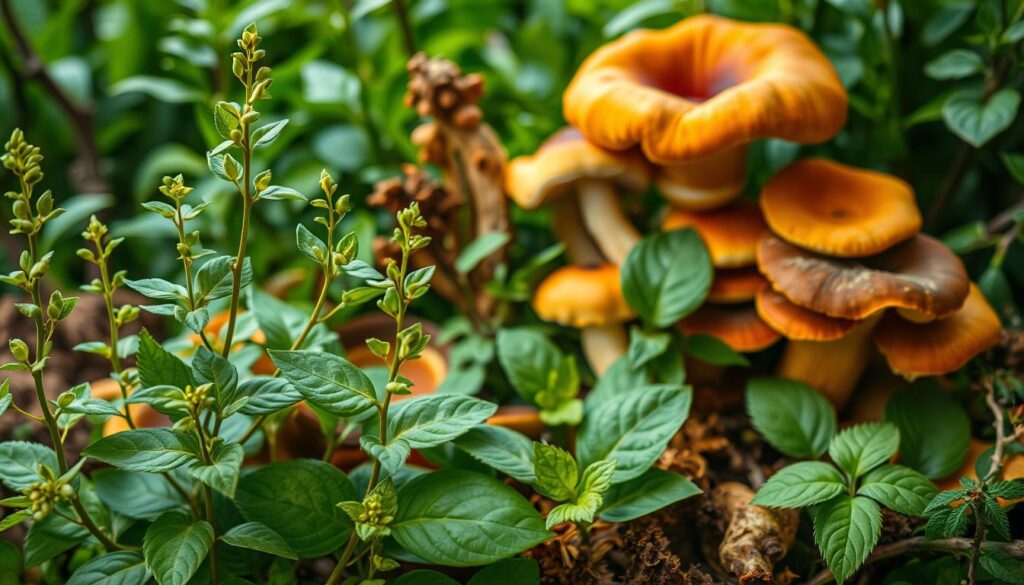
Holy basil (tulsi)
Holy basil has been studied for stress, mood, and metabolic markers such as blood glucose. Early findings are interesting, but studies are often small. People taking diabetes medicines should be careful about possible additive blood-sugar effects.
Astragalus
Astragalus root has traditionally been used for immune support. Some studies report changes in immune markers, but there is insufficient reliable evidence that it prevents respiratory illness or treats a specific condition.
People with autoimmune diseases should avoid astragalus, and it may interact with immunosuppressant drugs. The NCCIH astragalus guide explains these limitations.
Cordyceps
Cordyceps is a fungus promoted for stamina, exercise performance, and immune health. Human studies have produced mixed results, and laboratory findings do not prove that it improves recovery or prevents infections.
Cordyceps may interact with blood thinners and medicines that lower blood sugar.
Reishi mushroom
Reishi contains compounds that affect immune processes in laboratory research. However, reliable evidence for preventing infections or treating cancer is lacking.
Potential risks include nausea, insomnia, bleeding interactions, and reported liver injury. People receiving cancer treatment or taking immunosuppressants should review its use with their treatment team.
Can Adaptogens Strengthen Your Immune System?
Immune support is one of the biggest marketing claims surrounding adaptogens. Unfortunately, this is also where scientific findings are frequently overstated.
Some herbs influence immune cells or inflammation markers in laboratory studies. That does not necessarily mean taking the supplement will prevent a cold, shorten an infection, or protect against serious illness.
Ginseng and certain herbal combinations have been studied for respiratory infections, with mixed findings. Astragalus, schisandra, and medicinal mushrooms also show immune-related activity, but clinical benefits remain uncertain.
More immune activity is not always better. People with autoimmune disorders or those taking immune-suppressing medications may face additional risks.
For everyday protection, vaccination, sufficient sleep, balanced nutrition, regular activity, and appropriate medical treatment have more established benefits than adaptogen supplements.
Safety and Side Effects: Who Should Be Careful?
Herbal supplements can have meaningful biological effects. That also means they can cause adverse reactions and interact with medicines.
Important examples include:
- Ashwagandha: Drowsiness, digestive problems, thyroid effects, and rare liver injury.
- Rhodiola: Headaches, dizziness, insomnia, and possible medication interactions.
- Ginseng: Insomnia, blood-sugar changes, possible bleeding concerns, and drug interactions.
- Eleuthero: Limited safety data and potential interactions with heart medicines.
- Schisandra: Potential changes in how prescription medicines are processed.
- Reishi and cordyceps: Possible bleeding or medication-related risks.
People who need extra caution
Seek professional guidance before using these products if you are pregnant, breastfeeding, preparing for surgery, taking several medications, or managing thyroid disease, diabetes, cardiovascular disease, autoimmune illness, or a serious psychiatric condition.
People receiving chemotherapy, radiation, or other cancer treatments should review all herbal products with their oncology team. Laboratory anticancer activity does not establish a supplement as a safe or effective cancer treatment.
Never assume that taking a supplement several hours apart from your prescription prevents interactions. Some effects last much longer than the time between doses.
Stop taking a supplement and seek appropriate care if you develop concerning symptoms such as palpitations, unexplained bleeding, a severe rash, or signs of liver injury.
How to Choose a Quality Adaptogen Supplement
Supplement quality matters because products containing the same herb can vary in strength, purity, and added ingredients.

Five things to check on the label
- Botanical identity: Look for the scientific name, such as Rhodiola rosea or Panax ginseng.
- Plant part: Check whether the extract comes from the root, leaf, berry, or another part.
- Actual amount: Find the milligrams per serving and avoid blends that hide individual ingredient amounts.
- Standardization: Look for clearly stated compounds, such as withanolides, rosavins, salidroside, or ginsenosides.
- Independent testing: Prefer meaningful third-party verification of identity, ingredient amounts, and contaminants.
A genuine USP Verified mark indicates that a product has met defined testing and quality criteria. GMP refers to good manufacturing practices, but a manufacturer’s GMP claim is not the same as independent verification of the finished product.
Neither mark proves that the supplement works for stress, fatigue, or sleep.
In the United States, the FDA regulates dietary supplements, but it does not approve them for safety and effectiveness before they reach the market.
Capsules, Powders, Tinctures, or Teas: Which Form Is Better?
The best format depends on convenience, ingredient transparency, and whether the preparation resembles one used in a clinical study.
- Capsules and tablets: Convenient, portable, and often easier to measure consistently.
- Powders: Useful in drinks or food, but serving amounts and active compounds may vary.
- Tinctures: Liquid extracts with different concentrations, sometimes containing alcohol.
- Teas: Traditional preparations that may differ substantially from concentrated research extracts.
A 500 mg concentrated extract is not necessarily equivalent to 500 mg of dried herb powder. Stronger also does not automatically mean better or safer.
There is no single effective dose or ideal timing that applies to all adaptogens. Use an appropriate product-specific plan developed with a qualified healthcare professional rather than copying a dose from another herb or study.
How to Decide Whether an Adaptogen Fits Your Goals
Before buying a supplement, identify what you actually want to improve. A clear goal makes it easier to decide whether a product is worth considering.
Match the goal to the evidence
- Stress and occasional sleep difficulties: Ashwagandha has some supportive short-term human evidence, but safety limitations matter.
- Daytime tiredness: Rhodiola is often marketed for this purpose, although reliable evidence remains insufficient.
- General fatigue: Asian ginseng has shown small benefits in some studies, but not consistently.
- Immune support: Evidence is generally too uncertain to recommend an adaptogen specifically for preventing infections.
A practical decision process
- Identify the main problem. Is it poor sleep, stress, low energy, or a persistent symptom that needs medical assessment?
- Check the basics. Review sleep duration, caffeine habits, meals, activity, and stressors that may be contributing.
- Review safety first. Have a clinician or pharmacist check your conditions, prescriptions, and proposed supplement.
- Choose carefully if appropriate. Favor one clearly identified, independently tested preparation over a complicated multi-herb blend.
- Track meaningful changes. Record sleep, fatigue, stress, and unwanted effects using a consistent method.
- Reassess instead of continuing indefinitely. If benefits are unclear or side effects appear, reconsider the product rather than increasing the dose on your own.
Meaningful changes, if they occur, may take several weeks. However, there is no reliable rule that every adaptogen should be tested for a fixed number of weeks, and long-term use is not automatically safe.
Persistent fatigue, low mood, or sleep difficulties deserve attention because conditions such as sleep apnea, anemia, thyroid disease, and depression can produce similar symptoms.
Frequently Asked Questions
What is the difference between ashwagandha and rhodiola?
Ashwagandha has more encouraging human evidence for stress and sleep. Rhodiola is traditionally used for fatigue and focus, but its clinical benefits are less certain. Their safety profiles and possible drug interactions also differ.
Can adaptogens lower cortisol?
Some ashwagandha studies found reduced cortisol levels. However, cortisol naturally changes throughout the day, and reducing it is not always desirable. Evidence that adaptogens correct harmful cortisol patterns over the long term is limited.
Can you combine several adaptogens?
Combining herbs increases the difficulty of identifying benefits, side effects, and interactions. There is little reliable evidence that popular adaptogen stacks are more effective or safer than using an individual preparation.
Are adaptogens safe to take every day?
Not necessarily. Safety depends on the herb, preparation, dose, duration, medications, and individual health conditions. Long-term safety information is especially limited for many adaptogens.
Can adaptogens treat anxiety or depression?
Some preparations have shown encouraging effects on stress-related symptoms, but they are not established replacements for evidence-based anxiety or depression treatment. Ongoing or worsening symptoms should be assessed by a healthcare professional.
Do adaptogens work immediately?
Some studies have measured short-term changes in fatigue or attention, while others have assessed stress and sleep over several weeks. There is no dependable timeline for results, and some people may notice no benefit.
Which adaptogen is best for beginners?
There is no universally safest or best choice. Ashwagandha has relatively more evidence for stress and sleep, but it also has important contraindications. The right decision depends on your goal, health history, medications, and whether a supplement is needed at all.
Conclusion: Are Adaptogens Worth Trying?
Adaptogens are an interesting area of herbal research, but their reputation has grown faster than the evidence for many of their claimed benefits. Ashwagandha has some encouraging results for stress and sleep. Ginseng may offer small fatigue benefits, while rhodiola and several other popular herbs still need stronger research.
Before spending money, focus on the concern you want to improve and whether a supplement has credible evidence for that goal. Check safety, avoid unnecessary multi-herb combinations, and choose independently tested preparations when appropriate.
Most importantly, keep expectations realistic. Good sleep, regular movement, balanced meals, and effective stress-management habits remain the stronger foundation for long-term health. Adaptogens may have a supporting role for some people, but they are not a shortcut around those basics.