

Can a warm cup of tea before bed actually help you sleep better? It might help you relax, especially if stress keeps your mind busy at night. But no herbal tea is proven to reliably produce deeper sleep or treat chronic insomnia.
Chamomile, valerian root, lavender, lemon balm, and passionflower are five popular bedtime herbs. Each has a different flavor, traditional use, and level of scientific support. Some have been studied as brewed teas, while others have mainly been tested as concentrated extracts.
This guide compares five herbal teas for sleep, explains what the research really shows, and helps you choose a suitable option. You’ll also learn how to brew them, avoid common safety risks, and build a bedtime routine that supports better rest.
Key Takeaways
- Herbal teas may help you unwind, but evidence that they treat insomnia or increase deep sleep is limited.
- Chamomile is a familiar, gentle-tasting option. Small studies suggest possible short-term sleep benefits, but results are not conclusive.
- Valerian and passionflower have been studied for sleep, although findings are mixed and do not guarantee faster sleep.
- Lavender and lemon balm may support relaxation, but research on their brewed teas is more limited than research on certain extracts.
- Timing and safety matter. Choose caffeine-free herbs when possible, check medication interactions, and avoid large drinks right before bed.
Helpful Products at a Glance
Traditional Medicinals Organic Chamomile Tea: A single-herb, caffeine-free choice for people who enjoy a mild floral bedtime drink. Avoid it if you are allergic to chamomile or related plants.
- Herbal stress relief tea: Organic Chamomile tea calms your nerves and supports healthy digestion to help you relax*
- Taste: Our chamomile tea organic formula is fragrant and floral with honey notes
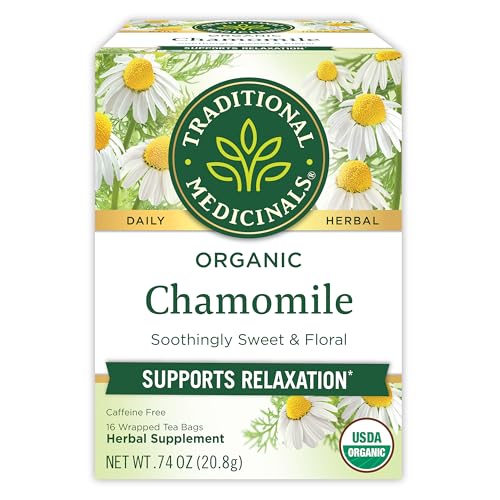
Traditional Medicinals Organic Lemon Balm Tea: A caffeine-free, single-herb option with a mild citrus flavor. Useful for a relaxing evening ritual, although direct evidence for treating insomnia is limited.
- Herbal stress relief tea: Calming Lemon Balm tea soothes the nervous system and supports digestion to help you relax*
- Taste: Our organic lemon balm tea is a stress relief supplement and is pleasantly mild with subtle citrus notes, offering a gentle way to soothe nerves and uplift the spirit.
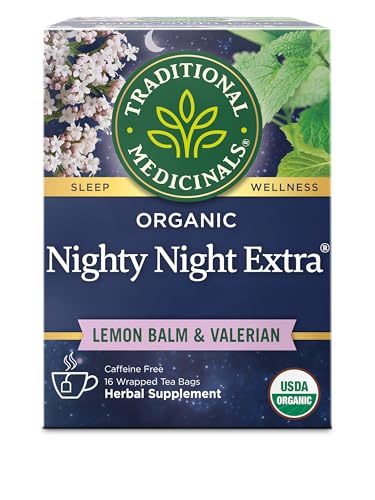
Traditional Medicinals Organic Nighty Night Extra: A multi-herb blend containing valerian and passionflower. It also contains licorice root, making it unsuitable for some people, particularly those with high blood pressure or certain heart or kidney conditions.
- Herbal sleep support: Nighty Night tea promotes a good night’s rest with valerian root for sleep support
- Taste: Our valerian root tea is earthy, minty and pleasantly herbal
Why Drinking Tea Before Bed May Help You Relax
A bedtime tea can support relaxation in two ways: through naturally occurring plant compounds and through the simple habit of slowing down before sleep.
Some herbs contain compounds that may influence brain signaling involved in relaxation. However, much of this evidence comes from laboratory experiments or studies using extracts rather than ordinary cups of tea.
The routine itself also matters. Preparing a warm drink, lowering the lights, and putting your phone away can create a familiar signal that your day is ending.

Try making your tea about 60–120 minutes before bedtime. This gives you time to relax and may reduce the chance of waking up to use the bathroom.
Think of tea as one small part of better sleep habits, not something that must work on its own.
5 Herbal Teas for Sleep: Benefits, Taste, and Evidence
These five options are arranged as a practical comparison, not a scientifically proven ranking of effectiveness. The right choice depends on your taste, health conditions, medications, and what you hope to gain from your evening routine.
1. Valerian Root Tea: A Traditional Bedtime Herb
Valerian root has a long history of use as a sleep aid. Its earthy flavor and strong smell make it one of the more distinctive herbal teas.
Researchers have studied valerian’s possible effects on GABA, a brain chemical involved in reducing nerve activity. However, this proposed action does not establish that drinking valerian tea will help you fall asleep faster.
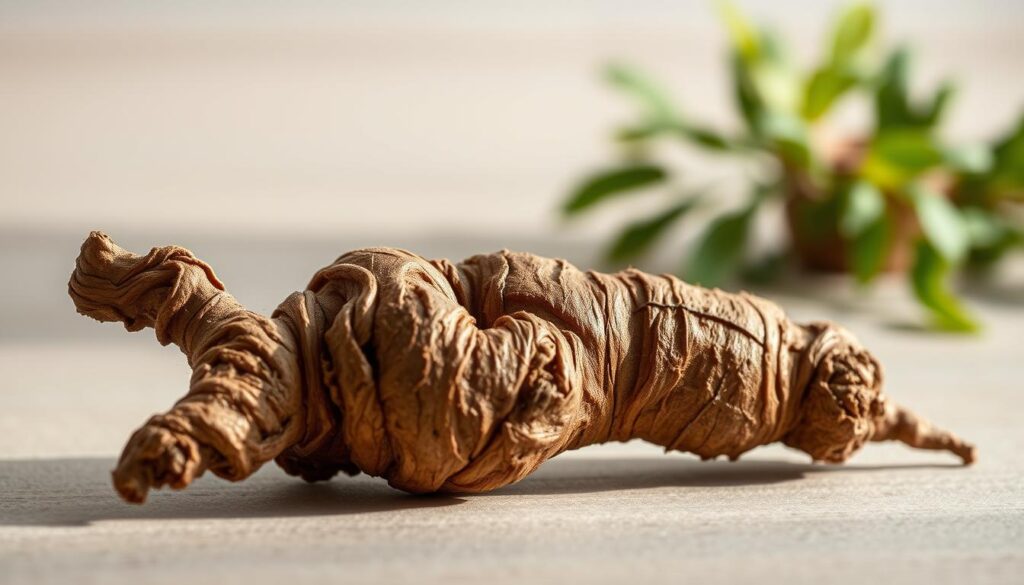
What research says: Studies of valerian extracts have produced inconsistent results. The National Center for Complementary and Integrative Health (NCCIH) reports that valerian has not been shown to reliably treat chronic insomnia.
Valerian may still appeal to adults who enjoy traditional herbal preparations, but stronger sleep effects should not be assumed. Possible side effects include headaches, stomach discomfort, vivid dreams, and next-day mental dullness.
Practical option: Traditional Medicinals Organic Nighty Night Extra combines valerian root with passionflower, lemon balm, peppermint, and other herbs. It is an option for adults who specifically want a mixed-herb tea rather than plain valerian.
However, its formula also contains licorice root, which can raise blood pressure in susceptible people. Avoid this blend if you have high blood pressure, heart or kidney problems, or have been advised to avoid licorice. Check with your clinician before using it alongside medication, and follow the package’s preparation and safety directions.
- Herbal sleep support: Nighty Night tea promotes a good night’s rest with valerian root for sleep support
- Taste: Our valerian root tea is earthy, minty and pleasantly herbal
- Inspired by tradition: To create our strongest sleep formula, we blended valerian with complementary traditional herbs like passionflower, lemon balm and peppermint
- Mindfully-made herbal tea: This USDA Certified Organic tea is also Kosher, Caffeine-Free, Compostable, and Herbalist-formulated
2. Chamomile Tea: A Gentle Floral Evening Drink
Chamomile is one of the easiest bedtime teas to enjoy. It has a mild, floral taste with naturally sweet notes and contains no caffeine.
Chamomile contains apigenin, a plant compound that interacts with certain brain receptors in laboratory studies. Researchers have explored whether these interactions could contribute to relaxation.
A small randomized trial involving 80 postpartum women found improvements in some sleep-related symptoms after two weeks of chamomile tea. However, these improvements did not remain clearly different at the later follow-up.
Overall, chamomile is better viewed as a pleasant bedtime drink than a proven insomnia treatment.
Practical option: Traditional Medicinals Organic Chamomile Tea uses organic chamomile flowers in caffeine-free tea bags. Its single-herb formula is useful if you want to avoid complicated blends or prefer a familiar floral flavor.
You can also prepare chamomile from plain dried flowers. Neither approach is proven to produce better sleep, so choose the one you find convenient and enjoyable.
- Herbal stress relief tea: Organic Chamomile tea calms your nerves and supports healthy digestion to help you relax*
- Taste: Our chamomile tea organic formula is fragrant and floral with honey notes
- Inspired by tradition: Our herbs are high in essential oils and hail from organic farms, from Bulgaria’s idyllic meadows and Egypt’s fertile Nile Valley to our chamomile tea bags
- Mindfully-made herbal tea: This USDA Certified Organic tea is also Kosher, Caffeine-Free, Compostable, and Herbalist-formulated
3. Lavender Tea: A Fragrant Way to Wind Down
Lavender has a distinctive floral aroma that many people associate with calm surroundings. As a tea, its flavor can be quite strong, so a little often goes a long way.
Some studies suggest that specially prepared lavender oil capsules may help certain anxiety symptoms. However, these results cannot automatically be applied to brewed lavender tea.
The NCCIH review of lavender notes that evidence for improving sleep or insomnia remains uncertain.
How to enjoy it: Use food-grade lavender intended for tea. Start with a mild infusion or add a small amount to chamomile for a softer floral drink.
Avoid swallowing lavender essential oil as a substitute for tea. Essential oils are concentrated products and are not interchangeable with edible flowers.
4. Lemon Balm Tea: Mild Citrus Flavor for Evening Calm
Lemon balm (Melissa officinalis) belongs to the mint family but has a gentle lemon-like smell rather than a strong peppermint taste.
It has traditionally been used for nervous tension and relaxation. Some small studies have examined lemon balm extracts, sometimes combined with other ingredients, for stress or sleep-related problems.
The findings are interesting but do not prove that ordinary lemon balm tea treats insomnia. A study using a multi-ingredient extract also cannot tell us how much benefit came from lemon balm alone.
Practical option: Traditional Medicinals Organic Lemon Balm Tea contains organic lemon balm leaf and is caffeine-free. Its mild citrus character makes it suitable for people who dislike valerian’s strong earthy smell.
For a simple evening routine, prepare one cup according to the package instructions and enjoy it while reading or listening to quiet music. You can use plain dried lemon balm leaves instead if you prefer loose-leaf tea.
- Herbal stress relief tea: Calming Lemon Balm tea soothes the nervous system and supports digestion to help you relax*
- Taste: Our organic lemon balm tea is a stress relief supplement and is pleasantly mild with subtle citrus notes, offering a gentle way to soothe nerves and uplift the spirit.
- Inspired by tradition: Native to Southern Europe and known as the “bringer of gladness,” lemon balm is traditionally used to support digestive wellness and relieve nervous tension
- Mindfully-made herbal tea: This USDA Certified Organic tea is also Kosher, Caffeine-Free, Compostable, and Herbalist-formulated
5. Passionflower Tea: A Traditional Choice for Restlessness
Passionflower (Passiflora incarnata) has traditionally been used to encourage relaxation and ease nervous tension.
A small placebo-controlled study found improved self-reported sleep quality after participants drank passionflower tea over one week.
That is encouraging, but the study was small. Other research has produced mixed findings about falling asleep and staying asleep. There is not enough evidence to recommend passionflower as a reliable treatment for insomnia.
How to enjoy it: Choose tea made with clearly identified Passiflora incarnata and follow the label’s instructions. Its gentle herbal flavor can also work in blends.
Passionflower may cause dizziness or drowsiness. It should not be used during pregnancy and requires extra caution around sedatives and surgical anesthesia.
Which Herbal Tea Should You Choose?
Flavor and practical fit often matter more than claims about a tea being the strongest sleep aid. Here is a quick comparison of the five main options.
| Herbal tea | Flavor | What to know |
|---|---|---|
| Valerian root | Earthy, strong | Inconsistent sleep evidence; may cause drowsiness |
| Chamomile | Mild, floral | Limited evidence; watch for plant allergies |
| Lavender | Fragrant, floral | Tea evidence is limited; use food-grade flowers |
| Lemon balm | Mild, citrus-like | Easy-drinking option; most research uses extracts |
| Passionflower | Mild, herbal | Small studies suggest possible benefits; avoid during pregnancy |
If you want a familiar caffeine-free drink, chamomile is a reasonable place to start if you have no relevant allergies or medication concerns. Lemon balm is another option when you prefer a mild citrus flavor.
If you want to explore valerian or passionflower, pay closer attention to possible drowsiness, interactions, and other ingredients in mixed-herb products.
Other Teas Worth Considering Before Bed
These additional options can provide variety, but they have their own limits.
Magnolia Bark Tea
Magnolia bark contains honokiol and magnolol, compounds studied for possible effects on GABA-related pathways. Some animal research suggests effects on sleep-related brain activity.
However, evidence that ordinary magnolia bark tea improves deep sleep in humans is insufficient. Its safety and potential interactions also need more study. It is not a first choice for a casual bedtime drink.
Low-Caffeine Green Tea
Green tea contains L-theanine, an amino acid associated with relaxation. But it also contains caffeine, which can interfere with sleep.
A small human study found improvements in stress measures and some sleep-related outcomes with specially prepared low-caffeine green tea compared with regular green tea.
That does not mean every commercial decaf tea provides the same L-theanine content or benefit.
If you are sensitive to caffeine, choose a caffeine-free herbal tea for the evening. Otherwise, enjoy low-caffeine green tea earlier in the day rather than directly before bedtime.
Banana Tea
Banana tea is made by steeping banana or its peel in hot water. It creates a mild drink that some people enjoy as part of a bedtime routine.
There is little reliable human evidence that banana tea improves sleep. Claims that it delivers enough magnesium or other nutrients to cause a sleep-inducing effect are not established.
If preparing it at home, wash the banana thoroughly and use clean equipment. Treat it as a pleasant warm drink, not a treatment.
How Herbal Tea Compounds May Affect Sleep
To understand why certain teas are marketed for sleep, it helps to know a little about GABA.
GABA, short for gamma-aminobutyric acid, is a chemical messenger that helps reduce activity in parts of the nervous system. Some sleep medications affect GABA-related pathways, but herbal tea compounds are not equivalent to those medicines.
Researchers have examined several plant compounds:
- Apigenin in chamomile: Interacts with certain GABA-related receptors in laboratory research, but its effect from an ordinary cup of tea is uncertain.
- Valerenic acids in valerian: May influence GABA signaling. Human studies have not established consistent benefits for insomnia.
- Honokiol and magnolol in magnolia: Show effects on nervous-system pathways in laboratory and animal research, with limited direct human sleep evidence.
- L-theanine in green tea: May support relaxation and reduce some stress responses, although caffeine content matters.
The important distinction is between how a compound behaves in an experiment and what happens when a person drinks a cup of tea.
Extracts may deliver different amounts of active compounds than brewed tea. More concentrated products are not automatically better, safer, or more effective.
According to NCCIH’s review of sleep treatments, the overall evidence for herbal remedies remains insufficient for treating chronic insomnia.
Sleep Tea Safety: Side Effects and Medication Interactions
Herbal teas may seem harmless because they come from plants. However, natural ingredients can still cause allergies, side effects, and medication interactions.
The risks depend on the herb, the amount used, your medical history, and whether the product contains other active ingredients.

Who Should Be Especially Careful?
- People with plant allergies: Chamomile may trigger reactions in people allergic to ragweed, daisies, chrysanthemums, or marigolds.
- People taking sleep medicines or sedatives: Valerian, passionflower, and some other calming herbs may increase drowsiness or interact with medications. Avoid combining sedative herbs with alcohol.
- People taking blood thinners: Chamomile has reported interactions with warfarin. Check with your prescriber before regular use.
- Pregnant or breastfeeding people: Safety information is limited for many medicinal herbs. Passionflower should be avoided during pregnancy because it may stimulate uterine contractions.
- People with high blood pressure, heart disease, or kidney disease: Be cautious with blends containing actual licorice root, which can affect blood pressure and potassium levels.
- Children: Do not assume an adult bedtime herbal blend is appropriate for a child. Check with a pediatric healthcare professional.
The NCCIH licorice safety review explains why licorice-containing products deserve particular caution in people with blood pressure or heart-related conditions.
Side Effects to Watch For
Possible reactions include stomach upset, headaches, dizziness, unusual dreams, or next-day sleepiness. Stop using a tea if you suspect an adverse reaction.
Seek emergency care for difficulty breathing, throat swelling, or other signs of a severe allergic reaction. If an herb makes you drowsy, do not drive or operate machinery.
Read the complete ingredient list before trying a mixed-herb tea. A blend advertised for relaxation may contain ingredients with safety concerns unrelated to its main herb.
How to Brew Herbal Tea for a Better Bedtime Routine
The best brewing method depends on the plant. Flowers, leaves, and roots may need different steeping times, and stronger tea does not necessarily produce better sleep.
Start with the preparation instructions on your tea package rather than adding extra bags or steeping much longer in search of stronger effects.

Simple Brewing Guide
- Chamomile: Usually steep covered for about 5–10 minutes using the package’s recommended amount and hot water.
- Lemon balm: Often steeped covered for 5–10 minutes to develop its mild citrus flavor.
- Lavender: Prepare a mild infusion with culinary-grade flowers according to the supplier’s directions.
- Passionflower: Follow the specific product instructions because herb amounts and blends can vary.
- Valerian: Some commercial tea bags recommend 10–15 minutes of covered steeping. Follow the label rather than making an extra-concentrated brew.
- Green tea: Water around 160–175°F and a short 2–3-minute steep may help reduce bitterness. This does not remove caffeine.
Improve the Flavor Without Complicating Things
Try these simple changes if a tea tastes too strong:
- Add a slice of lemon to earthy herbal infusions.
- Use a cinnamon stick for a warmer flavor.
- Blend a small amount of culinary lavender with chamomile if the ingredients are appropriate for you.
- Add a little honey if desired, while keeping added sugar modest.
- Reduce the amount of tea if the flavor is overwhelming, rather than forcing yourself to finish it.
Mixing herbs is not automatically safe. If you take medication or have a medical condition, check individual ingredients before combining them.
When Should You Drink Sleep Tea?
A practical starting point is about 60–120 minutes before bedtime. There is no scientifically established perfect timing for every herbal tea.
If you often wake up to urinate, try a smaller cup and finish earlier. Avoid drinking large amounts of fluid just before lying down.
If a tea causes dizziness, an upset stomach, or next-morning grogginess, stop using it and review whether the ingredients are suitable for you.
Build a Relaxing Bedtime Routine Around Your Tea
The tea itself is only one part of the picture. Your daily schedule, light exposure, caffeine intake, and bedtime habits have a major influence on sleep.
A simple, repeatable routine is often more useful than buying several different sleep products.

Try This Five-Step Evening Routine
- Keep a regular sleep schedule. Aim for a consistent wake-up time, including weekends.
- Prepare your tea early. If an appropriate caffeine-free herbal tea is part of your routine, enjoy a modest cup before your final hour of winding down.
- Lower the lights. Dim bright lamps and reduce stimulating screen use as bedtime approaches.
- Choose one calming activity. Read a book, take a warm bath, listen to quiet music, or try slow breathing.
- Make your bedroom sleep-friendly. Keep it dark, quiet, and comfortably cool.
If racing thoughts keep you awake, spend two minutes writing down tomorrow’s tasks before getting into bed. That way, you do not have to keep rehearsing them mentally.
Avoid caffeine late in the day and limit alcohol near bedtime. Alcohol may make you feel sleepy initially but can disrupt sleep later.
For additional sleep habits, see the Cleveland Clinic’s discussion of tea and sleep.
How to Tell Whether Your Bedtime Tea Is Helping
Rather than switching herbs every night, keep the rest of your routine fairly consistent while observing how you respond to a tea that is safe for you.
For about one to two weeks, write down:
- Which tea you drank and when you finished it.
- Approximately how long you took to fall asleep.
- Whether you woke during the night.
- How rested you felt the next morning.
- Any stomach upset, dizziness, or daytime drowsiness.
This can help you notice patterns, although it cannot prove that a particular herb caused any improvement.
If a tea does not seem helpful, you do not need to keep increasing its strength or buying new blends. A caffeine-free drink you simply enjoy, or no tea at all, is also a reasonable choice.
When Herbal Tea Isn’t Enough for Better Sleep
Occasional restless nights happen. However, frequent sleep problems that interfere with work, mood, concentration, or daily activities deserve more attention.
Persistent trouble falling asleep, repeated awakenings, loud snoring, gasping during sleep, or severe daytime sleepiness may point to a problem that herbal tea cannot address.
For chronic insomnia, cognitive behavioral therapy for insomnia (CBT-I) is a recommended first-line treatment. It helps address thoughts and habits that keep insomnia going, rather than relying on a drink or sedative.
Talk with a healthcare professional if sleep problems continue, worsen, or affect daytime functioning. You do not need to keep experimenting with herbs before seeking help.
Frequently Asked Questions
Which herbal tea is best for falling asleep?
No herbal tea has enough reliable evidence to be named the best for making people fall asleep faster. Chamomile and lemon balm are mild, caffeine-free choices for an evening ritual. Valerian has been studied more directly for sleep, but results are inconsistent.
Can chamomile tea improve deep sleep?
There is no convincing evidence that chamomile tea increases deep sleep. Some small studies suggest short-term improvements in certain sleep symptoms, but the findings do not establish treatment benefits for insomnia.
Is it safe to drink herbal sleep tea every night?
It depends on the ingredients and your health. Common food-level amounts of chamomile are generally well tolerated by people without relevant allergies, but long-term safety data are limited for some medicinal herbs. Check medication interactions and avoid assuming that every blend is suitable for daily use.
Can I combine chamomile, lavender, and passionflower?
Some commercial blends combine these herbs, but mixing them is not automatically safe for everyone. Sedating ingredients may have additive effects. Follow product directions and ask your healthcare professional before using combinations if you take medications or have health concerns.
Is tea better than a concentrated herbal extract?
Not necessarily. Extracts can contain larger or more standardized amounts of certain compounds, but that does not guarantee stronger benefits. They can also carry different risks. Results from extract studies should not be treated as proof that brewed tea works the same way.
How long does herbal tea take to improve sleep?
There is no established timeline. Some people find the warm-drink ritual relaxing right away, but research does not show that every herb produces a reliable sleep benefit after a set number of days or weeks.
What should I try if herbal tea doesn’t help?
Focus on regular wake times, caffeine timing, a comfortable bedroom, and a calming wind-down routine. If insomnia continues or affects daily life, discuss CBT-I and possible underlying causes with a healthcare professional.
Conclusion: Choose a Tea You Enjoy, Not One That Promises Perfect Sleep
Chamomile, valerian, lavender, lemon balm, and passionflower each offer a different bedtime experience. Some have promising preliminary findings, but none is a proven way to guarantee deep, uninterrupted sleep.
For a simple routine, consider an appropriate caffeine-free tea with a flavor you enjoy. Check ingredients and medication risks, keep your portion modest, and make the drink part of consistent sleep habits rather than relying on it to solve insomnia.
Your next step: Choose one suitable tea, follow its brewing directions, and pay attention to your sleep and next-day energy. If sleep problems persist, prioritize identifying the cause and getting evidence-based care instead of searching for a stronger cup.