


Have you ever wanted a kinder way to care for your digestive lining without feeling wiped out? I have. Many people seek remedies that heal rather than force a quick purge. This introduction offers a calm, science-minded look at a centuries-old herbal blend and what it may do in the modern body.
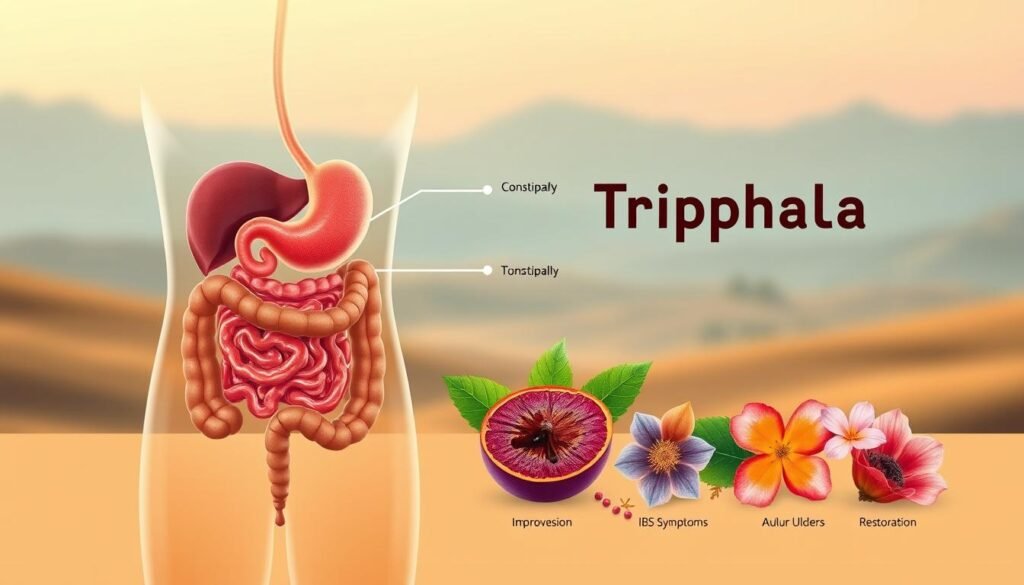
Triphala is a polyherbal mix used in Ayurvedic medicine for more than a thousand years. It combines three dried fruits and brings vitamin C, polyphenols, flavonoids, and tannins to the table. These properties suggest antioxidant and anti-inflammatory effects that support mucosal tissues and friendly microbes, not harsh stimulation.
Small clinical trials and animal studies hint at benefits for oral care, digestion, and microbiome modulation, but ongoing research is needed to confirm wider metabolic effects. Safety matters: high doses can cause diarrhea and discomfort, and some groups should avoid it. Choosing third-party tested supplements helps reduce contamination risks.
This article will translate current research into practical, evidence-informed guidance. Expect clear sections on what’s inside this blend, how it may protect the gut lining, practical use, and safety tips that work with conventional care.
Key Takeaways
- Triphala is a traditional polyherbal blend with antioxidant and anti-inflammatory properties.
- Evidence includes small human trials and animal studies; more research is needed.
- It supports mucosal integrity and microbiome balance rather than forceful cleansing.
- High doses can cause diarrhea; avoid use in pregnancy, lactation, and in children without advice.
- Choose third-party tested supplements and consult a clinician for ongoing issues.
Triphala, the Ayurvedic trio: what it is, what’s inside, and why it matters
This three-fruit blend pairs complementary phytochemicals to offer broad antioxidant and mucosal support. Each fruit brings distinct plant compounds that together may protect mucosal tissues and support metabolic balance.
Emblica officinalis (Indian gooseberry) is dense in vitamin C, phenols, and tannins. These antioxidants and other compounds help neutralize oxidative stress in mucosal tissues and aid digestion.
Terminalia bellirica
Terminalia bellirica contains high levels of gallic and ellagic acid. Early studies explore their effects on blood sugar, insulin sensitivity, and body weight.
Terminalia chebula
Terminalia chebula supplies polyphenols, flavonoids, and anthocyanins. Traditional use targets digestive balance and oral care; modern studies report antimicrobial and anti-inflammatory properties.

“Each fruit contributes unique bioactive compounds, so the combined formula covers more properties than a single plant.”
| Fruit | Main compounds | Studied effects |
|---|---|---|
| Emblica officinalis | Vitamin C, polyphenols, tannins | Antioxidant support, metabolic benefits |
| Terminalia bellirica | Gallic acid, ellagic acid | Blood sugar and weight effects (early studies) |
| Terminalia chebula | Polyphenols, flavonoids, terpenes | Digestive balance, antimicrobial properties |
Formulation matters: powders, capsules, and extracts vary in compound levels. Look for labels naming all three fruits and standardized markers when possible.
For a concise overview of the blend and current research, see this triphala overview.
How Triphala for Gut Health supports the gut lining without harsh side effects
This section explains how antioxidant compounds, prebiotic action, and anti-inflammatory effects work together to protect the intestinal lining gently.
Antioxidants and polyphenols such as vitamin C, gallic acid, ellagic acid, and tannins help shield epithelial cells from oxidative stress. This protection supports daily repair and resilience of the mucosal surface.

How polyphenols nourish microbes
Polyphenol-rich profiles may act like a prebiotic. Research has found the formula can encourage beneficial bacteria (Lactobacillus, Bifidobacterium) while limiting harmful strains.
How plant compounds calm inflammation
Animal and lab studies show these compounds can lower pro-inflammatory cytokines. That creates a calmer environment that supports barrier function and comfort without aggressive stimulation.
Barrier integrity and early study signals
Better microbial balance may help reinforce tight junctions and reduce “leaky gut” tendencies. Human data remain preliminary; more high-quality clinical trials are needed.
- Gentle motility: studies report improved peristalsis at supportive levels without harsh laxative effects.
- Dose caution: excessive intake can increase bowel frequency and cause discomfort.
- Practical tip: pair with fiber-rich foods and hydration to support mucosal and microbial benefits.
For a deeper look at clinical and preclinical evidence, see this review on mucosal and microbiome effects: microbiome and mucosal research review.
Digestive benefits backed by research: constipation, IBS symptoms, and ulcers
Early research suggests measurable relief for bowel regularity, symptom burden, and mucosal protection. Evidence combines animal models and small clinical reports that point to gentler functional improvements rather than aggressive cleansing.
Clinical and animal data point to improved peristalsis and easier bowel movements. One study and additional trials report eased constipation, while higher doses increase the risk of diarrhea. Start low and monitor stool frequency to avoid this effect.
IBS symptoms such as bloating and cramping may ease when the formula is paired with probiotics. Reviews and small trials suggest symptom relief likely comes from microbiome shifts and anti-inflammatory actions.
Ulcers and the oral–gut axis show promise in animal models: lesion severity dropped and gastric enzymes recovered. In dental trials, a mouthwash version matched chlorhexidine for plaque and gingivitis and reduced Candida growth, linking oral and mucosal protection.
Practical guidance: treat this approach as supportive treatment alongside diet, hydration, fiber-rich food, stress management, and medical care. Consult a clinician before use, especially when taking other medicine.
Beyond the belly: blood sugar levels, weight, cholesterol, and heart health
This section summarizes clinical signals that metabolic markers may improve modestly with use and explains how those shifts could affect cardiovascular risk. Evidence is promising but still preliminary and mixed.
A few human trials and reviews report that the formula may lower fasting blood sugar and improve insulin dynamics in people with type 2 diabetes. Emblica officinalis contributes strong antioxidants that may protect nerves and help glycemic control.
How does it affect blood sugar and insulin?
Some trials show reduced fasting glucose and improved insulin sensitivity. Mechanisms likely include antioxidant action, lowered inflammation, and improved cellular insulin response via compounds such as gallic and ellagic acid.
What about weight, lipids, and heart risk?
Small studies report modest drops in BMI, total cholesterol, and LDL. These changes can ease cardiac strain indirectly by improving metabolic load and lowering inflammation.
| Outcome | Reported effect | Notes |
|---|---|---|
| Fasting blood sugar | Modest reduction | Observed in small trials; monitor with meds |
| Insulin sensitivity | Improvement signals | Linked to gallic and ellagic acid from terminalia bellirica |
| Lipids & BMI | Small decreases | Evidence from short-term studies; larger trials needed |
- Practical: view this as a complement to diet, exercise, sleep, and stress control—not a replacement.
- Safety note: anyone on glucose- or lipid-lowering drugs should consult a clinician before starting supplementation.
- Tracking: check fasting glucose and lipid panels at baseline and after 8–12 weeks to assess effects.
For an accessible review of formulation and reported benefits, see this summary on triphala benefits.
Using triphala today: forms, dosage, safety, and quality considerations in the United States
Choose the right form, dose, and brand to gain benefits while minimizing risk. This short guide covers how to take supplements, who should be cautious, likely side effects, and how to pick tested products.
Which type should I try: capsule, powder, or liquid?
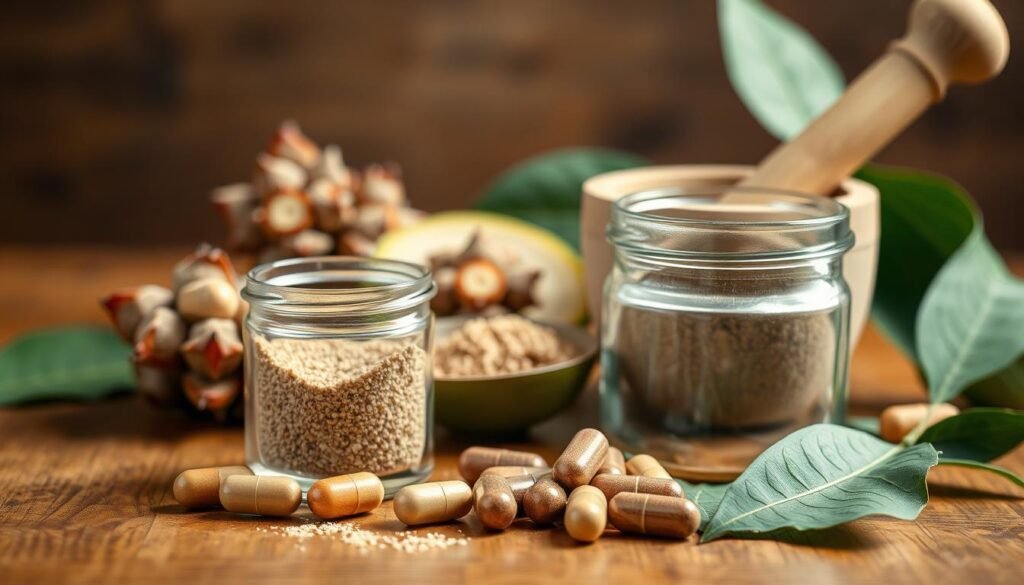
Capsules offer consistent dosing and convenience. Powder lets you titrate up slowly and can be mixed with warm water and honey. Liquids suit those who avoid pills.
How much should I take and when?
Start low. Try 250–500 mg at night, then increase toward 900–1,000 mg per day as tolerated. Take between meals or on an empty stomach to aid absorption.
Who should avoid or use caution?
Pregnant or lactating people and children should not use this supplement due to limited safety data. Anyone with chronic conditions should talk with a clinician before use.
What side effects and interactions should I expect?
Most people report mild changes like softer stools or gentle detox sensations. Large doses can cause diarrhea or cramping—reduce dose or stop if that happens.
Review current medicine with your provider, especially drugs for blood sugar, blood pressure, or anticoagulation. Some studies found triphala may alter glucose levels.
How do I choose a trusted product?
Select brands with third-party testing (USP or NSF). Look for labels listing the three botanicals and extract details, not vague proprietary blends.
| Form | Typical dose | Pros |
|---|---|---|
| Capsule | 500–1,000 mg/day | Consistent dosing, easy |
| Powder | Start 250–500 mg, build up | Titrate dose, traditional prep |
| Liquid | Follow label | Easy to swallow |
- Practical tip: pair supplements with fiber-rich food, hydration, and movement to support wider health benefits.
- Review plan: reassess goals and labs every 8–12 weeks with your clinician.
Conclusion
Research so far points to gentle, multi‑modal support of the digestive lining rather than an intense cleansing effect. ,
The body may benefit from antioxidant, anti‑inflammatory, and antimicrobial compounds that protect mucosal tissues and nudge microbiome balance. Small human studies and animal work suggest improvements in digestive comfort, oral outcomes, and modest shifts in blood sugar levels and weight.
Mechanisms include polyphenols and acids that reduce inflammation and support barrier integrity. One study and other trials show signals for better insulin dynamics, though larger research is needed.
Practical steps: choose third‑party tested products, start low, and coordinate with any medicine plan. Track symptoms, stool changes, and lab measures over 8–12 weeks. For a compact review of clinical evidence, see this trusted summary: clinical and preclinical review.
FAQ
What is the Ayurvedic herbal blend made from Emblica officinalis, Terminalia bellirica, and Terminalia chebula?
The blend combines three plant-based ingredients: Emblica officinalis (Indian gooseberry), Terminalia bellirica, and Terminalia chebula. Together they deliver vitamin C, polyphenols, tannins, gallic and ellagic acids, and flavonoids—compounds that researchers have studied for antioxidant, anti-inflammatory, and mild digestive effects.
How does this herbal trio support the intestinal lining without harsh side effects?
Its plant compounds—especially polyphenols and tannins—act as antioxidants that may protect mucosal cells and support barrier integrity. Some research suggests the mix can reduce pro-inflammatory signaling and promote microbiome balance, offering gentle detox-like effects with lower risk of severe laxative action when used at recommended doses.
Can these herbs affect blood sugar and insulin sensitivity?
Studies on individual components such as Indian gooseberry and Terminalia bellirica report modest improvements in glucose regulation and insulin sensitivity in some trials. These effects are likely due to polyphenols and other bioactive compounds, but results vary and should not replace prescribed diabetes treatments.
Are there proven digestive benefits for constipation, IBS, or ulcers?
Clinical and animal studies show the formulation can ease constipation by supporting gentle motility and improving stool frequency. Evidence also suggests symptom relief for bloating and cramping in some people with IBS, and protective effects on mucosal tissue that may help ulcer prevention. Outcomes depend on dose, product quality, and individual response.
What forms and doses are commonly used in the United States?
Commercial options include capsules, powders, and liquids. Common capsule dosages range from 500–1,000 mg taken once or twice daily, while powders are often used in 1–3 gram servings. Always follow product-specific directions and consult a clinician for personalized dosing.
Who should avoid or use caution with this herbal blend?
Pregnant or breastfeeding people, young children, and those on blood sugar–lowering or blood-thinning medications should consult a healthcare professional before use. People with active diarrhea, severe gastrointestinal disease, or planned surgery should also seek medical advice.
What side effects and interactions should I watch for?
Most users tolerate the herbs well at typical doses. Mild side effects can include abdominal discomfort, gas, or diarrhea—especially at high doses. Interactions are possible with antidiabetic drugs, anticoagulants, and some prescription meds, so check with a clinician or pharmacist if you take regular medications.
How does it influence weight, cholesterol, and heart risk markers?
Preliminary research indicates potential modest benefits for body weight, lipid profiles, and some cardiovascular risk markers, likely through antioxidant and metabolic effects. However, evidence is mixed and not a substitute for established diet, exercise, and medical treatment strategies.
How does the blend act on the microbiome and act as a prebiotic?
Polyphenols and tannins can selectively support beneficial bacteria while inhibiting pathogenic strains, acting like a mild prebiotic. This microbiome modulation may help with digestion, inflammation control, and stool consistency, but individual microbiome differences influence results.
How can I choose a high-quality product in the U.S. market?
Look for third-party testing from organizations like USP or NSF, clear ingredient lists, standardized extract information, and certificates of analysis. Avoid products with unclear sourcing or unsupported health claims; reputable brands disclose testing for contaminants and label transparency.
Are there notable active compounds I should know about?
Key compounds include vitamin C from Indian gooseberry, gallic and ellagic acids from Terminalia bellirica, and various polyphenols and flavonoids from Terminalia chebula. These constituents drive antioxidant, anti-inflammatory, and metabolic effects reported in studies.
Can using this herbal blend cause diarrhea or worsen symptoms?
High doses can accelerate bowel transit and may cause diarrhea in susceptible individuals. Start with a low dose, monitor tolerance, and reduce or stop use if abdominal cramping or loose stools occur. Consult a clinician for persistent symptoms.
What does current research recommend about combining this blend with standard medical care?
Research suggests potential complementary benefits, but clinicians recommend using it as an adjunct rather than a replacement for prescribed therapies—especially for conditions like diabetes, cardiovascular disease, or inflammatory bowel disease. Always inform your healthcare provider about herbal supplement use.




Don’t Miss These Picks