


Ever wondered why a cup of coffee wakes you up but leaves you foggy an hour later? What if a few simple habits could give energy steadily so you feel focused and productive throughout day?
This short guide shows five practical levers—hydration, food quality, movement, sleep timing, and targeted supplements—that boost energy more reliably than caffeine for most people.
We translate research into easy swaps: water before sugary snacks, whole foods like grains and berries, brief activity breaks, and steady meal pairings to stabilize blood sugar.
Expect clear, science-backed tips you can try at work or home, plus common pitfalls to avoid. For quick background reading on hydration and simple habits, see ways to boost energy.
Key Takeaways
- Hydrate first: water is a top lever for steady alertness.
- Choose whole foods: combine protein and fiber for longer fuel.
- Move briefly: short activity breaks reset focus.
- Mind timing: avoid late caffeine and heavy sugars that cause crashes.
- Simple swaps work: pick two changes this week and build from there.
Why Coffee Isn’t the Best Daily Fix for Fatigue
Many people reach for coffee to power through the afternoon, but that quick lift often sets up a worse slump later. This page explains why the spike-and-crash from sugar and caffeine can worsen daytime fatigue.
The goal is sustained energy over hours, not sharp minutes of alertness.
What is the crash cycle?
Coffee and sugar can perk you up fast, but the “high-then-crash” cycle can worsen daytime fatigue and productivity. Concentrated sugars and strong caffeine spike alertness, then cause fatigue when effects wear off.
“Short highs from sugar or caffeine are followed by deeper dips in mood and focus.”
How should you think about steady fuel?
Think in hours, not minutes. Stable blood sugar levels, hydration, and sleep protect baseline drive.
- Swap a reflexive refill for water, a protein snack, or a 5–10 minute walk.
- Cap coffee servings, drink earlier, and pair with fiber or protein.
- Small caffeine cuts improve sleep and reduce next-day fatigue.
| Quick fix | Effect | Better habit | Why it helps |
|---|---|---|---|
| Extra strong coffee | Fast alertness, later crash | Single morning cup | Limits withdrawal and sleep disruption |
| Sugary snack | Brief lift, mood dip | Protein + fiber snack | Stabilizes blood sugar levels |
| Afternoon refill | Short-term focus, poor sleep | Hydration + short walk | Resets focus without caffeine |

This page and related articles explore options that beat the crash without demonizing coffee. Use coffee as a tool, not a crutch—many find one morning cup is optimal per harvard health–style advice.
Hydrate First: Water as the Fastest, Most Reliable Energy Lift
Drink a full glass first and keep a bottle nearby — small sips restore focus and improve mood faster than a late refuel. Staying ahead of thirst protects alertness and performance all day.
Start with a full glass when you wake. Often a single cup reverses mild dehydration and sharpens attention within minutes.

How dehydration affects attention, memory, and mood
Mild fluid loss reduces attention, slows reaction time, and worsens mood. Even skipping water through the morning can leave you foggy.
“Even small fluid deficits can hurt memory and focus.”
How much to drink throughout the day in the United States?
A practical U.S. target is roughly 91–125 fl oz per day, adjusted for heat and activity. Your body and brain work better when you stay ahead of thirst.
Simple hydration habits that stick
- Anchor sips: glass on waking, one mid-morning, one mid-afternoon, plus small sips throughout day.
- Use a marked 16–20 oz bottle and refill to hit daily amounts.
- Add citrus or a pinch of salt if plain water is hard to drink.
- Invite coworkers or family to take water breaks—tiny social cues improve long-term health.
Tip: A quick glass often helps you increase energy and alertness more reliably than another cup of coffee.
Eat for Steady Power: Whole Foods That Support Energy Levels
Meals built from whole grains, protein, and healthy fats support steady glucose and clearer thinking. Choose combinations that slow digestion and keep blood sugar stable across the workday.
Balance matters more than calories—pairing carbs with protein and fat reduces spikes and prevents midafternoon crashes.
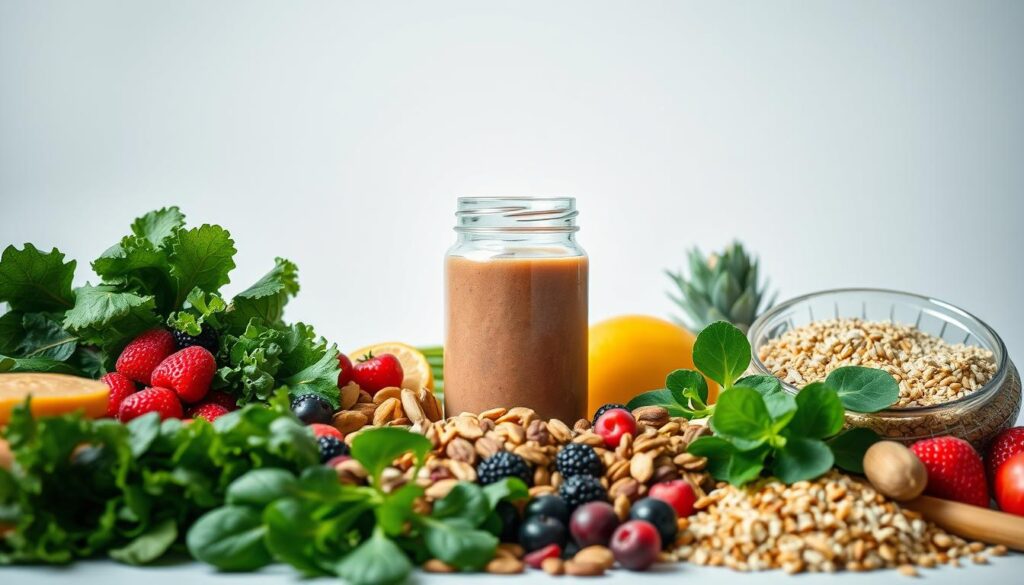
Quick practical rules:
- Build meals with carbs + protein + fat to keep glucose steady and support stable energy levels.
- Bananas and oats release fuel gradually thanks to fiber and key minerals and vitamins.
- Greek yogurt, nuts, seeds, and legumes supply protein and healthy fats to keep the body satisfied longer.
- Fatty fish such as salmon supports brain function with omega-3s and may help sustained focus.
- Savory staples — brown rice, sweet potatoes, and vegetables like beets — slow digestion and support circulation.
- Dark berries and dark chocolate add antioxidant-rich content with less sugar than many sweets.
Put it into practice: Try a bowl of oats with yogurt, berries, and a sprinkle of nuts for breakfast. For lunch, pair brown rice or quinoa with legumes and a side of roasted beets or sweet potato.
For a short review of top picks to fight fatigue, see foods that beat fatigue.
Move More, Crash Less: Exercise as a Natural Energy Boost
Short bouts of movement reset focus and lift mood without caffeine. Sprinkling brief activity through your day keeps you sharper and steadier than repeated refills.
Try two- to three-minute micro-sessions between tasks to interrupt slumps and restore momentum.

Short activity bursts that fight daytime fatigue
Five- to ten-minute movement breaks send oxygen-rich blood to your brain and muscles. They lift energy fast and break long sitting periods.
You don’t need a gym. Walk briskly, climb stairs, or do bodyweight sets at your desk. Schedule two or three mini exercise blocks throughout day to reduce afternoon slumps.
Yoga and breathing to increase alertness without caffeine
Gentle yoga flows and targeted breathwork—like short kapalbhati or belly breathing—sharpen reaction time and lower stress.
Keep sessions under five minutes. Pair movement with a glass of water for a compounding lift. Morning mobility also primes the body for better posture and less tension.
- Set calendar nudges to get up every 60 minutes.
- Use a resistance band for quick pulls or squats—20 reps restore focus without heavy sweating.
- When tension spikes, two minutes of slow breathing or a brief walk can reset your nervous system.
“Micro-workouts beat midafternoon crashes when done consistently.”
Sleep Smarter: Protect Your Circadian Rhythm for Daytime Alertness
Protecting your internal clock is one of the simplest ways to improve daytime alertness. Small, consistent sleep habits pay off with steadier energy across the day.
Your sleep sets your next day’s energy. End-of-day cues — light, screens, and routines — tell the body when to wind down. Better timing yields clearer mornings and fewer afternoon dips.
Nighttime screen habits that sabotage the next day
Screens emit blue light that can blunt melatonin and fragment sleep. Stop scrolling at least 30 minutes before bed.
If you must use devices, lower brightness, enable night mode, or try blue-light blocking glasses. Prefer print when you want a true wind-down.
Light exposure timing: morning sunlight and evening dimming
Get 5–15 minutes of morning sunlight to anchor your circadian rhythm. This simple exposure boosts morning alertness and helps set a steady sleep–wake cycle.
After sunset, dim lights and limit bright screens to cue rest. Avoid late bright light and late caffeine — both can cause fatigue the next day by disrupting sleep stages.
Power naps that help, not hinder
Short naps improve alertness and memory when kept under 30 minutes. Aim for mid-day (about 3 p.m.) to avoid interfering with nighttime sleep.
Use an eye mask, earplugs, and a cool room to maximize nap benefits. Keep wake and bed times consistent to compound gains.
Quick tips:
- End electronics 30+ minutes before bed.
- Morning sunlight: 5–15 minutes.
- Power naps: under 30 minutes, mid-day.
- Use an eye mask, earplugs, and a cool, dark bedroom.
“Treat bedtime like a routine you clock into: same start time, same wind-down, same outcome.”

Build an Energy-Positive Meal Rhythm
Mornings set the tone for how you feel for the rest of the day. Front-loading calories with a balanced breakfast reduces stress and lowers the chance of overeating later.
Eat every 3–4 hours to keep focus and steady blood sugar. Small, planned meals help people avoid impulsive snacks that spike and crash mood.
Why breakfast matters for mood and stamina
Choose high-fiber, protein-forward breakfasts like eggs with oats, Greek yogurt with berries, or avocado on whole-grain toast. These combos support stable energy levels and clearer thinking.
The three-to-four-hour meal and snack cadence
A consistent cadence sustains alertness. Aim for breakfast, a mid-morning snack, lunch, an afternoon snack, and dinner. A sample: 8:00 breakfast, 11:00 snack, 1:30 lunch, 4:30 snack, 7:00 dinner.

- Pack protein-plus-fiber snacks: popcorn with cheese, apples with nut butter, carrots with hummus, or Greek yogurt with berries.
- Keep portable options on hand: nuts, jerky, fruit, string cheese, hummus packs, whole-grain crackers.
- Hydrate with meals for better digestion and a small alertness lift throughout day.
- Plan tomorrow’s breakfast tonight to reduce decision fatigue and stick to your diet goals.
“Front-load your morning and eat predictably — small changes like this cut crashes and improve steady performance.”
Vitamins That May Help: Vitamin B12 and Vitamin D for Fatigue
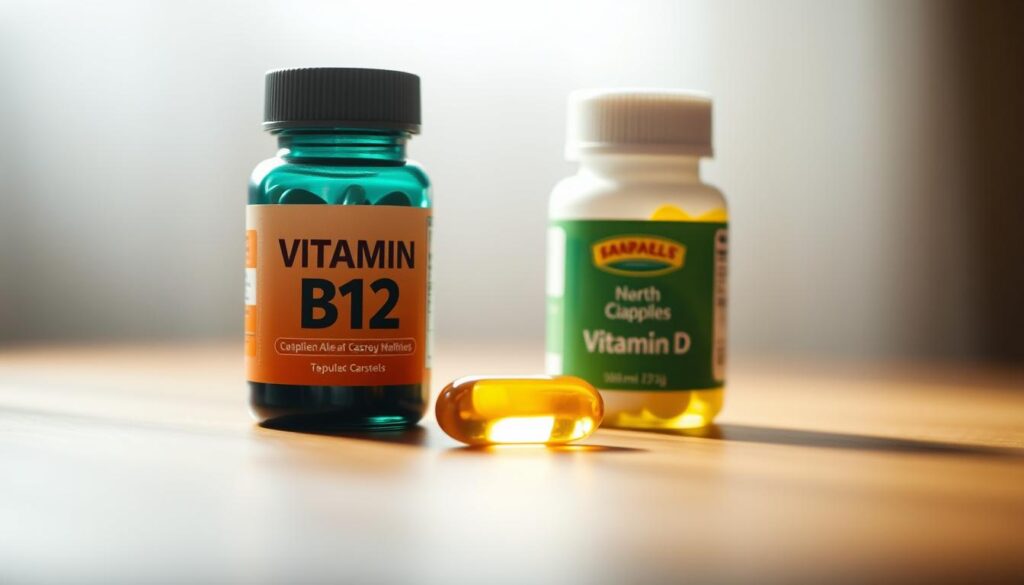
Check basic vitamin status before adding more caffeine—simple tests and food tweaks can make a measurable difference. Vitamin B12 and vitamin D are common culprits in persistent tiredness and are often correctable.
Before ordering supplements, get a brief clinician review and labs when needed. Testing targets true deficiency and avoids unnecessary dosing.
What B12 does and where to find it
B12 supports red blood cell formation and nerve function. A lack of b12 can cause weakness and cognitive fog.
Adults generally need about 2.4 mcg per day. Good dietary sources include beef, milk, oysters, sardines, and yogurt. People who follow vegetarian or vegan diets may need a supplement after consulting a clinician.
How vitamin D helps and when to supplement
Low vitamin D can cause fatigue and muscle weakness. Aim for about 30 minutes of sun exposure daily when possible, and eat egg yolks or saltwater fish to increase intake.
Consider a supplement only with medical guidance. A targeted approach — combining foods, sensible sun time, and testing — lets you correct gaps safely. For a quick review, consult the linked resource and trusted sources like harvard health publishing.
- Target deficiencies first: testing and simple corrections may help restore steady stamina.
- Combine vitamins minerals from whole foods and targeted supplements only if labs show a gap.
Snacks That Give Energy Without the Slump
Pick small bites that pair protein and fiber to sustain focus and mood. These combos stabilize blood sugar and help you stay productive throughout day.
Protein-plus-fiber pairings for stable blood sugar
Choose snacks that slow digestion and add muscle-supporting protein. Protein paired with fiber keeps glucose levels steady and reduces cravings.
- Think protein + fiber: this combo prevents the crash that follows sugary snack bars.
- Nuts add healthy fats, protein, and key minerals that support steady energy.
- Popcorn counts as whole grains; its fiber slows digestion to help give energy evenly.
Quick ideas you can grab or pack
Portable choices make it easier for people to stay consistent at work or on the go.
- Apple + peanut butter — simple and travel-ready.
- Greek yogurt + berries — protein, probiotics, and fiber.
- Air-popped popcorn + cheese — a high-fiber whole-grain snack with protein.
- Carrots + hummus or dark chocolate with almonds for a sweeter fix.
Small diet shifts may help you avoid late-afternoon slumps. Hydrate with water or unsweetened tea when snacking, and keep a few favorite foods at arm’s reach to beat vending-machine choices.
Avoid the Pitfalls: Sugars, Energy Drinks, and Late-Day Caffeine
Temporary lifts from sugary drinks and late coffee often trade brief focus for longer fatigue. Scan labels and time your stimulants to protect sleep and next-day mood.
Hidden sugars hide in many packaged bars, sauces, and “healthy” drinks. They spike blood sugar fast and then drop it, which undermines steady energy.
Hidden sugars that drain energy
Read ingredient lists. If sugar, syrup, or multiple sweeteners rank high, the snack will likely give a quick lift and a hard crash.
When caffeine backfires on sleep and mood
Delay in melatonin from late caffeine fragments sleep and worsens next-day mood and energy. Cap caffeine early and try half-caf or green tea before noon.
- Scan labels for added sugars and large caffeine doses—both trigger short highs, then crashes.
- Replace a 4 p.m. latte with water, a 7-minute walk, or a protein snack.
- Skip energy drinks that mix high sugar and stimulants; they spike then tank your energy.
| Common trigger | Short-term effect | Better swap | Why it helps |
|---|---|---|---|
| Sugary drink | Fast alertness, crash | Water + protein snack | Stabilizes blood sugar and mood |
| Energy drink | High caffeine + sugar spike | Short walk + hydration | Avoids stimulant overload and sleep disruption |
| Late coffee | Delayed sleep onset | Morning caffeine only | Protects sleep and next-day alertness |
Crashes can create a loop: poor sleep → more stimulants → worse sleep. Break that pattern now and consult reputable sources like harvard health or health publishing when you need practical swaps. For research on related habits, see this hydration and activity study on the linked page.
Quick Mood and Alertness Boosters You Can Use Today
Small, practical resets can lift mood and sharpen alertness within minutes. Use brief, repeatable actions to restore focus and reduce afternoon fatigue.
Step outside:
Step outside: sunlight, a brisk walk, and fresh air
Go outside for 5–10 minutes—sunlight plus a brisk walk can lift focus fast.
Sunlight helps set your internal clock and raises alertness. A short brisk walk brings oxygen to your brain and clears mental fog.
Pair the walk with a glass of water for a stronger lift. Try this earlier in the day to set momentum for work blocks.
Simple stimuli:
Chewing gum, upbeat music, and a short massage
Try small stimuli: chew gum, play upbeat music, or take a 60-second neck/shoulder self-massage to refresh attention.
Chewing gum can improve alertness and focus but keep portions moderate to avoid bloating. A quick self-massage eases tension, and upbeat songs raise mood.
A two-minute stair climb or light singing may increase energy for some people. Stack tactics—walk + music—for a bigger lift under tight deadlines.
| Action | Immediate effect | How long it takes | Practical tip |
|---|---|---|---|
| 5–10 min sunlight walk | Raises alertness and mood | 5–10 minutes | Do it mid-morning or after lunch |
| Chewing gum + music | Sharper focus, better rhythm | 2–10 minutes | Choose sugar-free gum and an upbeat playlist |
| 60-sec neck/shoulder massage | Reduces tension, lowers stress | 1 minute | Use firm circles and breathe slowly |
| 2-min stair climb | Noticeable increase in energy | 2 minutes | Keep pace brisk, not exhausting |
Quick wins like these may help you boost energy while keeping your routine intact. For more no-caffeine swaps and ideas, see boost energy without caffeine.
Natural Energy Boosters to Stock in Your Kitchen
Keep a short list of fridge and pantry staples so grabbing a nourishing bite is the easy choice. When healthy options are ready, you make better choices without thinking.
Produce aisle picks
Dark berries supply antioxidants and fiber. Oranges bring quick vitamin C for immune support and mild alertness.
Leafy greens deliver dense nutrients, and avocados add fiber plus healthy fats.
Pantry and fridge essentials
Keep quinoa and lentils for protein and slow carbs that steady blood sugar and levels. Eggs, peanut butter, and Greek yogurt are fast protein go-tos.
- Dark chocolate for flavonoid-rich content that fits a performance diet.
- Rotate fatty fish like salmon or sardines for omega-3s.
- Stash a jar of nuts and a visible water bottle to nudge sipping throughout day.
Stock smart to make the easy choice the healthy one. Batch prep: wash berries, cook quinoa, boil eggs, and portion snacks. These foods may help nourish cells and sustain focus so you keep steady energy between meals.
Conclusion
Prioritize clear, repeatable habits: water, protein-forward breakfasts, short movement breaks, and consistent sleep timing. These simple steps steady blood sugar, sharpen focus, and lower stress across the day.
Apply a few changes, not a perfect plan. Anchor your morning with a glass of water and a protein-rich breakfast. Schedule two or three micro-exercise breaks and stop bright screens before bed to protect sleep and recovery.
If fatigue continues, talk to your clinician about labs for vitamin D and vitamin b12. Revisit this page and trusted reviews from harvard health publishing or related health publishing as you refine your routine.
FAQ
Why is coffee not the best daily fix for fatigue?
Coffee raises alertness quickly by stimulating the nervous system, but it can create a crash later and disrupt sleep if used late, worsening next-day tiredness. Relying on caffeine makes you less likely to address underlying causes like poor sleep, dehydration, or low nutrient intake.
How can I think about sustained energy instead of quick spikes?
Focus on steady blood sugar through balanced meals, regular hydration, and scheduled activity breaks. Think small, frequent actions—protein-rich snacks, consistent sleep patterns, and short walks—that keep cellular energy and mood stable across the day.
How does dehydration affect attention, memory, and mood?
Even mild dehydration reduces cognitive performance, slows reaction time, and can increase irritability or low mood. Water supports blood volume and cellular function, so when you’re dehydrated your brain and muscles work less efficiently.
How much water should I drink throughout the day in the United States?
A common guideline is about 3.7 liters (125 oz) daily for men and 2.7 liters (91 oz) for women from all beverages and food. Individual needs vary by activity, climate, and body size. Use thirst, urine color, and activity level to fine-tune your intake.
What simple hydration habits actually stick?
Keep a refillable bottle visible, set hourly mini-goals (e.g., finish a cup each hour), drink water with meals, and replace one sugary drink per day with plain or sparkling water. Small rituals build consistency better than strict rules.
How should I balance carbs, protein, and fats to stabilize blood sugar?
Aim for mixed meals: a lean protein, fiber-rich carbohydrate, and healthy fat at each sitting. This combination slows glucose absorption, reduces energy dips, and supports steady mood and focus throughout the day.
Which whole foods reliably support steady power?
Oats, bananas, yogurt, nuts, seeds, and legumes provide a mix of fiber, protein, and micronutrients that sustain energy. They offer gradual fuel release and help prevent the sugar crashes common after refined snacks.
What savory options give lasting energy?
Fatty fish (salmon, sardines), brown rice, sweet potatoes, and beets supply complex carbs, healthy fats, and iron or nitrates that support circulation and cellular energy—good for both workouts and long workdays.
Can short bursts of activity really fight daytime fatigue?
Yes. Brief, moderate-intensity movement—like a 5–10 minute brisk walk or stair climb—increases blood flow and alertness without the recovery drain of long sessions. These micro-workouts are effective pick-me-ups between meetings.
How can yoga and breathing increase alertness without caffeine?
Gentle yoga poses and focused breathing stimulate the vagus nerve, reduce stress hormones, and boost oxygen delivery to the brain. A few minutes of mindful breathing or an energizing pose sequence can quickly sharpen focus.
What nighttime screen habits sabotage energy the next day?
Late-night exposure to blue light from phones and tablets suppresses melatonin, delaying sleep onset and reducing sleep quality. Scrolling before bed also stimulates the brain and can raise stress, both undermining next-day alertness.
When should I get morning sunlight and dim lights in the evening?
Aim for 20–30 minutes of morning light exposure within an hour of waking to anchor your circadian rhythm. In the evening, reduce bright and blue-rich lighting 1–2 hours before bed to cue melatonin production and improve sleep.
How can power naps help without hindering nighttime sleep?
Keep naps to 10–20 minutes and avoid napping late in the afternoon. Short naps restore alertness and cognitive function without entering deep sleep stages that can produce grogginess or interfere with nighttime sleep.
Why does breakfast matter for mood and stamina?
Breakfast replenishes liver glycogen after the overnight fast, supporting stable blood sugar and neurotransmitter balance. A protein-containing breakfast improves concentration, reduces mid-morning hunger, and supports mood.
What meal and snack cadence helps sustain energy?
A three-to-four-hour pattern—meals with optional small snacks between—helps prevent long glucose dips. Consistent timing supports metabolism and reduces temptation for high-sugar quick fixes.
What do B12 and vitamin D do for fatigue?
Vitamin B12 is essential for red blood cell production and nerve function; deficiency can cause weakness and fatigue. Vitamin D affects muscle function and mood; low levels associate with tiredness. Testing guides targeted supplementation when needed.
Where can I get vitamin B12 and vitamin D from food?
B12 appears in animal products—eggs, dairy, fish, and fortified cereals—while vitamin D is found in fatty fish, fortified milk, and egg yolks. Sunlight is a major vitamin D source; supplements may be appropriate if levels are low.
Which snacks give steady energy without a slump?
Pair protein with fiber: apple slices with nut butter, Greek yogurt with berries, or hummus with raw veggies. These combos slow digestion and keep blood sugar stable, preventing rapid energy crashes.
What quick snack ideas work well on the go?
A small handful of nuts, a hard-boiled egg, plain popcorn with a piece of cheese, or a banana with peanut butter are portable, nutrient-dense choices that sustain focus between meals.
Foods labeled “low-fat” or “fruit-flavored” often contain added sugars that spike blood glucose then cause a rapid fall, leaving you tired and craving more sweets. Reading labels helps avoid these hidden sources.
When can caffeine backfire on sleep and mood?
Consuming caffeine late in the afternoon can delay sleep onset and fragment sleep, increasing next-day fatigue and irritability. People metabolize caffeine differently—some need to stop intake by early afternoon to protect sleep.
What small actions can I use today for a quick mood and alertness lift?
Step outside for sunlight and a brisk two-minute walk, chew gum, play an upbeat song, or try a brief shoulder and neck massage. These simple stimuli increase blood flow and cognition immediately.
What kitchen staples support sustainable alertness?
Keep dark berries, oranges, leafy greens, avocados, quinoa, lentils, eggs, peanut butter, and dark chocolate on hand. These items provide fiber, healthy fats, protein, and micronutrients to support steady cellular energy.



Don’t Miss These Picks