


Feeling tired halfway through the day? Before reaching for another coffee or energy drink, you might wonder whether tea could help you feel more awake without leaving you jittery.
Some teas can improve short-term alertness and attention, mainly because they contain caffeine. Traditional teas also provide L-theanine and plant compounds called polyphenols. Research suggests that caffeine and L-theanine together may help with certain attention tasks, although the effects vary between people.
But not every tea works the same way. Black tea, pu-erh, matcha, and yerba mate contain caffeine. Peppermint and ginger are naturally caffeine-free options with different benefits and more limited evidence for improving mental performance.
This guide compares six teas, explains the science behind their ingredients, and shows you how to prepare them without overdoing caffeine or disrupting your sleep.
Key Takeaways
- Caffeine provides the clearest short-term alertness benefit. Black tea, matcha, pu-erh, and yerba mate can help you feel more awake.
- L-theanine may support attention. Studies suggest that combining it with caffeine can improve certain mental tasks, but smoother energy is not guaranteed.
- Peppermint has promising early evidence. A small human trial found improvements in cognitive performance after drinking peppermint tea.
- Ginger tea is not a proven energy booster. Research on concentrated ginger extracts cannot automatically be applied to homemade tea.
- Timing matters. Drinking caffeinated tea too late can affect sleep and make fatigue worse the following day.
Helpful Products at a Glance
Twinings English Breakfast Black Tea: A convenient option for preparing a traditional caffeinated morning tea. Its individually wrapped bags make portioning easy, although caffeine content can vary with brewing.
- TWININGS MOST POPULAR TEA: English Breakfast, created by selecting some of the finest teas, each with their own unique characteristics for a well-balanced blend; Caffeinated, 100 Tea Bags
- SMOOTH, FULL-BODIED TEA: A blend of teas from Kenya and Assam create a delightful cup of tea.

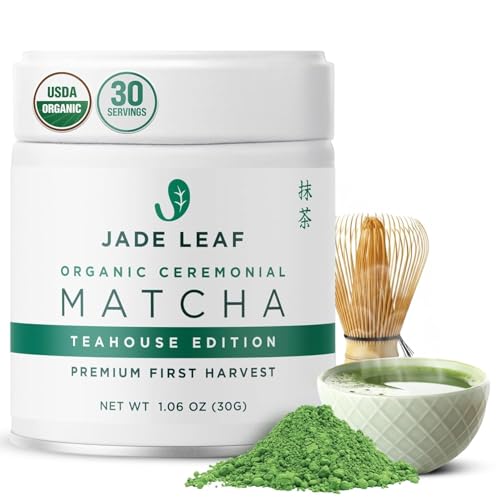
Jade Leaf Ceremonial Grade Matcha Powder: A 30 g matcha option for people who prefer a whisked green tea or homemade latte. Measuring the powder is important because serving size affects caffeine intake.
- JAPANESE CEREMONIAL GRADE MATCHA POWDER: Enjoy top-tier ceremonial grade matcha with our traditional 1.06 oz / 30 g tin. Using ½–1 tsp per cup, this pouch makes approximately 15 full-sized matcha lattes or up to 30 traditional servings of usucha or koicha — that's as little as $0.50–$1.00 per cup compared to $5+ at a café. Perfect for daily matcha lovers, enthusiasts, and those new to the ritual. This ceremonial blend delivers an exceptionally smooth sip with light, nutty notes and a delicate floral sweetness. CERTIFICATIONS: USDA Organic, 100% Japanese Matcha, Farm-Direct, Vegan, Gluten-Free, Dairy-Free, Keto Friendly
- PERFECT FOR COFFEE SWITCHERS & WELLNESS ENTHUSIASTS: If you're reducing coffee but don't want to sacrifice focus and energy, ceremonial matcha is your answer. The natural L-theanine in matcha works synergistically with its lower caffeine content to deliver calm, sustained alertness — no afternoon crash, no jitters, no compromise. Matcha may offer a steadier and more sustainable source of energy compared to coffee, without the jitters or sudden crashes. This is due to the combination of naturally occurring L-theanine and caffeine in matcha powder, which has been shown to promote a calm and focused state while providing a consistent energy boost.
Why Tea May Help You Feel More Alert
Tea contains several natural compounds, but they do different jobs. Understanding those differences helps explain why some drinks improve wakefulness while others mainly offer flavor, hydration, or possible long-term health benefits.

1. Caffeine: The Main Alertness Booster
Caffeine blocks the action of adenosine, a chemical that helps signal sleepiness in the brain. As a result, you may feel more awake and find it easier to concentrate for a few hours.
Tea often contains less caffeine per serving than coffee, but the amount depends on the leaves, portion size, and preparation. A strong matcha or yerba mate drink can sometimes provide substantial caffeine.
2. L-Theanine: A Possible Partner for Focus
L-theanine is an amino acid naturally present in tea leaves from the Camellia sinensis plant. Researchers have studied whether it changes the effects of caffeine on attention and mood.
A 2025 systematic review and meta-analysis examined 50 randomized controlled trials. It found that L-theanine combined with caffeine may provide small-to-moderate improvements in some attention tasks, particularly during the first two hours after consumption.
However, many studies tested isolated compounds rather than ordinary cups of tea. The findings do not establish that every tea prevents jitters, improves memory, or delivers energy throughout the day.

3. Polyphenols: Potential Long-Term Health Support
Tea also contains polyphenols, including catechins in green tea and theaflavins and thearubigins in black tea. These plant compounds have antioxidant properties.
According to the National Center for Complementary and Integrative Health (NCCIH), green and black tea may improve certain cardiovascular risk factors. However, long-term human evidence remains limited.
Antioxidants should not be confused with immediate energy. Drinking a polyphenol-rich tea does not mean your cells suddenly produce more usable energy or that the beverage treats an underlying cause of fatigue.
Which Teas Are Best for Fatigue? A Quick Comparison
These six options serve different purposes. The strongest evidence for feeling more awake comes from caffeine, while research into caffeine-free herbal teas is still developing.
- Black tea: A familiar choice for a moderate caffeine lift, especially in the morning.
- Pu-erh tea: A fermented tea with caffeine and a distinctive earthy flavor.
- Matcha: Powdered green tea that lets you adjust caffeine intake by measuring the serving.
- Yerba mate: A caffeinated South American herbal drink that may appeal to people seeking an alternative to coffee.
- Peppermint tea: A caffeine-free choice with encouraging but preliminary research on attention.
- Ginger tea: A warming caffeine-free drink better supported for digestive comfort than for boosting energy.
Regular green tea and white tea are additional choices if you prefer their flavors. Both contain caffeine, although actual amounts depend on the product and preparation.
1. Black Tea: A Practical Morning Energy Boost
Black tea is one of the simplest ways to replace a stronger morning coffee. It contains caffeine, L-theanine, and polyphenols, with a familiar taste that works plain or with milk.
How Much Caffeine Does Black Tea Contain?
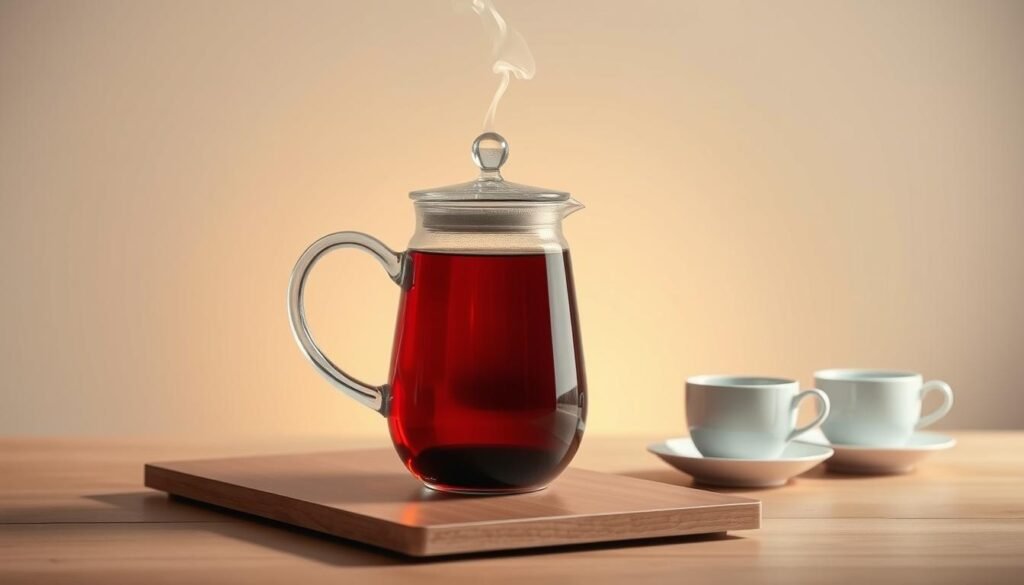
The FDA lists approximately 71 mg of caffeine in a typical 12-ounce serving of black tea. An 8-ounce cup often contains around 47 mg, but that is an estimate rather than a fixed amount.
Common varieties include:
- Assam: Bold and malty, especially suitable for people who enjoy a stronger-tasting breakfast tea.
- Darjeeling: Often lighter and more floral, depending on the harvest and processing.
- English Breakfast: A robust blend designed to work well with or without milk.
These flavor differences do not reliably predict caffeine content. The amount of dry tea used and the brewing method matter more than assuming one named variety is always strongest.
An Easy Black Tea Option
For a consistent daily routine, individually wrapped tea bags are convenient because you can use one bag per cup without measuring loose leaves.
Twinings English Breakfast Black Tea, 100 Count is one example. It offers a traditional caffeinated blend in individually wrapped bags. It is particularly practical for home, office, or travel use, although you can achieve a similar result with any suitable plain black tea.
Steep one bag in hot water for roughly 3–5 minutes, following the package directions. Start with one serving and adjust the brewing strength to taste rather than making an unusually concentrated cup for extra stimulation.
- TWININGS MOST POPULAR TEA: English Breakfast, created by selecting some of the finest teas, each with their own unique characteristics for a well-balanced blend; Caffeinated, 100 Tea Bags
- SMOOTH, FULL-BODIED TEA: A blend of teas from Kenya and Assam create a delightful cup of tea.
- INDIVIDUALLY SEALED TEA BAGS STAY FRESH: Take your tea on the go in your purse, workout bag, backpack, school or work desk or car; Each tea bag is sealed for freshness so every cup of Twinings is the perfect cup of Twinings
- DRINK IN LIFE: With a signature blend of tradition and innovation, Twinings encourages tea lovers to "Drink In Life" by taking small steps towards feeling good and living well, one sip at a time
2. Pu-erh Tea: An Earthy Alternative to Coffee
Pu-erh is a traditional Chinese tea known for its earthy flavor and specialized processing. It comes from the tea plant and contains caffeine, making it capable of improving wakefulness.
Its flavor is often richer and less sharply astringent than some black teas, although that depends on the particular product and preparation.
What Makes Pu-erh Different?
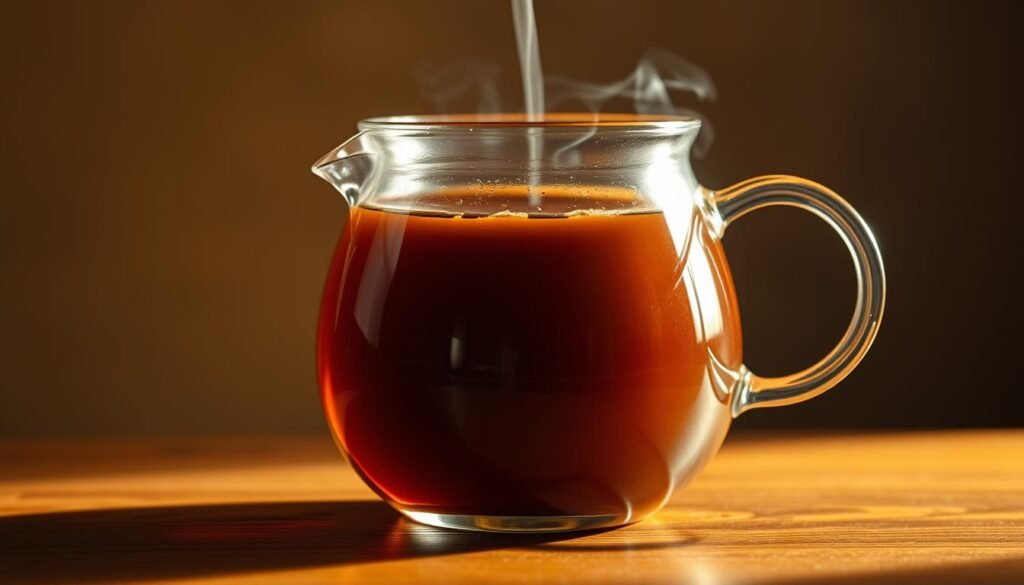
Pu-erh undergoes microbial processing that contributes to its distinctive taste. The two main styles are:
- Sheng (raw): Often changes gradually with aging and can have a brighter or more astringent flavor.
- Shou (ripe): Uses an accelerated fermentation process and often produces a darker, smoother-tasting drink.
Both contain caffeine, but neither style guarantees a particular amount. A cup can provide noticeable stimulation depending on the amount of leaves and brewing method.
How to prepare it: Start with a modest amount of leaves, use hot water, and follow the seller’s steeping instructions. Some pu-erh teas support several short infusions, while others work well with a single longer steep.
Pu-erh is worth trying if you enjoy a deep, coffee-like flavor. However, there is not strong human evidence that it produces longer-lasting or less jittery energy than other caffeinated teas.
3. Matcha: Adjustable Caffeine for Focused Work
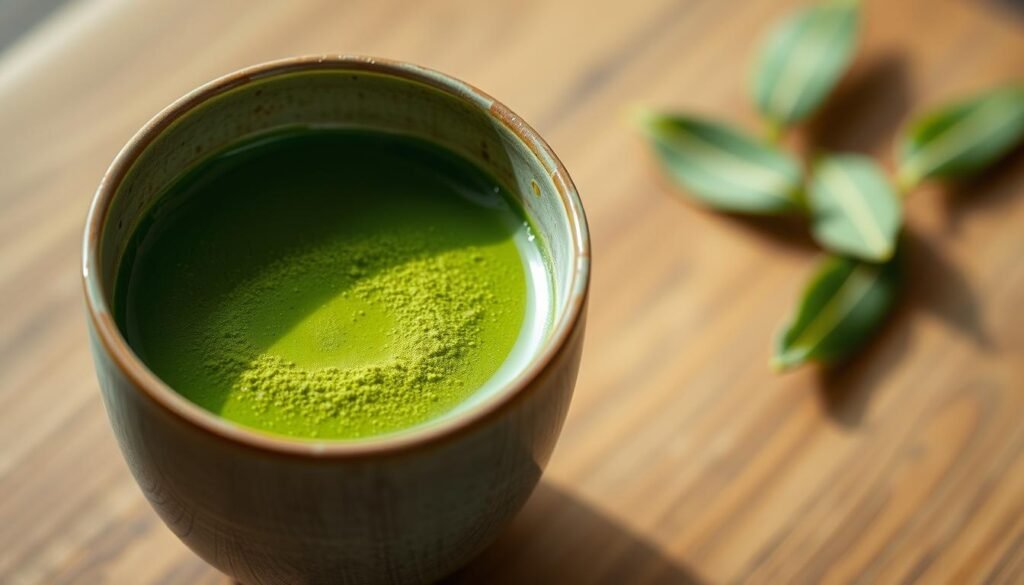
Matcha is powdered green tea made from specially grown and processed leaves. Unlike ordinary steeped green tea, you consume the powder itself rather than removing the leaves after brewing.
That difference can make matcha a more concentrated source of caffeine and tea compounds, depending on how much powder you use.
Why Matcha May Help With Attention
Matcha contains both caffeine and L-theanine. These compounds have been studied together for their effects on attention, reaction time, and aspects of mood.
Because you drink the powdered leaves, the serving size matters considerably. A larger scoop generally provides more caffeine than a smaller one, even when you add the same amount of water.
This makes measuring powder especially useful if you are sensitive to stimulants.
How to Prepare Matcha
- Measure the powder: Start with approximately 1–2 grams, or follow the package serving directions.
- Add hot water: Use water below boiling, around 160–175°F, to help produce a pleasant flavor.
- Whisk thoroughly: Mix until the powder is evenly dispersed and a light foam forms.
- Adjust to taste: Add more water or milk if you prefer a milder drink.
You can also mix matcha into smoothies or lattes. Keep in mind that sweetened café-style versions may contain substantial added sugar.
A Matcha Product for Home Preparation
If you want to prepare matcha regularly, a plain unsweetened powder gives you more control over the serving than a premixed sweetened latte blend.
Jade Leaf Ceremonial Grade Matcha Powder, 30 g Tin is an example intended for whisked matcha and matcha lattes. Its small tin may suit someone exploring matcha without purchasing a large package, though it provides fewer servings than bulk options.
The product itself has not been shown to produce special cognitive benefits beyond the compounds present in matcha generally. Measure your serving and account for any other caffeine consumed that day.
- JAPANESE CEREMONIAL GRADE MATCHA POWDER: Enjoy top-tier ceremonial grade matcha with our traditional 1.06 oz / 30 g tin. Using ½–1 tsp per cup, this pouch makes approximately 15 full-sized matcha lattes or up to 30 traditional servings of usucha or koicha — that's as little as $0.50–$1.00 per cup compared to $5+ at a café. Perfect for daily matcha lovers, enthusiasts, and those new to the ritual. This ceremonial blend delivers an exceptionally smooth sip with light, nutty notes and a delicate floral sweetness. CERTIFICATIONS: USDA Organic, 100% Japanese Matcha, Farm-Direct, Vegan, Gluten-Free, Dairy-Free, Keto Friendly
- PERFECT FOR COFFEE SWITCHERS & WELLNESS ENTHUSIASTS: If you're reducing coffee but don't want to sacrifice focus and energy, ceremonial matcha is your answer. The natural L-theanine in matcha works synergistically with its lower caffeine content to deliver calm, sustained alertness — no afternoon crash, no jitters, no compromise. Matcha may offer a steadier and more sustainable source of energy compared to coffee, without the jitters or sudden crashes. This is due to the combination of naturally occurring L-theanine and caffeine in matcha powder, which has been shown to promote a calm and focused state while providing a consistent energy boost.
- ANTIOXIDANT BENEFITS: Our most premium blend of ceremonial first harvest tea leaves is crafted for the highest-quality matcha beverages. Matcha powder contains a class of antioxidants called Catechins, particularly epigallocatechin gallate (EGCG), believed to help prevent free radicals in the body. Matcha powder contains antioxidants which have been shown to promote overall health and wellbeing and has naturally occurring caffeine and L-theanine believed to provide jitter-free energy without the crash.
- WHY FIRST HARVEST MATTERS: 'First harvest' (Ichibancha) refers to tea leaves picked in early spring — the season's first and most prized flush. These young leaves are shade-grown for up to 4 weeks before harvest, which boosts chlorophyll and L-theanine levels, resulting in a brighter green color, a naturally sweeter flavor, and a higher concentration of beneficial compounds than later-harvest matcha.
4. Yerba Mate: A Caffeinated Herbal Alternative
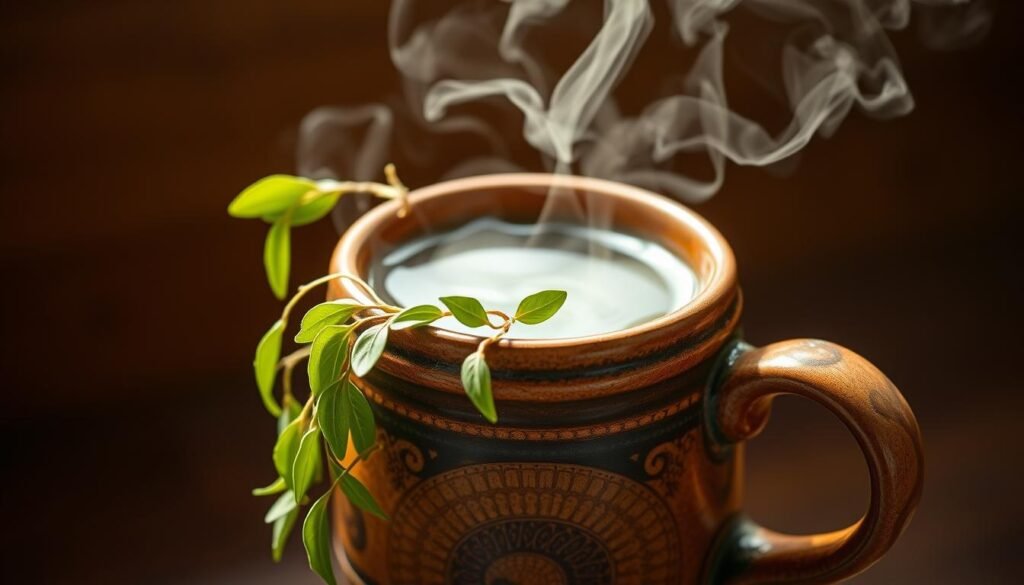
Yerba mate comes from Ilex paraguariensis, a plant traditionally consumed in parts of South America. Unlike black tea and matcha, it does not come from the Camellia sinensis tea plant.
It contains caffeine and related compounds, including theobromine, as well as polyphenols. Caffeine is the main reason it can help with short-term alertness.
How Strong Is Yerba Mate?
The caffeine content varies widely. A scientific review of yerba mate describes approximately 80 mg of caffeine in some 150 mL servings, while noting that preparation makes a substantial difference.
Traditional preparation often involves adding fresh water repeatedly to the same leaves. This can lead to a much higher total caffeine intake than drinking one ordinary mug.
Ways to Prepare Yerba Mate
- Traditional: Use a gourd and filtered drinking straw called a bombilla.
- Simple mug: Steep loose leaves using an infuser and strain before drinking.
- Convenient: Choose plain yerba mate tea bags with clear brewing instructions.
- Cold preparation: Prepare a chilled version called tereré using cool water.
You can add mint or citrus for flavor. Avoid relying on descriptions such as “smooth energy” to judge caffeine strength, since the drink may still cause nervousness or sleep problems.
Important: Let mate cool before drinking. The International Agency for Research on Cancer has identified drinking very hot beverages above approximately 149°F (65°C) as probably carcinogenic to humans, based on evidence concerning esophageal cancer risk.
5. Peppermint Tea: Caffeine-Free With Promising Early Research
Peppermint tea is made from peppermint leaves. It contains no natural caffeine and has a cooling flavor and distinctive menthol aroma.
It is an appealing alternative when you want something refreshing later in the day without adding more caffeine.
What Does the Research Show?
A 2025 randomized, placebo-controlled trial involving 25 adults examined the short-term effects of peppermint tea on cognition and blood flow in the brain.
Participants in the peppermint group showed greater improvements in cognitive performance than the control group. However, the study was small, and the measured blood-flow changes did not explain the cognitive differences.
That makes the findings interesting, not definitive proof that peppermint tea reliably treats fatigue or improves concentration for everyone.
How to Enjoy Peppermint Tea
- Steep peppermint leaves or a plain peppermint tea bag according to package directions.
- Try it warm or chilled with lemon.
- Use it as an evening alternative to caffeinated tea.
- Choose a caffeine-free blend if avoiding stimulants is your goal.
Peppermint may worsen heartburn in some people. If you have acid reflux, pay attention to your symptoms and choose another herbal drink if peppermint causes discomfort.
6. Ginger Tea: Warming Comfort Without Caffeine
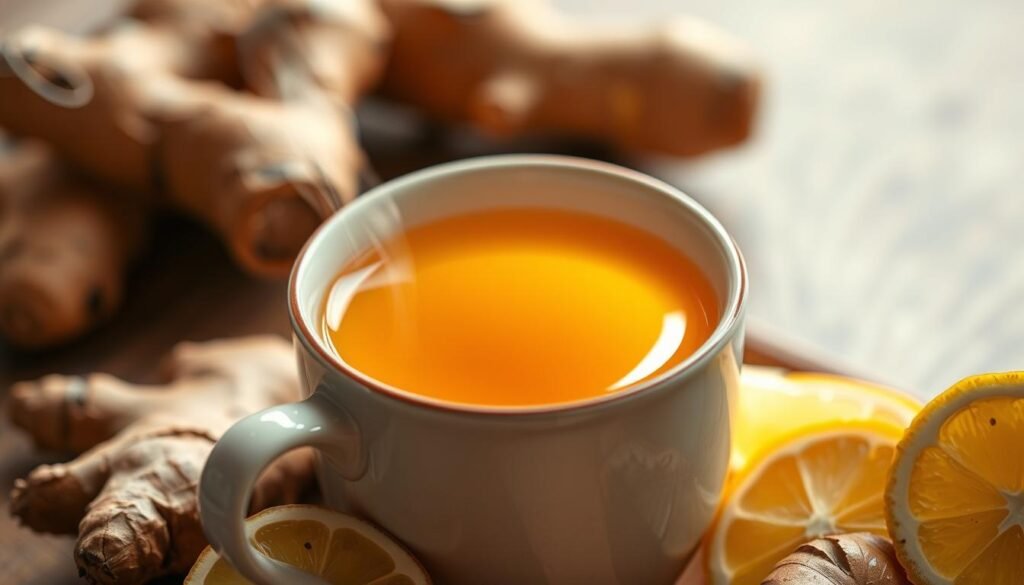
Ginger tea offers a spicy, warming drink without natural caffeine when prepared from ginger alone. Its main compounds include gingerols and shogaols, which have been studied for several possible health effects.
However, the evidence for ginger as an energy or concentration aid needs careful interpretation.
Can Ginger Actually Improve Focus?
A small randomized study published in 2012 found improvements in some cognitive measures among healthy middle-aged women taking standardized ginger extract daily for two months.
But the researchers used concentrated extracts, not regular brewed ginger tea. We cannot assume that drinking a mug of ginger tea produces the same effects.
Ginger has stronger evidence for certain digestive uses, especially nausea. According to NCCIH, some research supports ginger for pregnancy-related nausea, although much of that research involves supplements.
Make a Simple Ginger Tea
- Wash and thinly slice a small piece of fresh ginger.
- Add the slices to a cup of water and simmer gently for 5–10 minutes.
- Strain the liquid into a mug.
- Add lemon, cinnamon, or a small amount of honey if desired.
For a caffeinated variation, add ginger to black or green tea. The caffeine then comes from the tea leaves, not the ginger.
Ginger can cause heartburn or stomach discomfort, particularly in larger amounts. People taking medications should check before using concentrated ginger products regularly.
How to Brew Tea for Better Flavor and Sensible Caffeine Intake
Brewing affects caffeine extraction, taste, and the strength of your drink. These starting points can help you prepare a cup without making it unnecessarily bitter.
Simple Brewing Guide
- Black tea: Use hot water and steep for about 3–5 minutes.
- Pu-erh: Follow the leaf or package directions; multiple short infusions are common.
- Matcha: Whisk measured powder into hot, nonboiling water.
- Yerba mate: Follow the package instructions and let the drink cool before sipping.
- Peppermint: Steep in hot water for approximately 5–10 minutes, or as directed.
- Ginger: Simmer fresh slices for around 5–10 minutes.
Longer steeping can increase the extraction of caffeine and other compounds, although the relationship depends on the tea and preparation. More caffeine does not necessarily mean better focus.
What About Cold-Brew Tea?
Cold brewing is useful if you prefer a smoother, less bitter flavor. It may change how quickly different tea compounds are extracted, but cold brew is not automatically low in caffeine.
For a simple batch:
- Add loose tea or tea bags to a clean pitcher of cold water.
- Refrigerate while steeping, using the tea manufacturer’s directions as a starting point.
- Strain or remove the tea leaves.
- Keep refrigerated and prepare manageable batches rather than leaving brewed tea at room temperature.
For people who need predictable caffeine intake, a clearly labeled ready-to-drink product may be easier to measure than homemade cold brew.
Tea vs. Coffee and Energy Drinks: Which Is Better for Focus?
Tea can be a useful coffee alternative, particularly when it helps you consume less caffeine overall. But neither drink automatically gives smoother or longer-lasting energy.
The FDA reports these typical caffeine amounts in 12-ounce servings:
- Black tea: Approximately 71 mg.
- Green tea: Approximately 37 mg.
- Brewed coffee: Approximately 113–247 mg.
- Energy drinks: Approximately 41–246 mg, depending on the product.
Matcha and yerba mate do not fit neatly into these figures because powder amounts, brewing styles, and serving sizes differ considerably.
Tea might be preferable when you want a smaller caffeine serving. Coffee may be more practical when you need a stronger stimulant effect and tolerate it well.
Energy drinks require extra label checking because some contain substantial caffeine, added sugar, or other stimulant ingredients.
Does Tea Prevent an Energy Crash?
Not necessarily. Caffeine can temporarily improve alertness, but it does not replace sleep or correct the underlying reason you feel tired.
L-theanine may influence attention and subjective feelings, but human research has not established that ordinary tea consistently prevents caffeine crashes.
To reduce unwanted effects, try these habits:
- Use the smallest caffeine serving that helps you feel alert.
- Avoid using additional caffeine to compensate for consistently poor sleep.
- Choose unsweetened tea or limit added sugar.
- Eat regular meals and drink enough water throughout the day.
- Pay attention to whether caffeine makes you anxious, shaky, or restless.
Safety: Daily Caffeine Limits, Sleep, and Iron Absorption
Even natural drinks can cause problems when consumed in large amounts or at the wrong time. A few precautions make tea easier to fit into a healthy routine.
How Much Caffeine Is Too Much?
The FDA cites 400 mg of caffeine daily as an amount generally not associated with negative effects for most healthy adults. This is not a target to reach, and some people experience symptoms at much lower amounts.
Pregnant people are generally advised by the American College of Obstetricians and Gynecologists to keep caffeine below 200 mg per day.
People with certain heart conditions, uncontrolled blood pressure, anxiety symptoms, or medication interactions may need more restrictive guidance.
Signs of excessive caffeine can include:
- Palpitations or a faster heartbeat
- Jitteriness, nervousness, or anxiety
- Difficulty falling or staying asleep
- Upset stomach or nausea
- Headaches or an uncomfortable restless feeling
Avoid Caffeine Too Close to Bedtime
Caffeine may affect sleep even when you no longer feel stimulated. A controlled study found that a substantial caffeine dose taken six hours before bedtime could disrupt sleep.
If you are sensitive to caffeine, keeping black tea, matcha, and mate to the morning may be a helpful starting point. Peppermint or ginger can replace them later, provided the blend contains no added caffeinated tea.
Can Tea Reduce Iron Absorption?
Tea polyphenols can reduce absorption of non-heme iron, the type found in foods such as beans, lentils, and many plant foods.
If you have iron deficiency or take an iron supplement, separating tea from iron-rich meals or supplements may help. The NIH Office of Dietary Supplements explains how dietary compounds influence iron absorption.
When Fatigue Needs More Than Tea
If tiredness continues for weeks, does not improve with adequate rest, or interferes with everyday activities, consider a medical evaluation instead of increasing caffeine intake.
Persistent fatigue may have causes such as anemia, thyroid problems, diabetes, medication effects, or sleep disorders. MedlinePlus provides an overview of these possible causes.
Conclusion: Choose Tea for Your Needs, Not the Strongest Claims
Tea can help with short-term alertness, but it is not a cure for fatigue. Caffeine has the most direct evidence for improving wakefulness, while L-theanine may offer modest additional benefits on certain attention tasks.
Black tea is a practical starting point for a moderate morning lift. Matcha offers flexibility through measured powder servings. Pu-erh and yerba mate provide different flavor experiences, while peppermint and ginger are useful caffeine-free alternatives.
Start with one cup that fits your schedule, notice how you respond, and adjust the amount and timing. Protecting your sleep and understanding why you feel tired will matter more than finding the strongest tea.
Frequently Asked Questions
Which tea is best for tiredness and lack of focus?
Black tea and matcha are practical choices because both contain caffeine and L-theanine. Yerba mate and pu-erh also provide caffeine. The best option depends on your tolerance, taste, and preferred serving size.
Is matcha better than coffee for concentration?
Not necessarily. Matcha contains caffeine and L-theanine, a combination that may support certain attention tasks. But there is not enough evidence to conclude that matcha consistently improves concentration more than coffee.
Does peppermint tea actually make you more alert?
A small 2025 trial found encouraging improvements in cognitive performance after peppermint tea consumption. Larger studies are needed before claiming reliable effects on everyday alertness or fatigue.
Can ginger tea increase energy without caffeine?
Ginger tea is naturally caffeine-free when prepared without a true tea base. Although ginger extracts have been studied for cognitive effects, ordinary ginger tea has not been shown to reliably increase energy.
Which tea has the most caffeine?
There is no single winner across every preparation. Strong matcha servings, concentrated black tea, and traditionally prepared yerba mate can all provide substantial caffeine. Check serving sizes and product information rather than relying on tea names alone.
Can tea support heart health or longevity?
Some studies link tea drinking with favorable heart-health measures, while observational research has explored associations with longer life. These findings do not prove that tea itself prevents disease or extends lifespan.
Is drinking tea every day safe?
Moderate tea consumption is generally compatible with a healthy diet for many adults. Consider total caffeine, sleep, iron status, medications, pregnancy, and individual tolerance. More tea does not necessarily provide greater benefits.