
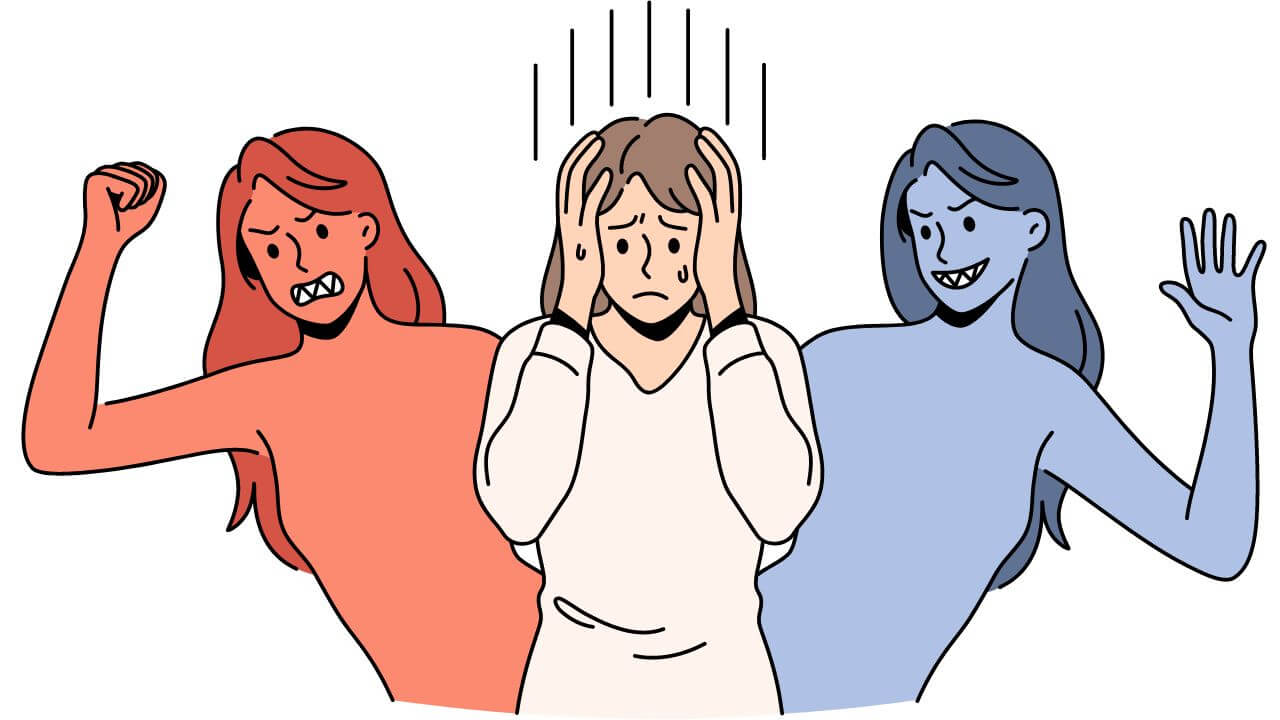

When someone you care about has bipolar disorder, it can be hard to know where support ends and enabling begins. Many families reach for “tough love” because they feel scared, exhausted, or unsure how else to respond.
The short answer is this: punitive, shaming, or emotionally withdrawing forms of tough love are usually not helpful for bipolar disorder. Firm boundaries can be necessary, but they work best when they are clear, calm, and connected to safety rather than punishment.
Tough love does not usually work with bipolar disorder when it means blaming, threatening, cutting off emotional support, or expecting a person to “snap out of it.” Bipolar disorder can affect mood, sleep, judgment, energy, impulse control, and communication, so harsh pressure may increase shame or isolation rather than improve stability.
That does not mean loved ones should accept unsafe, abusive, or harmful behavior. The healthier approach is compassionate accountability: support the person’s treatment and dignity while also setting firm limits around safety, money, communication, and your own wellbeing.
Key takeaways
- Tough love is not the same as healthy boundaries. Boundaries protect people; punishment tries to control them.
- Shame and emotional withdrawal may make things worse. They can reduce trust and make honest communication harder.
- Support should not replace professional care. Bipolar disorder needs proper diagnosis, treatment planning, and ongoing follow-up.
- Safety matters first. Suicidal talk, violence, psychosis, abuse, or immediate danger requires urgent professional or emergency help.
- Caregivers need boundaries too. Supporting someone does not mean sacrificing your own mental health or safety.
Firm boundaries can be loving when they protect safety, reduce chaos, and keep communication clear.
What “tough love” usually means in this situation
People use the phrase tough love in different ways. Sometimes they mean honest limits, such as refusing to lend money during a risky spending episode. Other times, they mean harsh statements, silence, threats, or cutting someone off to “teach them a lesson.”
Those two approaches are not the same. A boundary says, “This is what I can safely do.” Punishment says, “You deserve to hurt until you change.” That difference matters in mental health support.
| Approach | What it can sound like | Likely effect |
|---|---|---|
| Shaming tough love | “You are doing this on purpose.” | May increase shame, defensiveness, or withdrawal. |
| Emotional cutoff | “I am done with you until you fix yourself.” | May increase isolation, especially during depression or crisis. |
| Threat-based control | “If you do not behave, I will make you regret it.” | Can escalate conflict and reduce trust. |
| Healthy boundary | “I care about you, but I cannot continue this conversation while we are yelling.” | Protects safety while keeping the door open for calmer support. |
Why tough love may backfire with bipolar disorder
Bipolar disorder is not simply stubbornness, laziness, or a lack of discipline. Mood episodes can change how a person sleeps, reacts, talks, spends money, takes risks, or handles conflict. That does not remove personal responsibility, but it does mean that shame-based responses are often the wrong tool.
It can make shame heavier
Many people with bipolar disorder already struggle with regret after mood episodes, especially if their actions affected relationships, work, finances, or family trust. Harsh blame can make that shame heavier. Instead of encouraging treatment, it may lead the person to hide symptoms or avoid conversations.
It may reduce honest communication
Support works better when the person feels safe enough to say, “I am not sleeping,” “I feel out of control,” or “I think I need help.” If every admission is met with anger or punishment, the person may stop sharing early warning signs.
It can confuse symptoms with character
Not every difficult behavior is a symptom, and not every symptom excuses harm. Still, it is important to avoid turning bipolar disorder into a character attack. A more useful question is: What response protects safety, encourages care, and avoids unnecessary shame?
Tough love vs. healthy boundaries
Healthy boundaries are not cold. They are clear. They tell the other person what you can do, what you cannot do, and what needs to happen for the situation to stay safe.
A boundary should be specific enough that the other person understands it. It should also be realistic enough that you can follow through without using threats or emotional punishment.
| Situation | Less helpful response | Healthier boundary |
|---|---|---|
| Yelling or escalating conflict | “You are impossible to talk to.” | “I want to talk, but I will pause this conversation if we keep yelling.” |
| Risky spending during a high-energy episode | “You never learn.” | “I cannot lend money right now, but I can help you call your doctor or trusted support person.” |
| Refusing treatment discussion | “You clearly do not care about anyone.” | “I cannot force treatment, but I need us to make a safety plan if things get worse.” |
| Unsafe or abusive behavior | “I will just tolerate it because you are unwell.” | “I care about you, but I will leave or call for help if I feel unsafe.” |
What to do instead of tough love
A safer approach combines empathy, limits, and professional support. It is not passive. It does not ignore harmful behavior. It simply avoids using shame as the main strategy.
Use calm, direct language
When emotions are high, long explanations often turn into arguments. Short, calm statements usually work better. For example:
- “I care about you, and I want us to slow this conversation down.”
- “I am not comfortable making decisions while things feel this intense.”
- “I can support you, but I cannot be shouted at.”
- “This feels serious. I think we should contact your doctor or crisis support.”
Talk about boundaries during stable periods
Boundaries are easier to discuss when the person is not in the middle of a severe mood episode. If possible, talk during calmer periods about what support should look like when symptoms return. This may include warning signs, emergency contacts, treatment preferences, money boundaries, and communication limits.
Support treatment without trying to become the treatment
Loved ones can encourage appointments, medication consistency when prescribed, therapy follow-up, sleep routines, and crisis planning. But family support is not a substitute for professional care. Bipolar disorder should be managed with qualified mental health guidance.
Protect your own wellbeing
Supporting someone with bipolar disorder can be emotionally draining, especially if there is conflict, repeated crisis, or broken trust. You are allowed to need rest, counseling, support groups, distance from unsafe situations, and help from other trusted people.
When boundaries need to become safety action
Some situations are beyond ordinary relationship advice. If there is suicidal talk, self-harm risk, violence, abuse, psychosis, severe confusion, inability to stay safe, or immediate danger, seek urgent professional or emergency support. Do not try to manage a crisis alone.
If you are unsure whether something is an emergency, it is safer to contact a qualified crisis service, mental health professional, local emergency number, or trusted medical provider for guidance.
Common mistakes to avoid
- Do not shame the diagnosis. Focus on behavior, safety, and support instead of attacking the person.
- Do not confuse compassion with permission. You can care deeply and still say no.
- Do not argue during peak escalation. Pausing may be safer than trying to win the conversation.
- Do not make threats you cannot or should not keep. Boundaries should be realistic, not dramatic.
- Do not ignore your own safety. Mental illness does not require you to stay in harmful or dangerous situations.
FAQ
Does tough love work with bipolar disorder?
Usually, punitive or shaming tough love does not help. A better approach is calm support, clear boundaries, professional treatment involvement, and safety planning when needed.
Is tough love the same as setting boundaries?
No. Healthy boundaries explain what you can and cannot safely do. Tough love often relies on punishment, emotional withdrawal, or shame, which can damage trust.
Can boundaries make someone with bipolar disorder feel abandoned?
They can if they are delivered harshly or without explanation. Boundaries are usually easier to accept when they are calm, specific, and paired with care, such as “I want to help, but I cannot do this in an unsafe way.”
What should you not say to someone with bipolar disorder?
Avoid statements that shame, dismiss, or oversimplify the condition, such as “just control yourself” or “you are doing this for attention.” Focus on the behavior, the concern, and the next safe step.
What if the person refuses treatment?
You cannot force insight or recovery through pressure alone. You can encourage care, set limits around unsafe behavior, involve trusted support when appropriate, and seek professional guidance for your own next steps.
When should I seek emergency help?
Seek urgent help if there is suicidal talk, self-harm risk, violence, psychosis, severe confusion, abuse, or immediate danger. In those situations, safety comes before trying to handle the conversation perfectly.
Final verdict
Tough love is not the best approach for bipolar disorder when it means punishment, shame, or emotional abandonment. It may push the person further away from the support and treatment they need.
The stronger path is compassionate firmness: speak clearly, set limits, encourage professional care, and protect safety without turning the diagnosis into a character flaw. You do not have to enable harmful behavior, but you also do not have to use cruelty to create accountability.