
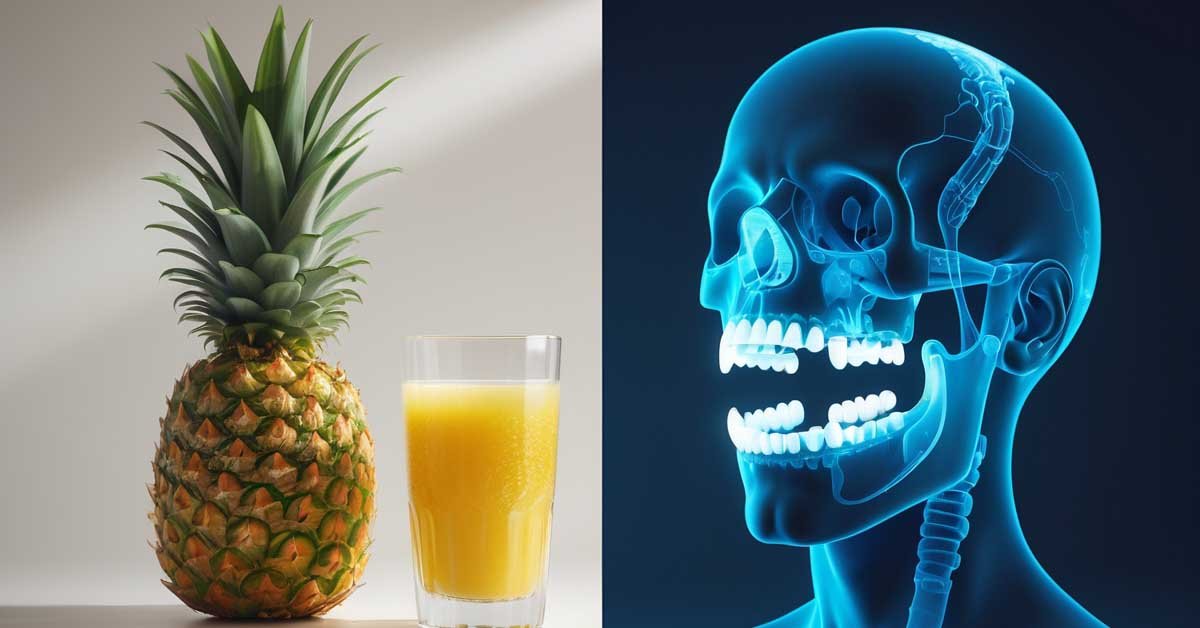

Pineapple Juice and Wisdom Teeth: Is There a Connection?
Pineapple juice became a social media favorite for wisdom teeth removal because it contains bromelain, an enzyme studied for its possible anti-inflammatory effects. That connection is real, but the online version of the advice is much less reliable than it sounds.
The short answer: pineapple juice is not a dependable or recommended way to prevent swelling after wisdom teeth removal. The bromelain dose in juice is inconsistent, the sugar and acidity can be high, and bromelain may interact with some medications. Your oral surgeon’s instructions should come first.
Quick verdict
Pineapple juice may have a small connection to wisdom teeth recovery because of bromelain, but drinking large amounts before surgery is not a safe recovery plan. Most research that looks promising involves bromelain supplements or controlled doses, not a carton of juice from the grocery store.
If you are curious about bromelain, ask your oral surgeon before using it. This matters even more if you take blood thinners, aspirin, certain antibiotics, diabetes medication, or any medicine that affects bleeding or healing.
A safer recovery plan is not built around one viral drink. It is built around your surgeon’s instructions, sensible pain control, cold therapy when advised, rest, and soft foods.
Key takeaways
- Pineapple contains bromelain, an enzyme linked to anti-inflammatory research.
- Pineapple juice is not the same as a clinical bromelain dose. Juice varies by fruit, processing, freshness, and amount consumed.
- Chugging large amounts can backfire because pineapple juice is sugary and acidic.
- Bromelain may interact with medications, especially drugs that affect bleeding.
- Cold therapy, rest, soft foods, and prescribed instructions are more dependable parts of wisdom teeth recovery.
Why pineapple juice became linked to wisdom teeth recovery
The idea comes from bromelain, a group of enzymes found in pineapple. Bromelain helps break down proteins, which is why pineapple is sometimes used in cooking as a meat tenderizer.
In health discussions, bromelain is usually mentioned because it has been studied for inflammation, swelling, and tissue response. After wisdom teeth removal, swelling happens because the body sends fluid and immune cells to the surgical area. That response is normal. The question is whether bromelain can meaningfully reduce it.
The theory is simple: if bromelain may influence inflammation, then consuming pineapple before surgery might reduce swelling afterward. The problem is that a theory does not automatically make a viral habit safe or effective.
Bromelain in juice is hard to control
Fresh pineapple and pineapple juice do contain bromelain, but the amount can vary. It may depend on the part of the fruit, how ripe it is, how it was processed, and whether the juice was pasteurized. Heat processing can reduce enzyme activity.
That is one reason pineapple juice is a poor dosing method. You do not know how much active bromelain you are getting, and drinking more juice also means taking in more sugar and acid.
What the research actually suggests
Bromelain has been studied in oral surgery and other inflammation-related settings. Some studies suggest it may help with swelling or discomfort after dental procedures. Other studies show little or no clear advantage.
The mixed results matter. They suggest bromelain may be interesting, but not guaranteed. They also show why it is risky to turn a social media trend into a pre-surgery routine without medical approval.
Why supplement studies do not prove the juice trend
Many studies use controlled bromelain preparations. That is very different from drinking pineapple juice. A supplement can provide a measured amount of bromelain, while juice provides an unpredictable amount along with sugar, acidity, and extra fluid volume.
Even supplements are not something to casually add before surgery. Bromelain is biologically active, and it may affect bleeding risk or interact with medication. So the issue is not simply “juice versus supplement.” The real issue is whether your surgeon says it is safe for you.
| Question | Practical answer |
|---|---|
| Is there a real connection? | Yes, through bromelain, but the connection is not strong enough to make pineapple juice a dependable recovery method. |
| Does juice match clinical bromelain use? | No. Juice has inconsistent bromelain content and adds sugar and acidity. |
| Is it safe to drink a large amount before surgery? | Not necessarily. It may be a poor choice for people with blood sugar concerns, reflux, sensitive teeth, or medication risks. |
| Should bromelain supplements be used instead? | Only with explicit approval from the oral surgeon or doctor. |
The risks of chugging pineapple juice before wisdom teeth removal
The biggest issue with the trend is not that pineapple is “bad.” A normal serving of pineapple can fit into many diets. The problem is the large-volume approach often promoted online.
Sugar load
Pineapple juice is naturally high in sugar. Drinking a large container in one day can create a heavy sugar load, which may be especially unwise for people with diabetes, insulin resistance, or blood sugar concerns.
Even for people without those conditions, a large amount of juice before oral surgery may cause stomach discomfort or make fasting instructions harder to follow if the timing is wrong.
Acidity
Pineapple juice is acidic. Large amounts may irritate the mouth, bother sensitive teeth, or worsen reflux in some people. Right before oral surgery, that is not a helpful tradeoff.
Medication and bleeding concerns
Bromelain may interact with medications, including blood-thinning drugs and possibly certain antibiotics. This does not mean every person will have a problem, but it does mean you should not self-experiment before a procedure.
Tell your oral surgeon about any supplement, herbal product, unusual food routine, or home remedy you plan to use. That includes bromelain, large amounts of pineapple juice, aspirin, and over-the-counter products.
Pineapple juice versus surgeon-directed recovery care
The viral trend often compares pineapple juice with swelling, but the better comparison is pineapple juice versus the recovery plan your dental team gives you. Wisdom teeth recovery is not just about inflammation. It also involves bleeding control, clot protection, infection prevention, pain management, hydration, and safe eating.
| Recovery option | What it may help with | Main limitation |
|---|---|---|
| Pineapple juice | Provides some bromelain, depending on freshness and processing. | Unreliable dose, high sugar, acidity, and possible medication concerns. |
| Bromelain supplement | Provides a more controlled bromelain amount. | Still needs surgeon approval because of interaction and bleeding concerns. |
| Cold therapy when advised | May support comfort and help manage early swelling. | Must be used with correct timing and skin protection. |
| Prescribed or approved pain medicine | Targets pain and inflammation based on your medical situation. | Must be taken only as directed and may not be suitable for everyone. |
| Soft foods and rest | Helps protect the surgical area while the mouth heals. | Requires consistency for the first few recovery days. |
What actually helps after wisdom teeth removal
The most useful recovery steps are usually simple, but timing matters. Follow the instructions from your oral surgeon because advice can vary based on the type of extraction, bleeding risk, stitches, sedation, and your medical history.
Cold therapy may be useful early on
Many oral surgery instructions include short cold compress sessions during the early recovery period. Cold therapy is not a cure, but it may help with comfort and swelling management when used correctly.
If your dental team tells you to use cold compresses, avoid placing frozen packs directly on bare skin for too long. Use a cloth barrier or follow the product instructions, and take breaks between sessions.
For readers who are told to use cold compresses after surgery, a hands-free jaw wrap can make short icing sessions easier. One example is the NEWGO Wisdom Teeth Ice Pack Head Wrap, which is designed to hold gel packs around the jaw and cheeks; you can see this jaw cold therapy option on Amazon.
Keep the basics boring and consistent
The basics may not feel as exciting as a viral hack, but they are usually where recovery support starts:
- Use medications only as directed by your oral surgeon.
- Rest and avoid strenuous activity during the early recovery period.
- Eat soft foods that do not disturb the surgical site.
- Avoid straws if your surgeon tells you to avoid suction.
- Keep your head elevated if that is part of your recovery instructions.
- Call your dental team if bleeding, pain, swelling, or fever seems unusual.
A reusable jaw ice pack wrap can be a practical comfort tool for some people because it keeps the cold packs positioned without needing to hold them in place. It should still be viewed as support for a surgeon-approved routine, not as a treatment or a guarantee of less swelling.

- Face Oral and Wisdom Teeth Pain Relief - Updated with 4 large gel ice packs for more larger and effective coverage. NEWGO wisdom teeth ice packs for face are considerately designed with upgraded leak-proof nylon fabric in water drop shape to ensure a perfect contour to the face and oral aera, and delivers the immediate pain relief from wisdom teeth extraction, oral or TMJ pain and aches, cosmetic injections, dental surgery and many more in an economical way.
- Fits Most Head Size - With adjustable velcro strap, this wisdom teeth ice pack head wrap can be easily adjusted for head size to your optimal snugness. Shorten it to 23" for a smaller wrap or light compression, and if you need more room, loosen it to 27.6".
- Hands-Free Jaw Ice Wrap - This face ice pack wrap is designed bluilt-in pockets for holding ice pack in place for additional security. Adjustable velcro strap design allows you to heal while doing your usual daily activities without constant manual adjustment, allowing for hands-free use.
- Enhanced Comfort - The jaw ice pack with soft removable and washable cover that ensures easy cleaning and maintenance, promoting hygiene and reusability while providing a soft, comfortable barrier between the ice pack and your skin for effective, irritation-free swelling relief.
Should you drink pineapple juice before wisdom teeth removal?
A small, normal serving of pineapple juice is different from chugging a large amount. Still, before oral surgery, even “natural” choices should be checked against your pre-op instructions.
If your surgeon has told you to fast before anesthesia or sedation, do not ignore that advice. If you have blood sugar concerns, reflux, sensitive teeth, bleeding risk, or medication interactions, the pineapple juice trend becomes even less appealing.
Best practical answer: do not use pineapple juice as your main swelling strategy. If you enjoy pineapple juice and your surgeon has not restricted it, keep it moderate and treat it as a beverage, not a recovery tool.
What about bromelain supplements?
Bromelain supplements are more controlled than juice, but they are not automatically safer. They may be stronger, and stronger is not always better before surgery.
Do not start bromelain before wisdom teeth removal unless your surgeon or doctor says it is appropriate for you. This is especially important if you take blood thinners, aspirin, anti-inflammatory medication, antibiotics, or have a bleeding disorder or upcoming anesthesia.
Frequently asked questions
Can pineapple juice reduce swelling after wisdom teeth removal?
It is not a reliable way to reduce swelling. Pineapple contains bromelain, but juice does not provide a predictable clinical dose, and drinking large amounts brings sugar, acidity, and possible safety concerns.
Should I drink pineapple juice before wisdom teeth surgery?
You should not chug pineapple juice before surgery. If you plan to drink any pineapple juice close to your procedure, ask your oral surgeon first and follow all fasting instructions.
Is eating whole pineapple better than drinking juice?
Whole pineapple may be a better everyday food choice than juice because it contains fiber, but it still is not a dependable wisdom teeth recovery method. Large amounts can still be acidic and sugary.
Can pineapple juice interfere with anesthesia?
The bigger concern is ignoring fasting instructions or using bromelain in a way that could interact with medications. Always follow your surgeon’s pre-op rules, especially if sedation or anesthesia is planned.
Is bromelain safe before wisdom teeth removal?
Not for everyone. Bromelain may interact with certain medications or affect bleeding risk, so it should only be used before oral surgery if your doctor or oral surgeon approves it.
What is the safest way to manage swelling?
The safest plan is the one your oral surgeon gives you. It may include cold therapy, rest, approved pain medicine, soft foods, and specific instructions to protect the healing area.
Final verdict
Pineapple juice and wisdom teeth recovery are connected through bromelain, but that does not make the viral juice trend a smart plan. The science around bromelain is mixed, and pineapple juice is an unreliable way to get it.
The safer takeaway is straightforward: do not chug pineapple juice to prepare for wisdom teeth removal, do not start bromelain supplements without medical approval, and do not replace your surgeon’s instructions with social media advice.
For most readers, the better path is simple recovery care: follow your oral surgeon’s directions, use cold therapy if recommended, rest, eat soft foods, and ask questions before adding anything new to your routine.
Sources
- National Center for Complementary and Integrative Health: Bromelain.
- Majid, O. W., and Al-Mashhadani, B. A. Study on bromelain after extraction of impacted third molars.
- Cleveland Clinic article discussing pineapple juice and wisdom teeth removal.
- Pavan, R., Jain, S., Shraddha, and Kumar, A. Review on properties and therapeutic application of bromelain.



Don’t Miss These Picks