
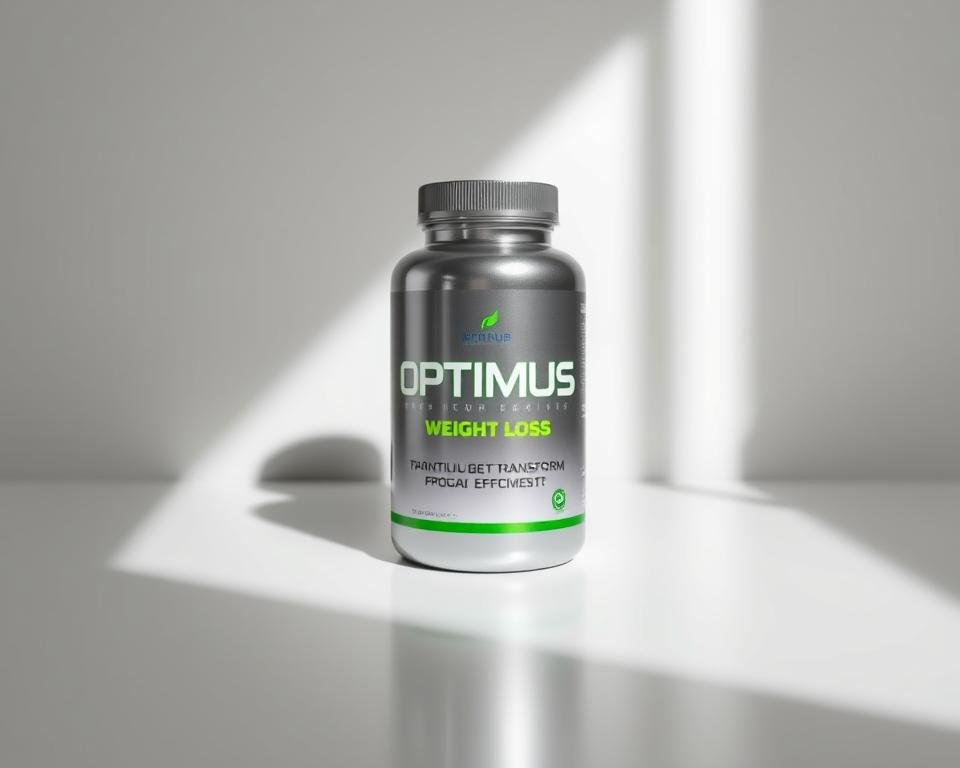

Optimus Weight is difficult to judge as a weight-loss supplement because the formula previously associated with the product cannot be matched confidently to the currently identifiable version. A current product called Optimus Weight ADVANCED is marketed by Primor Health and Wellness, but the seller describes a different ingredient profile from the one often discussed in older material.
That matters more than it may seem. Research on caffeine, green tea, carnitine, Garcinia cambogia, or other common weight-management ingredients cannot prove that a finished supplement works unless the actual formula and relevant doses are known. In this case, those details are not clear enough to support a confident fat-loss claim.
The practical verdict is therefore cautious: Optimus Weight may contain ingredients commonly used in stimulant-based weight-management supplements, but there is not enough verified formula transparency to say that the current product is effectively formulated, likely to produce meaningful fat loss, or appropriate for a particular buyer.
Key Takeaways
- A current Optimus Weight ADVANCED product exists, but its disclosed ingredient profile does not match the formula previously analyzed in older material.
- The seller currently names green tea, guarana, caffeine, chromium, banaba extract, L-theanine, and maca.
- Exact quantities for the active ingredients, including the total caffeine amount, could not be established confidently from the available product information.
- Older references to L-carnitine, Garcinia cambogia, piperine, and specific ingredient doses should not be treated as facts about the current formulation.
- Research on individual ingredients does not establish that the finished Optimus product causes meaningful weight loss.
- The lack of clear dose information makes stimulant exposure, evidence matching, and overall value harder to judge.
Product Snapshot
| Category | What Can Be Said Confidently |
|---|---|
| Current identifiable product | Optimus Weight ADVANCED |
| Seller | Primor Health and Wellness |
| Product type | Multi-ingredient dietary supplement marketed for weight management |
| Displayed quantity | 60 capsules |
| Ingredients named by the seller | Green tea, guarana, caffeine, chromium, banaba extract, L-theanine, and maca |
| Exact active-ingredient amounts | Not clearly verified |
| Exact caffeine amount | Not clearly verified |
| Finished-product weight-loss evidence | Not established |
| Amazon availability | No qualifying current Amazon listing was verified |
What Is Optimus Weight Loss?
Optimus Weight is a name that has been used for more than one weight-management formulation over time. The currently identifiable product is Optimus Weight ADVANCED, sold by Primor Health and Wellness.
The identity issue is important because older Optimus products appear to have used materially different formulas. Historical versions have been associated with ingredients such as tejocote root and spirulina, while older article material about Optimus Weight discussed green tea extract, caffeine, L-carnitine, Garcinia cambogia, and piperine.
The currently marketed Optimus Weight ADVANCED product instead names green tea, guarana, caffeine, chromium, banaba extract, L-theanine, and maca. Because those formulas do not line up cleanly, it would be misleading to carry old ingredient assumptions forward and treat them as current product facts.
What Is Actually in the Current Formula?
The seller currently identifies several ingredients, but the available information does not provide enough verified quantity detail to make a strong formula judgment.
- Green tea: commonly included in weight-management supplements and often discussed for its catechin and caffeine content.
- Guarana: a botanical source that can contribute caffeine.
- Caffeine: a stimulant that can affect alertness, energy, and exercise performance.
- Chromium: frequently marketed in weight-management products, although evidence for meaningful weight loss is limited.
- Banaba extract: a botanical ingredient sometimes included in metabolic-health supplements.
- L-theanine: often paired with caffeine in supplements, but it should not be interpreted as a weight-loss ingredient by itself.
- Maca: another botanical ingredient, but not one that establishes a strong fat-loss case for the finished product.
The missing piece is dose transparency. Knowing that an ingredient is present does not tell you whether the amount resembles what has been studied, whether the total stimulant burden is low or high, or whether the formula is likely to add anything meaningful beyond caffeine alone.
What the Evidence Says About the Key Ingredients
The NIH guidance on dietary supplements for weight loss is useful here because it separates ingredient-level evidence from marketing claims. Across many weight-loss supplement ingredients, effects tend to be modest, inconsistent, uncertain, or difficult to translate into meaningful long-term weight loss.
Caffeine
Caffeine is probably the ingredient most likely to produce an effect a user can notice quickly. It can increase alertness and may affect exercise performance or short-term energy expenditure. But feeling more stimulated is not the same as proving that a supplement causes meaningful, sustained fat loss.
This distinction matters with Optimus Weight because the exact caffeine amount has not been verified. Guarana may also add caffeine, making it difficult to estimate total stimulant exposure from the ingredient names alone.
Green Tea
Green tea and green tea extracts are common in weight-loss supplements, but the NIH evidence summary supports much more restrained expectations than typical “fat-burning” marketing suggests. Any weight-related effect appears modest and may depend on formulation, catechin content, caffeine content, dose, and the population being studied.
Without verified quantities, there is no sound basis for saying that Optimus Weight provides a dose comparable with a particular study.
Chromium and Other Added Ingredients
Chromium has been studied for weight management, but the evidence does not justify treating it as a major reason to expect substantial weight loss. The same principle applies to the rest of the formula: ingredient presence is not enough. The practical question is whether the full formulation has transparent doses and credible evidence behind the finished product.
Claim vs. Evidence: What Can the Formula Realistically Support?
| Claim or Buying Question | What the Evidence Supports | What Remains Unclear |
|---|---|---|
| Will it produce meaningful fat loss? | Common supplement ingredients may have limited or modest effects in some settings. | No finished-product evidence establishing meaningful fat loss from Optimus was verified. |
| Will caffeine increase energy? | Caffeine can produce noticeable stimulant effects. | The exact caffeine amount and total stimulant burden are unclear. |
| Does green tea make it an effective fat burner? | Green tea ingredients have been studied for weight management, with generally modest and variable results. | Current Optimus amounts are not verified, so study results cannot be mapped directly onto the product. |
| Does a long ingredient list make the formula better? | No. A formula should be judged by transparency, evidence, dose, and relevance. | Several current ingredient quantities are not clearly disclosed in the available information. |
| Is the current formula the same one discussed in older reviews? | No reliable match was established. | Older Optimus formulas and the current product appear materially different. |
The central buying lesson is simple: a researched ingredient does not automatically make a researched product. Evidence from caffeine or green tea studies cannot be transferred confidently to a commercial blend when the actual doses and finished formulation are unclear.
What Stands Out
The biggest issue with Optimus Weight is not that every ingredient lacks research. It is that the product cannot be judged precisely enough from the verified formula information available.
For a multi-ingredient supplement, transparency is part of the product’s value. A buyer should be able to determine what is being consumed, how much stimulant exposure a serving provides, and whether the listed amounts can reasonably be compared with research. When those details are incomplete, the buying decision becomes less about whether an ingredient sounds promising and more about whether the product provides enough information to justify confidence.
Best For / Skip If
Who Might Consider Looking More Closely
Someone already considering a stimulant-containing weight-management supplement may want to examine the current label carefully before deciding. The formula includes ingredients commonly used in this category, but current verification does not support a strong recommendation for a particular type of buyer.
Who Has Strong Reasons to Skip It
- Anyone who wants complete ingredient-dose transparency before buying.
- People who are sensitive to caffeine or other stimulants.
- People who already use coffee, energy drinks, pre-workout products, or other caffeine-containing supplements regularly.
- Anyone expecting the supplement itself to produce substantial or predictable weight loss.
- People using medications or other supplements who have not checked for possible interactions.
- Buyers who prefer products with clearly documented amounts and easier evidence comparison.
Potential Side Effects and Important Safety Considerations
Because caffeine and guarana are listed, stimulant exposure deserves attention. Possible caffeine-related effects can include jitteriness, trouble sleeping, increased heart rate, headache, or digestive discomfort in some people. The exact risk cannot be judged from the product name alone, and the absence of a verified caffeine quantity makes individualized advice especially difficult.
Total daily exposure matters more than looking at one supplement in isolation. Coffee, tea, energy drinks, pre-workout powders, and other supplements can all add to a person’s caffeine intake.
The FDA guidance on dietary supplement safety also explains an important distinction: dietary supplements do not go through the same premarket approval process for safety and effectiveness as prescription drugs. “Natural” wording should not be interpreted as a guarantee of safety, and supplements can interact with medications or other products.
Anyone taking medication, combining several supplements, or managing a health condition should discuss the combination with an appropriate healthcare professional rather than relying on generalized timing or dosage advice.
What About the Old Garcinia Cambogia, L-Carnitine, and Piperine Claims?
These ingredients were discussed in older Optimus-related material, but they have not been verified as part of the currently identifiable Optimus Weight ADVANCED formulation. They should therefore not be treated as current product features.
Garcinia cambogia is a good example of why this distinction matters. NCCIH’s evidence on Garcinia cambogia describes uncertain weight-loss usefulness along with reported safety concerns and possible medication interactions. That evidence can help evaluate an old Garcinia claim, but it should not be used to suggest that the current Optimus product contains Garcinia or carries Garcinia-specific risks.
The same principle applies to L-carnitine and piperine. Ingredient evidence is relevant only when the ingredient is actually verified in the product being reviewed.
What to Check Before Buying or Using Optimus Weight
- Confirm the exact product name and version. Optimus Weight has appeared in more than one formulation, so do not assume an older ingredient list still applies.
- Read the current Supplement Facts panel. Look for exact ingredient amounts rather than relying only on front-label claims or ingredient names.
- Check total caffeine exposure. Include coffee, tea, energy drinks, pre-workout products, and other supplements in the calculation.
- Separate evidence from marketing. A claim about metabolism, appetite, or fat burning should not be accepted merely because the formula contains caffeine or botanical extracts.
- Review medication and supplement interactions. The FDA recommends discussing supplements with healthcare professionals when interactions may be relevant.
- Judge value by transparency. A multi-ingredient blend should offer a clear reason to pay for the full formula rather than simply bundling familiar ingredient names together.
It is also worth remembering that weight-loss supplements are a category in which regulators have repeatedly identified products containing undeclared ingredients. The FDA weight-loss product safety notifications provide useful category-level context. That does not mean Optimus Weight has been identified as adulterated; it means buyers should not treat strong marketing or the absence of a warning as proof of safety.
Is Optimus Weight Worth Buying?
Based on the information that can be verified, there is not enough transparency to make a strong case for buying Optimus Weight solely for fat loss.
The current seller identifies several ingredients commonly seen in weight-management supplements, but exact quantities are not clear enough to evaluate the formulation properly. That prevents a meaningful comparison between the product and research, makes total stimulant exposure harder to judge, and weakens any claim that the formula is worth paying for because of a specific evidence-based combination.
A buyer evaluating this type of supplement should use a simple decision sequence:
- Can the exact current formula be verified?
- Are the active ingredient amounts disclosed?
- Do the important ingredients have credible human evidence?
- Are those ingredients present in relevant amounts?
- Can total stimulant exposure be estimated?
- Does the buyer already consume substantial caffeine?
- Are medication or health considerations relevant?
- Does the formula provide enough transparency to justify its price?
Optimus Weight currently falls short on several of those questions because too much depends on information that is not clearly established.
Final Verdict
Optimus Weight should not be judged from the ingredient list used in older reviews, because that formula could not be matched confidently to the currently marketed Optimus Weight ADVANCED product.
The current version does identify ingredients such as green tea, guarana, caffeine, chromium, banaba extract, L-theanine, and maca, but the absence of clearly verified ingredient quantities limits what can be concluded about effectiveness, stimulant burden, and overall value.
That makes the most useful verdict a transparency-based one: before considering this supplement, confirm the exact current label, ingredient amounts, caffeine exposure, and relevant warnings. Until those details are clear, familiar ingredient names and weight-loss marketing are not enough to establish that the product will deliver meaningful fat-loss results.
Frequently Asked Questions
What ingredients are currently disclosed for Optimus Weight?
The currently identifiable Optimus Weight ADVANCED product names green tea, guarana, caffeine, chromium, banaba extract, L-theanine, and maca. Exact quantities for the active ingredients were not clearly verified in the available product information.
Is the formula from older Optimus Weight reviews still current?
It cannot be assumed to be current. Older Optimus material has described different formulations, and the formula discussing L-carnitine, Garcinia cambogia, piperine, and specific hypothetical doses could not be matched confidently to the current Optimus Weight ADVANCED product.
Do weight-loss supplements reliably produce meaningful weight loss?
Not usually in a predictable way. The NIH evidence summary shows that many common weight-loss supplement ingredients have modest, inconsistent, or uncertain effects, and research on individual ingredients does not prove that a finished multi-ingredient product will produce the same result.
Why does the total caffeine amount matter?
Total caffeine intake influences both the likely stimulant effect and the chance of unwanted effects. Coffee, tea, energy drinks, pre-workout products, guarana, and caffeine-containing supplements can all contribute to the daily total.
Can Optimus Weight interact with medications?
Potential interactions cannot be ruled out because the product contains multiple ingredients and the full dose picture is not clearly established. People using medications or other supplements should review the combination with an appropriate healthcare professional.
Does “natural” mean a weight-loss supplement is safe?
No. The FDA specifically cautions that “natural” does not automatically mean safe, and dietary supplements can have side effects, interact with medications, or contain ingredients that require additional caution.


Don’t Miss These Picks