
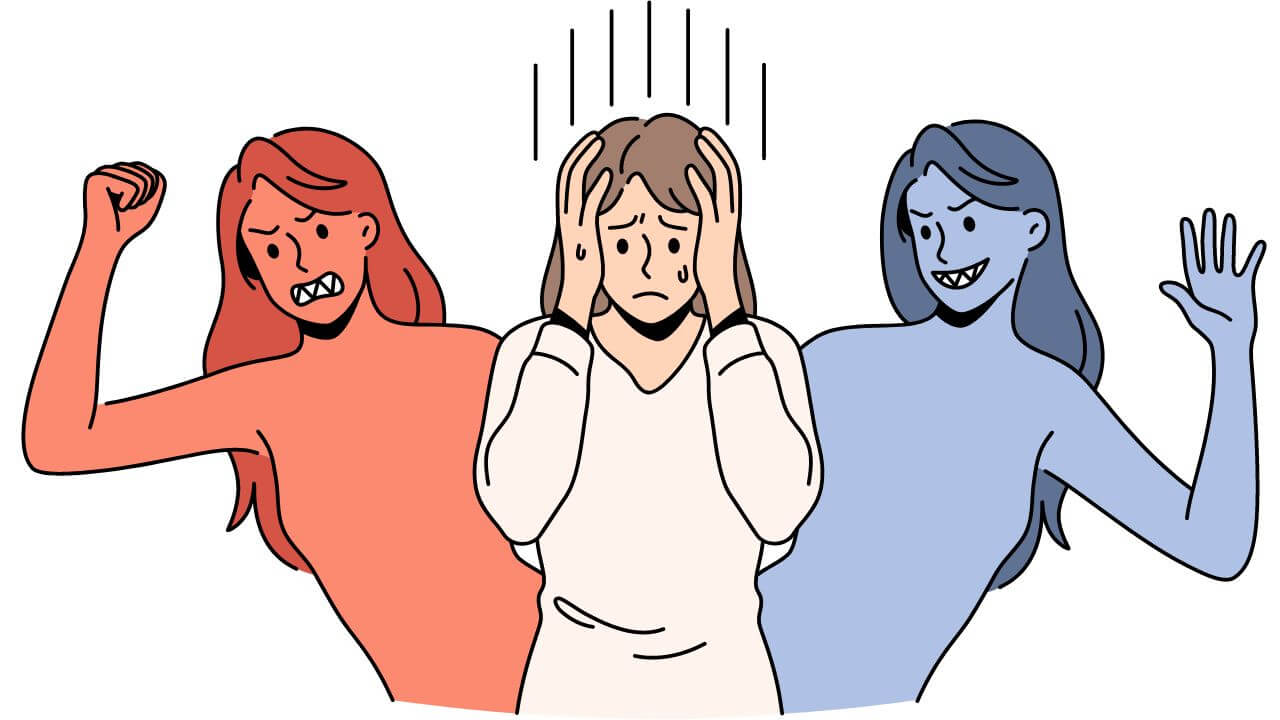

The Fallacy of ‘Tough Love’
An evidence-based look at supporting loved ones with Bipolar Disorder.
An Unbalanced Equation
When dealing with a neurobiological condition like bipolar disorder, the “tough love” approach is fundamentally flawed. It introduces stress and shame, which are known triggers for mood episodes. The data overwhelmingly points toward compassionate support as the only effective strategy.
This visualization shows the clinical consensus: punitive tactics are almost entirely harmful, while structured support forms the foundation of effective care.
The Severe Risks of a Punitive Approach
Applying “tough love” is not a neutral act; it carries significant, well-documented risks that can worsen the very situation it aims to fix. The stress and isolation caused by punitive actions can have devastating consequences.
- ⚠️ Increased Suicide Risk: Feelings of rejection and hopelessness are dangerous catalysts.
- ⚠️ Treatment Avoidance: Shame drives people away from the help they need.
- ⚠️ Damaged Relationships: Erodes the trust that is essential for long-term support and recovery.
- ⚠️ Worsening Symptoms: High-stress environments are a primary trigger for both manic and depressive episodes.
The Path to Empowerment
The alternative to “tough love” isn’t enabling. It’s a structured, supportive process that empowers your loved one while protecting your own well-being. This flow represents the evidence-based steps for creating a stable environment.
Compassionate Communication
Set Healthy Boundaries
Create a Crisis Plan
Encourage Treatment
Prioritize Self-Care
Supportive Boundaries vs. Punitive Tactics
❌ “Tough Love” Tactic
“You’re acting crazy. I’m not talking to you until you’re normal.”
This is a shaming ultimatum that isolates the person and punishes them for their symptoms.
✅ Supportive Boundary
“I can see you’re struggling right now. Your words are hurting me, so I’m going to step away. We can talk when we’re both calm.”
This validates their feeling, states your own need clearly (“I” statement), and offers a path back to connection without accepting harmful behavior.
❌ “Tough Love” Tactic
Refusing to help pay for medication because “you need to learn responsibility.”
This tactic jeopardizes their physical health and treats a medical necessity as a behavioral bargaining chip.
✅ Supportive Boundary
“I am committed to your health. I will help you create a budget and drive you to the pharmacy to pick up your medication.”
This action supports treatment adherence and fosters autonomy while ensuring health and safety are prioritized.