

If you want the safest overall starting point, Brooks Adrenaline GTS 24 is the best pick here. It gives you a stable everyday shoe, clearly stated removable-insoles compatibility for custom orthotics, and enough structure for walking or running without forcing you into the bulkiest end of the category.
The mistake most people make is shopping for softness instead of fit. In real use, removable insoles, internal depth, secure heel hold, and a steady platform usually matter more than big comfort claims or built-in arch language.
If you know you need a more controlling shoe, Brooks Beast GTS 24 or Brooks Ariel GTS 24 make more sense. If you want a premium sneaker you can wear all day without it looking overly corrective, New Balance 990v6 has the broadest lifestyle appeal. If you just want a simpler walking shoe with a removable insole and a friendlier price lane, Skechers Arch Fit 2.0 is the easiest place to start.
Best Sneakers for Orthotics at a Glance
| Product | Best For | Key Strength | Main Tradeoff / Value |
|---|---|---|---|
| Brooks Adrenaline GTS 24 Check Price on Amazon | Balanced orthotic-friendly daily support | GuideRails support with removable-insoles compatibility clearly stated | Strong everyday balance, but not as roomy or control-heavy as the maximum-support picks |
| Brooks Beast GTS 24 Check Price on Amazon | Stronger support needs | Maximum-support identity with GuideRails and DNA Loft v3 cushioning | Very structured for the right buyer, but bulkier and less easygoing for everyday wear |
| New Balance 990v6 Check Price on Amazon | Premium all-day lifestyle support | Structured all-day comfort with strong everyday versatility | Feels more premium than corrective, but orthotic wording was less directly verified than with Brooks |
| Skechers Arch Fit 2.0 Walking Shoe Check Price on Amazon | Budget-friendly walking use | Removable supportive insole system with walking-shoe simplicity | Easier and less expensive to try, though not the strongest answer for heavy corrective needs |
| Brooks Ariel GTS 24 Check Price on Amazon | Women’s maximum-support coverage | Maximum-support structure with APMA and PDAC credibility notes | Strong for serious support needs, but heavier and more corrective-feeling than many casual buyers want |
Our Top Picks
Brooks Adrenaline GTS 24

Amazon Link: View on Amazon
Best For: Buyers who want one dependable orthotic-friendly sneaker for everyday use.
Why It Stands Out: This is the clearest middle-ground pick in the roundup. It gives you Brooks GuideRails support, nitrogen-infused cushioning, and clearly stated removable insoles for custom orthotics, which covers the basics that actually matter when you are trying to make inserts work in daily life. It feels supportive without immediately pushing you into a very bulky shoe.
Key Buying Details: Stability running and walking sneaker; GuideRails support system; nitrogen-infused cushioning; positioned for support, road running, and walking; removable insoles for custom orthotics clearly stated; size-fit guidance present, though exact width range was not clearly verified in this pass.
Key Pros:
- Balanced mix of support, structure, and everyday wearability
- Custom-orthotics compatibility was clearly stated
- Supportive without going straight into an oversized maximum-support feel
Key Cons:
- Not the most control-heavy option in the group
- May feel less roomy than buyers with deeper or wider orthotic needs want
Good Fit If: You want a support-focused sneaker that can handle daily walking and general orthotic use without feeling extreme.
Skip If: You already know you need maximum depth, maximum support, or a very wide-feeling fit.
Bottom Line: For most people, this is where the category makes the most sense. It solves the common orthotics problem well enough for everyday life without turning the shoe into more structure than many buyers actually want to wear.
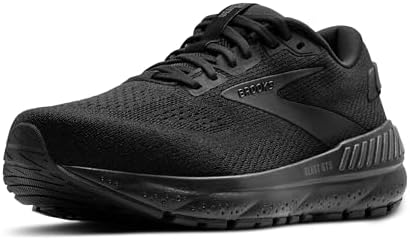
Brooks Beast GTS 24
Amazon Link: View on Amazon
Best For: Buyers who already know they need a stronger, more controlling support shoe.
Why It Stands Out: This is the shoe for people who have already learned that moderate support is not enough. The Beast GTS 24 leans fully into a maximum-support role with GuideRails support, nitrogen-infused DNA Loft v3 cushioning, and a clear walking-and-running identity. The APMA Seal of Acceptance and PDAC A5500 diabetic shoe notes also reinforce that this belongs in a more serious support lane.
Key Buying Details: Maximum-support running and walking sneaker; GuideRails support system; nitrogen-infused DNA Loft v3 cushioning; APMA Seal of Acceptance; PDAC A5500 diabetic shoe; positioned for maximum support and comfort.
Key Pros:
- Strong support identity in the shortlist
- Better match for buyers who need a more controlling shoe platform
- Credibility notes reinforce its place in the serious-support lane
Key Cons:
- Bulkier than more moderate daily-use picks
- Less appealing if you want a lighter or more casual sneaker feel
Good Fit If: You have used softer or more moderate shoes before and know they do not give you enough control.
Skip If: The shoe needs to feel lighter, easier, or less substantial for daily wear.
Bottom Line: This is the right kind of bulk when you genuinely need more support. If you do not, it can feel like too much shoe for errands, long days out, or general everyday use.
New Balance 990v6

Amazon Link: View on Amazon
Best For: Buyers who want a premium everyday sneaker that still feels structured for long wear.
Why It Stands Out: Some buyers do not want their most supportive shoe to look like a clinical support shoe. That is where the 990v6 earns its place. It blends all-day structure, ENCAP midsole support, and the kind of versatility that makes it easier to wear for work, travel, or long days on your feet. It is not the most explicitly orthotic-worded option here, but it makes more sense than the bulkier shoes when lifestyle wear matters just as much as support.
Price Position: Around $199.99 on the New Balance site in this research pass; check the latest listing for current pricing.
Key Buying Details: Premium lifestyle and running-inspired sneaker; ENCAP midsole cushioning for all-day support; suede and mesh build with pigskin-synthetic overlay references across sources; New Balance has a wide-width ecosystem, though exact 990v6 width options were not fully verified in this pass; practical orthotic fit reputation is strong, but removable-insole wording was not as directly verified here as with Brooks.
Key Pros:
- Premium support-lifestyle blend that works beyond exercise settings
- More natural all-day wear appeal than many obviously corrective shoes
- Good fit for buyers who care about structure without giving up versatility
Key Cons:
- Higher price position than the rest of the shortlist
- Orthotic-specific wording was less directly verified than the Brooks picks
Good Fit If: You want one premium sneaker that can cover supportive all-day wear without feeling limited to a walking or running lane.
Skip If: You want the clearest verified orthotic-friendly feature set and do not care about lifestyle versatility.
Bottom Line: This is the pick for buyers who want support to blend into normal daily life. It is easier to justify when you care about structure, comfort, and appearance all at the same time.
Skechers Arch Fit 2.0 Walking Shoe

Amazon Link: View on Amazon
Best For: Buyers who want a simpler, lower-cost walking shoe with removable-insole support.
Why It Stands Out: Not everyone needs a serious stability shoe. This one keeps the job simple: give you a walking sneaker with a removable supportive insole system and a more approachable price lane. That makes it a practical choice for daily walks, casual wear, or first-time orthotics users who want a shoe that can work with inserts without jumping straight to the heaviest support option.
Key Buying Details: Walking sneaker; Arch Fit removable supportive cushioning insole system; checked source confirms removable insole on the Amazon listing used; engineered mesh and vegan materials referenced on the Amazon listing; example source showed a 4E model listing.
Key Pros:
- Removable-insole setup makes it easier to pair with custom inserts
- Walking-shoe focus suits everyday comfort use
- Friendlier price lane than the premium and maximum-support picks
Key Cons:
- Not the strongest option for maximum stability needs
- Model consistency across the wider Arch Fit family can vary
Good Fit If: You want an everyday walking shoe with removable insole support and do not need a highly corrective platform.
Skip If: You need stronger control, deeper support, or the most locked-in stability feel.
Bottom Line: This is the practical choice when you want orthotic-friendly basics without paying for more shoe than your routine requires. It is easier to live with than the maximum-support options, but it is not trying to do the same job.
Brooks Ariel GTS 24

Amazon Link: View on Amazon
Best For: Women who want a more serious maximum-support option for walking or running.
Why It Stands Out: The Ariel gives this roundup a women-specific maximum-support lane instead of forcing every buyer into the same moderate-support answer. It uses GuideRails support and nitrogen-infused DNA Loft v3 cushioning, and it also carries APMA Seal of Acceptance and PDAC A5500 diabetic shoe notes. That makes it a more deliberate pick for buyers who already know a typical comfort sneaker is not enough.
Key Buying Details: Women’s maximum-support running and walking sneaker; GuideRails support system; nitrogen-infused DNA Loft v3 cushioning; APMA Seal of Acceptance; PDAC A5500 diabetic shoe; positioned for maximum support and comfort.
Key Pros:
- Strong women-specific maximum-support option
- Better suited to buyers who want more structure than a typical comfort sneaker
- Credibility notes reinforce its support-focused role
Key Cons:
- Heavier and more corrective-feeling than many casual users need
- Less appealing for shoppers who want a lighter everyday shoe
Good Fit If: You want more obvious support, are comfortable with a substantial shoe, and need more structure than moderate daily sneakers provide.
Skip If: You prefer lighter, less substantial, or more casual-feeling footwear.
Bottom Line: This is the women’s pick for buyers who want support to feel noticeable, not subtle. That is exactly why it works so well for some people and feels like overkill for others.
Best Sneakers for Orthotics by Use Case
- Best Overall: Brooks Adrenaline GTS 24
- Best for Stronger Support: Brooks Beast GTS 24
- Best Premium: New Balance 990v6
- Best Budget-Friendly Orthotic-Friendly Pick: Skechers Arch Fit 2.0 Walking Shoe
- Best Women’s Maximum-Support Pick: Brooks Ariel GTS 24
The better choice here depends less on brand loyalty and more on how much structure your orthotic setup actually needs. Some buyers need a balanced support shoe, some need a deeper and more controlling platform, and some simply need a walking sneaker that can take inserts without turning the fit into a fight.
Side-by-Side Comparison of the Top Picks
| Product | Best Use Case | Key Strengths / Ease of Use | Main Tradeoff / Value |
|---|---|---|---|
| Brooks Adrenaline GTS 24 View on Amazon | Balanced orthotic-friendly daily support | GuideRails structure with removable-insoles compatibility clearly stated | Best-balanced option, though not as control-heavy as maximum-support models |
| Brooks Beast GTS 24 View on Amazon | Stronger support needs | Most structured support identity in the shortlist | Excellent for serious support, but bulkier and less casual |
| New Balance 990v6 View on Amazon | Premium all-day lifestyle wear | Structured comfort and everyday versatility | Premium lane with higher price positioning and less direct orthotic wording |
| Skechers Arch Fit 2.0 Walking Shoe View on Amazon | Budget-friendly walking use | Simple removable-insole walking setup | Practical lower-cost option, but not the strongest for heavy correction |
| Brooks Ariel GTS 24 View on Amazon | Women’s maximum-support coverage | Strong support structure with added credibility notes | More serious and heavier than many everyday buyers need |
The clearest split is that Adrenaline is the best-balanced mainstream answer, Beast and Ariel are the stronger-support choices, 990v6 is the premium all-day lifestyle option, and Skechers Arch Fit 2.0 is the most practical lower-cost walking pick that still respects removable-insole needs.
What Actually Matters Before You Buy
Removable insoles matter more than soft-cushioning language. If you cannot remove the factory footbed, your orthotic may sit too high, crowd the upper, or create an unstable fit. That is one of the fastest ways to spend money on the wrong shoe.
Depth and width matter almost as much as support. Orthotics take up internal space. A shoe can sound supportive on paper and still fail in real use if the toe box, instep, or overall volume gets cramped once your insert is inside.
Stable shoes often work better than very soft neutral shoes. When an orthotic is already changing foot position, an overly soft shoe can make the setup feel less controlled instead of more comfortable. A steadier base is usually easier to manage.
Built-in arch support is not the same as orthotic compatibility. A comfort insole and a removable footbed solve different problems. For custom inserts, the shoe-plus-orthotic combination matters more than the stock insole story.
What Most Buyers Get Wrong
- Buying soft shoes that still cannot accommodate orthotics. Cushioning alone does not fix fit or internal-space problems.
- Assuming built-in arch support equals orthotic compatibility. That shortcut sends a lot of buyers into the wrong category.
- Ignoring width and depth once inserts take up internal volume. A good orthotic can still feel bad in the wrong shoe.
- Paying premium prices for style-first sneakers with weak support structure. A supportive-looking shoe is not always a good orthotic partner.
- Choosing maximum-support bulk when moderate support would be easier to wear daily. More shoe is not always a better shoe.
Safety and Expectation Notes
These shoes are best framed as orthotic-friendly sneakers that may better accommodate inserts and support needs. They are not medical treatment and they are not guaranteed pain solutions.
Comfort with orthotics depends on the shoe-plus-insert combination, not the shoe alone. That is why removable insoles, stable structure, and interior fit matter so much in this category.
This roundup is for product comparison only and is not medical advice. If your orthotics were prescribed for a specific condition or fit issue, it makes sense to match your shoe choice to that guidance instead of relying on shoe marketing alone.
How to Use Orthotic-Friendly Sneakers at Home
Start by removing the factory insole before judging whether your orthotic fits. Full-length inserts usually should not be stacked on top of a non-removable footbed, because that can crowd the shoe and distort the fit.
Focus first on removable insoles, secure heel fit, and enough internal depth. Once those are in place, then it makes sense to compare cushioning feel and decide whether you want moderate support or a more controlling maximum-support shoe.
For many buyers, a stability shoe is the better starting point than a very soft neutral shoe when orthotics are already part of the setup. And if your insert takes up a lot of room, checking width and volume early will save more money than obsessing over arch language later.
How We Chose These Picks
We built this roundup from the verified shortlist in the handoff, using clearly stated orthotic compatibility, removable-insole details where verified, support type, cushioning identity, walking versus running positioning, and the practical tradeoffs between balanced support, maximum support, premium lifestyle use, and lower-cost walking comfort.
We also sorted the shoes by buyer fit rather than by marketing alone. That includes people who need one dependable orthotic-friendly daily shoe, buyers who know they need stronger control, shoppers who want more lifestyle versatility, and buyers looking for a simpler walking shoe that still works better with inserts.
Because buyer feedback themes were not confidently verified in this pass, we did not make detailed claims about review consensus. We also avoided overstating width availability, unverified pricing, or guaranteed outcomes from any shoe-plus-orthotic combination.
Final Verdict
For most buyers, Brooks Adrenaline GTS 24 is the best overall choice because it covers the core orthotic-friendly requirements without drifting into unnecessary bulk. It is the cleanest mix of support, daily usefulness, and clearly stated custom-orthotics compatibility in this roundup.
If you know you need more control, Brooks Beast GTS 24 is the stronger support answer. If you want a premium everyday sneaker with a more versatile lifestyle feel, New Balance 990v6 earns that lane. If budget and simple walking use matter more, Skechers Arch Fit 2.0 Walking Shoe is the easiest lower-cost place to start.
And for women who want a more serious support-focused option, Brooks Ariel GTS 24 gives the shortlist a strong maximum-support choice without pretending every orthotics user needs the same level of structure.
FAQ
What makes a sneaker good for orthotics?
The most important things are removable insoles, enough internal depth, stable structure, and a secure heel fit. Those factors usually matter more than generic comfort marketing.
Are stability shoes better than neutral shoes for orthotics?
Often, yes. When an orthotic already changes foot position, a more stable shoe platform can make the overall setup feel more controlled than a very soft neutral shoe.
Can I put orthotics into any sneaker with arch support?
Not always. Built-in arch support does not automatically mean the shoe has the right removable footbed, depth, or width for your insert.
Should I size up for orthotics?
Not automatically. The better move is to look for enough depth, width, and internal volume first, because sizing up alone does not always fix poor orthotic fit.
Are Brooks shoes good for orthotics?
In this roundup, the Brooks models stand out because support structure is a clear part of their identity, and the Adrenaline GTS 24 specifically had removable-insoles compatibility for custom orthotics clearly stated.
Is New Balance 990v6 good for orthotics?
It can be a strong premium everyday option for buyers who want structured all-day wear. Just note that its orthotic-specific wording was less directly verified here than with the Brooks pick.