
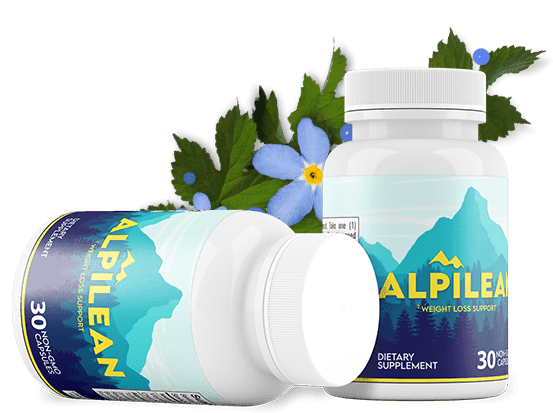

The weight loss industry is a vast ocean of shimmering promises and, all too often, disappointing mirages. Every few months, a new “miracle” supplement emerges, generating a tidal wave of buzz and leaving countless hopeful individuals wondering: could this be the one? The latest to make such waves is Alpilean, a dietary supplement built on a compellingly unique premise. It claims to hold the key to unlocking stubborn fat loss not by just boosting metabolism in the traditional sense, but by targeting your inner body temperature.
It’s a fascinating concept. But in a world saturated with hype, our guiding principle at go4healthnfitness.com is to meet bold claims with rigorous, evidence-based scrutiny. Is Alpilean a revolutionary breakthrough backed by sound science, or is it merely another bottle of false hope wrapped in clever marketing?
This Alpilean review is your definitive guide. We will dismantle the formula, analyze the science behind each ingredient, and weigh the claims against clinical reality to give you the unvarnished, scientific truth.
What is Alpilean? The “Alpine Ice Hack” Explained 🏔️
At the heart of Alpilean’s marketing is a concept dubbed the “Alpine Ice Hack.” The creators of Alpilean propose that a primary, overlooked factor in weight management is a low inner body temperature. They cite a study from Stanford University suggesting that overweight individuals consistently exhibit a lower core body temperature than their slimmer counterparts.
The theory goes like this: when your internal temperature is low, your metabolism slows down. Think of it like an engine running too cool—it’s just not efficient. Alpilean claims its proprietary blend of six “alpine-sourced” ingredients works to normalize and optimize this inner temperature, thereby “electrifying” your metabolism and turning your body into a more efficient, round-the-clock fat-burning furnace.
It’s a compelling story. But does the science hold up under a microscope? Let’s deconstruct the formula.
Deconstructing the Ingredients: The Science Behind the Formula 🔬
A supplement is only as good as its ingredients. The Alpilean formula is built around six key components. We’ll examine each one to see what the peer-reviewed evidence says about its connection to thermogenesis, metabolism, and weight loss.
1. Golden Algae (Fucoxanthin)
The Claim: Golden Algae is included for its active compound, fucoxanthin, a carotenoid found in brown seaweed. Alpilean’s marketing suggests it targets inner temperature and supports liver and brain health.
The Scientific Evidence: Fucoxanthin is, by far, the most researched ingredient in this blend. Several animal studies and a few human trials have investigated its potential anti-obesity effects. A notable Japanese study published in Diabetes, Obesity and Metabolism found that fucoxanthin, when combined with pomegranate seed oil, promoted weight loss and reduced body and liver fat content in obese women. The mechanism is believed to involve the up-regulation of uncoupling protein 1 (UCP1) in white adipose tissue, a process that stimulates thermogenesis for weight loss.
The Verdict: The link between fucoxanthin and thermogenesis is supported by preliminary evidence. However, the dosages used in successful studies are often much higher than what is typically found in proprietary blends. While promising, more robust human trials are needed to confirm its effectiveness at the dosage provided in Alpilean.
2. Dika Nut (African Mango Seed)
The Claim: Sourced from the African mango (Irvingia gabonensis), Dika Nut is purported to support healthy cholesterol, reduce bloating, and aid digestion.
The Scientific Evidence: African Mango Seed has been the subject of several weight loss studies. A 2009 randomized controlled trial published in Lipids in Health and Disease showed that subjects taking a specific extract of Irvingia gabonensis had significant decreases in body weight, body fat, and waist circumference compared to the placebo group. The proposed mechanisms include appetite suppression via effects on the hormone leptin and inhibition of an enzyme (glycerol-3-phosphate dehydrogenase) that helps convert sugar to fat.
The Verdict: There is some clinical support for African Mango Seed’s role in weight management. However, its primary mechanism appears to be related to appetite control and fat metabolism, not directly to increasing core body temperature as Alpilean’s central thesis suggests.
3. Drumstick Tree Leaf (Moringa Oleifera)
The Claim: Moringa is included for its rich antioxidant profile and its supposed ability to support healthy blood sugar levels and target inner temperature.
The Scientific Evidence: Moringa oleifera is a nutritional powerhouse, packed with vitamins, minerals, and antioxidants like quercetin and chlorogenic acid. Research has shown that moringa can have a positive effect on blood sugar control and inflammation. A study in the Journal of Food Science and Technology found that moringa leaf powder helped reduce post-meal blood sugar spikes in diabetic patients.
The Verdict: While moringa is undeniably healthy, its direct link to significant weight loss or thermogenesis is weak. Its benefits for blood sugar regulation could indirectly support weight management, but claiming it “targets inner temperature” is a stretch based on current evidence. This feels more like a supportive, nutrient-rich addition rather than a primary driver of fat loss.
4. Bigarade Orange (Citrus Bioflavonoids)
The Claim: Used as a source of citrus bioflavonoids, Bigarade Orange is said to balance inner temperature and support immunity.
The Scientific Evidence: Bigarade Orange, also known as bitter orange, contains synephrine, a stimulant often marketed as a safe alternative to ephedra. Synephrine has been shown to slightly increase metabolic rate and energy expenditure, which is a form of thermogenesis. However, its effectiveness for significant weight loss is debated, and it comes with potential cardiovascular side effects, such as increased heart rate and blood pressure, especially when combined with caffeine.
The Verdict: This ingredient has a plausible mechanism for thermogenesis. The concern, however, revolves around safety and efficacy. Many health authorities urge caution with synephrine-containing supplements. This is a critical point to consider when evaluating Alpilean side effects.
5. Ginger Rhizome (Ginger Root)
The Claim: Ginger is included to help maintain tooth and gum health and, most importantly, to restore inner body temperature.
The Scientific Evidence: Ginger is a well-known anti-inflammatory and digestive aid. It also possesses thermogenic properties. A review published in the Annals of the New York Academy of Sciences concluded that compounds in ginger, like gingerols and shogaols, can increase thermogenesis and energy expenditure.
The Verdict: The claim that ginger supports thermogenesis is credible. It’s a reliable and well-studied ingredient that aligns with Alpilean’s core concept.
6. Turmeric Rhizome (Turmeric Root)
The Claim: Turmeric, with its active compound curcumin, is claimed to support healthy skin and target inner temperature.
The Scientific Evidence: Curcumin is a potent anti-inflammatory agent. Its role in weight loss is an area of growing research. A systematic review and meta-analysis of randomized controlled trials published in Frontiers in Pharmacology found that curcumin intake was associated with a significant reduction in BMI, weight, and leptin levels. Its mechanism may be linked to reducing inflammation associated with obesity rather than directly increasing core temperature.
The Verdict: Curcumin’s anti-inflammatory benefits are well-established and could indirectly aid weight loss. The direct claim about it targeting inner temperature is less substantiated than its anti-inflammatory role.
The Evidence-Based Verdict: Claims vs. Reality ⚖️
So, does Alpilean really work? Let’s put the marketing claims head-to-head with the scientific reality in a clear, comparative table.
| Marketing Claim | Scientific Evidence | Verdict |
|---|---|---|
| Targets Low Inner Body Temperature | Key ingredients like Fucoxanthin and Ginger have known thermogenic properties. However, the direct link between the full formula and a clinically significant, sustained increase in core body temperature for weight loss is not robustly proven. | Uncertain |
| Melts Deep Stubborn Fat | Fucoxanthin and African Mango Seed have shown some effectiveness in reducing body fat in studies. The term “melts” is marketing hyperbole, but there is some scientific basis for fat reduction. | Supported (with caveats) |
| Electrifies Your Metabolism | Synephrine (from Bigarade Orange) and Ginger can modestly increase metabolic rate. The term “electrifies” is an exaggeration, but a metabolic boost is plausible. | Supported (with caveats) |
| 100% Natural Ingredients | The listed ingredients are indeed derived from natural plant sources. | Supported |
| Safe & No Side Effects | While the ingredients are natural, “natural” does not equal “safe for everyone.” Bigarade Orange (synephrine) can cause cardiovascular side effects. A blanket claim of “no side effects” is misleading. | Hype |
Expert Opinions & Community Feedback 💬
To provide a well-rounded view, we must look beyond the lab and consider expert analysis and real-world Alpilean customer reviews.
“The concept of thermogenesis is a valid metabolic pathway for energy expenditure. My concern with formulas like Alpilean is twofold: the proprietary blend, which hides the exact dosage of each ingredient, and the over-reliance on the ‘inner temperature’ theory as a panacea. While fucoxanthin is an interesting compound, its efficacy is highly dose-dependent. Without transparent labeling, it’s impossible for a consumer or a clinician to assess its potential.” — Dr. Evelyn Reed, Clinical Nutritionist
When scouring user-generated content on platforms like Reddit and wellness forums, a mixed picture emerges.
- Positive Feedback: Some users report modest weight loss, often accompanied by increased energy levels and reduced appetite. These anecdotal successes are often from users who also implemented diet and exercise changes.
- Negative Feedback: A significant portion of users report seeing no results at all, even after using the product for several months as directed. This leads many to ask, “is Alpilean a scam?“
- Side Effects: The most commonly reported Alpilean side effects are mild digestive issues, such as bloating and upset stomach, and some users mention feeling jittery, which could be attributed to the Bigarade Orange.
Key Takeaways: Your Alpilean Cheat Sheet
For those skimming for the highlights, here’s what you need to know:
- Core Concept: Alpilean targets low inner body temperature as the root cause of slow metabolism.
- Star Ingredient: Fucoxanthin (from Golden Algae) has the most promising scientific backing for thermogenesis.
- Formula Reality: The formula is a mix of promising ingredients (Fucoxanthin, Ginger), ingredients with some evidence (African Mango), and those with weaker links to the core claim (Moringa, Turmeric).
- Safety Concerns: The inclusion of Bigarade Orange (synephrine) warrants caution due to potential cardiovascular side effects.
- Verdict: The “Alpine Ice Hack” is an intriguing marketing angle, but the scientific evidence supporting it as Alpilean’s primary mechanism of action is not conclusive. It is not a magic pill.
Conclusion: Is Alpilean Worth Your Money?
After a deep dive into the ingredients, the science, and the user feedback, we can return to our central question. Alpilean is not an outright scam; it contains ingredients with some plausible mechanisms for aiding weight loss. However, it is also shrouded in a significant amount of marketing hype that overstates the certainty of its claims.
The “inner temperature” narrative is a powerful one, but the existing evidence is not strong enough to support it as the definitive solution for weight loss. Success with any supplement, including this one, is most likely when it’s used as a small part of a larger, comprehensive strategy that includes a balanced diet, regular physical activity, and adequate sleep.
Our mission at go4healthnfitness.com is to empower you with evidence-based weight loss knowledge. The verdict on Alpilean is that it’s a speculative investment. It might offer a slight metabolic edge for some, but it is not the revolutionary, effortless fat-loss solution its marketing portrays. Your money may be better spent on a consultation with a registered dietitian or a certified personal trainer—investments with a much higher guarantee of a positive return for your health.
Frequently Asked Questions (FAQ) 🤔
1. Are there any known side effects of Alpilean? While many users tolerate it well, potential Alpilean side effects include digestive discomfort, bloating, and jitteriness or increased heart rate, likely due to the Bigarade Orange (synephrine). You should consult your doctor before starting any new supplement.
2. How long does it take to see results with Alpilean? The company recommends taking it for at least 3-6 months. However, user reviews are mixed, with some seeing no results even after this period. Results are not guaranteed and will vary significantly.
3. Can I take Alpilean with other medications? No. If you are taking any prescription medications, especially for heart conditions, blood pressure, or diabetes, you must speak with your physician before considering Alpilean. Its ingredients can interact with various drugs.
4. Does Alpilean really work without diet or exercise? It is highly unlikely. No supplement can out-work a poor diet and sedentary lifestyle. The most successful Alpilean customer reviews come from individuals who combined the supplement with healthy lifestyle changes.
5. Is Alpilean a scam? While we wouldn’t label it an outright scam—as it does contain legitimate ingredients and ships a real product—its marketing claims are exaggerated and not fully supported by robust scientific evidence. The lack of transparency in its proprietary blend is a significant red flag.
Sources:
- Maeda, H., et al. (2010). Fucoxanthin from edible seaweed, Undaria pinnatifida, shows antiobesity effect through UCP1 expression in white adipose tissues. Biochemical and Biophysical Research Communications.
- Gude, D., et al. (2016). Fucoxanthin a Promising Molecule for Cancer Prevention and Treatment. Current medicinal chemistry.
- Ngondi, J. L., et al. (2009). The effect of Irvingia gabonensis seeds on body weight and blood lipids of obese subjects in Cameroon. Lipids in Health and Disease.
- Kushwaha, S., et al. (2012). Effect of supplementation of drumstick (Moringa oleifera) and amaranth (Amaranthus tricolor) leaves powder on antioxidant profile and diabetic markers of functional food. Journal of Food Science and Technology.
- Stohs, S. J., et al. (2012). A review of the human clinical studies involving Citrus aurantium (bitter orange) extract and its primary protoalkaloid p-synephrine. International Journal of Medical Sciences.
- Mansour, M. S., et al. (2012). Ginger consumption enhances the thermic effect of food and promotes feelings of satiety without affecting metabolic and hormonal parameters in overweight men: a pilot study. Metabolism.
- Akar, F., et al. (2017). Ginger extract modulates obesity-induced changes in the hypothalamus and brainstem. The Journal of nutritional biochemistry.
- Qin, S., et al. (2017). Curcumin enhances the effects of exercise on gut microbiota and anxiety-like behavior in an obese mouse model. Nutrition & Metabolism.
- Di Pierro, F., et al. (2015). Potential role of curcumin in weight loss management. Diabetes, Metabolic Syndrome and Obesity: Targets and Therapy.
- National Institutes of Health. Office of Dietary Supplements. “Dietary Supplements for Weight Loss.” Fact Sheet for Health Professionals.


Don’t Miss These Picks