
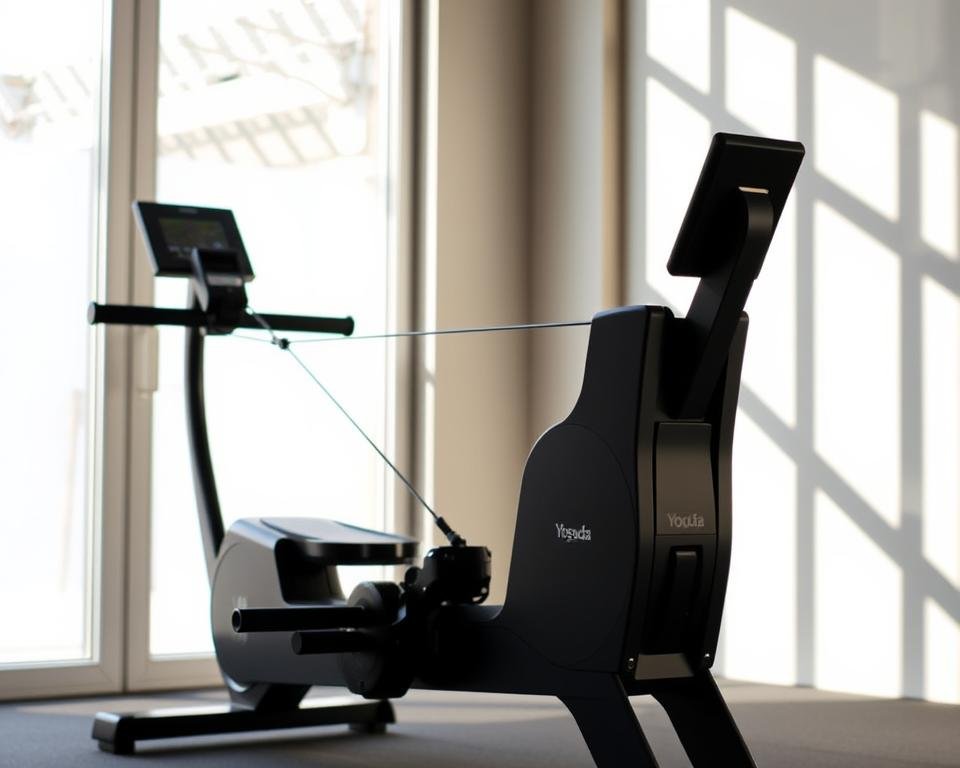

The YOSUDA magnetic rower is most interesting for buyers who want a home rowing machine with a manufacturer-rated 350 lb maximum user capacity and magnetic resistance. That combination can make it worth considering for larger users who want straightforward home cardio without stepping into a much more expensive performance-focused machine.
But the 350 lb number should not decide the purchase by itself. A maximum user-weight rating does not tell you whether the rail length fits your legs, whether the seat and foot position feel suitable for your body, how stable the machine will feel near its stated limit, or whether its resistance and workout data are sufficient for your training goals.
There is another complication: the current YOSUDA H-185 lineage differs from the older specification set commonly associated with this rower. The currently identified version is presented as the Yosuda Series RM3 and lists a 350 lb maximum capacity, a 50.2-inch rail and 16 resistance levels. That makes it important to judge the current machine by its current specifications rather than relying on older listings.
Quick Verdict
Worth considering: Yes, if your priorities are a higher stated user capacity, magnetic resistance and general home rowing. Not ideal: if you need advanced performance data, confidently verified current marketplace availability or precise fit guidance for very tall or larger users.
Key Takeaways
- The current manufacturer information lists a 350 lb maximum user capacity, but that rating alone does not prove comfort, stability or long-term durability near the limit.
- The currently identified H-185/RM3 configuration lists a 50.2-inch rail and 16 resistance levels, which differs from older versions of the article and older product information.
- Magnetic resistance makes sense for buyers who prefer a smoother, quieter home-workout format rather than the sound and feel of an air rower.
- The YOSUDA is better suited to general home cardio and beginner-to-intermediate training than buyers who want detailed pace, power and structured performance data.
- Physical fit, rail travel, room size, storage needs and monitor expectations matter just as much as the headline weight capacity.
- The exact reviewed YOSUDA configuration could not be cleanly matched to a currently verified Amazon listing, so buyers should confirm the exact model before purchasing.
YOSUDA Magnetic Rower: Current Product Snapshot
| Feature | Current Verified Detail | Why It Matters |
|---|---|---|
| Model lineage | YOSUDA Rowing Machine 100 / H-185, now represented as Yosuda Series RM3 | Older specifications should not automatically be applied to the current version. |
| Resistance | Magnetic, 16 levels | Useful for general home rowing and adjustable workout intensity. |
| Maximum user weight | 350 lb manufacturer-rated maximum | Relevant for larger users, but not a complete fit or durability assessment. |
| Rail | 50.2 inches | Important for leg travel and overall fit. |
| Flywheel | 14 lb | Part of the resistance system, though flywheel weight alone does not define workout quality. |
| Connectivity | FED Fitness/Kinomap support | The current version should not be described as having no app connectivity. |
| Warranty | 1 year | Useful when comparing ownership support. |
| Current manufacturer status | Sold out during verification | Availability should be confirmed before making a buying decision. |
350 lb Weight Capacity: What It Really Tells You
The 350 lb figure is useful because it tells you the maximum user weight stated by the manufacturer. It can help narrow your search if you need more capacity than many entry-level rowing machines provide.
What it does not tell you is equally important. A maximum rating is not the same as proof that every person close to that number will experience the same stability, comfort, rail fit or long-term durability.
A buyer weighing 320 lb, for example, should not stop at “the machine is rated for 350 lb.” The better question is whether the complete machine fits that person’s body size and training style. Seat size, mounting comfort, foot position, rail travel, floor stability and the way the machine moves under harder strokes all matter.
This distinction is especially important because there is no verified independent evidence here showing how the YOSUDA performs for every user near its maximum rating. The 350 lb number should therefore be treated as a manufacturer specification rather than a guarantee about real-world comfort or lifespan.
Resistance and Workout Feel
The current H-185/RM3 information lists 16 levels of magnetic resistance. That gives buyers more adjustment range than the older 10-level specification sometimes associated with previous versions of this rower.
Magnetic resistance is generally attractive for home use because it does not rely on the same airflow-based mechanism used by an air rower. For many households, that can make it a more natural fit when lower mechanical noise is a priority.
That does not automatically mean the YOSUDA is the right choice for performance training. Resistance levels tell you that adjustment is available, but they do not tell you how closely the workout feel resembles rowing on a performance-oriented ergometer or how useful the machine will be for structured pace and power training.
If your goal is steady cardio, interval sessions based on time or strokes, or general home exercise, the resistance system may be sufficient. If you train around precise splits, power targets and repeatable performance data, the monitor and training ecosystem matter much more.
Fit, Rail Length, Seat and Foot Position
The current manufacturer information lists a 50.2-inch rail. That is a useful starting point, but rail length should not be converted into a guaranteed height recommendation unless the manufacturer gives one for the exact model.
Taller and larger users should look beyond body weight. Leg length, hip position, foot placement and how much room you need at the back of the stroke can all affect whether a rower feels usable.
The same is true for seat and foot comfort. A machine can technically support a person’s body weight while still feeling cramped or awkward in actual use. Buyers near the upper end of the weight range should be especially cautious about assuming that capacity and fit are the same thing.
Monitor and Performance Tracking
The current YOSUDA configuration includes app-related connectivity through FED Fitness/Kinomap support. That is an important correction to older descriptions that treated the rower as having no app connectivity.
What should matter to you is not simply whether an app exists, but whether the machine gives you the data you actually use.
For casual home workouts, basic tracking can be enough. Time, stroke count and general session tracking may cover what many beginner or intermediate users need.
Performance-focused rowers tend to care about more: pace, split time, stroke rate, power, distance consistency, stored workouts and comparable results across sessions. If those metrics are central to your training, a more advanced monitor can be a better reason to spend more than a higher resistance-level count.
Noise, Storage and Home-Use Practicality
Magnetic resistance is one of the main reasons this YOSUDA remains appealing for home users. It suits buyers who want a rowing machine that fits into a living area, bedroom or shared home environment without choosing an air-resistance design.
Still, do not assume “magnetic” means silent. Seat rollers, the chain or belt mechanism, frame movement and general machine operation can still create sound.
Space deserves the same attention. Before buying any rower, measure the room in its full operating position rather than judging only by how compact the machine looks in product photos.
Also consider where you will stand while getting on and off the machine. A rower needs practical clearance around it, not just enough floor space to physically fit the frame.
Who the YOSUDA Rower Is Best For
The YOSUDA makes the most sense for buyers who want a straightforward magnetic rower and place meaningful value on the manufacturer’s 350 lb capacity rating.
- Home exercisers who want general cardio rather than advanced rowing analytics.
- Buyers who prefer magnetic resistance to an air-resistance design.
- Larger users who need more stated capacity than many basic magnetic rowers provide.
- Beginner or intermediate users who care more about consistency and convenience than competitive rowing data.
- Buyers willing to verify the exact current model and availability before purchasing.
Who Should Consider Something Else
You may be better served by another rower if your priorities are more specialized.
- You want advanced performance data: A more training-focused monitor may matter more than extra resistance levels.
- You need guaranteed fit guidance: The current YOSUDA information does not provide enough verified detail to promise suitability for a specific tall-user height.
- You are very close to the 350 lb maximum: Capacity alone does not confirm comfort, stability or long-term suitability for your body size.
- You need easy current marketplace availability: The exact reviewed configuration was not cleanly verified on Amazon, and the manufacturer’s current page showed sold-out status during verification.
- You want structured rowing training: A performance-oriented ergometer may better match your goals.
Buyer-Fit Checklist
Use this sequence before deciding whether the YOSUDA is right for you.
- Start with capacity. Confirm that your body weight is below the manufacturer’s current limit, but do not stop there.
- Check physical fit. Compare your leg length and body size with the verified rail dimensions and any current manufacturer fit guidance.
- Define your training style. Decide whether you want general cardio or structured performance training.
- Review the monitor. Make sure it tracks the metrics you actually care about.
- Measure your room. Account for the machine’s operating footprint and clearance around it.
- Think about noise. Magnetic resistance may suit shared living spaces better than air resistance, but no rowing machine is completely silent.
- Check current availability. Verify the exact model before buying so you do not accidentally purchase a different YOSUDA variant with different specifications.
This framework is more useful than simply asking whether the rower “supports 350 lb.” Capacity gets you into the right category; fit and training requirements determine whether the machine actually suits you.
The following options solve different buyer problems. Neither should be treated as an identical replacement for the YOSUDA.
Sunny Health & Fitness Smart Magnetic Rower
The Sunny model is worth considering if you still want magnetic resistance but do not need the YOSUDA’s higher stated capacity. Its official maximum user weight is 250 lb, so it belongs in a different capacity category.
It uses eight magnetic resistance levels and has a 53.4-inch slide rail with a 48.4-inch slide rail inseam. Its onboard monitor covers calories, count, time, total count and scan. That makes it a simpler fit for home exercisers who want straightforward session tracking rather than a performance-data platform.
- 【SMOOTH & STABLE DUAL-TRACK】The dual-track design keeps your motion aligned and steady, so every row feels controlled and natural. No wobble—just a clean, consistent rowing experience.
- 【AI-POWERED SUNNYFIT APP CONNECTIVITY 】Pair your rower with the free SunnyFit app to access scenic routes, real-time metrics, trainer-led sessions, and AI-generated personalized plans based on your body index.
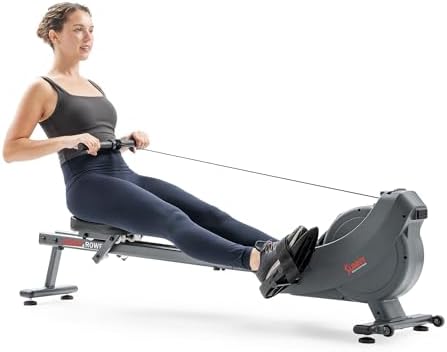
The main tradeoff is capacity. A buyer attracted to the YOSUDA specifically because of its 350 lb rating should not treat the Sunny rower as a capacity-equivalent substitute.
Concept2 RowErg
The Concept2 RowErg belongs in a different category. It uses air resistance and is aimed much more clearly at buyers who care about repeatable workout measurement, training data and structured rowing sessions.
Its PM5 monitor, ErgData support and Bluetooth/ANT+ capability provide a stronger performance-tracking ecosystem than the basic-monitor category. The standard model is approximately 96 inches long and 24 inches wide with a 54-inch monorail, so room size deserves careful consideration.
- Integrated Device Holder allows you to keep your Smart Phone or Tablet securely in place. Compatible with over 40+ apps.
- 14-inch seat height fits most uses. Adjustable footrests and ergonomic handle

The tradeoff is obvious: air resistance has a different sound and workout feel, and the RowErg sits in a much higher purchase tier. It makes more sense for buyers who value training data and long-term performance tracking than for someone simply looking for quiet, basic home cardio.
Is the YOSUDA Rower Worth Buying?
The YOSUDA H-185/RM3 is worth considering if its current specifications match what you need: magnetic resistance, a manufacturer-rated 350 lb maximum user weight and a straightforward home-rowing format.
The strongest reason to look at it is not simply that “350 lb is better than 250 lb.” The real advantage is that the higher rating expands the range of buyers who can consider the machine in the first place.
The limitation is that the exact reviewed configuration is harder to evaluate as a current purchase because older specifications and current manufacturer details do not fully match, and the exact Amazon version could not be cleanly verified.
That means this is not a product to buy from an old specification table alone. Confirm the exact model, current rail dimensions, resistance setup, connectivity, warranty and availability before purchasing.
If your priority is a quieter magnetic setup and higher stated capacity, the YOSUDA remains relevant. If your priority is detailed performance data, structured rowing workouts or a more established training ecosystem, a machine such as the Concept2 RowErg may make more sense. If you do not need more than a 250 lb capacity and prefer a simpler magnetic option, the Sunny model is another route to compare.
Frequently Asked Questions
What is the current YOSUDA maximum user weight?
The current manufacturer information for the H-185/RM3 lineage lists a 350 lb maximum user capacity. That number should be treated as a manufacturer specification, not proof that every person near 350 lb will have the same fit, comfort or long-term experience.
Did the YOSUDA specifications change?
Yes. Older information associated with the Rowing Machine 100 referenced a 49.2-inch slide length and other specifications that do not cleanly match the current H-185/RM3 configuration. The current manufacturer information lists a 50.2-inch rail and 16 resistance levels.
Is the 350 lb capacity enough information to know whether the rower will fit me?
No. Also check rail travel, your leg length, seat and foot position, room clearance, training style and how close you are to the machine’s stated maximum.
Is the YOSUDA suitable for taller users?
The available verification does not support a reliable height claim for the current configuration. Taller buyers should compare their inseam and leg travel with the current rail dimensions rather than relying on an old generic height recommendation.
Is magnetic resistance good for home workouts?
It can be. Magnetic resistance is often attractive for general home use because it avoids the airflow mechanism used by air rowers and can suit people who prioritize a quieter workout environment. The more important question is whether the machine provides enough resistance and tracking for your training style.
Is rowing considered low-impact cardio?
Rowing is commonly used as a seated form of cardiovascular exercise with lower impact than activities such as running. Cleveland Clinic includes rowing as a low-impact cardio exercise, while also making clear that proper technique and individual health considerations still matter.
Is the Sunny magnetic rower a direct replacement for the YOSUDA?
No. It uses magnetic resistance, but its official 250 lb maximum user weight is substantially lower than the YOSUDA’s current 350 lb manufacturer rating. It makes more sense for buyers who do not need the extra capacity.
How is the Concept2 RowErg different?
The Concept2 uses air resistance and focuses much more heavily on workout measurement through the PM5 monitor and ErgData ecosystem. It suits buyers who care about structured training and detailed performance data more than quiet magnetic operation or lower upfront cost.
Final Verdict
The YOSUDA’s 350 lb manufacturer-rated capacity is a meaningful specification, but it should be the start of the buying decision rather than the end of it.
Choose it only after confirming that the current H-185/RM3 configuration fits your body size, room, resistance expectations and data needs. The machine is most appealing for general home exercisers who want magnetic resistance and more stated capacity than many entry-level models provide.
If you are near the upper end of that capacity, need precise fit guidance or want advanced performance metrics, compare other options before buying. That approach gives the 350 lb figure the right amount of importance without treating it as proof of overall suitability.


Don’t Miss These Picks