
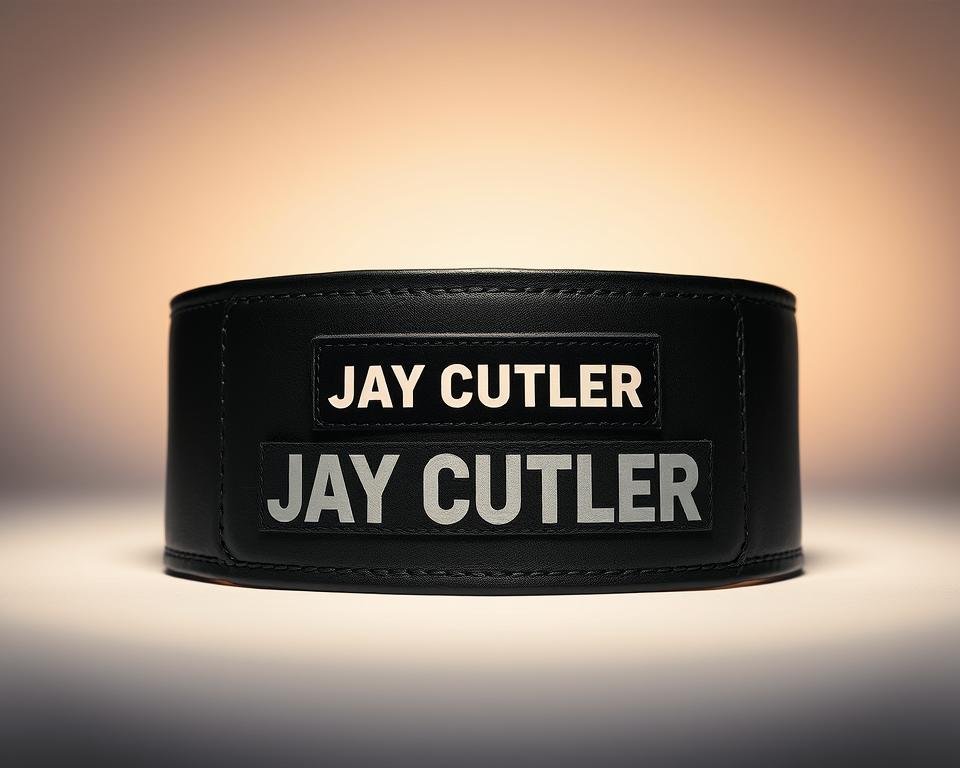

The currently verifiable Jay Cutler lifting belt is not the 10mm lever belt it is sometimes described as. The Jay Cutler/Schiek J2014 is a traditional genuine-leather lifting belt with a 4-inch back, tapered sides and front, a padded back panel, and a double-prong stainless-steel buckle.
That distinction changes the buying decision. The J2014 makes the most sense for bodybuilders and general strength trainees who want a classic leather belt with substantial back coverage. It is a less obvious choice for someone specifically shopping for a rigid, uniform-width lever belt or equipment for sanctioned powerlifting competition.
It can still be used for powerlifting-style training, but training suitability and competition eligibility are separate questions. Competitive lifters should confirm their exact belt against their federation’s current equipment rules before buying.
Key Takeaways
- The verified J2014 is a double-prong leather belt, not a 10mm lever belt. Its construction and buying proposition are therefore quite different from a dedicated leather powerlifting lever belt.
- It is better suited to traditional strength and bodybuilding use than to buyers specifically seeking competition equipment. Its exact IPF approval status was not verified.
- The 4-inch back tapers toward the front. That may appeal to lifters who want broad rear support without wearing a uniform 4-inch belt around the entire torso.
- The double-prong buckle trades speed for a traditional closure. Lifters who frequently change belt tightness or want quicker on/off use may prefer a quick-lock or lever-style design.
- A lifting belt can affect bracing mechanics, but it should not be treated as injury-proofing. Research has found changes in intra-abdominal pressure and trunk mechanics with belt use, which is different from proving that belts prevent back injuries.
Jay Cutler J2014 Lifting Belt Snapshot
| Feature | Verified Detail |
|---|---|
| Model | J2014 Jay Cutler Signature Leather Belt |
| Material | Genuine leather |
| Back width | 4 inches |
| Shape | Wider back with tapered sides/front |
| Closure | Double-prong stainless-steel buckle |
| Back panel | Padded |
| Verified size range | Approximately XXS 20-24 inches through XXL 44-50 inches, based on the current manufacturer sizing chart |
| Verified thickness | Not established |
| Amazon availability | No qualifying current Amazon listing was confidently verified |
| IPF approval | Not verified for this exact model |
The most important point in that table is what is missing as much as what is present. There is no verified basis here for calling the J2014 a 10mm belt, describing it as a lever belt, or assuming that it is approved for competition simply because it is designed for strength training.
What This Belt Is Designed For
The J2014 follows a traditional bodybuilding and general lifting-belt format: leather construction, a wide rear section, padding behind the back, tapered sides, and a prong buckle. It is therefore better evaluated as a classic training belt than as a dedicated competition-style powerlifting belt.
For a lifter who likes the feel and appearance of a conventional leather belt, that can be appealing. The tapered shape also creates a different fit from a uniform-width powerlifting belt. Instead of maintaining the same height around the entire torso, the belt narrows as it comes around the sides and front.
That design difference matters more than celebrity branding. The practical question is whether you want a traditional leather belt that provides substantial rear coverage or a more rigid, competition-oriented design with a uniform profile and different closure system.
What the Verified Features Mean in Practice
4-Inch Back With a Tapered Front
A 4-inch rear section gives the J2014 substantial coverage across the lower back, while the tapered construction reduces the amount of belt material wrapping around the sides and abdomen.
This is not automatically better or worse than a uniform-width belt. Lifters with shorter torsos may find a tall, rigid belt uncomfortable if it crowds the ribs and hips, while others prefer as much circumferential surface as possible for bracing. The J2014 takes the more traditional tapered-belt approach.
Double-Prong Buckle
The double-prong buckle is another defining feature. Unlike a lever, it does not lock into one predetermined setting. You choose the appropriate holes each time you tighten the belt.
That can be useful if you want some flexibility in tightness between exercises or training days. The tradeoff is convenience: threading and securing two prongs usually takes more effort than closing a quick-lock system or flipping a lever.
Neither system is universally superior. A lever favors repeatable positioning and quick closure. A prong buckle gives you straightforward hole-by-hole adjustment without needing a separate mechanism.
Leather and Padding
The J2014 uses genuine leather and includes a padded rear panel. That separates it from lighter nylon or neoprene gym belts, which are typically chosen by lifters who prioritize flexibility, lower bulk, and quicker adjustment.
What cannot be established from the verified information is exactly how stiff the J2014 feels, how long it takes to soften with use, or how it compares with thicker powerlifting belts. Those characteristics should not be assumed simply because the belt is made from leather.
Bracing and Support: What a Lifting Belt Can Actually Do
A lifting belt gives the torso a firm surface to brace against during loaded movements. Research has found that wearing a belt can change intra-abdominal pressure during heavy lifting. One study examining lifting belts and intra-abdominal pressure found measurable pressure differences when subjects lifted with a belt.
Other research on lifting belts and trunk mechanics has examined changes in trunk pressure, muscle activity, and stiffness. These findings help explain why lifters often use belts during demanding strength work.
They do not establish that a belt makes the spine injury-proof. A belt should be viewed as a training tool that may assist bracing rather than as a substitute for sound lifting technique, sensible loading, and appropriate training progression.
Best For / Skip If
| Consider the J2014 if… | Consider something else if… |
|---|---|
| You prefer a traditional leather lifting belt | You specifically want a lever closure |
| You like a wide padded back with a tapered front | You want a uniform-width powerlifting belt |
| You train mainly for bodybuilding or general strength | You need verified federation-approved competition equipment |
| You are comfortable using a double-prong buckle | You want very fast tightening and release |
| You value classic belt construction over a lightweight format | You prefer a softer nylon or neoprene training belt |
Buyer-Fit and Tradeoffs
The easiest way to decide whether the J2014 fits your needs is to work through the buying decision in the right order.
- Check competition requirements first. If you compete, do not buy a belt based only on width, material, or marketing language. The current IPF technical rules for lifting belts cover equipment requirements, and the federation also maintains an approved equipment list. An acceptable dimension does not automatically make every model competition-approved.
- Decide how rigid a belt you actually want. Someone seeking a dedicated thick leather powerlifting belt is shopping for a different feel from someone who wants a more traditional padded training belt.
- Choose the construction style. Leather generally provides a more substantial belt format, while nylon and neoprene options are commonly chosen for flexibility and lower bulk.
- Choose your closure. The J2014 uses two prongs. If you value rapid tightening and release, a quick-lock or lever format may suit you better.
- Think about torso fit. Belt height matters around the ribs and hips. A tapered design can fit differently from a uniform-width belt, particularly on shorter torsos.
- Measure before ordering. Use the manufacturer’s lifting-belt sizing instructions rather than relying on your normal pants size.
This framework is more useful than asking whether a belt is simply “good.” A belt can be well suited to one type of lifter while being a poor match for someone with different competition requirements, anatomy, or closure preferences.
Pros and Cons
Pros
- Verified genuine-leather construction
- 4-inch rear section for substantial back coverage
- Tapered sides and front instead of a uniform-width design
- Padded back panel
- Traditional double-prong stainless-steel buckle
- Broad manufacturer sizing range
Cons
- No qualifying Amazon listing was confidently verified for the reviewed product
- Exact thickness and stiffness are not clearly established
- Competition approval for this exact model was not verified
- Double-prong fastening may feel slower than quick-lock or lever systems
- Not the right format for someone specifically searching for a 10mm lever belt
What to Check Before Buying
Start with sizing. The manufacturer’s current chart covers a broad waist range, but the number that matters is your measured waist at the position where you will actually wear the belt. Do not assume your jeans size corresponds to the correct lifting-belt size.
Next, decide whether the tapered shape is what you want. If your goal is a uniform powerlifting-style belt that maintains the same height around the torso, the J2014 is not that design.
Finally, competitive lifters should verify the exact model with their federation. Brand recognition, leather construction, or compliant-looking dimensions are not enough to establish competition eligibility.
Safety and Realistic Expectations
A lifting belt can assist bracing, but it does not correct poor technique automatically. It also does not make an inappropriate load safe simply because the belt feels supportive.
The available biomechanics research shows that belts can affect pressure and trunk mechanics during lifting. That is useful information, but it should not be stretched into a promise that wearing a belt prevents back injuries.
Use a belt as one part of a sensible strength-training approach: learn how to brace, progress loads appropriately, and avoid treating equipment as a replacement for technique or professional guidance when pain or injury is involved.
Is the Jay Cutler Belt Worth Buying?
The J2014 is worth considering if you specifically want a traditional tapered leather training belt with a padded 4-inch back and double-prong closure. Its strongest case is for bodybuilding and general strength users who prefer that classic style rather than a lighter fabric belt or dedicated lever design.
It is harder to recommend to someone shopping specifically for competitive powerlifting equipment. Its exact federation approval was not verified, and its construction is materially different from the uniform-width 10mm lever belt described in some older discussions of the Jay Cutler belt.
If competition is your priority, start with your federation’s current approved-equipment requirements and choose an exact listed model. If convenience and flexibility matter more, one of the quicker-closing alternatives below may make more sense.
Alternatives to Consider
Element 26 Self-Locking Weight Lifting Belt
The Element 26 takes a different approach from the J2014. Instead of traditional leather and a double-prong buckle, it uses a self-locking design aimed at quicker adjustment and lower bulk.
It may make more sense for general gym users who value easy on/off use and do not specifically want a traditional leather belt. It should not be treated as an equivalent replacement for the J2014 or as verified competition equipment.
- nylon
- Imported

Gymreapers Quick Locking Weight Lifting Belt
The Gymreapers Quick Lock Belt also targets the more flexible training-belt buyer. The current Amazon model uses a 4-inch neoprene construction with a metal-buckle quick-lock design.
It is the more natural path for someone who prioritizes comfort, flexibility, and fast adjustment over the traditional leather feel of the J2014. This exact Amazon model should not be confused with Gymreapers’ separate leather lever belts.
- STRONG QUICK LOCKING BUCKLE - We’ve taken a functional approach to a practical problem. Quickly unlock and relock your weight lifting belt for functional cross training with our adjustable buckle. Ensure a secure and supportive fit with little down time moving from exercise to exercise and rest assured you’re protected with our high caliber locking mechanism.
- TRAIN WITH CONFIDENCE - The purpose of using a weightlifting belt is to improve core stability and support through added intra-abdominal pressure. To do this, our adjustable lifting belt has the same width around the entirety of the belt to protect, support, and drive performance. Once you securely fasten the locking mechanism you will feel the difference. **DO NOT USE YOUR WAIST SIZE TO DETERMINE BELT SIZE. MEASURE AROUND YOUR NAVAL FOR ACCURATE BELT SIZING**

Frequently Asked Questions
Is the Jay Cutler J2014 a lever belt?
No. The currently verifiable J2014 uses a double-prong stainless-steel buckle. It should not be described as a lever belt.
Is the Jay Cutler J2014 a 10mm belt?
Its exact thickness was not clearly verified from the current product information, so it should not be labeled a 10mm belt without additional documentation.
Can you use the J2014 for powerlifting?
You can use a lifting belt such as the J2014 during powerlifting-style strength training, but that does not establish competition eligibility. Competitive lifters should check their federation’s current rules and approved-equipment list for the exact model.
What does a lifting belt actually do?
A belt gives the torso something firm to brace against. Research has found changes in intra-abdominal pressure and trunk mechanics during belt use, but those effects should not be interpreted as proof that a belt prevents injury.
Is a double-prong belt better than a lever belt?
Not universally. A prong belt offers hole-by-hole adjustment without a lever mechanism, while a lever can be faster to secure and release. Your preferred fit and adjustment style matter more than declaring one closure best for everyone.
Will a 4-inch belt work for a short torso?
It depends on your proportions and where the belt sits between your ribs and hips. The J2014 tapers away from its 4-inch rear section, which creates a different fit from a uniform 4-inch powerlifting belt, but individual comfort cannot be predicted from width alone.
Is the J2014 suitable for beginners?
It can be used by newer lifters who understand how to brace and have a reason to train with a belt, but buying a belt should not replace learning sound technique. Beginners who prefer less bulk may also find a softer or quick-lock design easier to work with.
How should I choose the correct size?
Measure your waist where you plan to wear the lifting belt and follow the manufacturer’s belt-specific sizing chart. Do not select a size based only on your normal pants size.
Final Verdict
The Jay Cutler/Schiek J2014 is best viewed as a traditional leather training belt, not as the 10mm lever-style powerlifting belt it has sometimes been portrayed as. Its verified design combines genuine leather, a 4-inch padded back, tapered sides, and a double-prong buckle.
That makes it a reasonable fit for bodybuilders and general strength trainees who specifically prefer a classic leather belt. Lifters seeking faster adjustment, a softer training belt, or verified competition equipment have clearer reasons to look elsewhere.
The deciding question is therefore not whether the Jay Cutler name makes the belt worthwhile. It is whether the J2014’s actual construction matches the way you train, the closure you prefer, your torso fit, and any competition rules you need to satisfy.


Don’t Miss These Picks