
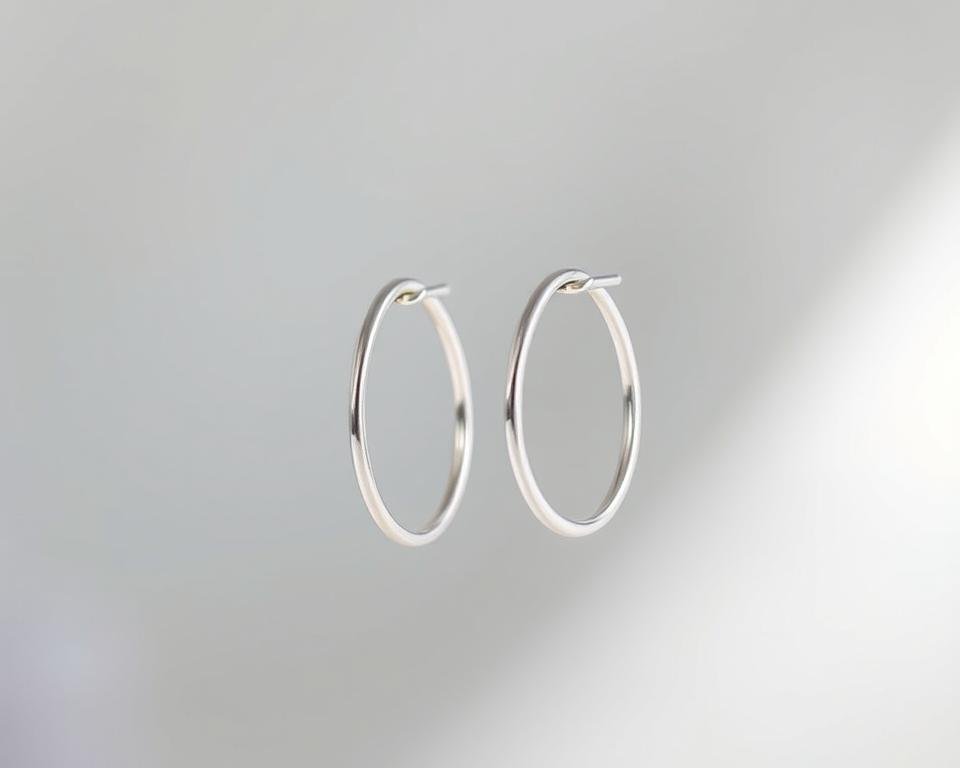

There is no convincing direct evidence that passive magnetic earrings produce clinically meaningful weight loss. Some research on auricular acupuncture, acupressure, and other forms of ear stimulation has reported small changes in weight-related measures, but those interventions are not the same as simply wearing magnetic earrings.
That distinction matters. A study using acupuncture needles, pressure-based ear stimulation, or electrical stimulation cannot automatically be used as evidence that a consumer magnetic earring suppresses appetite, boosts metabolism, or burns fat. The more useful question is not whether any research involving the ear exists, but whether that research actually matches the product being marketed.
This guide separates direct evidence from loosely related evidence, explains what recent research on auricular stimulation found, and gives you a practical framework for judging magnetic earrings and similar wellness gadgets before spending money on them.
Key Takeaways
- Convincing product-specific evidence for passive magnetic weight-loss earrings is lacking.
- Auricular acupuncture, acupressure, electrical stimulation, and magnetic earrings are different interventions and should not be treated as interchangeable.
- A 2024 meta-analysis found small average changes in weight-related measures with auricular stimulation, but the authors reported that the size of the effect did not appear clinically relevant.
- Research on static magnets in other health applications does not establish that magnetic earrings alter appetite, metabolism, or body fat.
- Testimonials cannot show whether the earrings caused someone’s weight change because many other factors may be involved.
- The strongest way to judge a wellness gadget is to look for research on the exact intervention, a credible control group, meaningful outcomes, adequate follow-up, and independent replication.
What Are Magnetic Weight-Loss Earrings Supposed to Do?
Magnetic weight-loss earrings are usually marketed as small pieces of jewelry or clip-style devices worn on the ear. Promotional claims may suggest that pressure or magnetism at particular ear points can reduce hunger, support metabolism, affect stress, or encourage weight loss.
The problem is not simply that these claims sound unusual. The bigger issue is whether the mechanism being advertised has been tested using the same kind of product. Claims involving appetite hormones, thyroid function, metabolic rate, fat burning, or other physiological effects require direct evidence. Evidence from a different intervention cannot fill that gap.
This is why marketing language such as “based on acupuncture principles” should be treated carefully. Borrowing a theory from another therapy does not mean a passive magnetic earring reproduces that therapy’s effects.
Magnetic Earrings vs. Auricular Acupuncture: Why the Difference Matters
Auricular acupuncture generally involves stimulation of specific points on the ear with needles. Auricular acupressure may use seeds, beads, pellets, or other materials that apply pressure to selected points. Other studies use electrical stimulation. Magnetic earrings, by contrast, may simply place small magnets or pressure on the ear during normal wear.
Those differences affect how research should be interpreted. A trial involving indwelling acupuncture needles tells us about that intervention under that study’s conditions. It does not automatically tell us what happens when a person wears passive magnetic jewelry.
The same problem appears when several different auricular techniques are pooled together in a review. A 2024 review of auricular stimulation studies included interventions such as acupuncture, acupressure, electrical stimulation, and related approaches. That research is relevant to the broader question of ear stimulation, but it should not be presented as direct evidence for ordinary magnetic weight-loss earrings.
This distinction between direct and indirect evidence is one of the most useful ways to judge wellness products. The closer the studied intervention is to the actual product being sold, the more relevant the evidence becomes.
What Does the Research Actually Show?
Evidence on Magnetic Earrings Specifically
The most important evidence gap is straightforward: convincing peer-reviewed clinical evidence showing that ordinary passive magnetic earrings produce clinically meaningful weight loss has not been established.
That does not mean large dedicated trials have conclusively disproved every possible magnetic-earring design. It means the marketing claims are currently stronger than the product-specific evidence available to support them.
For a device marketed for appetite control or weight loss, the strongest evidence would come from studies testing the actual earring or a genuinely comparable device against a credible sham or control condition, while measuring meaningful changes over enough time to matter.
Evidence on Ear Acupuncture and Acupressure
Auricular stimulation has been studied more directly than magnetic earrings. The 2024 systematic review and meta-analysis included 15 trials and 1,333 participants in its pooled analysis. The researchers reported average differences favoring auricular stimulation of about 0.66 kg in body weight, 0.38 points in BMI, and 1.44 cm in waist circumference compared with control conditions.
Those numbers need context. The authors concluded that the magnitude of the effect did not appear clinically relevant. A result can reach statistical significance without being large enough to meaningfully change a person’s health or weight-management outcome.
Older studies also reported some favorable findings. For example, an earlier randomized trial studied auricular acupuncture using indwelling needles over eight weeks. But that trial did not test ordinary magnetic earrings, and only 58 participants supplied data at the eight-week point. It therefore should not be used as proof that magnetic jewelry works.
The practical takeaway is more nuanced than either “ear stimulation works” or “ear stimulation does nothing.” Some forms of auricular stimulation have produced small average changes in research, but that evidence remains indirect when the product in question is a passive magnetic earring.
Evidence on Static Magnets
Static magnets are different from electromagnetic therapies that use electrically generated magnetic fields. The National Center for Complementary and Integrative Health notes that research on static magnets for studied health applications such as pain has been limited and has not produced conclusive evidence of effectiveness. Its discussion of evidence on static magnets is useful for understanding why broad health claims involving passive magnets deserve careful scrutiny.
That source does not directly evaluate magnetic earrings for weight loss, so it should not be stretched beyond its purpose. What it does show is that evidence from static-magnet research elsewhere does not provide a clear clinical basis for claims that magnetic earrings suppress appetite, change metabolism, or cause fat loss.
Claim vs. Evidence: Appetite, Metabolism, Fat Burning, and Stress
| Common Claim | What the Evidence Supports |
|---|---|
| Magnetic earrings suppress appetite | No convincing direct product-specific evidence establishes meaningful appetite suppression from passive magnetic earrings. |
| They boost metabolism | No verified evidence supplied for passive magnetic earrings demonstrates a clinically meaningful increase in metabolic rate. |
| They burn fat | Evidence involving auricular stimulation does not establish that passive magnetic earrings directly increase fat burning. |
| They work because acupuncture works | Auricular acupuncture and acupressure use different forms of stimulation. Their research cannot automatically validate passive magnetic jewelry. |
| Small research findings prove the concept | Small statistical differences may not be clinically meaningful, and the intervention studied must match the product being marketed. |
| Testimonials prove the earrings work | Testimonials cannot separate the effect of the earrings from diet, activity, expectations, other interventions, or normal weight fluctuation. |
The strongest evidence is not simply evidence that sounds related. It is evidence that tests the actual claim, with the actual intervention, using outcomes large enough to matter in practice.
Why Some People May Believe the Earrings Are Working
A person can wear magnetic earrings and genuinely notice a change in eating habits or body weight without the earrings necessarily being the cause.
Buying a weight-loss gadget may coincide with paying closer attention to food choices, portions, activity, sleep, or daily routines. Expectations can also affect behavior. At the same time, body weight naturally changes from day to day because of fluid balance, food intake, bowel contents, and other factors.
This is why personal testimonials cannot establish cause and effect. Without a control group, it is difficult to know whether the observed change came from the device, another behavior change, an unrelated intervention, or ordinary variation.
That does not mean someone’s experience is dishonest. It means personal experience alone cannot answer a clinical efficacy question.
Risks, Limitations, and Who Should Be Cautious
Magnetic earrings may appear low-risk compared with more invasive interventions, but they are not automatically irritation-free. Pressure from clip-style jewelry can become uncomfortable, and the material used in the earring matters.
Nickel is a common cause of allergic contact dermatitis. The American Academy of Dermatology notes that jewelry can be an exposure source for people with nickel allergy from jewelry. This does not mean every magnetic earring contains nickel, but people with known metal sensitivities should pay attention to the material composition.
Stop wearing a device that causes persistent pain, swelling, rash, skin breakdown, or other worsening irritation.
There is also a broader limitation: relying on an unverified gadget can delay attention to the real reason someone’s weight is changing. Substantial, persistent, or unexplained weight gain or weight loss, especially when accompanied by other symptoms, is more appropriately discussed with a qualified health professional than managed by assuming a wellness device addresses the cause.
How to Evaluate Weight-Loss Gadgets Before Buying
A useful way to evaluate magnetic earrings is to apply the same checklist to any wellness gadget making a physiological claim.
- Was the exact marketed product studied? Research on acupuncture, pressure points, or electrical stimulation is not automatically evidence for a magnetic clip.
- Was there a credible sham or control group? Without a comparison group, it is difficult to know whether the intervention itself caused the change.
- How many people completed the study? Very small trials are more vulnerable to unstable results and chance findings.
- How long did the study last? Short-term changes may not tell you whether an effect is sustained.
- Was the difference clinically meaningful? A statistically significant change can still be too small to matter in everyday health.
- Were other weight-loss factors accounted for? Diet, exercise, medication, sleep, and other interventions can strongly influence weight outcomes.
- Has the result been independently replicated? One small positive trial is much less persuasive than consistent results across several independent studies.
- Does the mechanism match the evidence? If a seller claims the product changes hormones, metabolism, thyroid function, or fat burning, look for direct evidence measuring those outcomes.
A major warning sign is when a seller cites research on a different intervention and presents it as though the marketed product itself was tested. Another is heavy reliance on before-and-after photos, testimonials, or vague phrases such as “clinically inspired” without clear details about the study design.
What Actually Helps With Sustainable Weight Management?
For people trying to lose or maintain weight, the better-supported foundation remains sustainable eating patterns, regular physical activity, behavior change, and clinical support when appropriate. The NIDDK’s evidence-based weight-management guidance focuses on eating and activity patterns rather than relying on passive gadgets.
Healthy adults are generally advised to aim for at least 150 minutes of moderate-intensity aerobic activity each week along with muscle-strengthening activity on two or more days. Those targets are general health guidance, not a guarantee of a specific amount of weight loss.
The practical advantage of evidence-based approaches is not that they promise fast results. It is that they have a much stronger foundation than claims that an unverified piece of jewelry can meaningfully change appetite, metabolism, or body fat on its own.
Frequently Asked Questions
Do magnetic earrings suppress appetite?
There is no convincing direct evidence that passive magnetic earrings reliably suppress appetite. Research involving other forms of auricular stimulation should not be treated as proof that magnetic earrings have the same effect.
Is ear acupressure the same as magnetic therapy?
No. Ear acupressure applies pressure to selected auricular points, while magnetic therapy relies on static magnets. Some products may combine pressure and magnets, but evidence from one intervention cannot automatically be transferred to another.
Are magnetic earrings dangerous?
They may be tolerated by many people, but irritation, pressure discomfort, or allergic contact dermatitis can occur depending on the design and material. People with metal sensitivities should check what the jewelry is made from and stop using it if significant irritation develops.
Why do some testimonials report weight loss?
A testimonial cannot identify the true cause of a person’s weight change. Diet, activity, expectations, other treatments, and normal fluctuations may all contribute, so an individual story should not be treated as clinical evidence.
What should I look for before buying a weight-loss gadget?
Look for research on the exact product or intervention, a credible control group, adequate sample size and duration, meaningful rather than merely statistical results, and independent replication. Be cautious when marketing relies mainly on related research, testimonials, or unmeasured claims about hormones and metabolism.
Final Takeaway
Magnetic weight-loss earrings are supported more by marketing claims than by convincing product-specific clinical evidence. Research on auricular acupuncture, acupressure, and other forms of ear stimulation is more substantial, but the average effects reported in recent review-level evidence are small and do not establish that passive magnetic earrings produce meaningful weight loss.
The most useful lesson extends beyond this one product category: ask whether the research actually matches the device being sold. If a company cites acupuncture research to promote passive magnetic jewelry, that is indirect evidence, not product validation.
If you are deciding whether these earrings are worth buying for weight loss, the evidence does not currently provide a strong reason to rely on them. Put more weight on interventions with direct evidence, realistic expectations, and a clear connection between what was studied and what you are actually being asked to use.




Don’t Miss These Picks