

There are moments when you want the ritual of a can, the bright aroma, and the social ease of beer—without the alcohol. I remember swapping my evening pint for a fizz that still felt like a treat. That small change kept the ritual but cleared the next morning.
Hop water is a sparkling beverage infused with hop aroma and flavor, not a beer and not boiled hop tea. Expect a clean, fizzy base with citrusy, piney, or vegetal notes that hit like an IPA-adjacent sip without fermentation or malt.
This guide is for health-conscious adults in the United States who crave beer character but want a lighter weekday option. We’ll compare top brands—Lagunitas, Sierra Nevada, HOPWTR, More Life, and Denver Beer Company’s Easy Living—using tasting notes and ratings that focus on flavor clarity, bitterness, bubbles, and balance.
Why people switch: they keep the ritual—cracking a can and smelling hops—while dialing back alcohol. For a direct look at a bold, hop-forward option, check HOPWTR for ingredients and flavor profiles: HOPWTR details.
Key Takeaways
- Hop water delivers IPA-like hop character without alcohol.
- Expect bright citrus, pine, and clean carbonation rather than malt depth.
- We rate brands on flavor clarity, bitterness, bubble quality, and balance.
- This guide is aimed at US adults who want a beer-flavored alternative for social or sober-curious occasions.
- Popular, widely available brands include Lagunitas, Sierra Nevada, HOPWTR, More Life, and Easy Living.
Hop water reviews of the best brands to buy in the United States
We compare the leading cans by real taste, bitterness, and availability across the U.S. These snapshots show why some cans feel like an IPA echo while others lean fruit-forward or mixer-ready.
Below are quick, scored takes on top options so you can pick by craving: IPA vibes, bitter bite, or a bright summer sip.
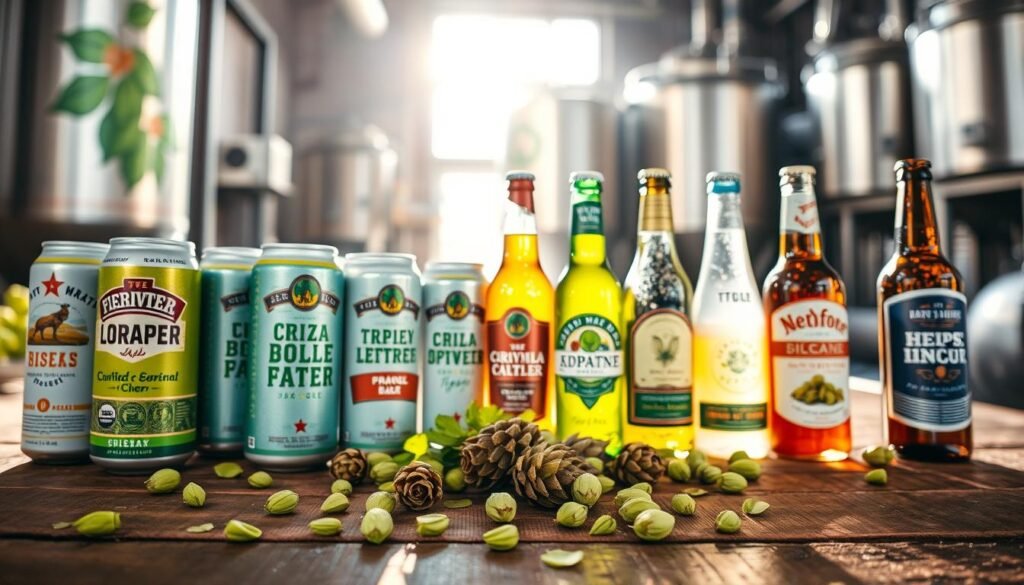
Lagunitas Hoppy Refresher (Original) — 9.5/10
Why it’s the best of the best: zippy, hops-forward aroma with a balanced flavor and a clean finish that won’t steamroll a meal.
Lagunitas uses Citra, Equinox, and Centennial, which signal bright citrus and a crisp, modern hop profile. Expect an IPA-like hint without alcohol or heaviness.
Best for: IPA cravings and food pairing.
Sierra Nevada Hop Splash — 8.5/10
This one runs tonic-like and more bitter than most. The Citra and Amarillo blend gives a grown-up, slightly medicinal bite.
Best for: bitter lovers and cocktail mixers.
Hop Wtr Blood Orange — 8/10
Fruit-forward runner-up: citrus aroma supports rather than hides the hops. The fruit bitterness sits with the hop bitterness for a balanced sip.
Best for: people who want fruit without losing hop character.
More Life Watermelon — 8.5/10
Juicy, summery, and refreshing with lovely effervescence. Real watermelon avoids fake-candy taste and leaves room for hop notes.
Best for: summer cookouts and patio sipping.
Easy Living lineup (Denver Beer Company)
All 0% alcohol, 0 calories, no sugar, and gluten-free. Distinct cans:
- Original: mineral-clean, herbal/citrus, active bubbles — very seltzer-like.
- Tropical: light fruit, tea-steeped hop impression, peppery/tobacco notes.
- Citrus: lime-forward with a pithy finish and minimal hop taste.
- Hibiscus: pink tint, floral/earthy, mild tartness and softer brightness.
Best for: variety seekers and mocktail builders.
HOPWTR Iced Tea & Lemonade — (3.5 mg caffeine)
Think Arnold Palmer with a faint hop kick. Contains adaptogens and nootropics and a tiny caffeine dose that won’t jolt you.
Best for: those who want a tea-forward sip with subtle hop nuance and mixer potential.
“Crisp, citrusy, slightly piney — bubbles on point, no weird aftertaste.”
| Brand | Rating | Profile | Best for |
|---|---|---|---|
| Lagunitas Hoppy Refresher | 9.5/10 | Bright citrus hops, balanced, food-friendly | IPA cravings / pairing |
| Sierra Nevada Hop Splash | 8.5/10 | Bitter, tonic-like, Citra + Amarillo | Bitter lovers / mixers |
| Hop Wtr Blood Orange | 8/10 | Citrusy fruit blend that supports hops | Fruit-curious drinkers |
| More Life Watermelon | 8.5/10 | Juicy watermelon, effervescent, summer feel | Summer cookouts |
Note: Most cans are zero calories, zero sugar, and zero alcohol, so they’re easy to store and grab any day as a lighter alternative to beer. For a round-up of options and buying tips, see the best hop water ranked.
How we evaluated hop water: flavor, bubbles, bitterness, and “IPA vibes”
We tested cans side-by-side to judge how flavor, fizz, and bitterness shape the overall sip. Scores reflect aroma clarity, carbonation quality, and how a can reads against IPA-like character without beer fermentation notes.
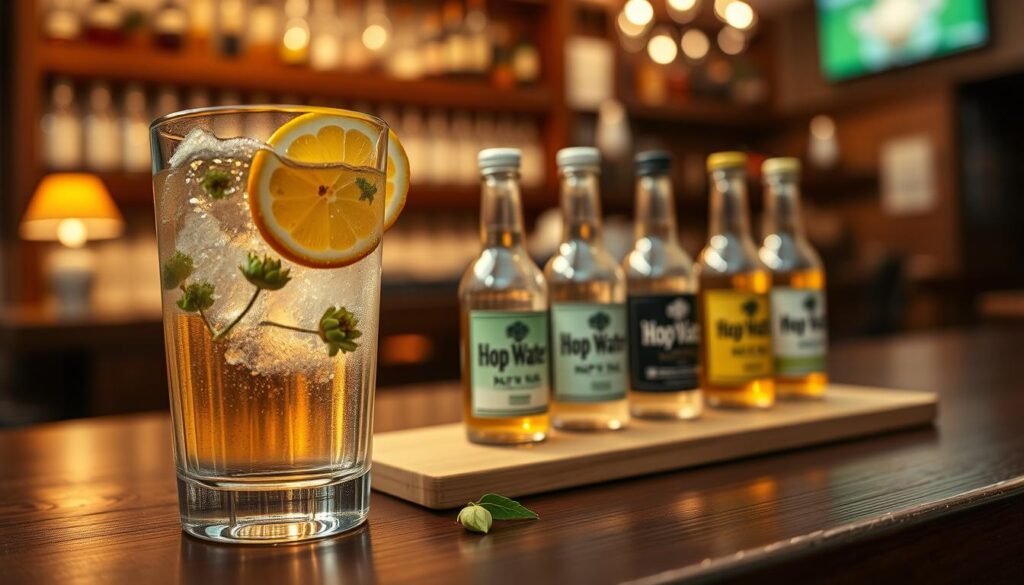
What does a balanced hop flavor feel like?
Balanced means you clearly sense hops without feeling like you drank hop extract. The aroma should open with citrus or pine, and the finish stays clean so you can keep sipping.
Lagunitas is a good example—hops are present but not harsh, making it food-friendly.
How do bubbles change mouthfeel?
Tight, active bubbles lift flavor and make a can feel like a treat. More Life Watermelon shows how lively effervescence boosts refreshment.
By contrast, a flatter fizz makes the same flavor read like simple sparkling water. Easy Living Original demonstrates the spritzy end of the spectrum.
When fruit keeps or hides hop character?
Fruit can boost aroma and approachability, but too much will erase hop notes. Hop Wtr Blood Orange keeps fruit in check, while Easy Living Citrus leans lime-forward and mutes hops.
Where does bitterness land?
Think of a spectrum: bright and zippy (Lagunitas-style) to tonic-like and bitter (Sierra Nevada-style). Bitterness can feel “grown-up” even with zero sugar; it signals intention, not poor quality.
Quick decision shortcut: pick by how you plan to drink it—pairing with food, post-workout, party sips, or as a mixer—and your tolerance for bitterness. For a broader round-up and context, see this sparkling hop options summary and practical tips on drinking routines after-exercise choices.
Benefits and nutrition: zero alcohol, zero calories, and an alternative to beer
Choosing a sparkling hop beverage gives you the aroma and social cue of beer while removing alcohol and most calories. It works as a practical bridge beverage: you keep the can-cracking ritual and hop-driven flavor cues but drop alcohol and carbs for many brands.
Why this matters socially: It looks and feels like cracking a beer, which makes cutting back easier at barbecues, game nights, or dinners out. The act of holding a can helps you fit in without the alcohol.
What do labels usually claim?
Shoppers will commonly see these calls on cans. Read the label—claims vary by brand.
- Zero calories
- Zero sugar
- Zero carbs
- Gluten-free
- 0% alcohol
How do functional ingredients like adaptogens and nootropics fit in?
Adaptogens and nootropics are marketed as support for stress resilience and mental focus. HOPWTR lists ingredients such as ashwagandha and L-theanine.
Expect subtle effects at best—many people notice framing more than a clear mood shift. If you want details on HOPWTR’s ingredients and claims, see the brand overview: HOPWTR ingredient notes.
When is this a better fit than non-alcoholic beers?
For carb-conscious drinkers, these cans often beat many non-alcoholic beers. They skip malt sugars and read more like a sparkling beverage than a brewed beer.
If you want something closer to beer flavor, NA beers deliver that profile. If you want light, bubbly, and low-carb, a sparkling hop can is the cleaner option. For a wider look at non-alcoholic options, see this guide: best non-alcoholic drinks.
- Best-use moments: weekday evenings, designated-driver nights, post-workout sips, or Dry January-style resets.
- Final note: taste matters—if the flavor and bubbles don’t pass your “will I reach for this?” test, nutrition benefits alone won’t keep you drinking it.
Conclusion
Here’s a concise wrap-up to steer your next purchase toward a can you’ll actually reach for.
Best overall: Lagunitas Hoppy Refresher Original (9.5/10) wins for balance, bright aroma, and broad appeal without aggressive bitterness. It reads like an IPA echo but stays easy to sip.
Buy this if… Sierra Nevada for tonic-like bitterness; More Life for summer watermelon; Hop Wtr Blood Orange for fruit that keeps hop character; Easy Living if you want a seltzer-first profile; HOPWTR Iced Tea & Lemonade for an Arnold Palmer-style option.
Quick shopping tip: start with a variety pack or two flavors, then dial in your preferred bitterness, bubble level, and fruit intensity. For industry context and functional takes on the category, see this overview on hop beverages at functional hop waters.
Takeaway: the best can is the one that matches your palate and routine — consistency beats chasing perfection.
FAQ
What makes these hop-based sparkling beverages different from non-alcoholic beers?
These drinks emphasize hop flavor and carbonation without fermentation-derived alcohol or malt sweetness. That means you get aromatic bitterness and IPA-like citrus, pine, or floral notes with zero alcohol, very few calories, and typically no carbs. They aim to replicate the sensory cues of beer—bitterness, resinous aroma, and bubbles—while staying lighter and more hydrating than most non-alcoholic brews.
Which brands should I try if I want a bold, bitter profile?
Look for lagers and brands known for hoppy intensity such as Lagunitas Hoppy Refresher (Original) and Sierra Nevada Hop Splash; they push bitterness and hop aroma to mimic an IPA’s punch. These options use more assertive hop varieties and higher perceived bitterness, giving a tonic-like, zippy finish that appeals to bitter-hop lovers.
Are fruit-flavored hop beverages a compromise on hop character?
Not necessarily. Fruit-forward versions like Hop Wtr Blood Orange or More Life Watermelon are formulated to balance fruit brightness with hop bitterness. Well-made fruit blends preserve hop aromas instead of masking them, so you still get hop complexity alongside citrus or melon notes. Choose fruit-forward if you want a sweeter, more aromatic sip without alcohol.
How does carbonation affect the experience?
Carbonation shapes mouthfeel and perceived flavor intensity. Higher carbonation creates a lively, beer-like bite and helps volatile hop aromatics release, enhancing IPA vibes. Softer carbonation yields a smoother, more soda-like sip. If you want a beer substitute, pick options with stronger bubbles for a familiar tactile experience.
Are these beverages really calorie- and carb-free?
Many products advertise zero calories and no carbs, and several popular brands deliver on that claim by using only water, hops, natural flavors, and carbonation. Always check the nutrition label: some fruit- or sweetened variants can carry calories or sugar. Most mainstream hop waters remain a low-calorie alternative to non-alcoholic beers and sodas.
What are adaptogens and nootropics in hop drinks like HOPWTR, and do they work?
Adaptogens (for example ashwagandha) and nootropics (like L-theanine) are ingredients marketed to support stress resilience and calm focus. In beverages such as HOPWTR Iced Tea & Lemonade, they’re present at low doses that may offer subtle relaxation or focus benefits, especially combined with light caffeine. Scientific support for acute effects exists but varies by compound and dose; expect gentle, not dramatic, effects.
Can hop-based sparkling drinks trigger the same palate satisfaction as an IPA?
They can mimic key sensory cues—bitter hop notes, citrus or pine aromatics, and lively carbonation—but they lack malt backbone and alcohol warmth, so they aren’t exact replicas. For many people reducing alcohol, these beverages provide enough IPA-like sensory input to satisfy cravings without the calories or alcohol.
Are hop-based sparkling drinks gluten-free and safe for people with gluten sensitivity?
Most are gluten-free because they rely on water, hops, and flavorings rather than barley malt. Still, check packaging for explicit gluten-free labeling if you have celiac disease; formulations may vary across brands and production facilities.
How should I serve these to get the best flavor?
Chill well (around 38–45°F) and pour gently into a tulip or pint glass to capture aromatics while preserving bubbles. For fruit-forward varieties, a light stir is enough. Avoid over-icing or letting them sit flat—fresh carbonation and cold temperature highlight hop aroma and bitterness.
Are there downsides compared with non-alcoholic beers?
Trade-offs include the absence of malt complexity and fuller body that non-alcoholic beers provide. If you miss roasted, biscuity, or malty notes, hop waters won’t replace that profile. Also, some drinkers may find very bitter options too astringent without a sweet malt balance.
Which option is best for someone watching carbs and calories?
Pure hop sparkling beverages that list zero calories and zero carbs on the label are ideal. They typically outperform non-alcoholic beers on this metric. Always scan nutrition facts to confirm, especially with flavored or caffeinated variants that might add ingredients.
Can I mix hop sparkling drinks into cocktails or mocktails?
Yes—these beverages are versatile mixers. Use them to add bitterness and hop aroma to alcohol-free cocktails, pair with citrus or herbal syrups, or float a splash over iced tea. Their carbonation and hop character can add complexity without extra sugar or alcohol.
How do companies measure bitterness and “IPA vibes” in these products?
Evaluation combines sensory panels and objective measures like International Bitterness Units (IBU) approximations, though precise IBU labeling is rare. Reviewers assess aroma intensity, hop varietal notes (citrus, pine, resin), and carbonation to gauge how closely a product evokes an IPA experience.
Are there seasonal or limited-edition hop sparkling offerings to look out for?
Yes. Brands often release seasonal fruit blends or limited-hop releases—think blood orange or watermelon in summer months. These editions spotlight different hop varietals or fruit pairings and can provide fresh, seasonal flavor twists for fans seeking variety.
Where can I buy these beverages in the United States?
Widely at supermarkets, specialty beverage shops, brewery taprooms, and major online retailers. National beer brands like Lagunitas and Sierra Nevada distribute their hoppy refreshers broadly; smaller makers and HOPWTR are available in grocery chains and via direct-to-consumer online sales in many states.